





Antique French Books
These antique french books and associated library pieces bring tangible history to a room, offering tactile leather bindings and period craftsmanship.
Antique French Books
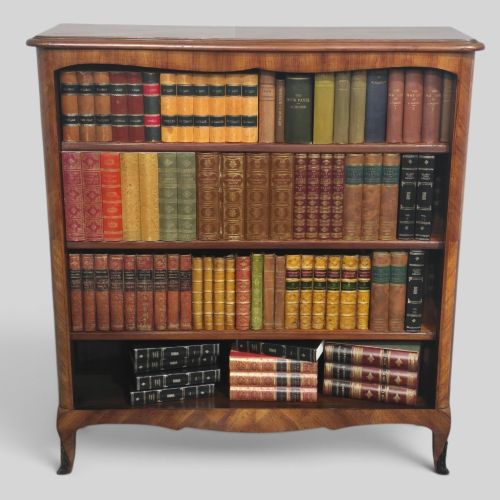
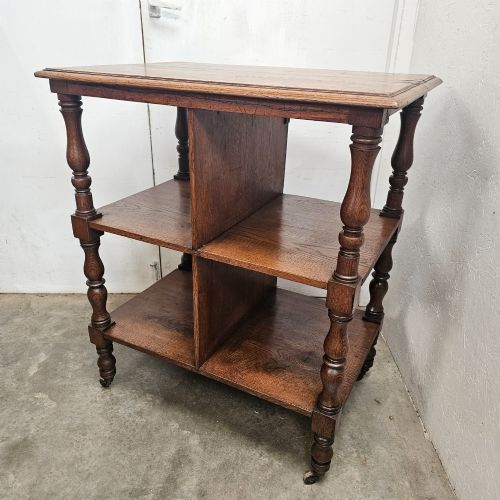
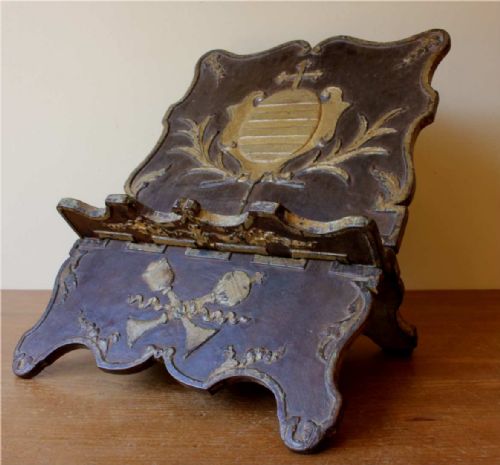
When you search for antique french books, you encounter everything from individual antiquarian volumes and decorative leather-bound runs to the library furniture built to house them. The selection bridges written texts and the decorative arts, encompassing reading stands, book troughs, and bookends alongside the books themselves.
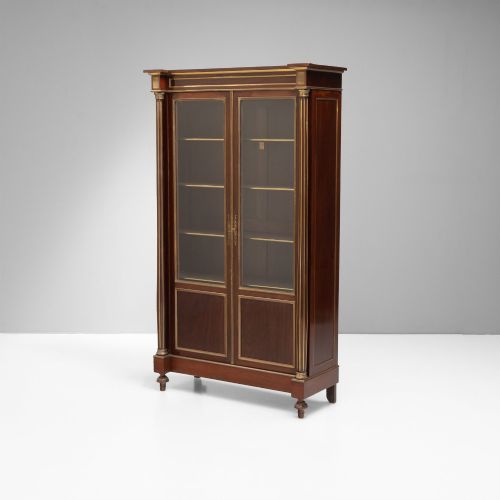
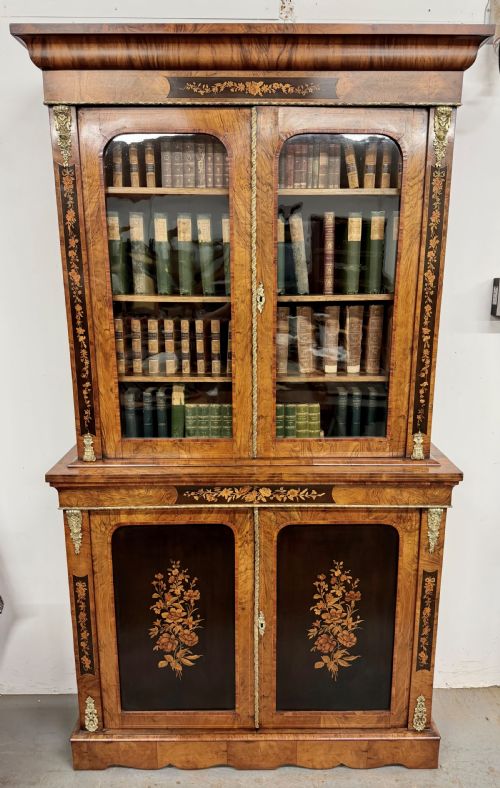
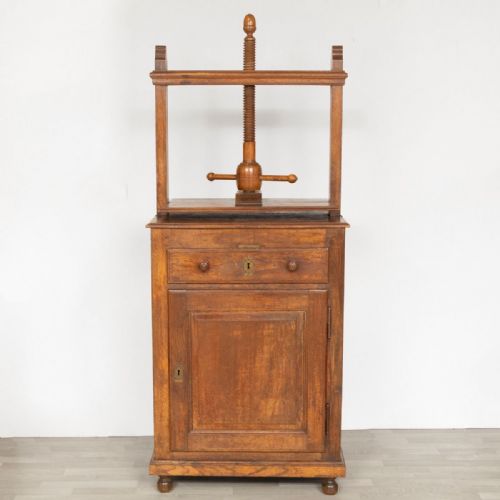
You are most likely to meet nineteenth-century leather-bound volumes and walnut bookcases on this page, reflecting periods from the Victorian era through the Art Deco epoch. The items range from utilitarian oak book flower presses to gilt-metal mounted displays and faux book caskets.
How they were made
Makers utilised traditional timber construction, employing walnut, mahogany, oak, and marquetry inlay for library furniture, while bookbinders worked with fine leather, paper, and vellum. Metal mounts in brass, ormolu, and gilt bronze often accent the woodwork and bookends.
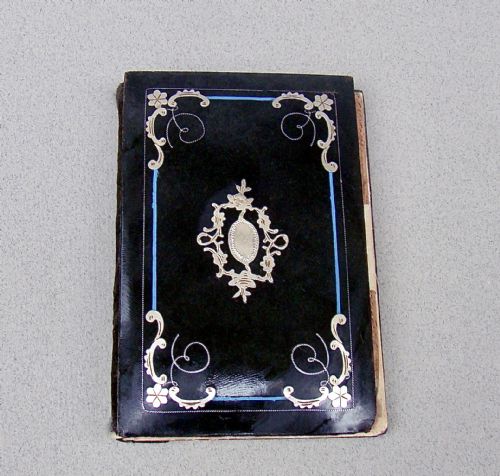
Decorative objects incorporate specialist techniques such as silver inlay in tortoiseshell, straw work, and painted finishes on wood, spelter, and marble.
Napoleon's reach extends even to prisoner-of-war straw work boxes.
What varies in quality
The distinction between ordinary items and superior examples lies in the integrity of the materials and the crispness of the joinery or tooling. Fine leather bindings display even tooling and supple skins, whereas lesser pieces show heavy wear and brittle spines.
Library furniture demonstrates quality through timber selection, such as matched walnut or mahogany grains, and the precision of ormolu or brass mounts rather than mass-cast replacements.
The Antique French Books Glossary
- Antiquarian books
- Volumes of considerable age, generally printed before the nineteenth century, prized for their historical context and typography.
- Ormolu
- Finely chased gilded bronze applied as a decorative mount to furniture and decorative objects, popular in French pieces.
- Marquetry
- The art of applying decorative pieces of veneer to a structure to form intricate patterns, often seen on nineteenth-century cabinets.
- Vellum
- A fine parchment made from calfskin, historically utilised for durable book bindings and manuscripts.
Antique French Books: Frequently Asked Questions
How should I clean leather-bound books?
Leather bindings require gentle dusting with a dry, soft cloth to remove surface particles without damaging the delicate paper or spine.
Avoid using modern chemical cleaners or excessive moisture, which can strip the historical oils from nineteenth-century leather.
Are antique French books usually written in French?
The majority of these volumes feature French text, reflecting their origin, though some theological and classical works appear in Latin.
Buyers often select them for decorative runs on shelves as much as for reading content.
How do I date a nineteenth-century bookcase?
Dating relies on observing timber choices, construction methods, and stylistic cues such as Empire or Art Deco motifs.
Secondary woods and drawer dovetailing help confirm the period when makers transitioned from hand tools to machinery.
Can bookends support heavy volumes?
Cast metal bookends in bronze, brass, or spelter provide substantial weight to keep large rows upright on shelves.
Marble and heavy wood variants also offer the necessary stability for dense antiquarian texts.