


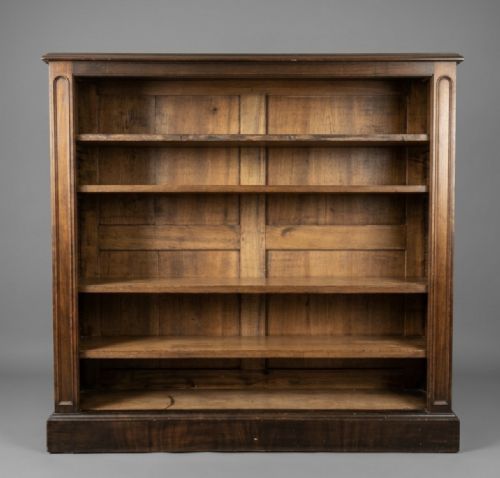

Vintage Library Styling Books
These vintage library styling books and associated bookcases bring genuine period character to a room, offering warm wood tones and tactile paper bindings.
Vintage Library Styling Books
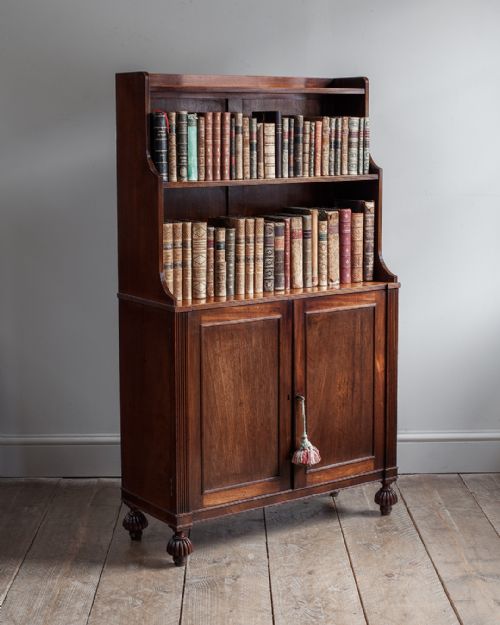
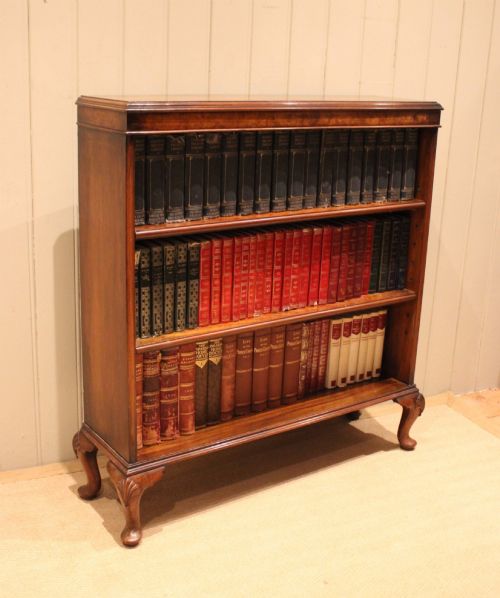
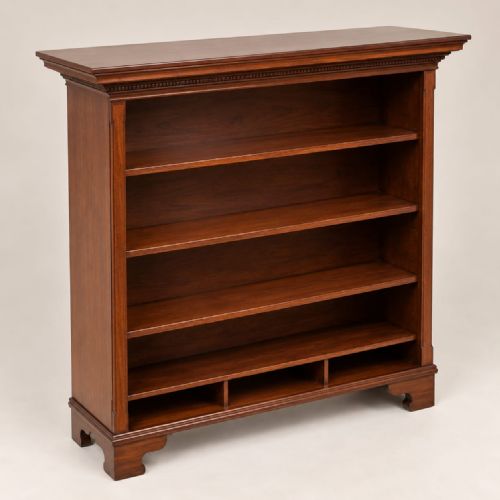
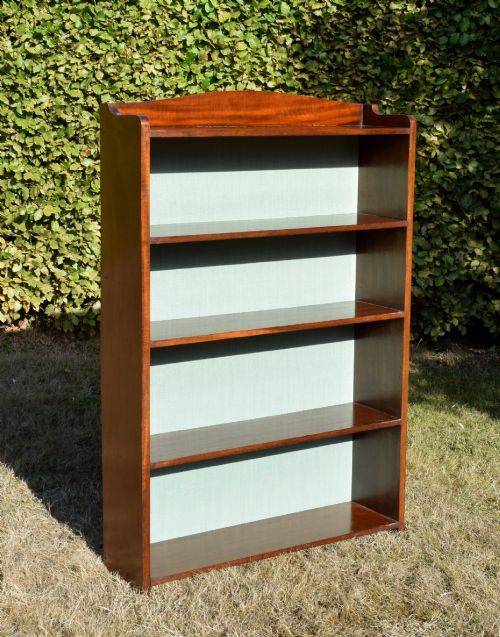
When searching for vintage library styling books, buyers encounter a mix of decorative volumes, open bookcases, and revolving designs that establish an academic or classic interior atmosphere. The pieces span periods from the nineteenth century through the Edwardian era and the nineteen-thirties, reflecting traditional British and continental tastes.
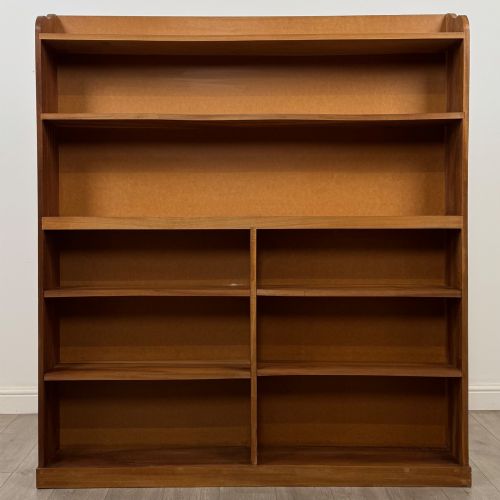
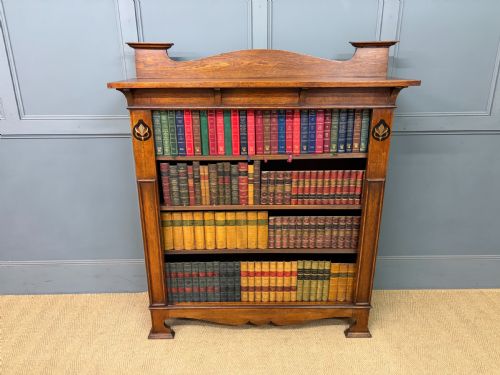
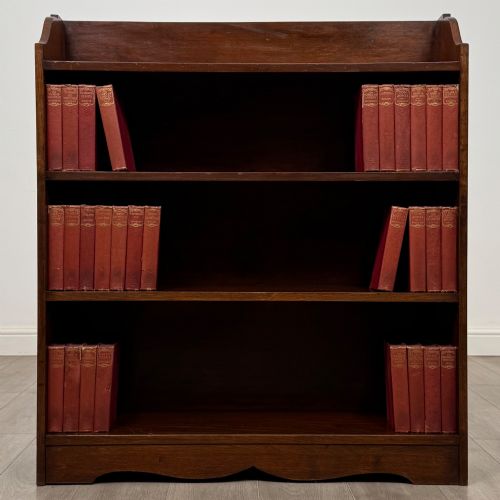
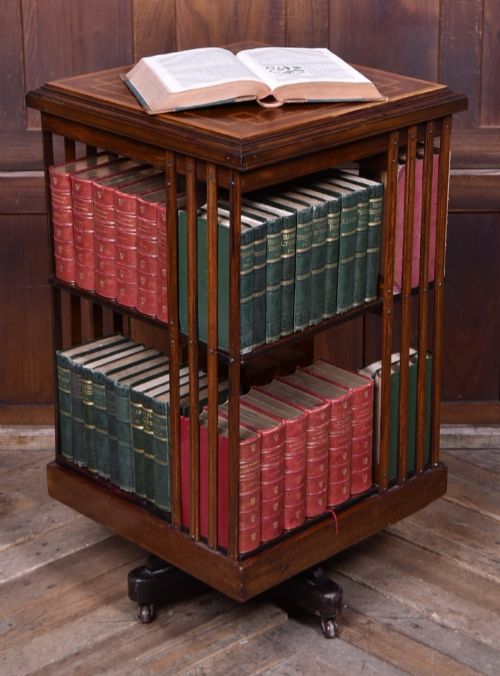
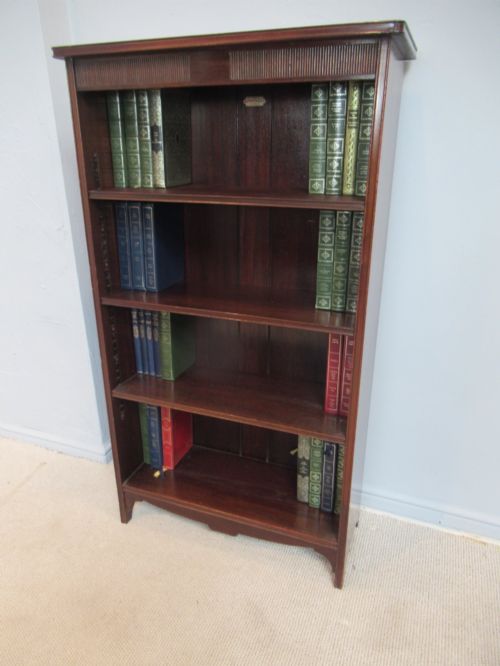
Open bookcases and revolving bookcases form the backbone of these listings, frequently constructed in mahogany, oak, and walnut. Alongside these furniture items, groupings of antique French books and specific nineteenth-century sets provide the literal page-turning element required for authentic shelf styling.
The selection ranges from tall break-front cabinetry to compact rotating designs and individual decorative book sets. Buyers typically choose these elements to create layered, lived-in shelving arrangements without needing a massive institutional library.
Materials and construction methods
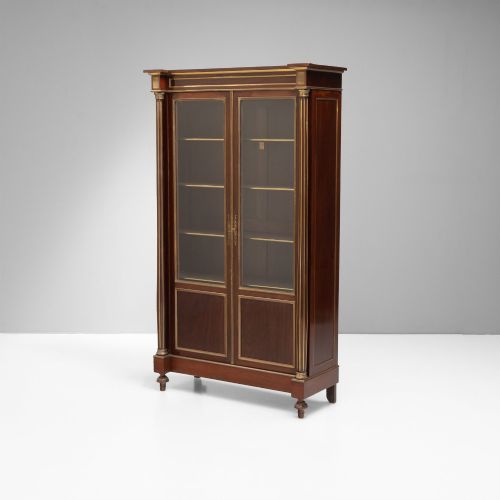
Cabinet makers relied heavily on hardwoods such as mahogany, oak, and walnut, often selecting figured veneers or flame mahogany to add visual depth to bookcase panels and drawer fronts. Brass hardware, leather accents, and glass doors appear across various pieces to provide functional contrast.
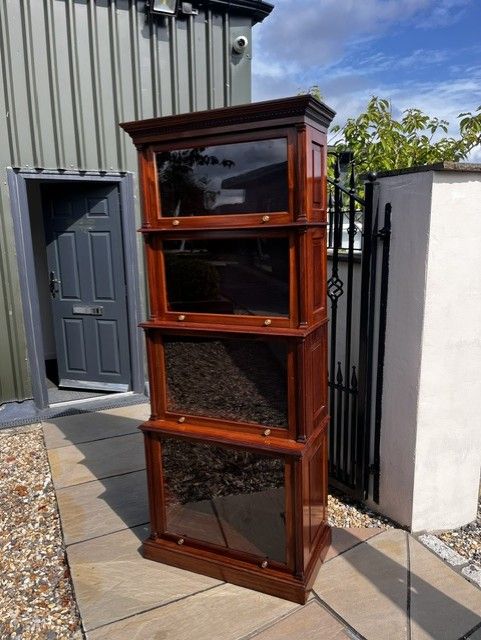
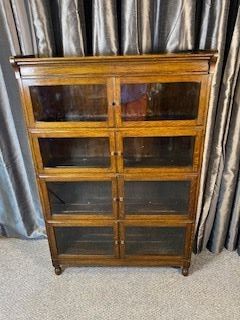
Construction techniques include adjustable shelving systems, sectional stacking frameworks like barrister bookcases, and revolving mechanisms that allow convenient access in smaller study spaces. Paper, card, and leather bindings comprise the books themselves, showing historical cloth and calfskin covers.
William Shakespeare's complete works from eighteen-eighty-one share shelf space with modern oil paintings.
Distinguishing quality in styling pieces
The degree of material selection separates standard utilitarian storage from finer decorative examples, particularly in the choice of figured walnut or flame mahogany veneers. Solid timber frames and well-executed joinery on revolving or sectional bookcases indicate superior workshop output.
The visual integrity of the paper bindings and the consistency of wood ageing dictate the overall impact of the arrangement. Pieces featuring original patination and intact structural elements hold greater appeal for interior decoration.
Waring and Gillows·Lebus
The Vintage Library Styling Books Glossary
- Waterfall bookcase
- A set of open shelves that progressively deepens from top to bottom, creating a stepped profile.
- Revolving bookcase
- A compact, rotating tiered stand designed to sit on a floor or tabletop for easy book retrieval.
- Break-front
- A cabinet design where the central section projects forward from the flanking outer sections.
- Barrister bookcase
- A modular stacking bookcase featuring glass-fronted tiers that lift and slide inward.
- Quarter sawn oak
- Timber cut radially to the growth rings, producing a distinct decorative grain pattern often seen in Arts and Crafts pieces.
Vintage Library Styling Books: Frequently Asked Questions
How do I choose the right bookcase size?
Measure your available wall space and consider whether an open front or a revolving design suits the room's layout. Taller break-front units dominate a wall, while compact rotating stands fit neatly beside armchairs.
Matching the wood tone to existing furniture helps the piece integrate smoothly into your interior styling scheme.
Are the books readable or purely decorative?
The selections include genuine antique volumes and collected sets that retain their original text blocks and bindings. You can open and read them just like any historical publication.
They serve the dual purpose of providing authentic reading material and establishing traditional library aesthetics.
What is a barrister bookcase?
A barrister bookcase is a sectional cabinet featuring individual glass-fronted tiers that stack on top of one another. Legal professionals originally used them to transport and protect their working libraries.
The stacking mechanism allows the entire case to be easily disassembled and moved when necessary.
How do I care for antique wood and leather?
Keep wooden bookcases away from direct heat sources and strong sunlight to prevent the timber and veneers from drying out. Dust regularly with a soft, dry cloth rather than using heavy silicone polishes.
Leather bindings and upholstered elements benefit from minimal handling and stable indoor humidity levels.