






Brown French Books
Brown antique French books and related library pieces bring tangible history to a room through rich bindings, warm woods, and practical utility.
Brown French Books
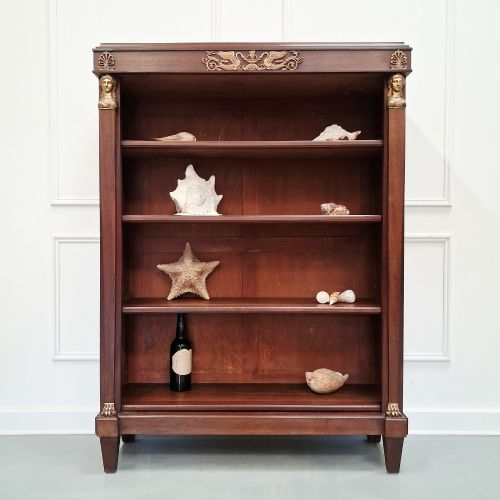
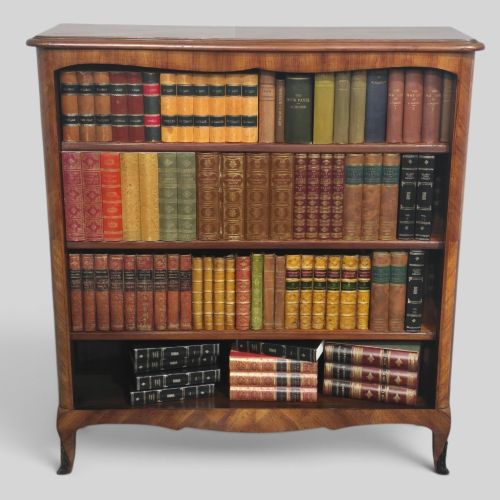
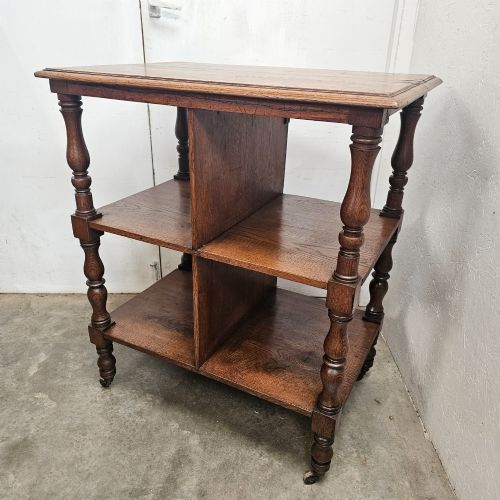
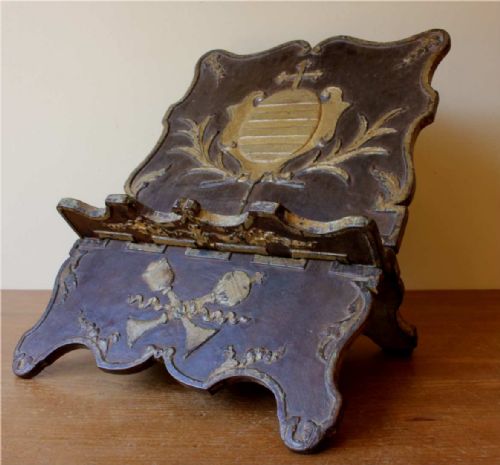
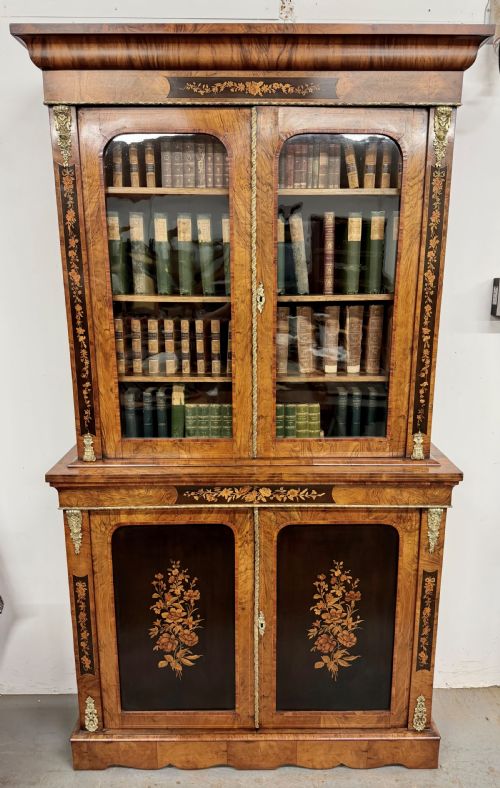
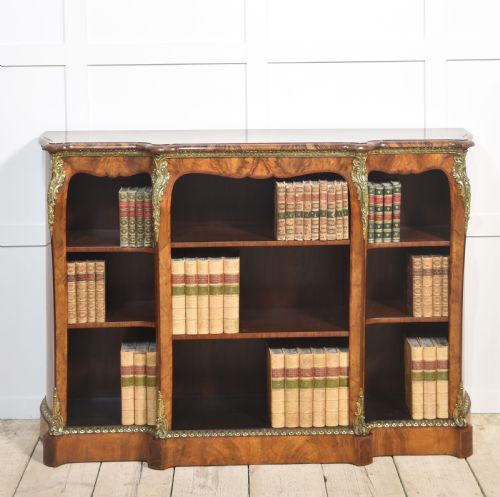
When you search for brown antique French books, you encounter a varied selection of domestic and library pieces spanning several centuries. The material evidence ranges from 18th-century religious folding Bible rests and missal stands to 19th-century oak book flower presses and decorative leather caskets shaped like volumes. You also find practical furnishings associated with reading, such as adjustable library bookcases, walnut library trolleys, and reading stands.
The aesthetic leans heavily towards traditional regional and formal designs. Pieces emerge in styles such as French Provincial, Gothic Revival, Louis XV, and Empire. Walnut and oak dominate the wooden furniture, often accompanied by brass mounts, leather details, and glass elements.
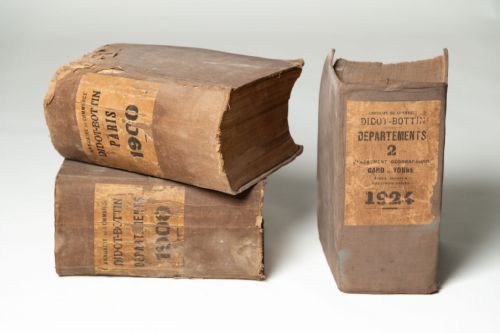
Alongside furniture, the category encompasses actual texts and bound sets. These include early 19th-century French text editions, Edwardian translated collections, and curated groups of antique volumes. Together, they represent the intersection of domestic furnishing, scholarly pursuit, and decorative arts.
How they were made
Cabinet makers and artisans utilised traditional timbers such as walnut, oak, and pine to construct bookcases, reading stands, and small tables. Marquetry inlay, parquetry, and gilt metal or ormolu mounts frequently adorn the walnut and mahogany surfaces of larger cabinets and smaller bedside units.
For items involving texts and portable items, paper, tooled leather, and gold leaf form the primary media. Bindings utilise detailed leather tooling and embossing, while specialist items incorporate brass hinges, glass viewing panels, and inset silk-work tops.
Among the library furniture, spaniel dog bookends keep watch over the shelves.
What varies in quality
The distinction between standard utility items and finer examples rests on the sophistication of the joinery and the selection of materials. Elaborate additions such as hand-tooled leather, bronze or ormolu mounts, and precise marquetry patterns elevate a piece beyond simple domestic furniture.
In the case of books and manuscript rests, the preservation of the original paper, crispness of the text impressions, and integrity of the leather bindings dictate the desirability of the object. Structural soundness in adjustable mechanisms and folding stands also marks superior craftsmanship.
The Brown French Books Glossary
- Ormolu
- Gilded bronze mounts applied to furniture and decorative boxes. This decorative technique adds metallic contrast to dark walnut and oak surfaces.
- Marquetry
- Inlaid wood veneers forming decorative patterns on furniture surfaces. Craftsmen utilise different timber species to create tonal contrast.
- Parquetry
- Geometric wood inlay patterns typically seen on table tops and cabinet doors. This technique provides a structured, tiled wooden texture.
- Missal Stand
- A folding wooden rest designed to hold religious service books. These portable stands often feature carved or pierced woodwork.
- Casket
- A decorative box or small chest, occasionally fashioned in leather to resemble a book. These objects served to store valuables or documents.
Brown French Books: Frequently Asked Questions
How are antique French bookcases usually constructed?
Makers relied on solid hardwoods like oak and walnut, frequently applying veneers with marquetry or parquetry details. Structural elements often included adjustable shelving systems and decorative metal mounts.
Larger library pieces incorporate breakfront designs and glazed doors, whilst smaller variants focus on open shelving or integrated bedside storage.
What materials appear on antique book forms and boxes?
These decorative objects commonly employ tooled leather over a rigid core, accented with gold leaf tooling. Brass hardware and hinges secure the opening sections.
Inside, makers sometimes lined the compartments with silk or paper to complete the imitation of a genuine bound volume.
Are the bound books usually in French?
The selection includes both French language first editions and English translations published during the 18th and 19th centuries. Bindings often feature uniform leather spines and gilt detailing.
Collections range from multi-volume literature sets to individual decorative volumes intended for display.