




Antique French Barware
Antique french barware brings together utilitarian vessels and cocktail accessories shaped by periods from the nineteenth century through the mid-twentieth century.
Antique French Barware
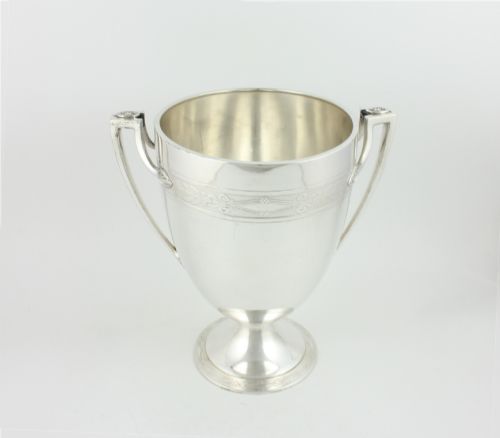
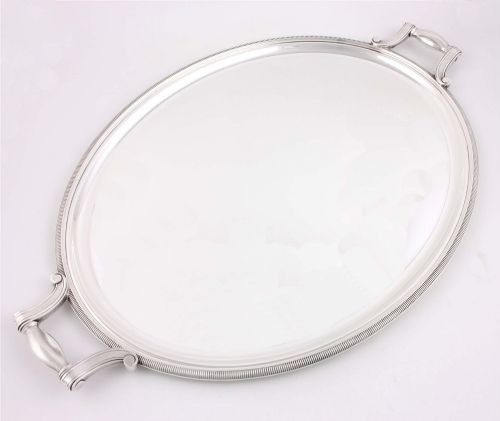
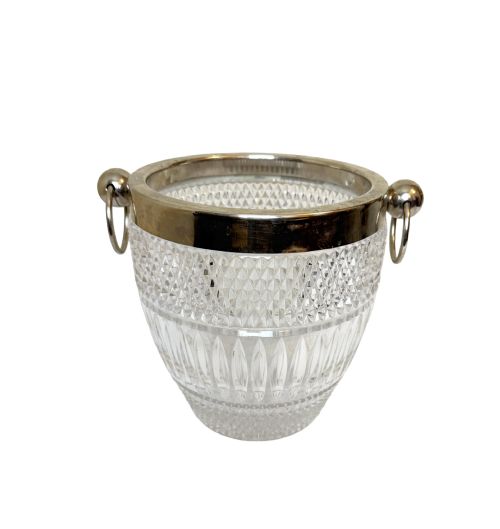
Antique french barware comprises serving trays, wine coolers, ice buckets, cocktail shakers, and novelty cocktail sticks designed for hospitality and entertaining. The selection leans heavily toward twentieth-century production, with a strong representation of Art Deco designs alongside earlier nineteenth-century pieces.
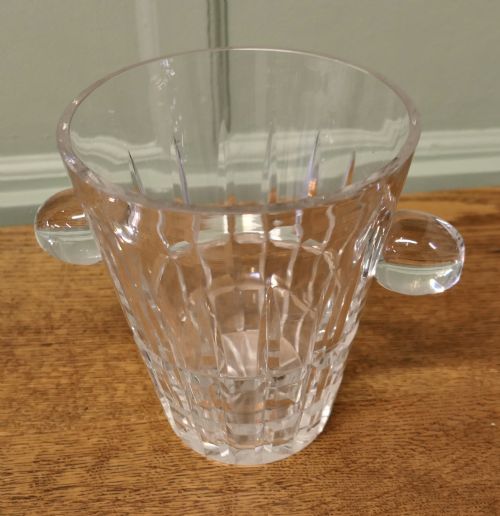
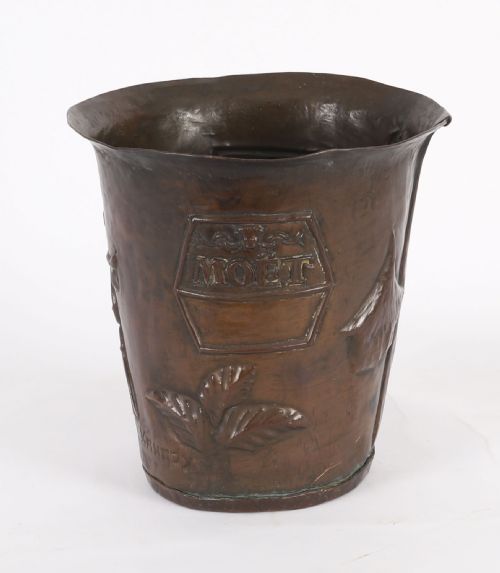
Vessels span practical forms meant for cooling champagne, mixing drinks, or presenting liqueurs within fitted boxes known as caves à liqueur. Objects range from utilitarian copper wine holders to decorative silver plate and cut crystal items intended for display on a sideboard or bar.
Origins trace directly to French makers, silversmiths, and glasshouses operating during the Belle Epoque, Art Nouveau, and Mid-Century Modern periods. Buyers encounter items that reflect changing social habits across decades, from formal nineteenth-century dining rituals to the cocktail culture of the interwar years.
Materials and Construction
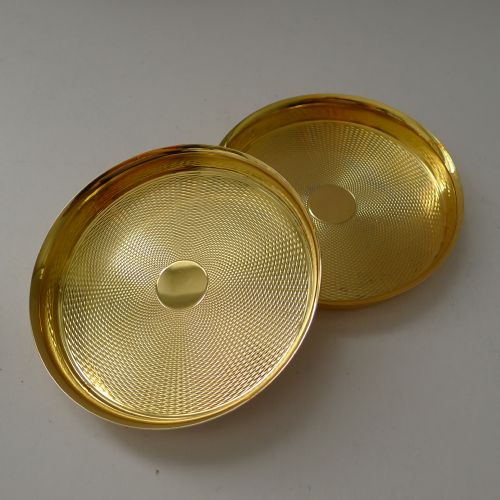
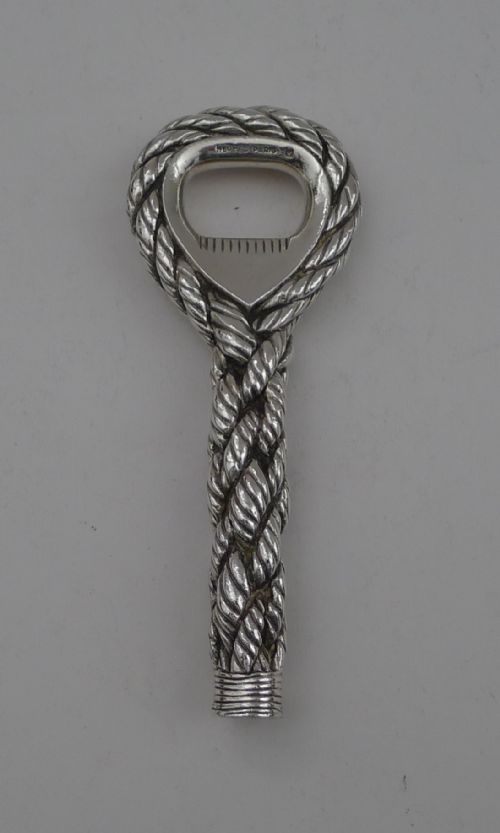
Manufacturing relies on a combination of metalworking and glass production, utilising silver plate, solid sterling silver, chrome, copper, brass, and enamel. Metal objects often incorporate surface treatments such as engine turning, heavy embossing, or vermeil finishes.
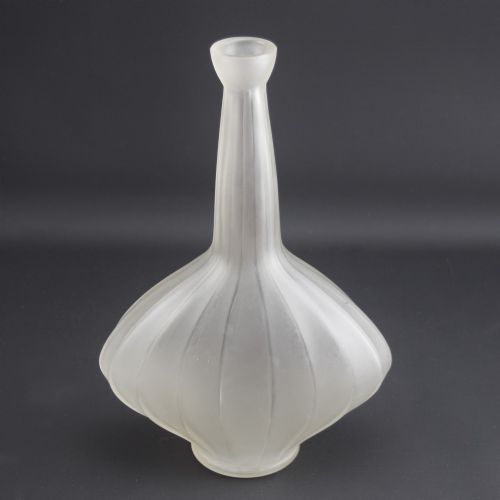
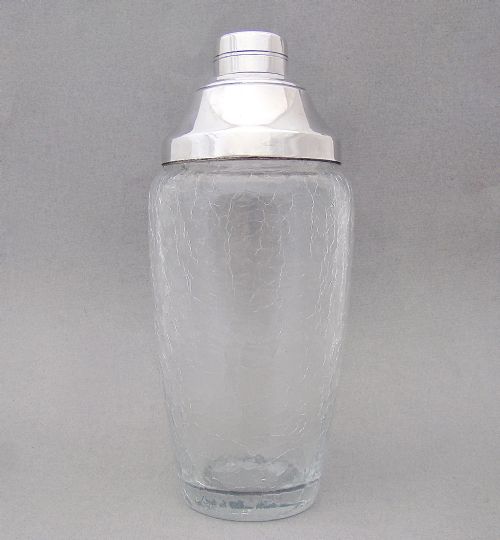
Glass elements depend on hand-blown techniques, cut crystal, crackle glass, and etched designs, frequently paired with metal mounts in gilt bronze or silver plate. Wooden components appear in framed liqueur boxes and Black Forest carved housing.
Listings feature items spanning the nineteenth century through the 1960s, constructed from silver plate, copper, cut crystal, and chrome.
Evaluating Quality and Execution
Quality rests upon the weight of the metal, the clarity of the crystal, and the crispness of decorative motifs applied by silversmiths and glassmakers. Pieces bearing identifiable maker marks or originating from renowned Parisian firms demonstrate superior craftsmanship.
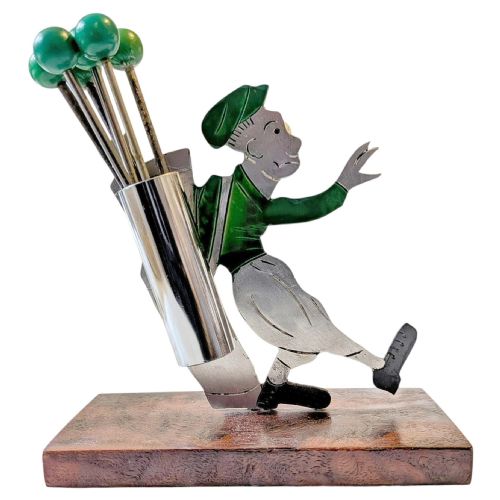
Design complexity and structural integrity distinguish standard utility items from luxury tier pieces, such as novelty cocktail sets with figural handles or multi-part shakers with integrated reamers. The preservation of original surface finishes and matching components dictates the standing of each vessel.
Christofle·Rene Lalique·Maison Barra·Victor Saglier·Hermes·Luc Lanel·Sudre
The Antique French Barware Glossary
- Cave à liqueur
- A fitted wooden box containing a set of decanters and liqueur glasses, often lined with velvet or brass inlay.
- Silver plate
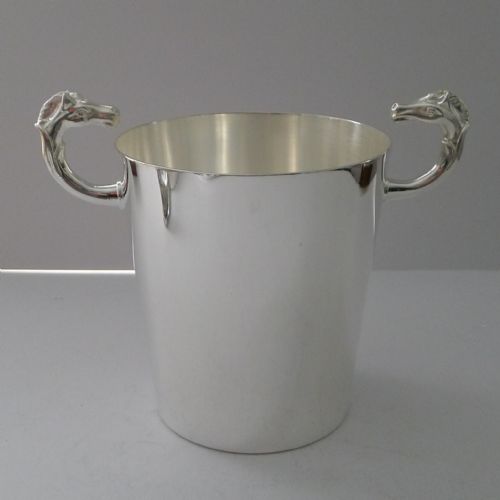
- A base metal coated with a thin layer of silver, commonly used for nineteenth and twentieth-century champagne buckets and trays.
- Vermeil
- Sterling silver plated with a heavy layer of gold, providing a rich yellow surface sheen.
- Engine turned
- A mechanical engraving technique that produces intricate, precise geometric patterns across a metal surface.
- Cut crystal
- Glass with a high lead content shaped by deep incisions that refract light across faceted surfaces.
Antique French Barware: Frequently Asked Questions
What is a cave à liqueur?
A cave à liqueur is a portable wooden cabinet fitted to securely hold glass decanters and small stemware. These containers were designed to lock, safeguarding expensive spirits in nineteenth-century drawing rooms.
Examples incorporate fine exterior woodwork, including Black Forest carvings or polished veneers, protecting the matched glassware housed inside.
Were silver plated wine coolers used daily?
Silver plated wine coolers and champagne buckets served both domestic dining rooms and high-end French bistros. Households utilised these vessels during formal meals to maintain beverage temperatures at the table.
Sturdy construction in heavy silver plate allowed everyday handling while retaining a polished appearance for guests.
What distinguishes Baccarat crystal barware?
Baccarat crystal stands out through exceptional glass clarity, weight, and deep hand-cut facets that catch the ambient light. Pieces from this French manufacturer often incorporate signature moulding or precise wheel cutting.
The density of the crystal produces a resonant ring when struck lightly, separating it from standard pressed glassware.