
Antique French Art Vase
An antique french art vase brings together the fluid organic lines of the turn of the century and the bold geometric rhythms of the interwar years.
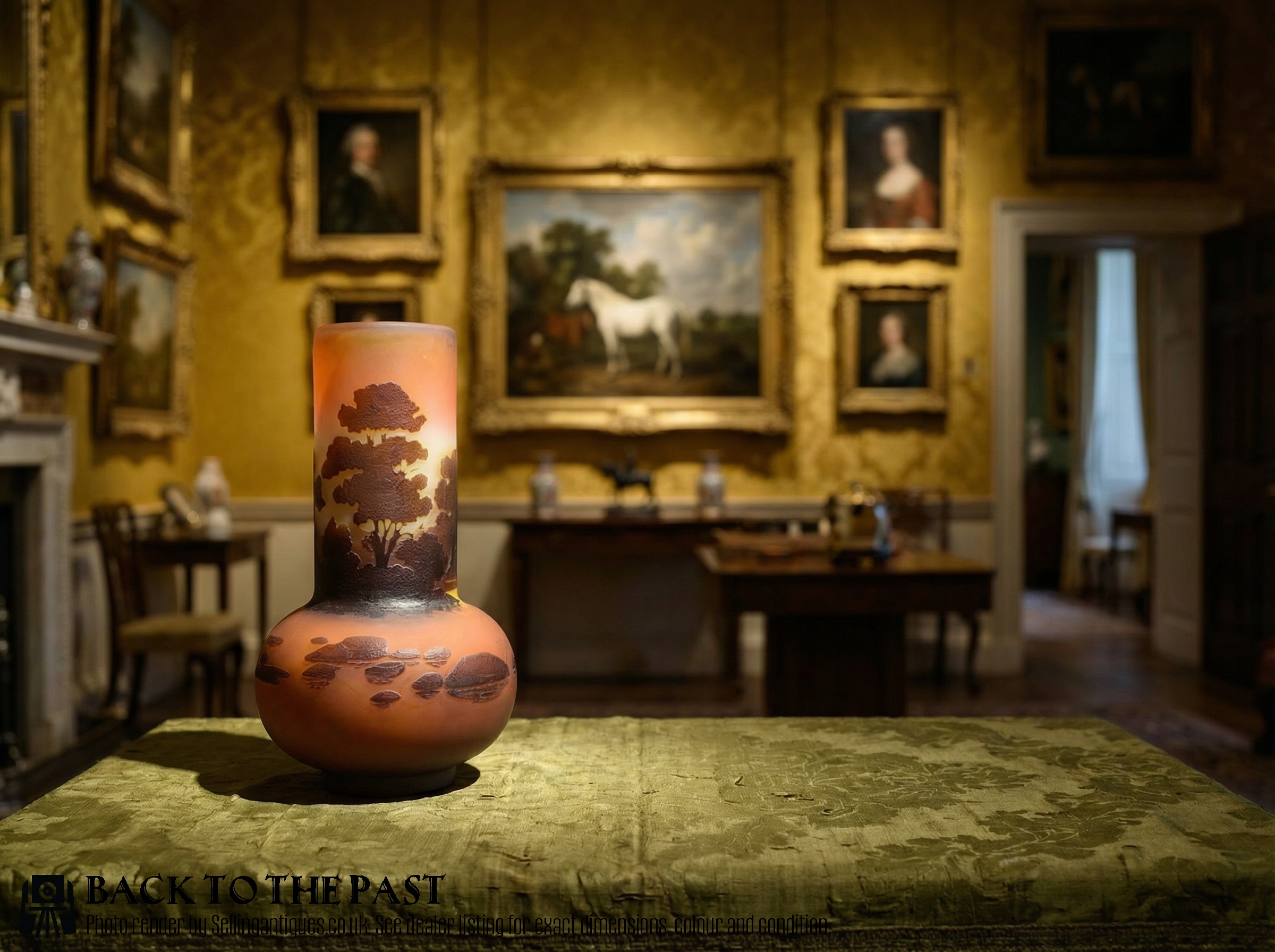
Antique French Art Vase
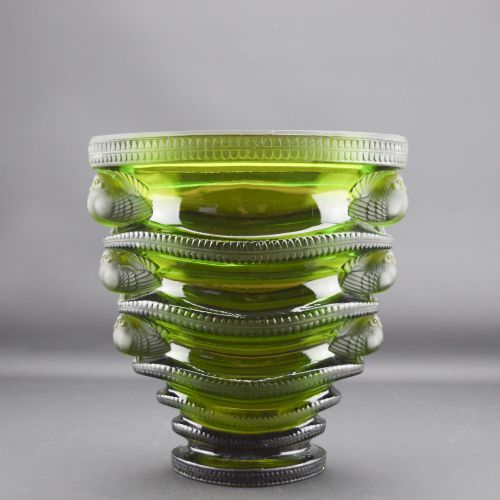
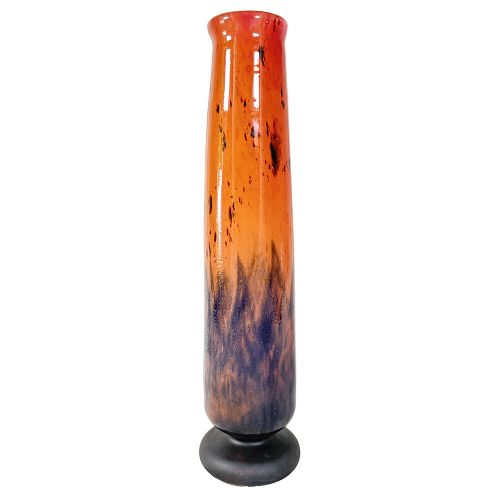
When you search for an antique french art vase, you encounter works spanning from the late nineteenth century through to the middle of the twentieth, with a strong concentration of pieces originating from the Art Nouveau and Art Deco periods. These vessels take many forms, from tall slender display cylinders and footed bowls to heavy crystal centrepieces and handled jars.
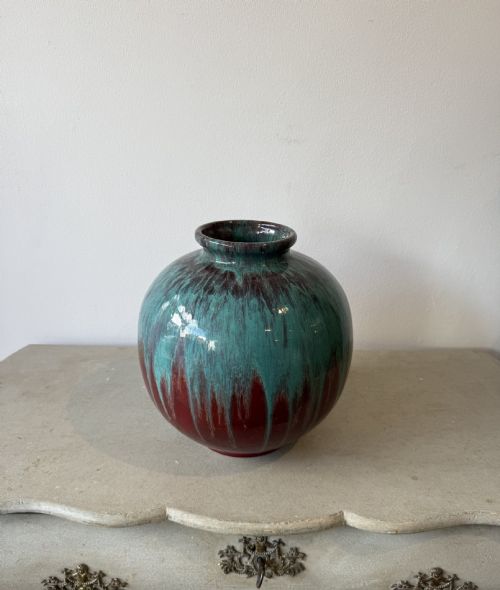
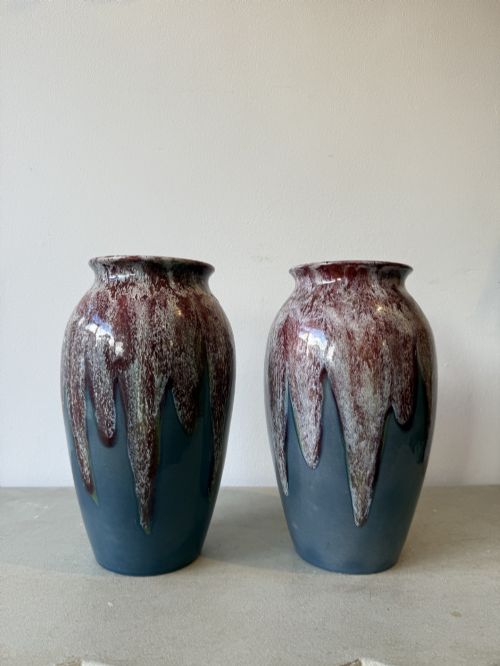
The objects on this page reflect the output of renowned glassworks, potteries, and metalworkers operating in France. Alongside the dominant glass vessels etched with floral and landscape motifs, you find ceramic pieces, faience, and bronze or copper works bearing the distinct stylistic markers of their respective decades.
How they were made
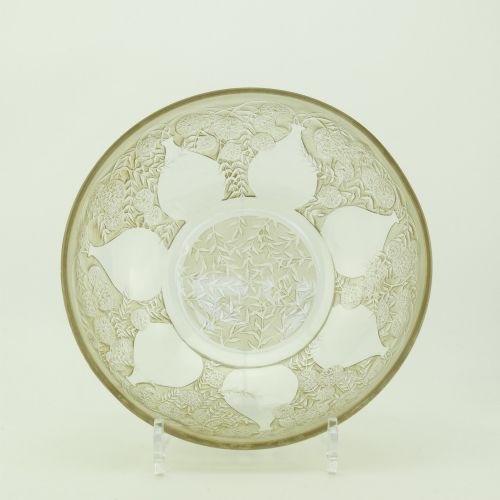
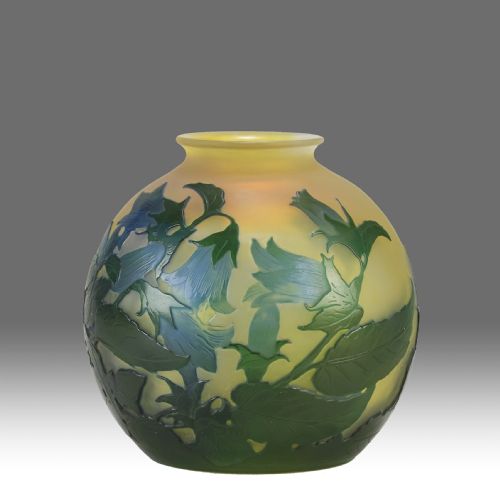
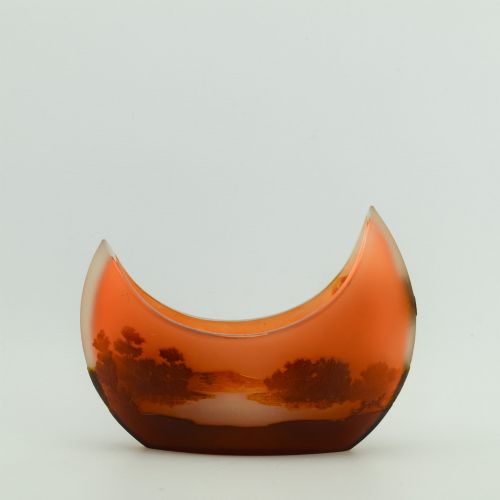
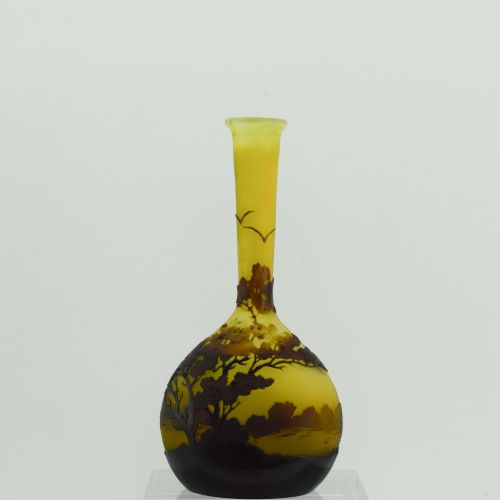
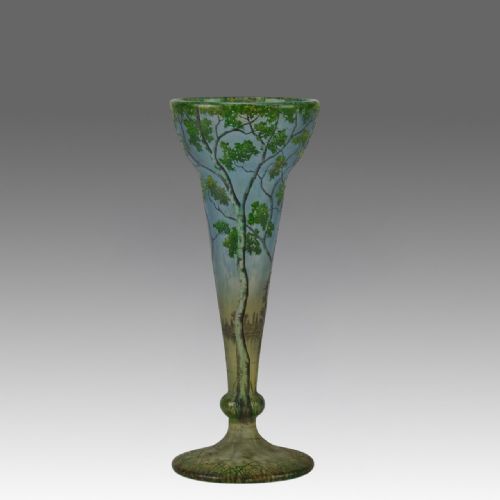
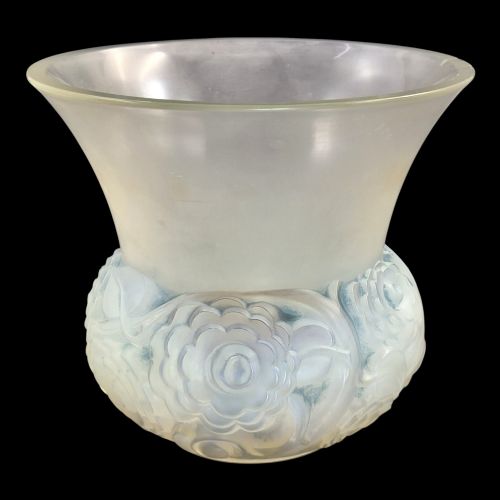
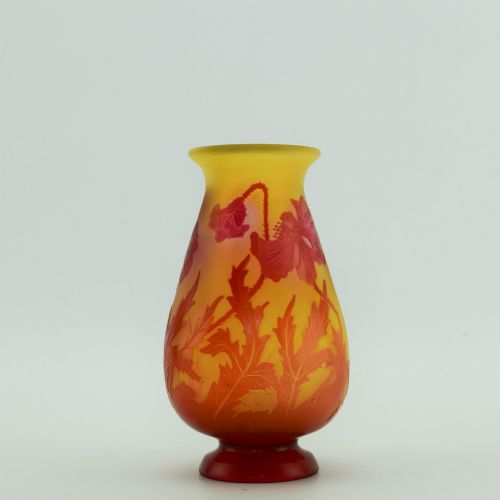
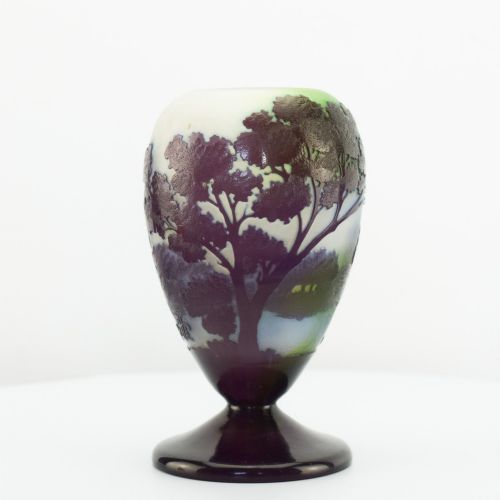
Makers utilised specialised glass techniques such as cameo carving, acid-etching, and the pressing of opalescent or frosted crystal to achieve depth and texture. Cameo glass vessels involved fusing multiple coloured layers of glass before carving or etching away the exterior to reveal contrasting landscape or floral designs.
Ceramic and metal pieces employed techniques including pate de verre moulding, enamel painting, and wrought iron mounting. Artisans applied gold enamel details by hand onto clear and coloured glass, whilst bronze and copper vessels utilised casting and patination methods typical of French workshops.
French makers captured everything from alpine campanulas to tiny ships in glass and pottery.
What varies in quality
The distinction between ordinary and exceptional pieces rests upon the crispness of the execution and the depth of the material. In cameo and etched glass, superior examples display meticulous undercut relief and precise tonal gradations that give the botanical or landscape motifs a lifelike presence.
Signature placement and the integration of metal mounts also define the upper tier of the range. Works bearing clear signatures from major French houses or designers demonstrate a superior standard of studio finish, whereas unsigned or attributed pieces often show simpler surface decoration and less ambitious moulding.
Rene Lalique·Emile Gallé·Daum Frères·Amalric Walter·Legras·Schneider
The Antique French Art Vase Glossary
- Cameo Glass
- A vessel formed from multiple fused layers of coloured glass, then carved or acid-etched to create a raised design in relief against a contrasting background. This demanding technique defined much of the finest French output at the turn of the twentieth century.
- Pate de verre
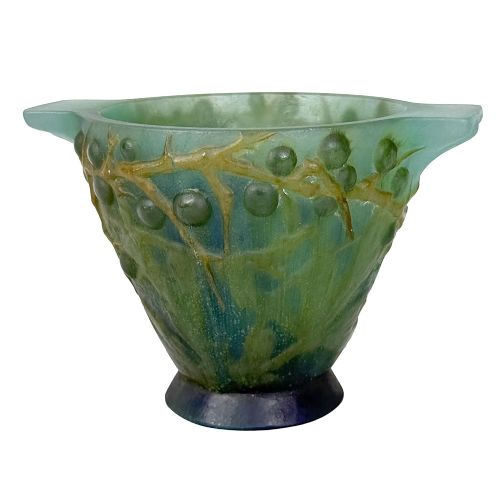
- A method of glass casting where finely crushed glass is mixed with a binder, packed into a mould, and fused in a kiln. The resulting objects possess a characteristic frosted texture and mottled translucency.
- Opalescent Glass
- Glass formulated to display a milky, milky-blue or pearlescent glow when lit from certain angles. Makers utilised this optical effect to highlight moulded relief details on decorative bowls and vases.
- Acid-Etched
- A method of decorating glass surfaces by applying acid to eat away exposed areas, creating frosted or textured patterns without physical carving. It allowed workshops to produce complex floral and geometric repeats efficiently.
- Faience
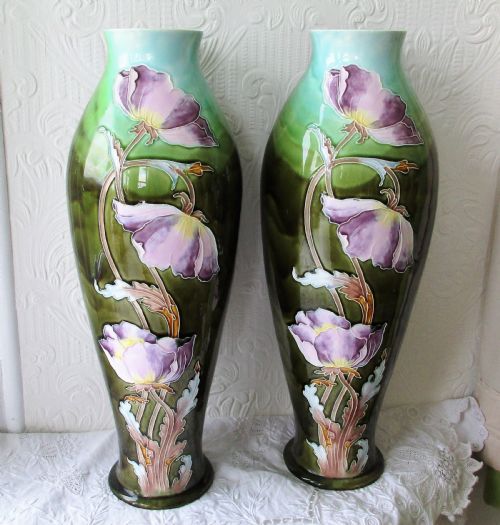
- Tin-glazed earthenware decorated with coloured ceramic glazes, often featuring hand-painted botanical or folk motifs. These pieces offer a matte, opaque alternative to polished crystal and bronze.
Antique French Art Vase: Frequently Asked Questions
How do I clean an antique glass vase?
Wash the vessel gently by hand using lukewarm water and mild soap, avoiding harsh scrubbing brushes or abrasive detergents that might damage enamel details or delicate patination.
Dry the piece immediately with a soft, lint-free cloth to prevent water spots from forming on the glass surface.
Are all pieces signed by the maker?
Many works bear an etched, moulded, or enamelled signature, but a significant number of authentic period pieces carry only a faint mark or remain entirely unsigned.
Attribution for unsigned items typically relies on documented forms, colour palettes, and distinct technical characteristics recorded in studio archives.
How can I tell Art Nouveau from Art Deco?
Art Nouveau designs feature flowing, asymmetrical lines inspired by natural forms such as flowers, vines, and insects. These pieces date predominantly from the decades leading up to the First World War.
Art Deco works favour strict symmetry, bold geometric patterns, and stylized representations of flora and fauna, reflecting the modern aesthetics of the interwar period.
Can these vases hold water for fresh flowers?
Whilst heavy crystal and thick art glass vessels can safely hold water, pieces featuring delicate enamel work, metal mounts, or porous ceramic bodies require extra caution.
Using a small inner liner or avoiding prolonged water contact helps preserve vulnerable surface decorations and prevents internal staining.