





Antique Framed Stipple Print
An antique framed stipple print offers delicate dot-work portraiture and classical scenes preserved behind glass within period timber frames.
Antique Framed Stipple Print
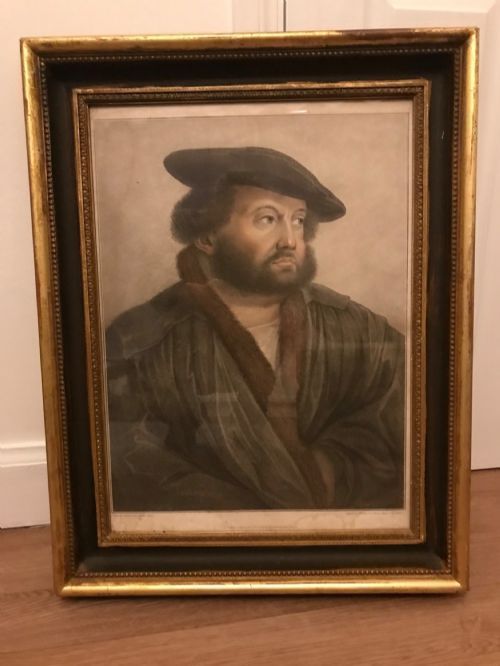
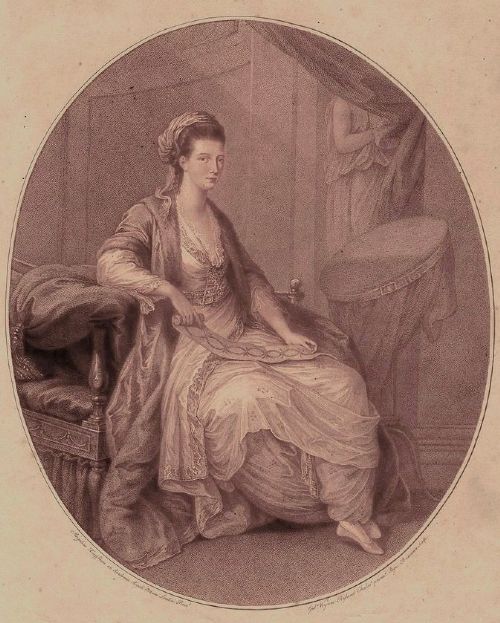
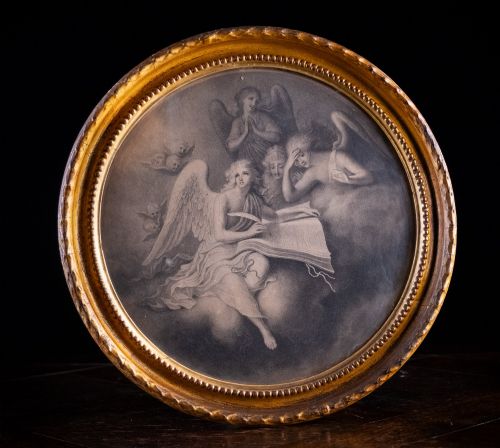
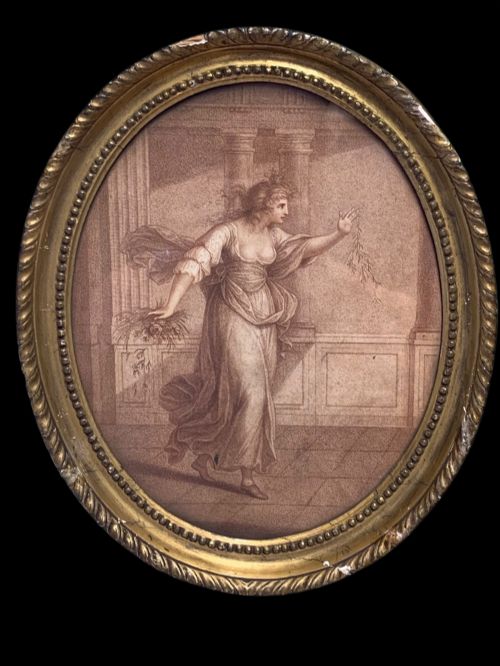
An antique framed stipple print represents a detailed method of engraving where images are built using tiny dots rather than continuous lines, creating soft tones and subtle gradients. The examples available here span the eighteenth century, the Regency era, and later revivals, capturing portraits, classical allegories, and domestic scenes.
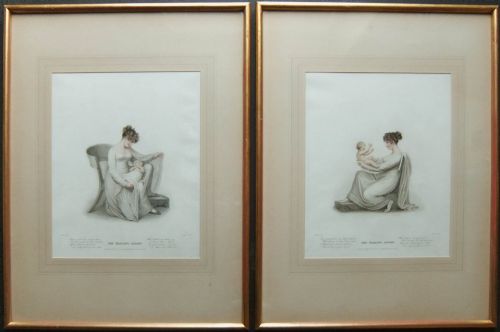
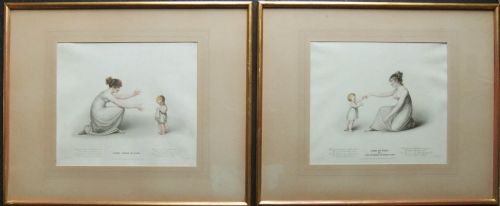
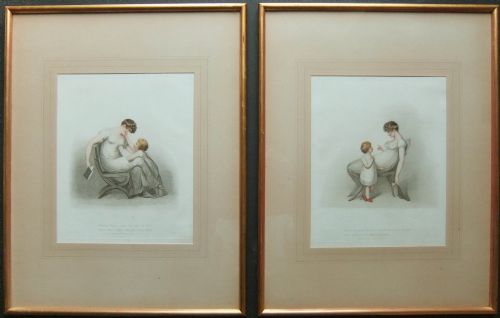
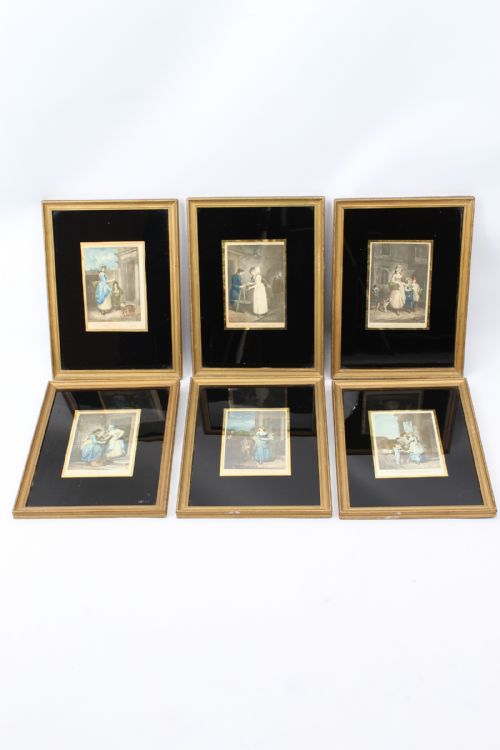
Most pieces you encounter combine ink on paper with period frames constructed from wood, giltwood, or gold leaf. Certain examples also feature hand-colouring applied directly over the printed image, introducing subtle hues to dresses and backgrounds.
Subjects range from individual likenesses of historical figures and naval officers to pairs and sets depicting sentimental domestic themes or street vendors. These works frequently arrive ready to hang, housed within traditional mouldings such as Hogarth frames.
How they were made
Makers produced these works by stippling copper plates with etching needles and roulette tools, punching clusters of dots of varying depth to hold ink. Once printed onto paper, occasionally silk, the sheets were placed beneath glass and secured inside timber frames.
Finishing touches often included delicate hand-colouring with watercolour washes applied over the monochrome stipple foundation. Gilders then housed the completed sheets within wooden frames finished in giltwood or gold leaf.
Listings feature works from the eighteenth century, Regency period, and early twentieth-century revivals, utilising paper, ink, and giltwood.
What varies in quality
The fineness of the dot pattern dictates the clarity of expression and subtlety of shadow across the subject's face. Impressions pulled early from a fresh plate display crisp tonal transitions, whereas worn plates yield softer, muddier details.
The integrity of the original frame and mount contributes significantly to the character of the piece. Period frames retaining their early gilding or Hogarth profiles elevate the presentation compared to later replacements.
Francesco Bartolozzi·Adam Buck·E. Jackson Stodart
The Antique Framed Stipple Print Glossary
- Stipple engraving
- A printmaking technique using dots to render tone and texture rather than lines. This method allows for subtle shading particularly suited to flesh tones.
- Giltwood
- Wood that has been coated with a thin layer of gold leaf or gilt. It provides a bright, reflective border to works on paper.
- Neoclassical
- A style drawing inspiration from classical antiquity, prevalent in the eighteenth and early nineteenth centuries. It appears frequently in the subject matter of these prints.
- Hand-coloured
- A print finished with applied watercolour by hand after the printing process. This adds individual colour variation to otherwise uniform impressions.
Antique Framed Stipple Print: Frequently Asked Questions
How do I care for my framed print?
Keep the piece away from direct sunlight to prevent the ink and paper from fading over time. Maintain a stable room temperature to protect both the paper and the wooden frame from moisture damage.
Use a dry, soft cloth to dust the glass gently. Avoid applying liquid cleaners directly onto the glass, as moisture can seep beneath the frame edge and harm the paper.
Are these prints original to their frames?
Many eighteenth and nineteenth-century prints remain in their period surrounds, such as early Hogarth frames or giltwood mouldings. Examining the backboards, fixings, and timber oxidation helps determine if the framing is contemporary with the print.
Some pieces have been reframed during their history to better preserve fragile paper. A matched period frame still complements the age and style of the engraving.
What subjects are most common?
Portraits of historical figures, naval officers, and literary characters appear frequently among eighteenth-century examples. Domestic sentimental scenes, children, and street vendor series also form a large part of the available selection.
Classical subjects featuring figures from mythology provide another recurring theme. Pairs and complete sets relating to specific artists remain particularly collectible.
How can I tell the age?
Paper characteristics, plate marks, and the style of the engraving provide primary clues to the period. Handmade paper with watermarks typically points towards eighteenth or early nineteenth-century production.
Frame construction, backing materials, and old handwritten inscriptions on the reverse offer further dating evidence. Comparing the technique to known dated works by publishers helps narrow the timeframe.