
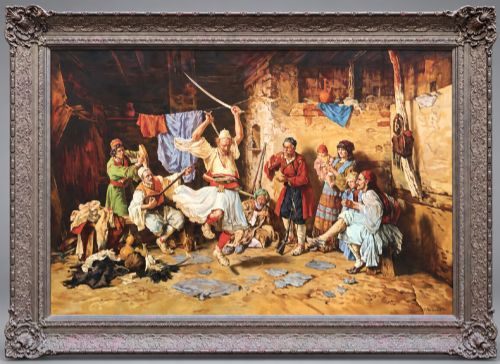
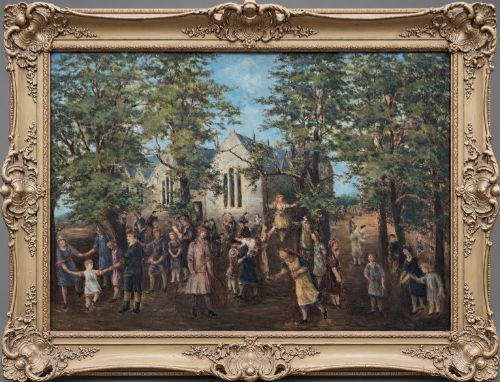
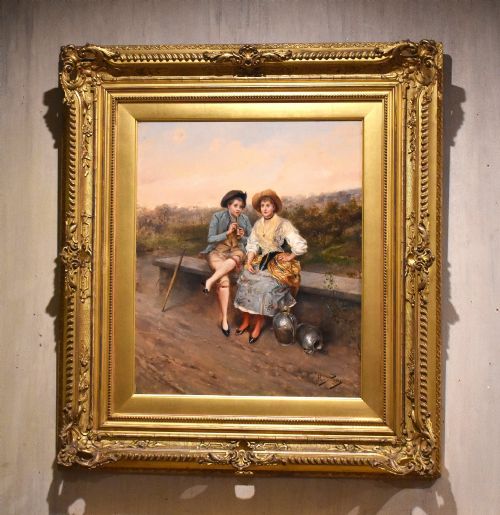
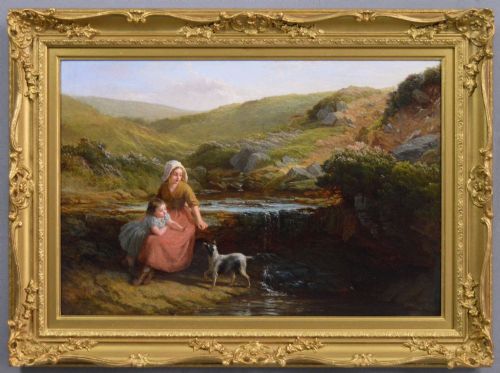
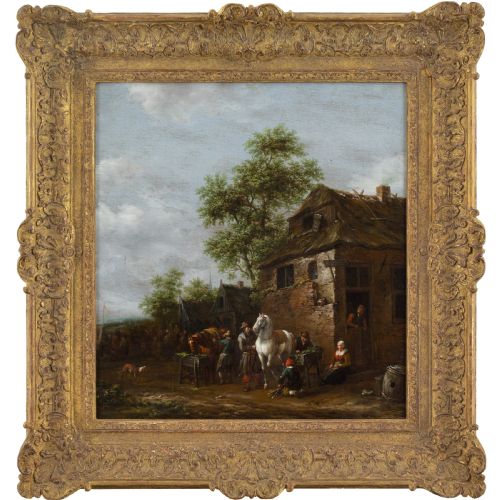
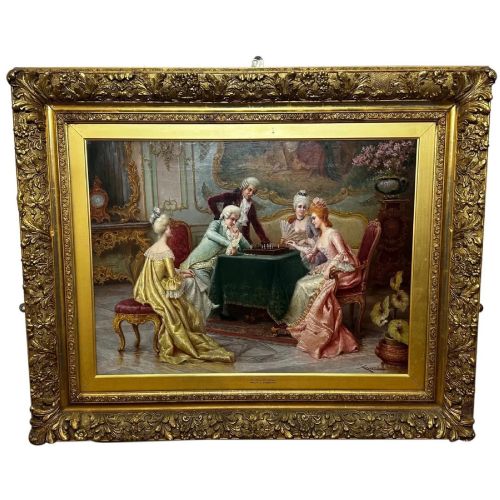
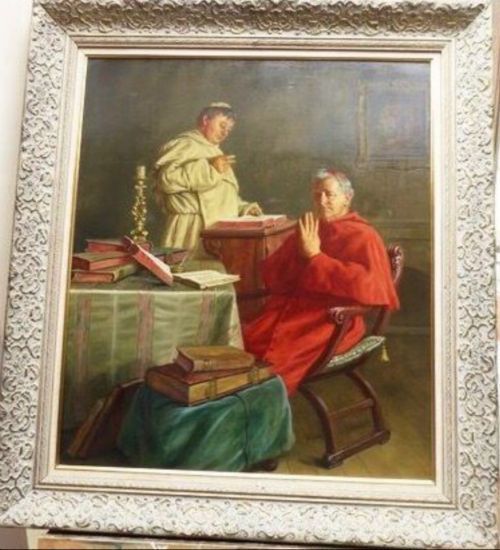
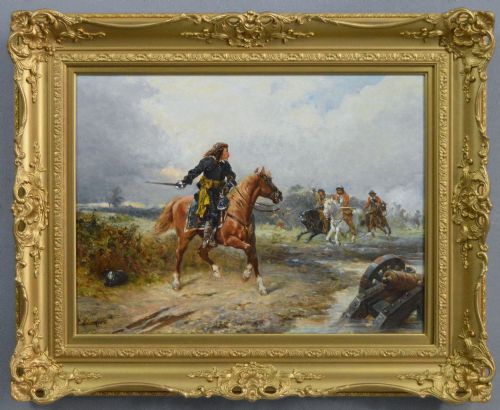

Antique Framed Genre Artwork
Antique framed genre artwork brings domestic scenes, quiet interiors and daily narratives into the room through Victorian and nineteenth-century oils and watercolours.
Antique Framed Genre Artwork
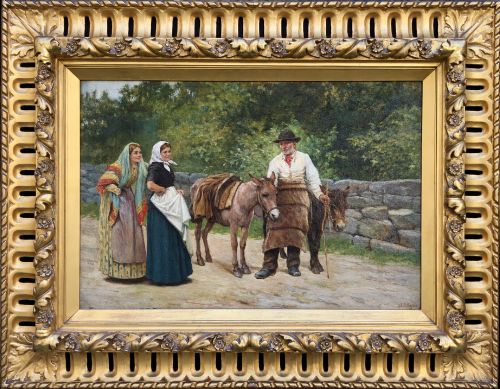
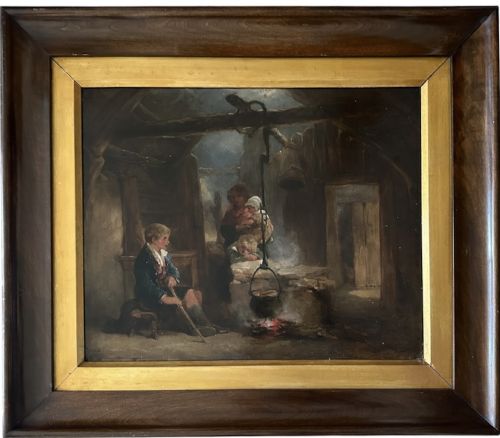
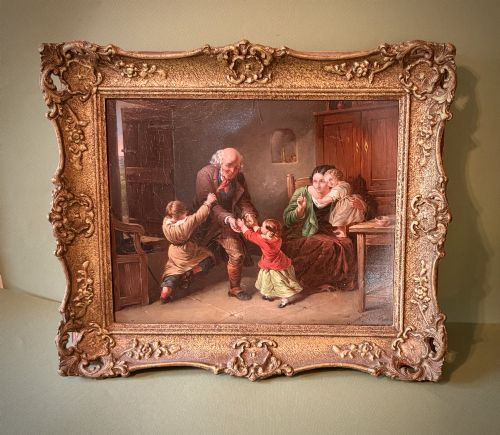
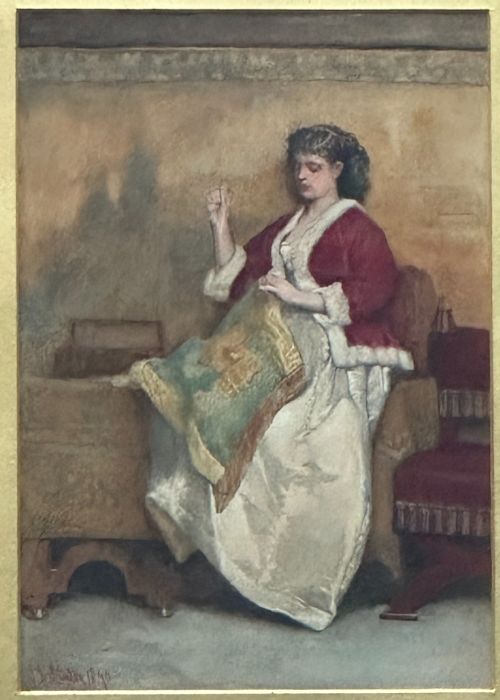
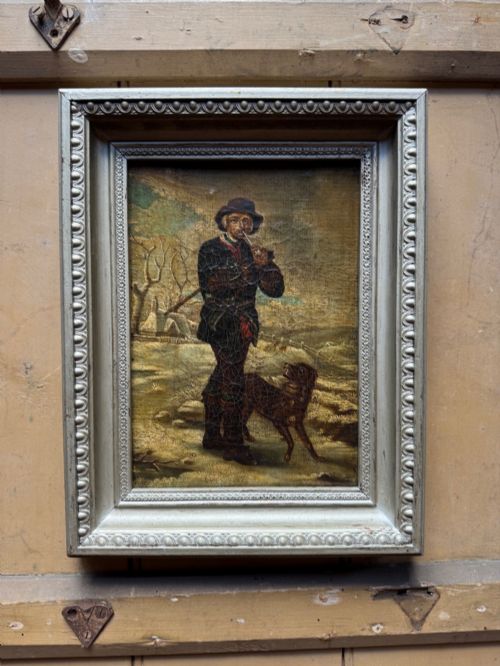
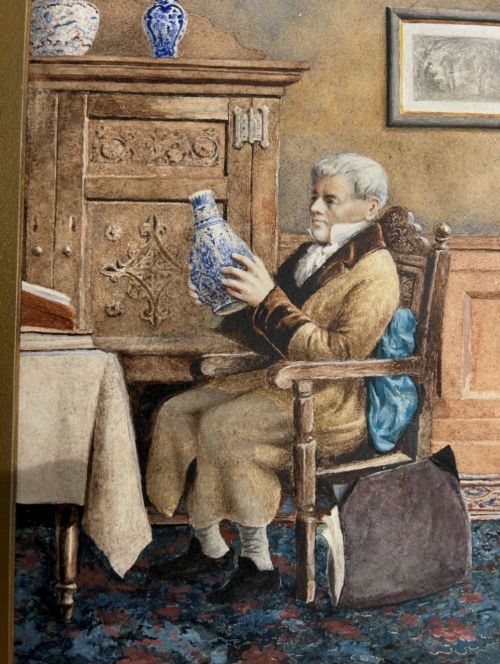
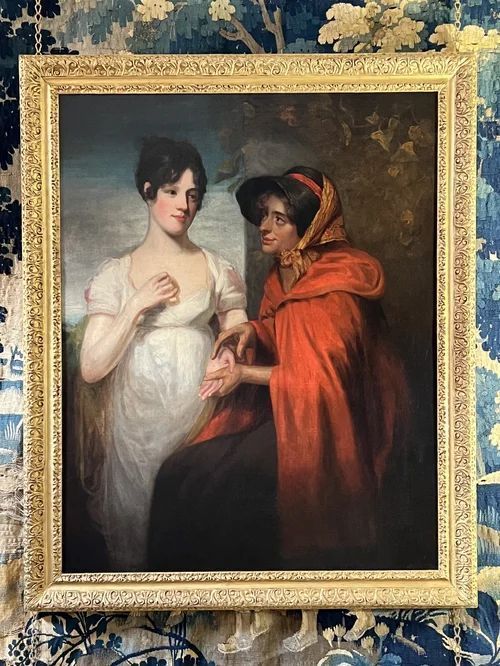
Antique framed genre artwork captures everyday life, domestic interiors and narrative scenes through oil paintings, watercolours and engravings. These pieces record human moments, from quiet hours by a window to children playing or figures resting by the sea.
The selections here span the Victorian era, the nineteenth century and the early twentieth century, drawing from British, French, Dutch and Italian schools. Buyers encounter both small cabinet watercolours and monumental social history oil paintings.
Common subjects include domestic interiors, children, animals, farm workers and social gatherings. Each work preserves a slice of historical daily life within its original period framing.
How they were made
Artists painted primarily in oil on canvas or panel, or applied watercolour pigments to paper, using traditional nineteenth-century techniques to build depth and light. Canvases are stretched over wooden frames, whilst watercolours are protected beneath glass.
Frames are constructed from wood and ornamented with gesso, then finished with gold leaf or giltwood to accentuate the artwork. The materials reflect the period standards of Victorian and continental framing workshops.
Listings feature works spanning the nineteenth century, the Victorian era, and the early twentieth century, created using oil on canvas, watercolour on paper, and wood.
What varies in quality
Quality rests in the handling of the subject, the precision of brushwork and the expressiveness of the figures within the scene. Works by established named artists display greater mastery of light, shadow and composition than anonymous studio pieces.
The integrity of the original framing, whether giltwood or gesso, contributes significantly to the standing of the piece. Conservation of the canvas or paper surface also defines the preservation standard of the artwork.
Felix Stone Moscheles·Sir James Dromgole Linton·Valentine T. Garland·Stephen Samuel Lewin·Vittorio Reggianini·Mark William Langlois·Alfred Lyndon Grace·Howard Helmick·Adelaïde Salles-Wagner·Max Kaltenmoser·George Augustus Holmes·James Hamilton·Hendrik Valkenberg·Bernard De Hoog·Renato Moretti
The Antique Framed Genre Artwork Glossary
- Genre painting
- Depiction of aspects of everyday life by portraying ordinary people engaged in common activities. These works focus on narrative and social context rather than portraiture or landscape.
- Gesso
- A plaster-like mixture applied to wooden frames as a base for moulding ornamental details before gilding. It provides the smooth foundation necessary for crisp decorative carving.
- Giltwood
- Wood that has been covered with a thin layer of gold leaf or gold paint. This finish creates the characteristic metallic lustre seen on traditional picture frames.
- Social realism
- An artistic movement that highlights the everyday conditions of the working classes and the poor. These paintings often carry a narrative about contemporary social issues.
- Watercolour
- Painting method in which the paints are made of pigments suspended in a water-based solution. Artists use this medium on paper to achieve translucent layers of colour.
Antique Framed Genre Artwork: Frequently Asked Questions
What is genre artwork?
Genre artwork depicts scenes from everyday life, featuring ordinary people in domestic, street or rural settings. These pieces tell stories about human activity rather than recording specific historical events.
Subjects range from children feeding animals and workers resting to quiet household interiors. The focus remains on the narrative and the mood of the moment.
How do I date these paintings?
Dating relies upon artist signatures, exhibition labels, canvas stamps and stylistic markers typical of the nineteenth century or the Victorian period. Costume, interior decoration and subject matter also offer clues to the decade of creation.
Frames can help confirm the era, as framing styles shifted from heavy Victorian gesso ornaments to simpler profiles in later decades.
Where should I hang them?
These artworks suit studies, living rooms and hallways where lighting can be controlled to prevent direct glare on oil varnishes or watercolour glass. Medium-sized pieces work well paired together or hung as a focal point above a mantelpiece.
Ensure the wall space supports the weight of the wooden and giltwood frames safely away from damp areas or direct heat sources.
Are watercolours fragile?
Watercolours on paper are sensitive to direct sunlight, which can fade pigments over time. They require framing behind glass with appropriate mounts to keep the paper surface from touching the glazing.
Keeping them in rooms with stable humidity levels protects both the paper support and the surrounding wooden frame.