


Antique Frame Moulding
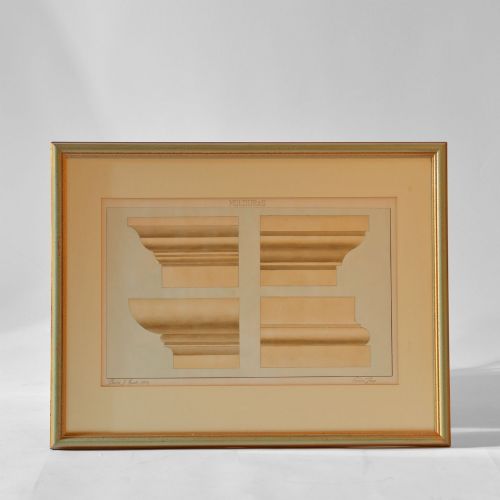
These antique frame moulding pieces span centuries of decorative timber and gesso craftsmanship, offering authentic borders for paintings and mirrors.
Antique Frame Moulding
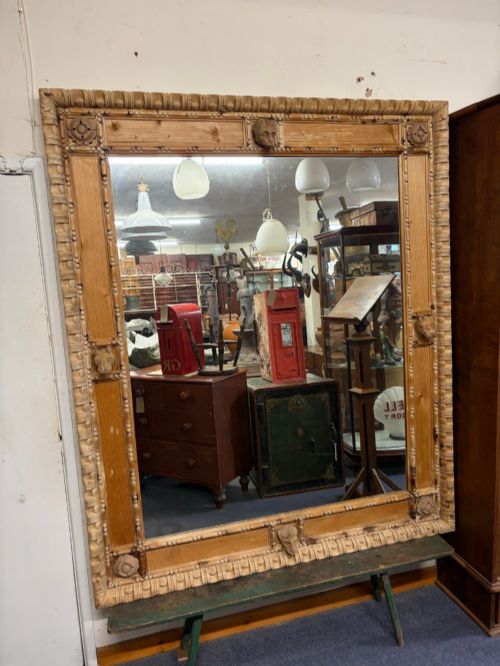
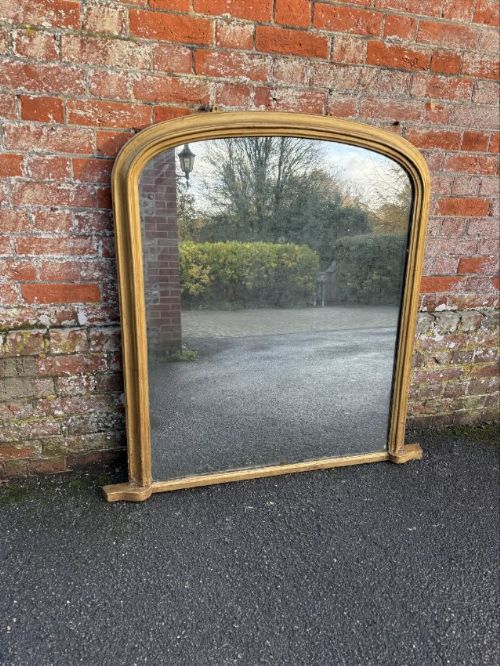
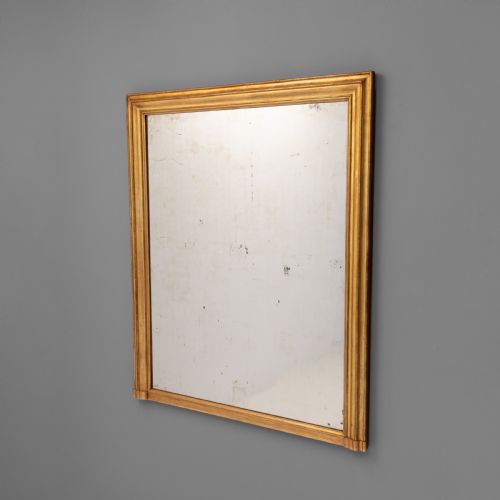
An antique frame moulding selection encompasses timber frameworks, decorative edgings, and complete mirror surrounds originating from the seventeenth to the early twentieth century. Buyers often encounter Victorian and nineteenth-century European profiles designed to house wall art, portraits, and overmantle mirrors.
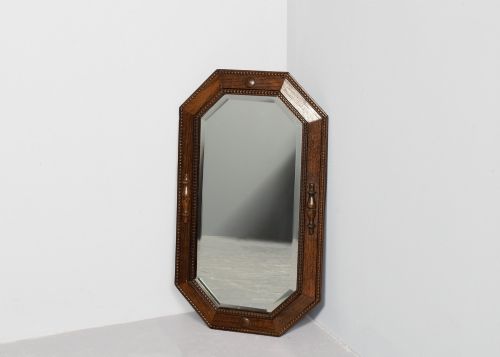
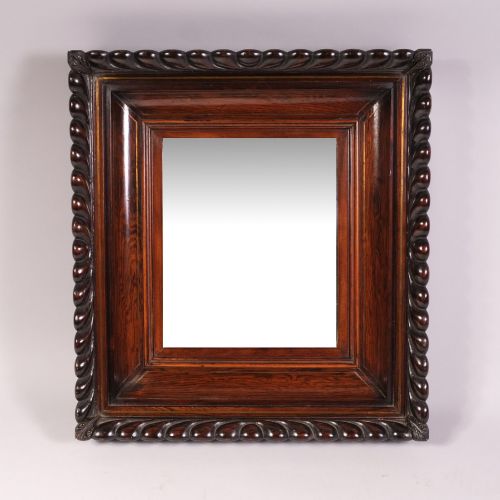
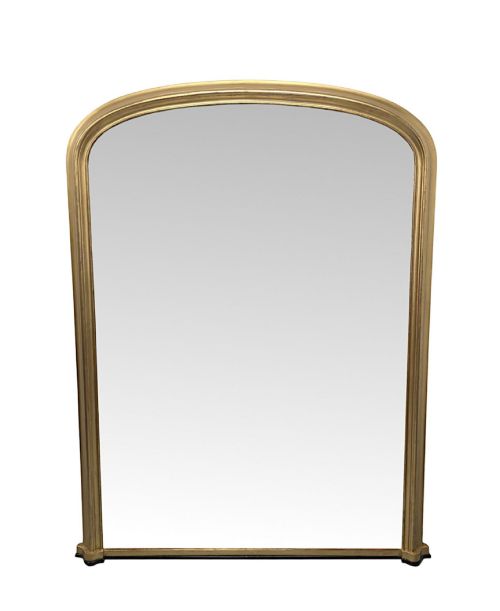
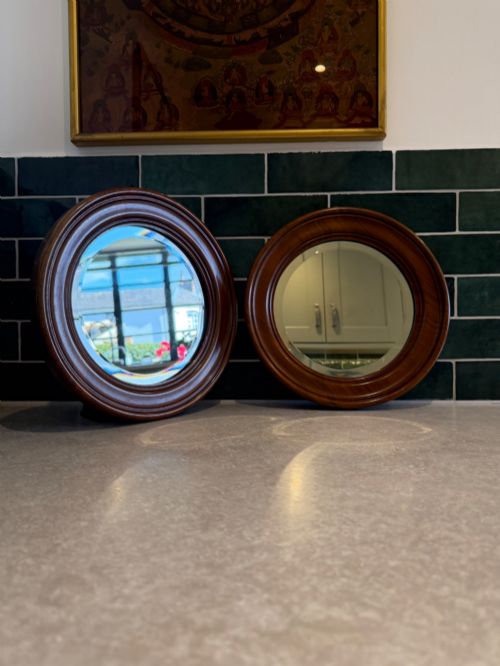
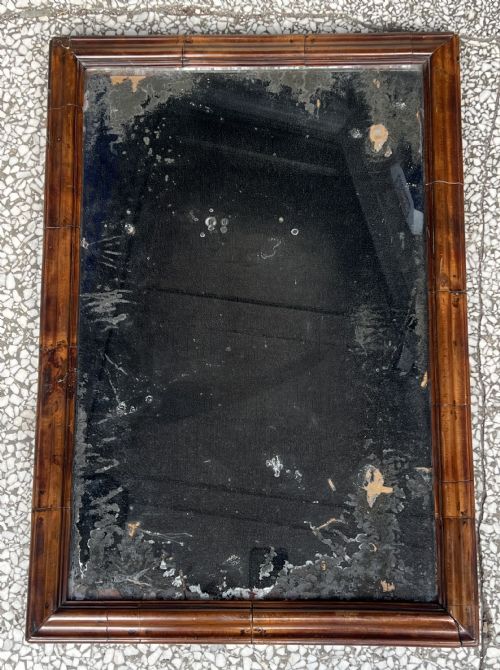
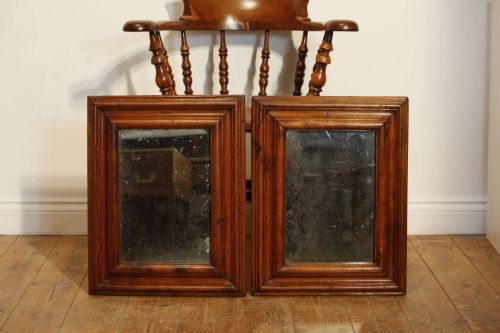
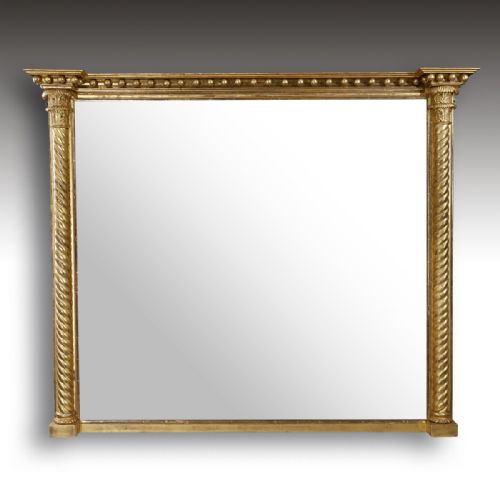
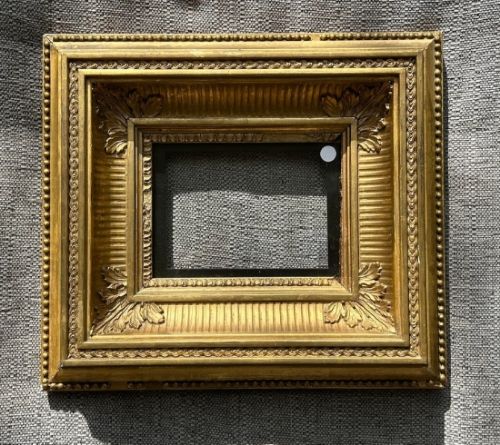
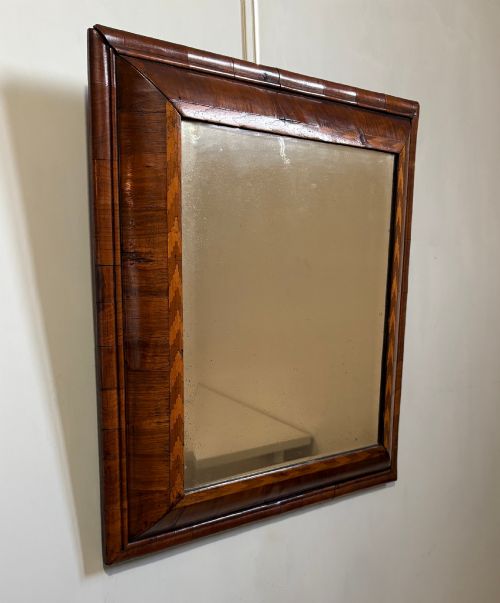
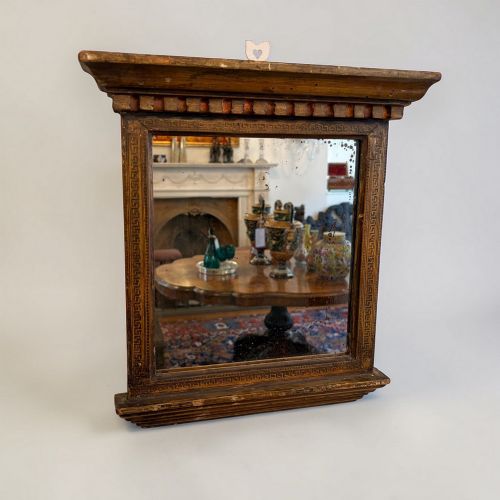
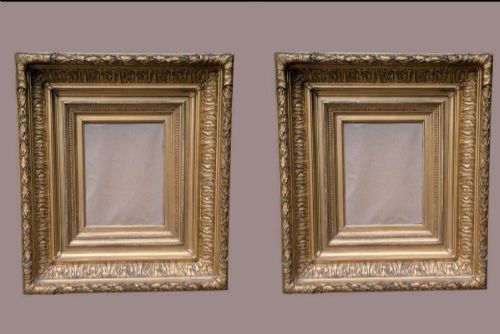
The objects on this page vary from deep giltwood picture frames to walnut and mahogany wall mirrors, alongside specialised forms such as ripple frames and faux tortoiseshell surrounds. These pieces function both as structural housings for paintings and as standalone architectural wall decorations.
Materials and Construction Techniques
Carpenters and artisans relied on native and exotic timbers including walnut, mahogany, and maple as the primary structural foundations for these mouldings. These wooden bases were frequently shaped with carved details or geometric ripple profiles.
Gesso and gold leaf applications provided the luminous finish seen on giltwood and silver-gilt examples, often combined with cast plaster ornaments. Makers also utilised brass and glass elements to construct specialised bistro mirrors and framed decorative plaques.
Antique Frame Moulding Retail Price Guide 2026
Typical asking prices for frame moulding among the pieces listed under this phrase on Sellingantiques today, from the lower quarter to the upper quarter. They describe what is for sale here now, not the wider market.
Materials recorded across the selection include walnut, mahogany, gesso, giltwood, brass, and mirror glass.
Assessing Quality and Execution
Superior examples demonstrate crisp definition in hand-carved woodwork and the skillful application of gesso ornament, whereas lesser pieces show blunt edges and heavy-handed modern restorations. The depth of the profile and the preservation of original gilding significantly elevate the visual presence of a moulding.
Material selection dictates longevity, with dense hardwoods and well-keyed gold leaf withstanding the passage of time far better than inferior composite substitutes. Artisanal execution in decorative elements like egg and dart beadings separates standard production runs from exceptional workshop outputs.
Sherwin and Cotton
The Antique Frame Moulding Glossary
- Gesso
- A plaster-like mixture applied to wood surfaces to create a smooth base for gilding or painting. This material is frequently moulded into relief decoration.
- Giltwood
- Timber carved and subsequently covered with thin layers of gold leaf or metal powder. It forms the lustrous surface characteristic of many formal mirrors.
- Ripple frame
- A profile characterised by undulating, concentric wave patterns carved directly into the timber or built up from mouldings. It gained popularity in seventeenth and nineteenth-century European workshops.
- Verre eglomise
- A cold decoration technique where designs are painted and gilded on the reverse side of glass panels. This process appears frequently in Regency mirror surrounds.
- Parcel-gilt
- A finishing method where only specific portions of an object are highlighted with gold leaf while the underlying wood remains visible.
Antique Frame Moulding: Frequently Asked Questions
What is an antique frame moulding?
An antique frame moulding is a decorative border or structural surround fashioned from timber, gesso, or metal during earlier centuries. These pieces were built to frame oil paintings, portraits, and wall mirrors.
Today, they are collected both for framing historic artwork and for display as decorative architectural elements in their own right.
How do I date an antique frame?
Dating relies on observing the underlying timber, the composition of the gesso, and the specific decorative style associated with periods like the Georgian or Victorian eras.
Examining the corner joints, tool marks, and the ageing of the gold leaf or mirror glass provides further confirmation of the manufacturing decade.
Can I use these frames for modern mirrors?
Many antique frame mouldings and mirror surrounds accommodate new mirror glass or modern canvas stretchers without altering the historic structure.
Careful measurement of the rebate depth ensures that contemporary contents fit securely within the antique wooden housing.
How should I care for giltwood?
Giltwood and gesso surfaces require gentle dusting with a soft brush and protection from direct sunlight and excessive moisture.
Avoiding liquid cleaners preserves the delicate gold leaf and prevents the underlying plaster foundation from softening over time.