
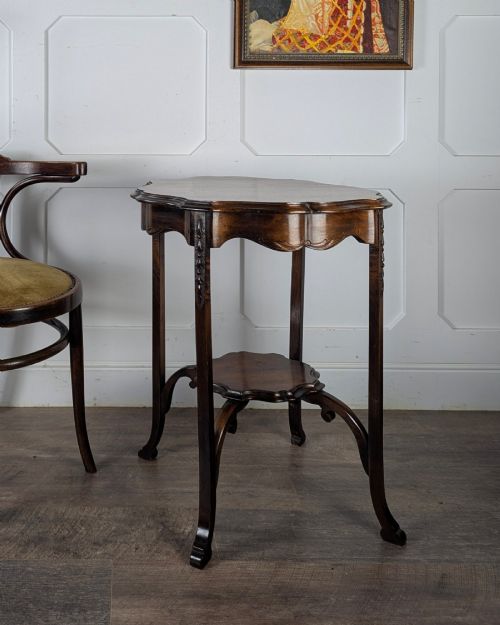
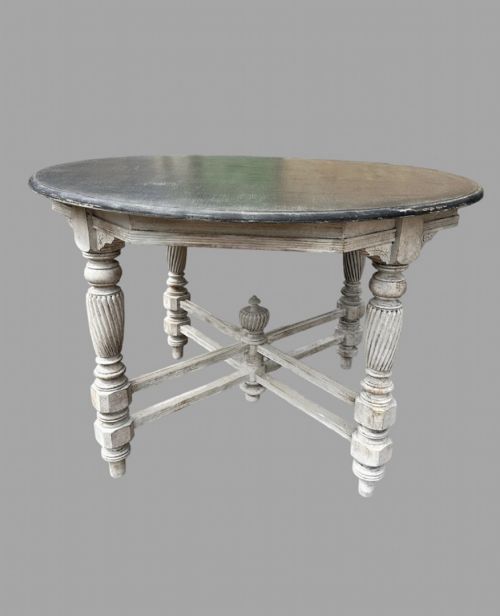
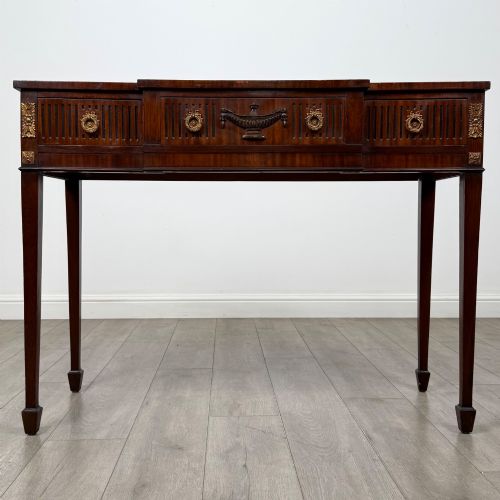
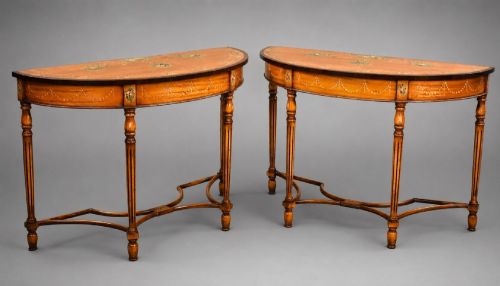
Antique Foyer Side Table
Step up to an antique foyer side table, a versatile surface spanning the eighteenth to twentieth centuries designed to anchor an entrance hall with character.
Antique Foyer Side Table
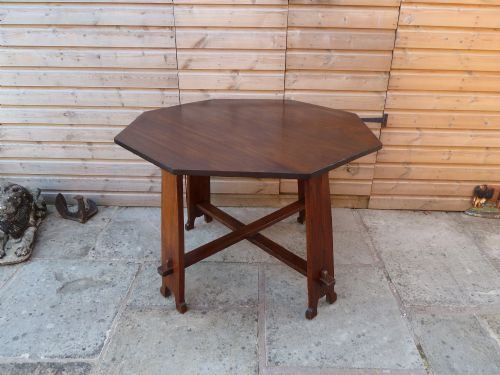
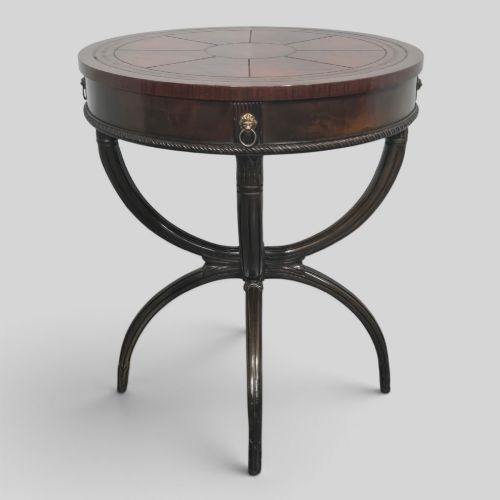
When you search for an antique foyer side table, you encounter console tables, hall tables, centre tables, and side tables designed for transitional spaces. These pieces emerge from periods spanning the eighteenth century through the Art Deco era of the nineteen-thirties, crossing Regency, Victorian, and Edwardian aesthetic movements.
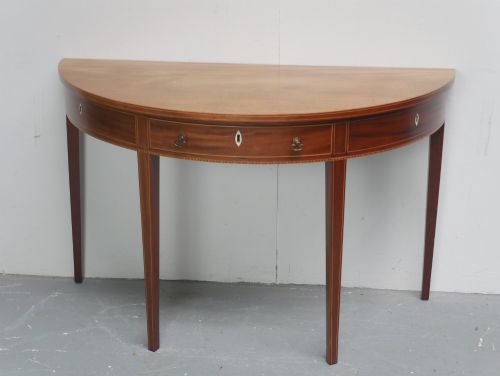
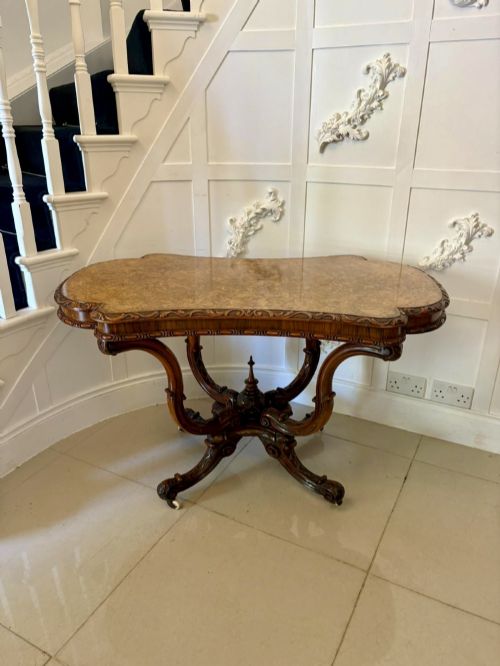
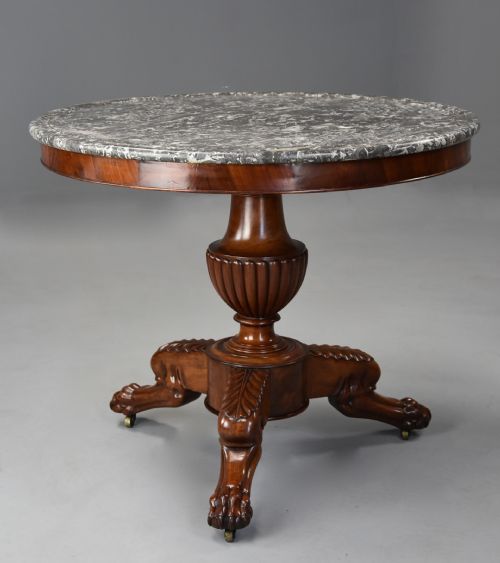
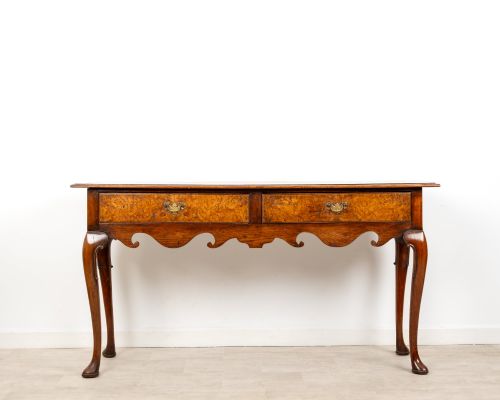
The forms vary significantly, including demi-lune shapes, rectangular console tables, freestanding centre tables, and wall-mounted cabinets. Mahogany, walnut, and rosewood dominate the structural woods, frequently accompanied by marble tops and giltwood frames.
Materials and construction
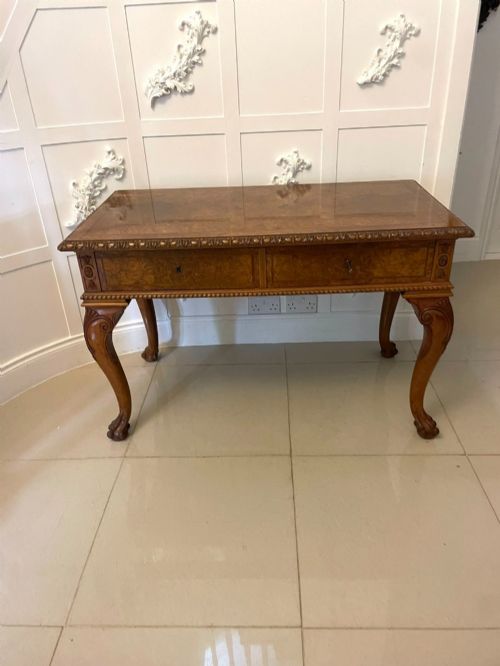
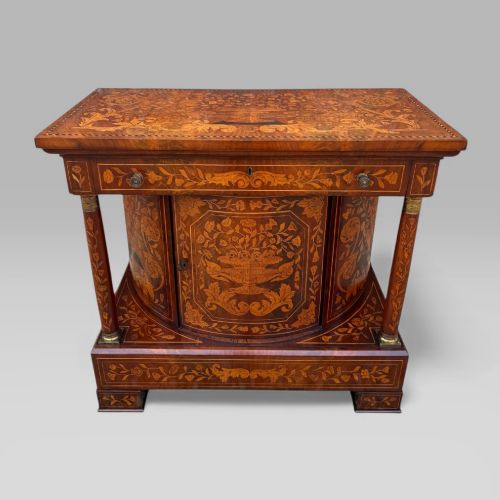
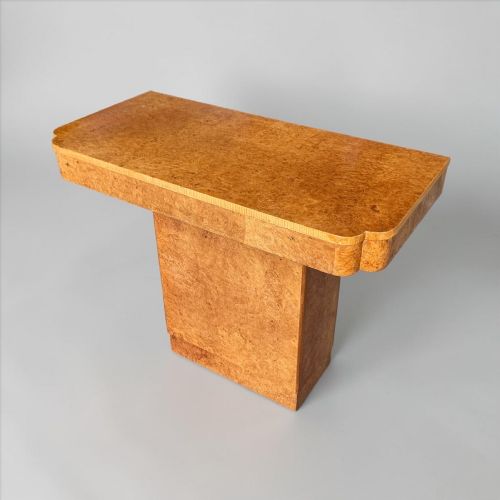
Cabinetmakers utilised dense hardwoods such as mahogany, walnut, and burr walnut, often laid as veneers over stable secondary timbers to create rich figuration. Marquetry inlay work appears across select pieces, integrating contrasting woods in intricate floral or geometric patterns.
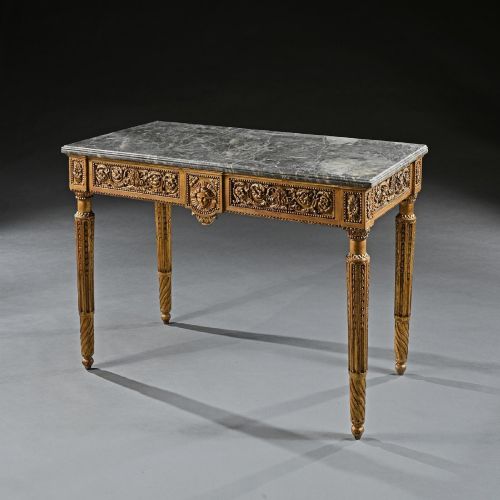
Surface treatments combine traditional French polishing with painted finishes, while heavier formal examples incorporate carved giltwood bases and heavy marble slabs including Siena and breccia varieties.
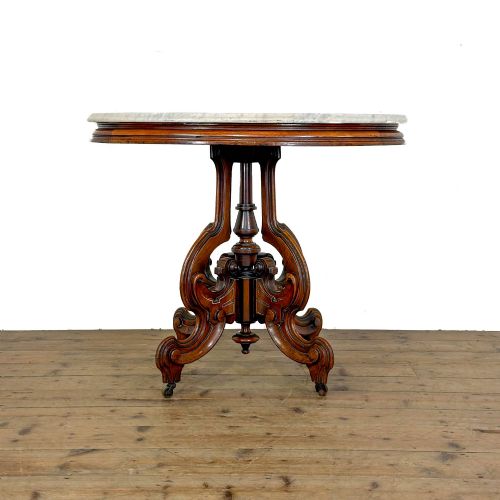
Some nineteenth-century tables feature marble tops heavy enough to test the resolve of any hallway rearrangement.
Markers of distinction
Quality rests in the depth of timber figure, such as the swirling grain found in burr walnut and figured mahogany. Superior examples display crisp hand-carving on giltwood or wooden frames rather than soft, moulded details.
The integration of original materials, including veined marble tops and matched marquetry panels, separates standard production from exceptional examples produced across the nineteenth and early twentieth centuries.
Hille·Shapland and Petter
The Antique Foyer Side Table Glossary
- Demi-lune
- Half-moon shape. These tables fit flat against an entryway wall to conserve floor space.
- Giltwood
- Wood covered with thin gold leaf. This finish creates a bright reflective surface on formal console bases.
- Marquetry
- Inlaid wood patterns. Artisans assemble small pieces of various coloured veneers to picture scenes or geometric designs.
- Gueridon
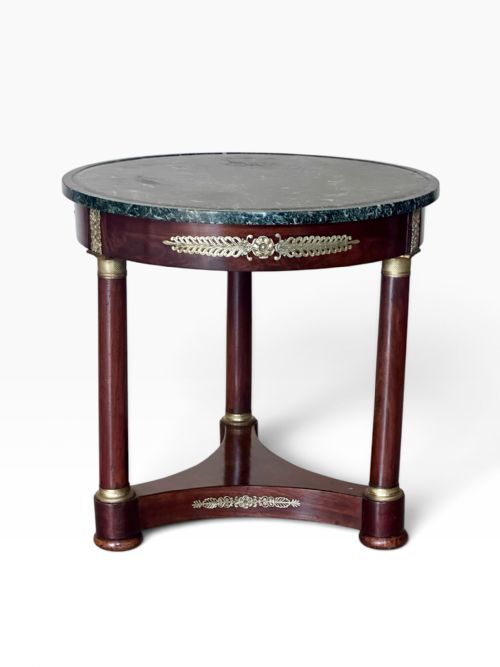
- A small French round table. These occasional pieces frequently feature central pedestals and marble tops.
Antique Foyer Side Table: Frequently Asked Questions
What distinguishes a console table from a side table?
Console tables historically sat against a wall, sometimes anchored to the structure, whereas side tables stood independently on four or more legs.
In modern usage, both terms describe narrow rectangular or curved tables suited for hallways and corridors.
How do I identify a Regency period table?
Regency tables date from the early nineteenth century and typically exhibit classical restraint, bold mahogany grains, and occasional giltwood or brass mounts.
They often incorporate architectural motifs drawn from ancient Greek and Roman design.
Are marble tops original to these tables?
Many nineteenth-century French and Italian console and centre tables were constructed specifically to carry heavy marble slabs, including white, veined, and breccia varieties.
These stone surfaces provided durable protection against moisture and daily use in entrance foyers.
Where should I place a demi-lune table?
The flat back edge allows demi-lune tables to sit flush against an entrance wall without obstructing traffic flow.
They occupy minimal depth while offering a surface for lamps, correspondence, and decorative objects.