


Antique Foyer Furniture
Antique foyer furniture encompasses grand entrance tables and reception seating crafted in mahogany, rosewood and oak across the eighteenth and nineteenth centuries.
Antique Foyer Furniture
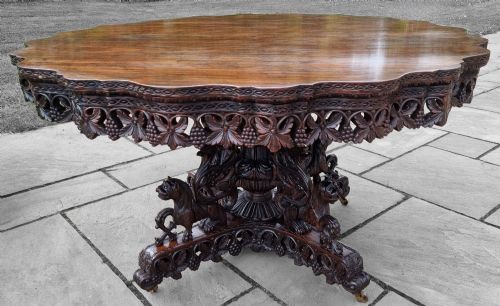
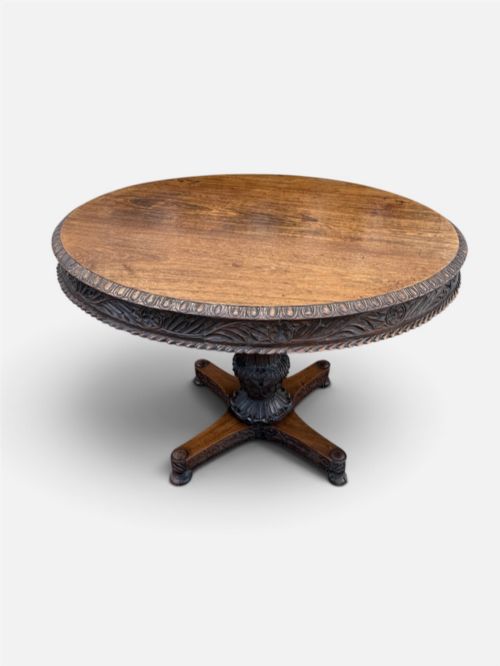
When buyers search for antique foyer furniture, they encounter striking centre tables, console tables, and sturdy hall chairs designed to make an immediate impression in an entrance hall. These pieces establish the character of a reception space through distinct periods ranging from the Georgian era through the Victorian decades.
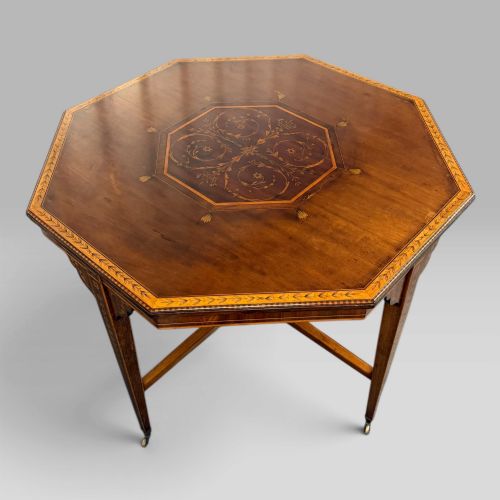
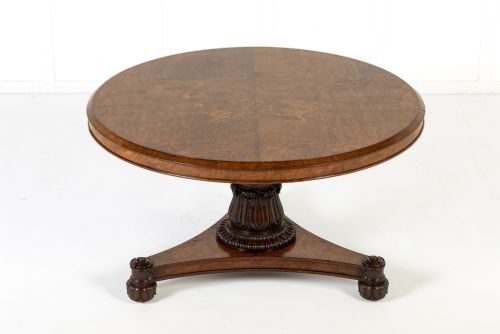
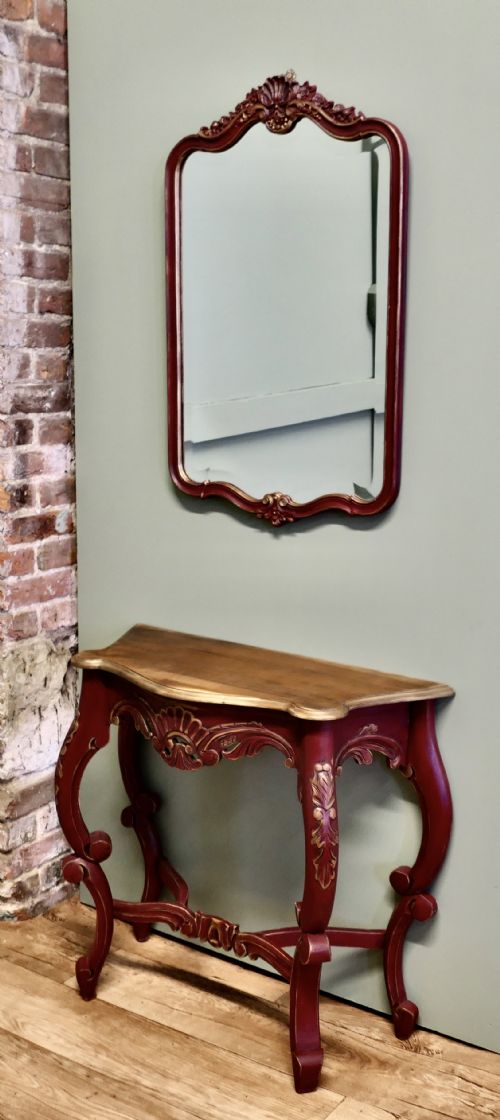
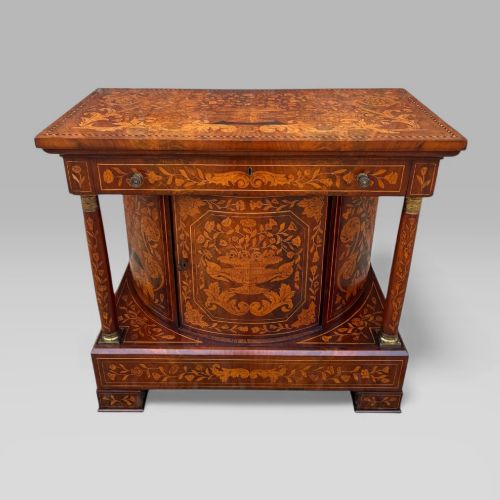
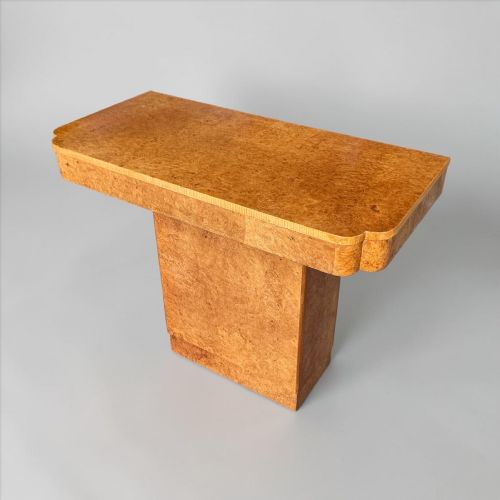
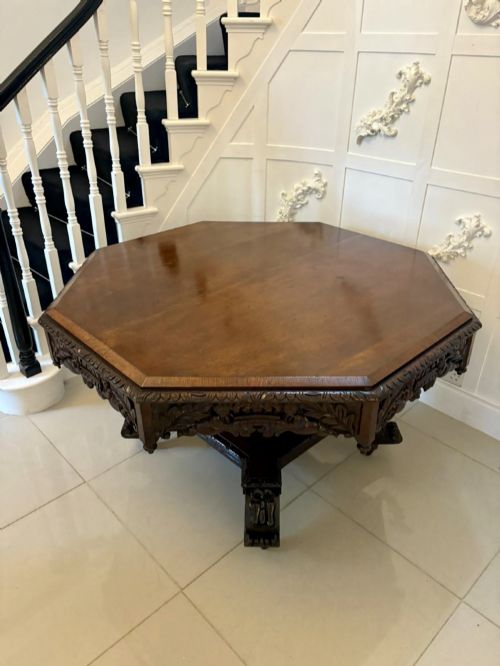
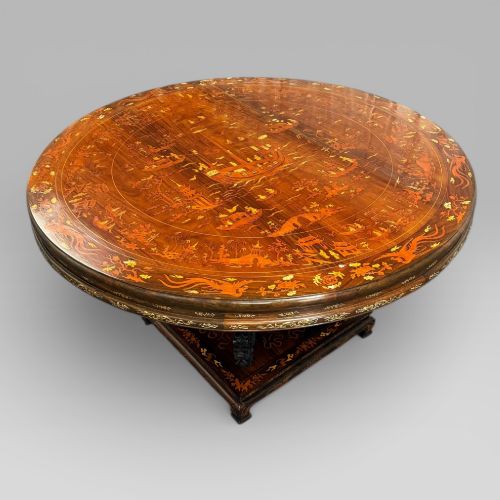
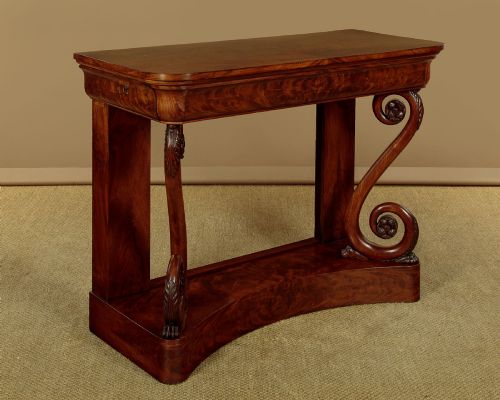
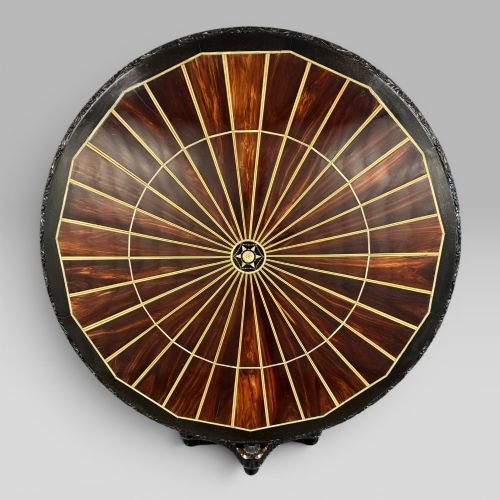
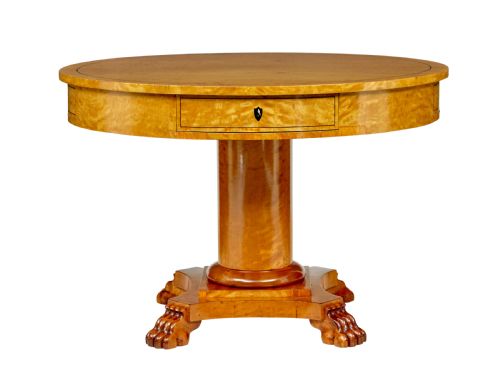
Centre tables in round, octagonal, or tilt-top forms dominate the selection, often positioned as the focal point of a large hallway. Console tables and wall cabinets offer practical surface space against entrance walls, frequently paired with matching mirrors.
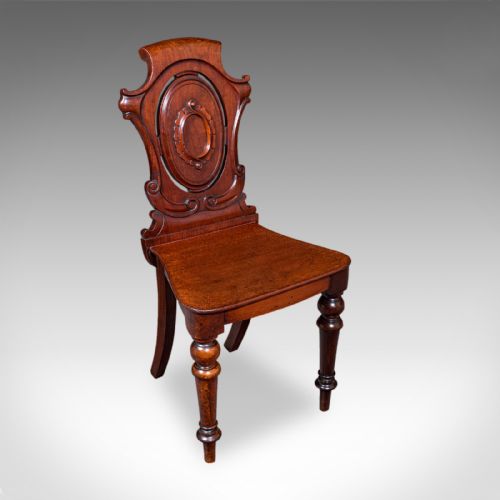
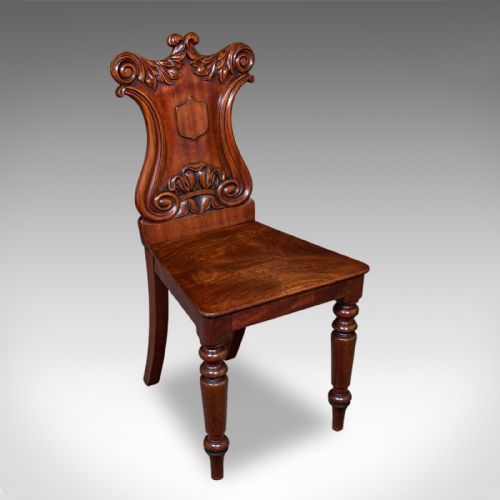
Hall chairs complete the category, providing formal reception seating in walnut, mahogany, and carved oak. Scottish and Irish regional variations appear alongside English, French, and Anglo-Indian interpretations.
Materials and construction methods
Cabinet makers utilised dense timbers such as mahogany, rosewood, walnut, and oak as the foundational structures for tables and chairs. Exotic woods like calamander, coromandel, satinwood, and padauk appear alongside marquetry veneers and elaborate ebonising.
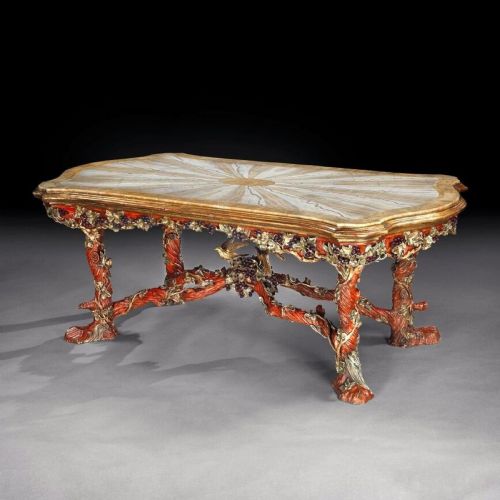
Surface decoration relies on skilled joinery, brass mounts, ormolu, and inset breccia marble tops supported by carved pedestals, lion's paw feet, and barley twist columns. Gilding and intricate wood inlay define the more elaborate tables from the nineteenth century.
Antique Foyer Furniture Retail Price Guide 2026
Typical asking prices for foyer furniture among the pieces listed under this phrase on Sellingantiques today, from the lower quarter to the upper quarter. They describe what is for sale here now, not the wider market.
Listings feature eighteenth-century and nineteenth-century pieces spanning Victorian, Regency, and French Empire styles.
Distinctions in quality
The refinement of carved detail and the choice of timber establish the primary division between standard utility items and exhibition pieces. Makers employing dense exotic woods, intricate marquetry, and heavy marble tops achieved a higher standard of craftsmanship.
Structural integrity, the crispness of carved woodwork, and the retention of original surface patination separate exceptional examples from simpler vernacular pieces. The integration of matching elements, such as console tables with original wall mirrors, elevates the standing of a group.
Edwards & Roberts·Peters of Genoa·Egan Workshop·Holland & Sons
The Antique Foyer Furniture Glossary
- Centre table
- A freestanding table designed to be viewed from all sides, commonly placed in the middle of a large entrance hall.
- Console table
- A table fixed or placed against a wall, frequently fitted with a marble top and supported by elaborate front legs.
- Hall chair
- A rigid wooden seat with a high back, intended for reception areas and often carved with family crests or coats of arms.
- Marquetry
- Decorative veneer work arranged in pictorial or geometric patterns using various coloured woods.
- Ormolu
- Gilded bronze used for decorative mounts and furniture ornamentation, popular in French and revival designs.
- Tilt-top table
- A table with a hinged top that pivots vertically to save space when not in use.
Antique Foyer Furniture: Frequently Asked Questions
What is antique foyer furniture?
Antique foyer furniture comprises large tables and chairs designed for entrance halls and reception spaces. These items date primarily from the eighteenth and nineteenth centuries.
Common forms include centre tables, console tables, and carved hall chairs made from woods like mahogany, rosewood, and oak.
How were centre tables used?
Centre tables stood in the middle of spacious hallways to hold decorative items, card trays, or floral arrangements. Their freestanding design allowed guests to walk around them upon entry.
Some variants featured tilt tops or built-in writing slopes for functional convenience in a grand hallway.
Where should I place a console table?
Console tables sit flat against an entrance wall, taking up minimal floor space while providing a useful surface for keys and post. They often pair with a matching wall mirror above.
Their placement grounds the hallway visually and establishes the decorative theme of the interior.
How do I identify Victorian hall chairs?
Victorian hall chairs feature solid timber construction, typically in mahogany, walnut, or oak, with high carved backs. They prioritize architectural presence over upholstered comfort.
These chairs frequently display shield backs, turned legs, or crest carvings suited for formal reception rooms.