



Antique Forest Art
These pieces gather woodland life, rural scenes and forest craft into carved timber, oil paintings and woven tapestries.
Antique Forest Art
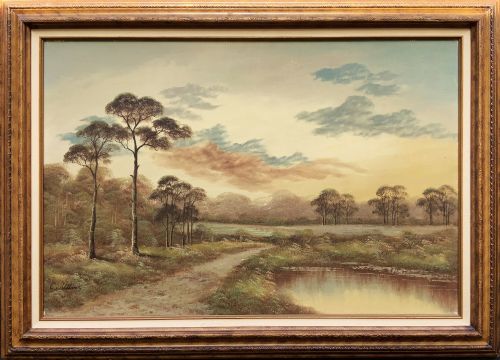
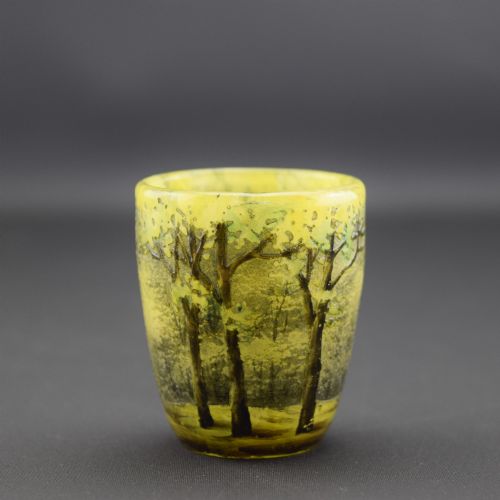
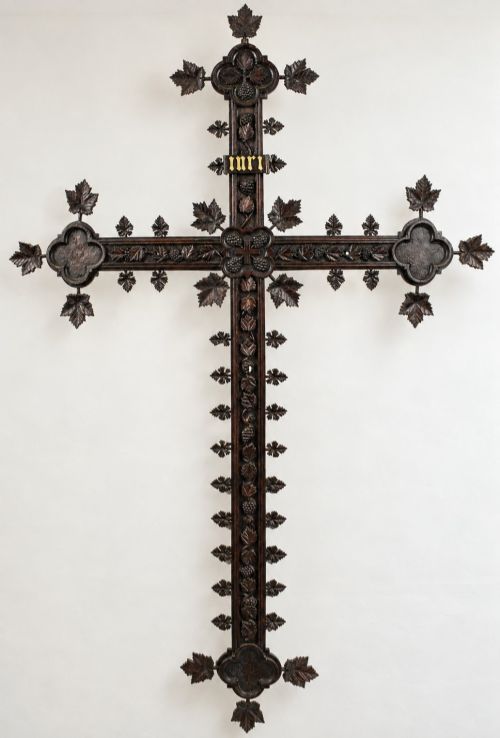
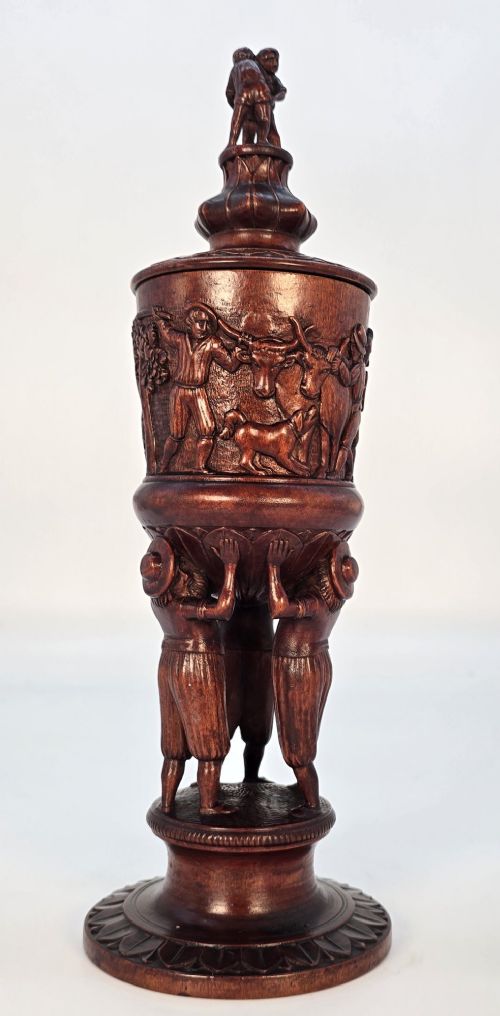
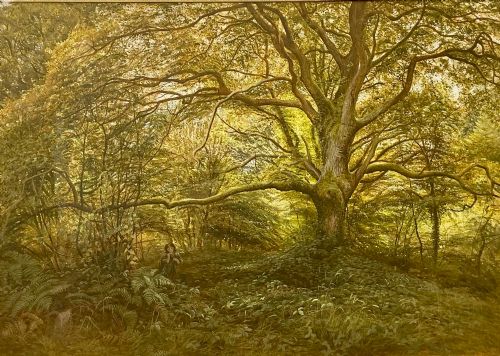
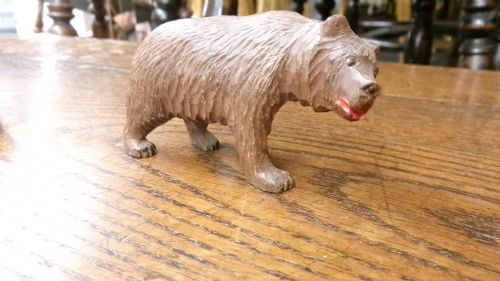
When you search for antique forest art, you encounter a varied group of objects depicting woods, trees and woodland animals across several centuries. The selection spans carved timber figures, oil paintings on canvas and board, tapestries and domestic utility items.
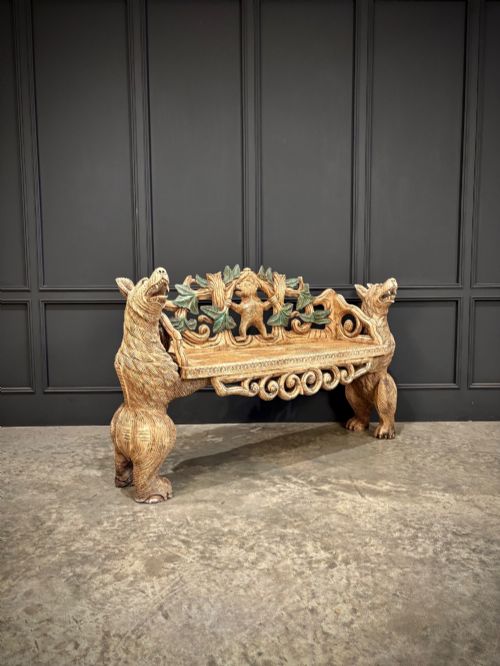
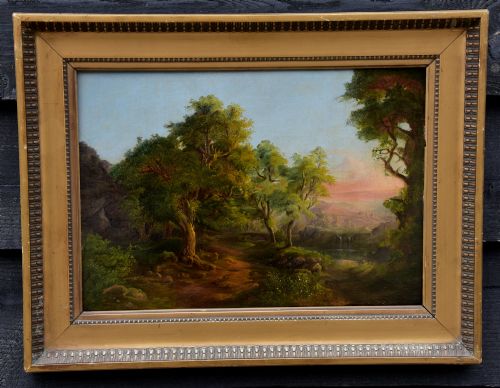
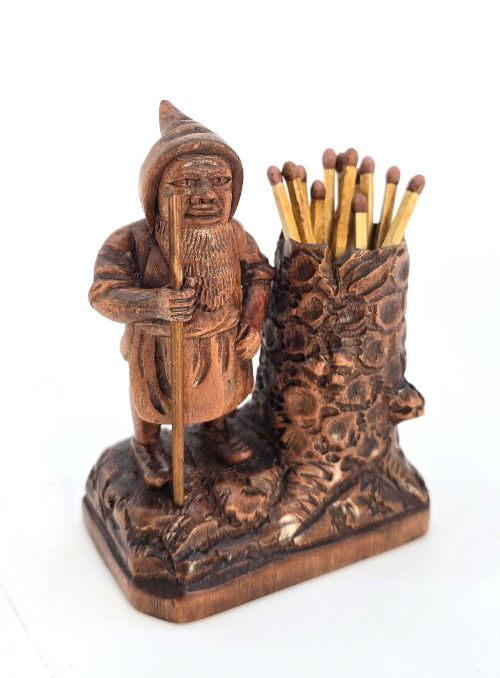
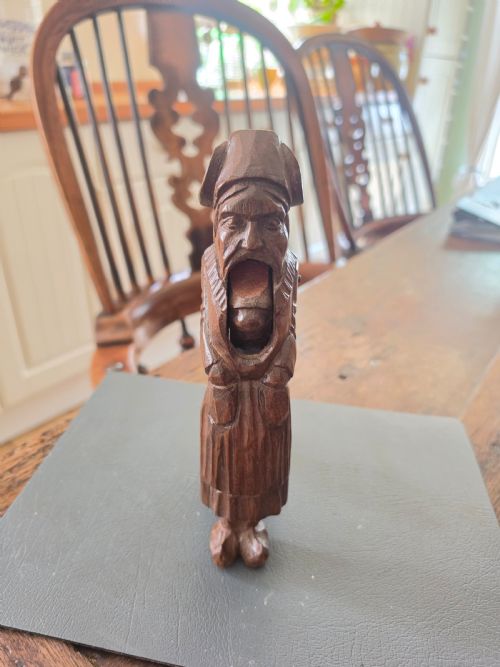
The most frequent examples on this page are carved wooden objects from the Black Forest and Swiss Alpine traditions, alongside landscape paintings of woodland settings. These pieces range from substantial furniture to small match holders and wall plaques.
Originating largely from the nineteenth and early twentieth centuries, these works reflect a period fascination with rustic subjects and natural forms. They include both fine art landscapes and decorative carvings produced in European workshops.
Materials and construction
The physical pieces rely heavily on woods such as oak, walnut, linden and fruitwood, shaped through carving and turning. Artisans utilised hand tools to render intricate fur, foliage and architectural details into solid timber blocks.
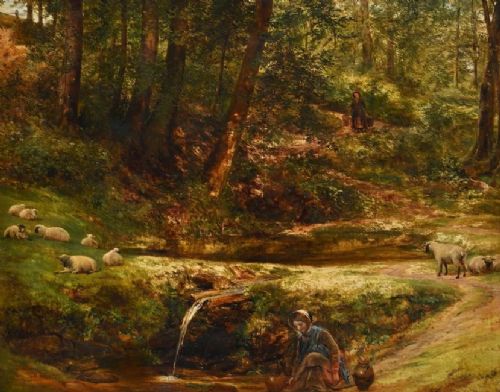
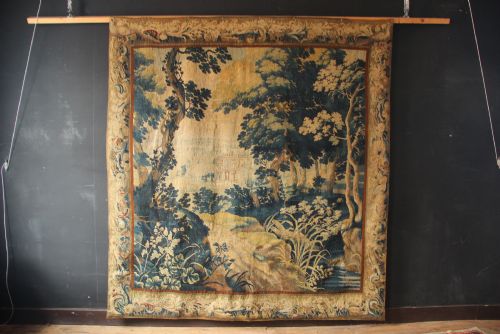
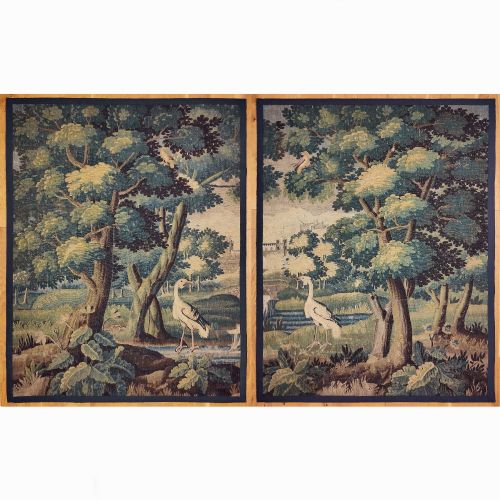
Paintings employ oil and watercolour on canvas, paper and wooden panels, capturing woodland light and shadow with layered pigments. Tapestries are woven from textile threads to depict verdant forest scenes on a large scale.
Antique Forest Art Retail Price Guide 2026
Typical asking prices for forest art among the pieces listed under this phrase on Sellingantiques today, from the lower quarter to the upper quarter. They describe what is for sale here now, not the wider market.
The selection includes an unusually risqué nineteenth-century nude coat hook alongside pious saints and Saint Bernard rescue dogs.
Factors determining quality
The standard of carving distinguishes exceptional pieces from ordinary workshop output, particularly in the rendering of anatomy and expression in animal figures. Finer sculptures display depth, undercut details and careful finishing rather than flat surfaces and rigid lines.
In paintings and tapestries, the handling of composition, colour harmony and atmospheric perspective separates skilled artistry from mechanical execution. Superior works demonstrate deliberate brushwork and balanced tonal ranges that draw the eye into the woodland landscape.
William H Myers·Richard Redgrave·Philipp Haas·Thomas Bromley Blacklock·David Watts·James Proudfoot·Jan Evert Morel·Rowland Henry Hill
The Antique Forest Art Glossary
- Black Forest carving
- A style of wood carving originating in Switzerland and the Black Forest region of Germany, known for realistic animal and rustic subjects. Pieces often utilise walnut or linden wood.
- Verdure tapestry
- A woven wall hanging depicting a stylised forest landscape, foliage or plant motifs. These panels typically date from the seventeenth and eighteenth centuries.
- Limewood
- A pale timber favoured by carvers for its fine, even grain and lack of prominent growth rings. It allows for intricate undercutting without splintering.
- Trophy carving
- A decorative wall plaque arrangement featuring game birds, hunting gear, or forest produce. These pieces were designed to celebrate rural pursuits.
Antique Forest Art: Frequently Asked Questions
What materials are common in these carvings?
Carvings rely on solid woods such as oak, walnut, linden and fruitwood. Artisans selected these timbers for their grain and suitability for detailed work.
Linden wood was particularly favoured for figures due to its soft texture, while oak and walnut provided strength for furniture and architectural elements.
How do I date a Black Forest carving?
Dating relies on stylistic clues, mounting hardware and the historical context of the workshop production periods. Nineteenth-century pieces often feature deep undercutting and realistic animal forms.
Later pieces may show shifts in finish and tool marks left by changing production methods in European workshops.
Where were these pieces originally made?
The objects originate primarily from European woodland regions, notably the Black Forest in Germany and Alpine districts in Switzerland and France. Local craftsmen produced them for domestic use and the tourist trade.
British and Dutch landscape paintings included in the selection reflect regional artistic traditions capturing local countryside views.
How should I care for wooden wall plaques?
Maintain stable indoor humidity levels to prevent timber from splitting or warping over time. Keep pieces away from direct heat sources and strong sunlight.
Dust gently with a soft, dry brush to preserve the surface finish without applying harsh cleaning products.