
Antique Footed Centerpiece
An antique footed centerpiece elevates any table, raising fruit or flowers on silver, glass, or porcelain bases from the Georgian and Victorian eras.
Antique Footed Centerpiece
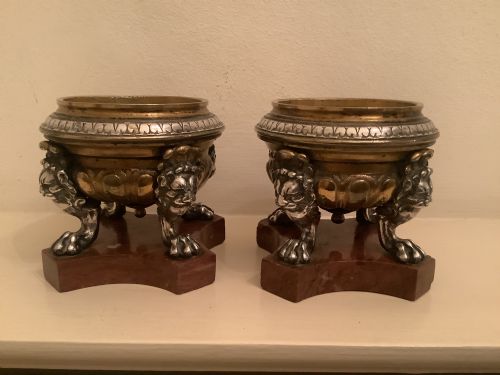
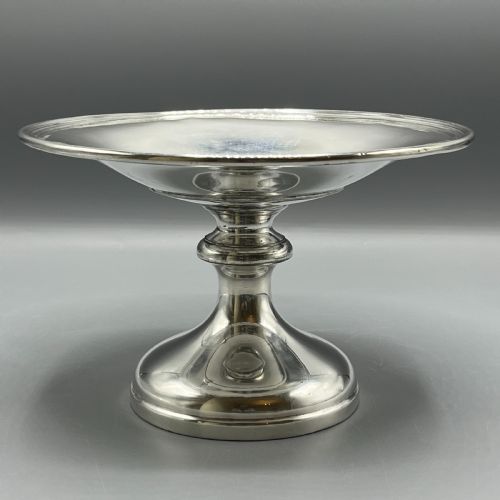
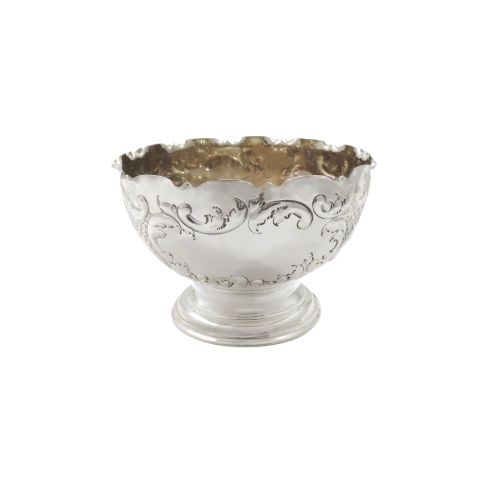
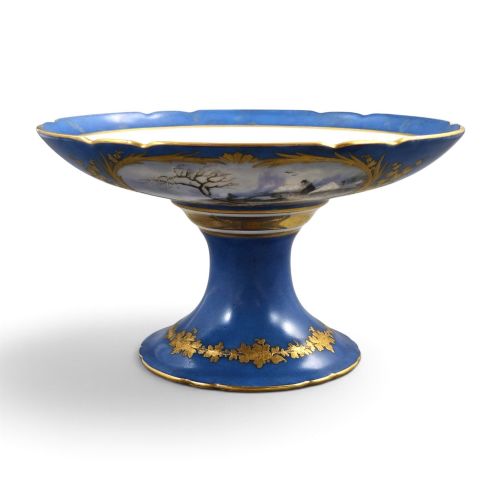
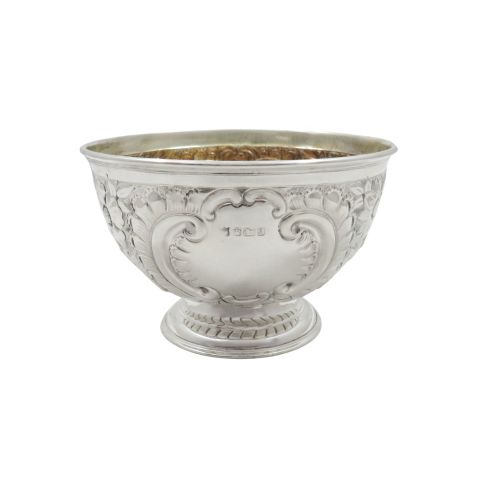
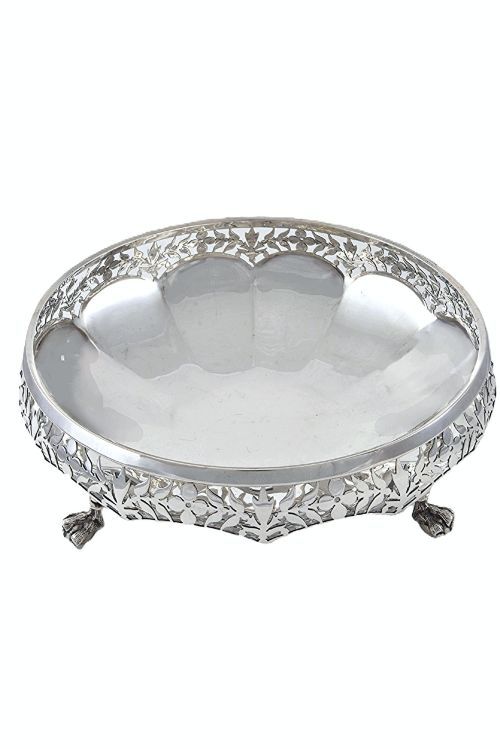
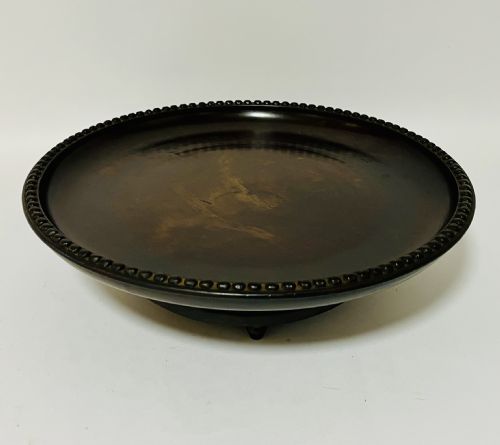
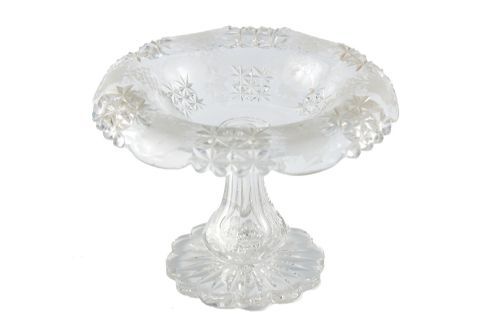
An antique footed centerpiece serves as a decorative focal point for dining tables and sideboards, taking the form of open bowls, comports, tazzas, and pedestal dishes.
The assortment on this page spans from 18th-century glass tazzas to 1930s pottery bowls, reflecting diverse domestic display traditions.
Materials and construction
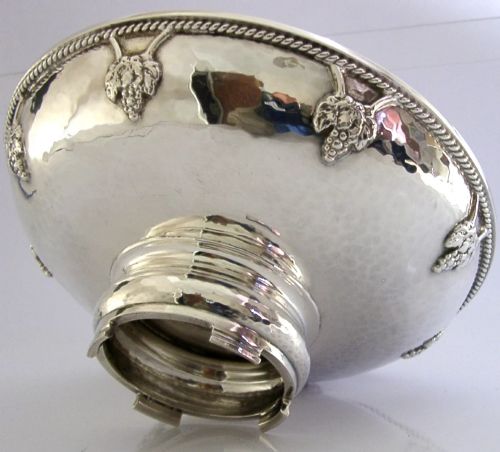
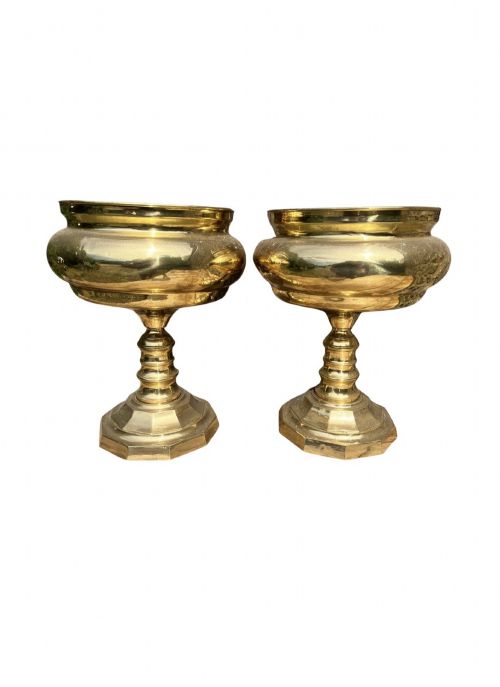
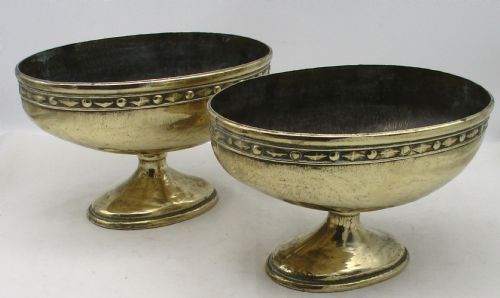
Metal vessels combine sterling silver, brass, and silver-plated white metal shaped through repoussé work, piercing, and casting.
Glass centerpieces utilise lead crystal, cut glass, and ruby glass, often paired with enamel painting or gilt decoration.
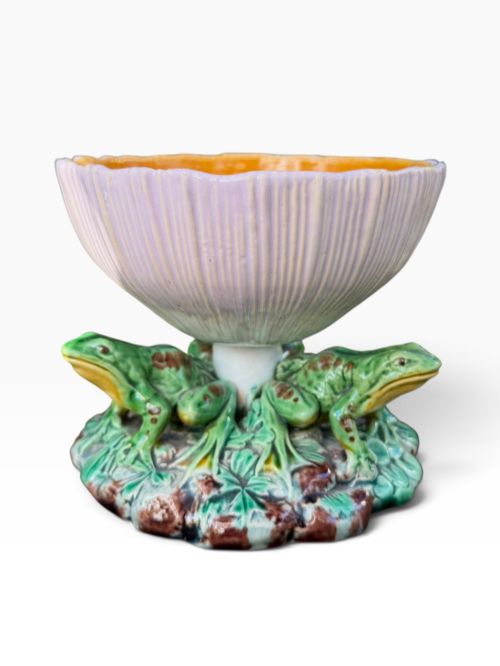
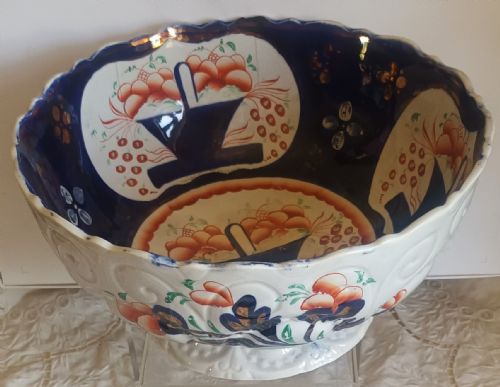
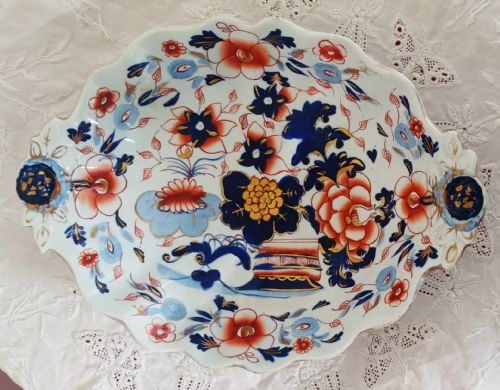
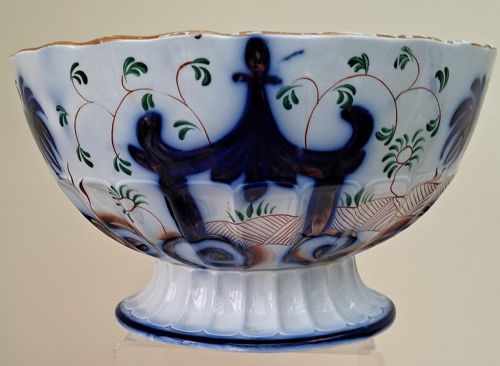
Ceramic pieces bring together majolica, ironstone china, and porcelain, featuring applied figures, transfer prints, and hand-painted patterns.
The listings here include items from the 17th century through to the 1930s, spanning materials like lead crystal, sterling silver, copper, and majolica.
Assessing quality
The refinement of the casting and the depth of the cutting separate standard utility vessels from pieces intended for formal display.
Ceramic and glass examples show quality in the crispness of applied details, such as moulded putti and hand-painted floral motifs.
Metalwork quality rests on the precision of repoussé detailing and the integrity of the structural foot supporting the bowl.
Minton·Sèvres·Samson·Charles Boyton·St Louis glassworks·Ulisse Cantagalli·Schierholz Plaue·Maling
The Antique Footed Centerpiece Glossary
- Tazza
- A shallow bowl or plate mounted on a stem and foot. These pieces were traditionally used for serving fruit or sweets.
- Comport
- A raised dish or bowl used on the dining table for dessert or fruit. They often match smaller dishes in a larger service.
- Majolica
- A type of earthenware glazed with tin opacified lead glaze, notable for vibrant coloured decoration. It gained immense popularity during the Victorian period.
- Repoussé
- A metalworking technique where the metal is hammered from the reverse side to form a raised design in relief. This creates tactile surface patterns on silver and other metals.
- Pricket
- A sharp metal spike in a candlestick or holder designed to secure a candle. Examples appear in ecclesiastical and decorative metalwork.
Antique Footed Centerpiece: Frequently Asked Questions
What is an antique footed centerpiece?
An antique footed centerpiece is a raised decorative bowl, tazza, or comport designed to sit in the middle of a table.
These pieces hold fruit, flowers, or sweetmeats, adding height and visual interest to dining arrangements.
How were these centerpieces used?
Historically, they occupied the middle of the dining table during formal meals to display seasonal fruit or elaborate floral arrangements.
Over time, their role shifted towards permanent decorative display on sideboards and entrance tables.
How do I date an antique centerpiece?
Dating relies on material characteristics, stylistic markers such as Art Nouveau or Georgian forms, and manufacturer marks.
Silver pieces frequently carry hallmarks, while ceramics and glass show period-specific manufacturing techniques and patterns.
How should I live with glass centerpieces?
Glass and crystal pieces require stable placement away from table edges and direct heat sources to prevent thermal shock.
Gentle hand washing in lukewarm water preserves delicate gilt decoration, enamel work, and ruby glass finishes.