

Antique Folk Furniture
These pieces of antique folk furniture bring domestic history into your home through honest craftsmanship and regional character.
Antique Folk Furniture
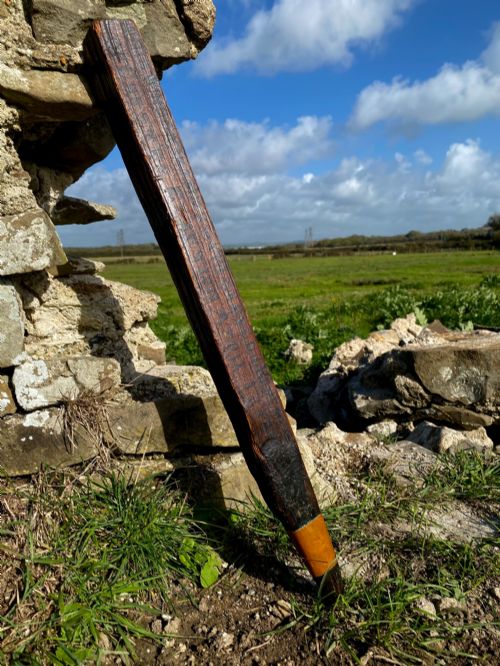
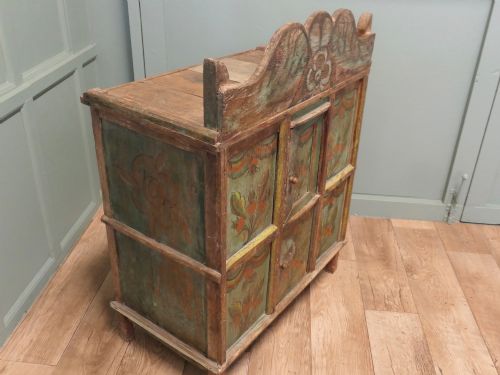
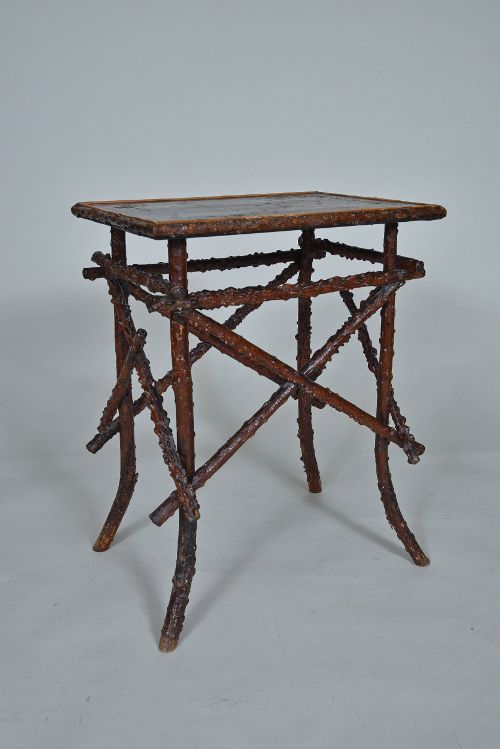
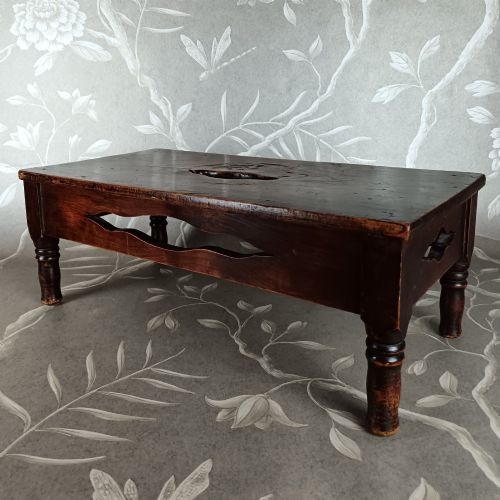
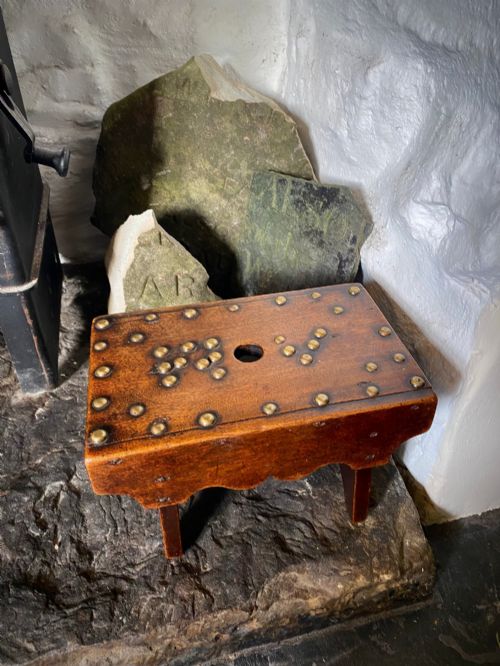
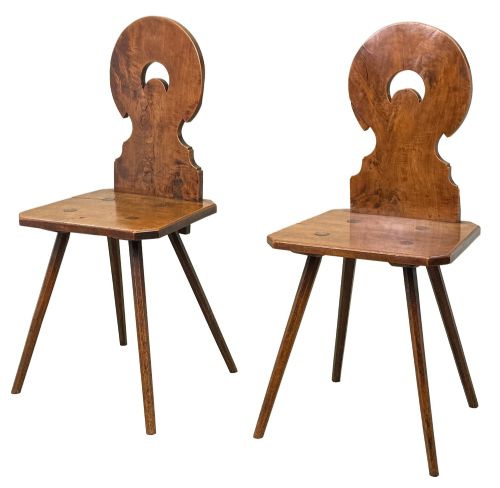
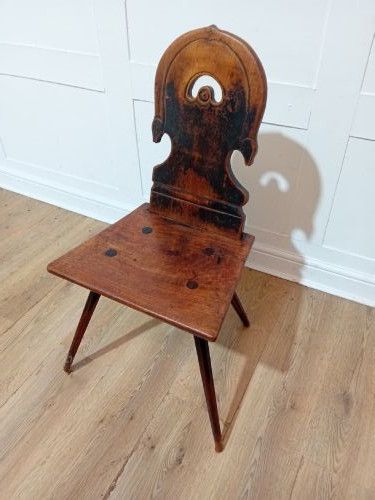
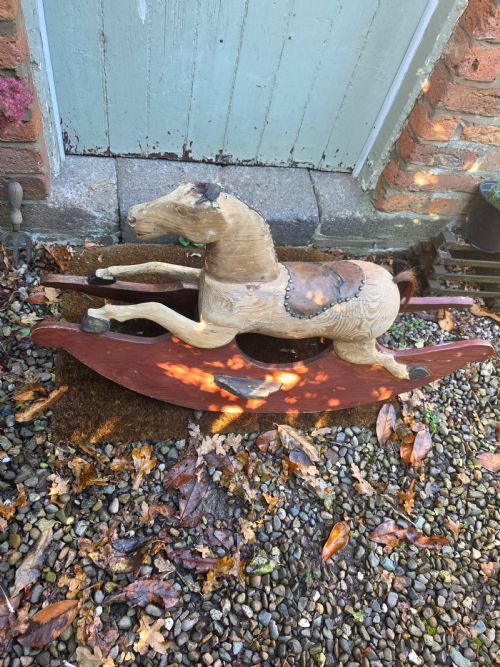
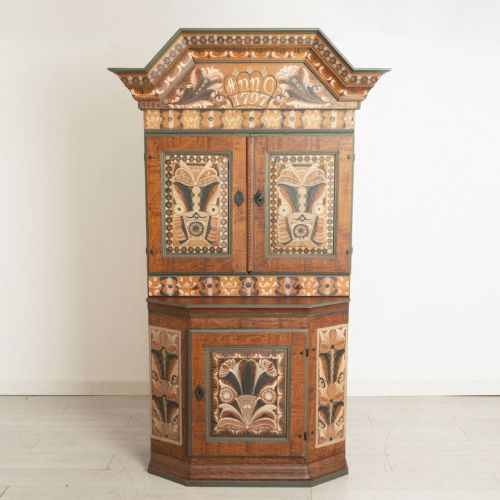
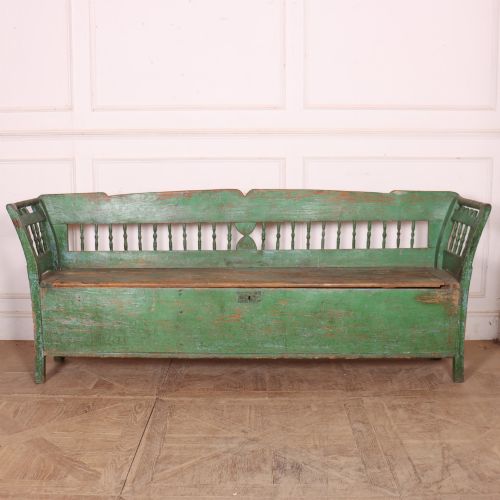
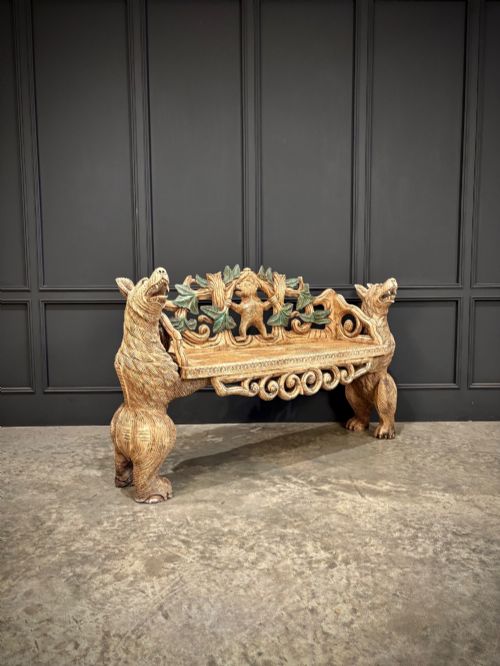
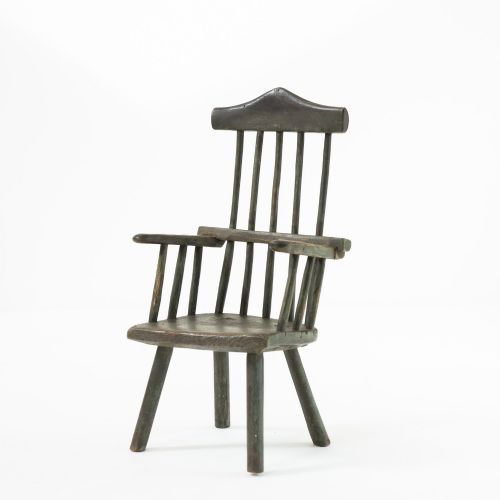
When you search for antique folk furniture, you enter a diverse world of utilitarian objects made for everyday domestic use by regional makers rather than court workshops. The pieces span from the eighteenth century through to the early twentieth century, originating across various European countries including Sweden, Hungary, and Alpine regions. You encounter everything from large three-seater box settles and hand-painted cupboards to small milking stools and miniature carved models.
How they were made
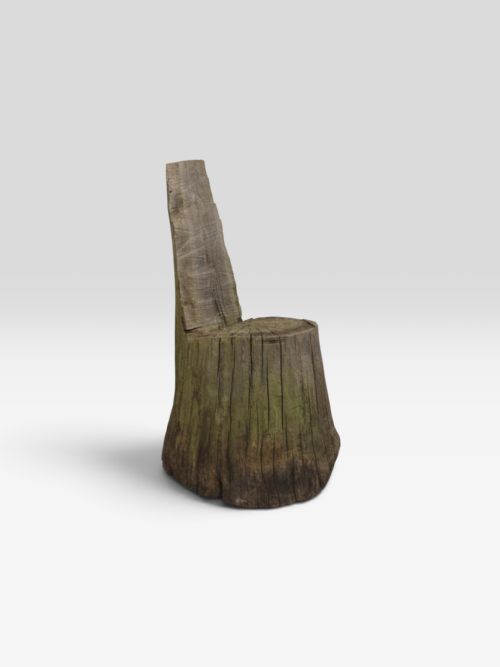
Makers relied primarily on native timbers such as pine, oak, and fruitwood, selecting softwoods and hardwoods available in their immediate locality. Joinery methods remained straightforward and sturdy, utilising pegged joints, dug-out construction, and stick-back framing suited to daily wear. Iron fixings appeared where strength was needed, particularly on heavy storage chests and settles.
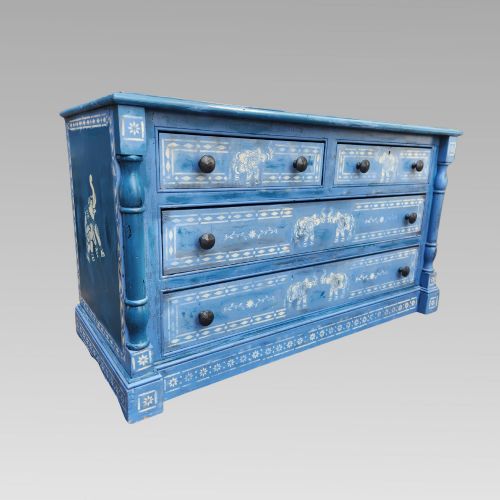
Surfaces frequently received applications of hand-mixed paint, with original green, blue, cream, and black finishes surviving on many pieces. Folk artisans applied decorative painting by hand, creating floral motifs or simulated wood grain to elevate simple pine and timber boards. Wax finishes were also common, protecting the wood while allowing the natural grain to show through decades of use.
Antique Folk Furniture Retail Price Guide 2026
Typical asking prices for folk furniture among the pieces listed under this phrase on Sellingantiques today, from the lower quarter to the upper quarter. They describe what is for sale here now, not the wider market.
Listings feature eighteenth-century to early twentieth-century pieces, spanning Georgian, Victorian, and Edwardian periods with Scandinavian and European regional styles.
What varies in quality
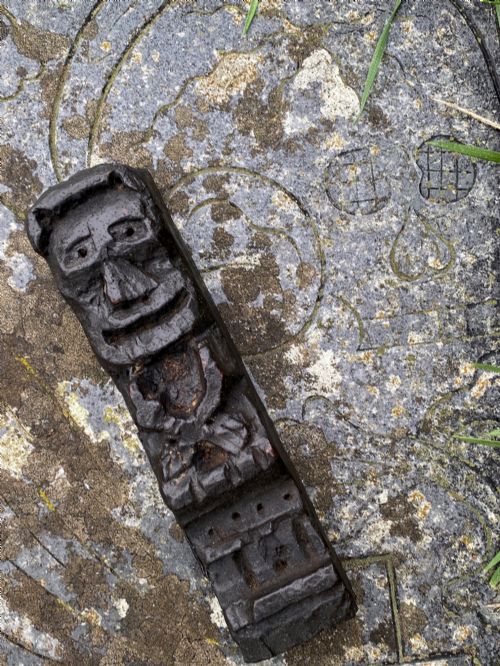
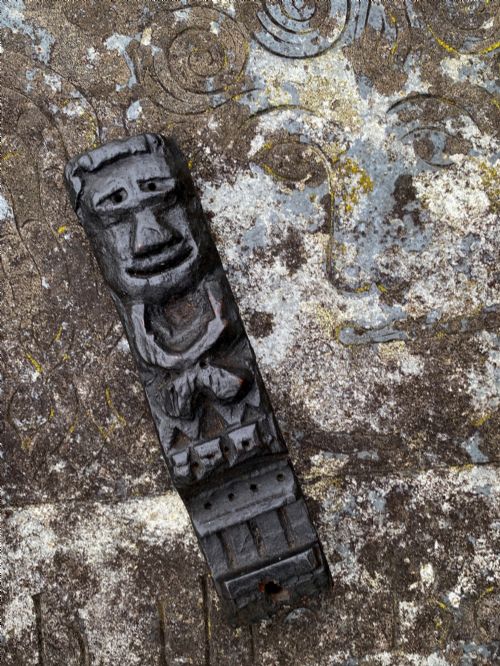
The survival of original surface decoration dictates much of the distinction across these pieces. Items retaining their untouched early paintwork carry greater integrity than those stripped or overly restored in later years. The boldness of regional carving and the sophistication of naive folk painting also separate standard utility items from more ambitious regional works.
Structural honesty and the preservation of authentic construction details define the upper tier of the range. Pieces that maintain their original hardware, uncompromised timber thickness, and honest proportions demonstrate the true hand of the regional artisan. Subtle tool marks and local idiosyncrasies point directly to the maker's hand, enhancing the character of the piece.
Gemla Fabrikers
The Antique Folk Furniture Glossary
- Box settle
- A wooden bench featuring a high back, solid arms, and a enclosed box seat that lifts for storage. This form kept drafts away from the hearth while holding household blankets.
- Spinning chair
- A small low seat, often with a carved back and three or four splayed legs, designed for comfortable use while operating a spinning wheel. Welsh examples frequently display intricate decorative carving.
- Milking stool
- A simple, sturdy three-legged stool used by agricultural workers during daily milking chores. Their rustic construction relies on basic pole and slab carpentry.
- Jogltisch
- A traditional Alpine table featuring distinctive regional joinery and construction methods. These tables formed the centre of rural domestic life in mountainous European districts.
- Escabelle
- A traditional style of high-backed wooden hall chair originating in continental Europe. They often incorporate upright framing and shaped wooden panels.
Antique Folk Furniture: Frequently Asked Questions
What is antique folk furniture?
Antique folk furniture comprises practical household objects made by regional artisans and rural communities rather than urban workshops. These pieces reflect local traditions, materials, and decorative styles from the eighteenth century onward.
Items range from everyday seating like benches and stools to storage cupboards and tables. Each piece carries the distinct aesthetic of its place of origin, whether Scandinavian, Alpine, or Hungarian.
How do I date these pieces?
Dating relies upon examining construction techniques, tool marks, timber selection, and wear patterns. Regional styles and traditional forms often remained unchanged for generations, making contextual clues essential.
Original paint layers and surface patination provide further evidence of age. Comparing joinery methods to known dated examples helps narrow down the period of manufacture.
Where were these pieces made?
These pieces originated across rural Europe, with strong representation from Sweden, Hungary, Austria, and regional Britain. Local craftsmen utilised accessible timbers and traditional designs unique to their specific valleys or provinces.
Geography dictated both the materials used and the painted decoration applied. Swedish and Hungarian workshops often utilised bright painted finishes, while Alpine makers favoured carved wood.
How should I care for painted folk furniture?
Preserving original paint requires stable indoor humidity and protection from direct sunlight. Dusting should be done gently with a dry, soft cloth without chemical cleaning agents.
Avoid harsh polishes that can lift or soften historic paint surfaces. Waxed wooden elements benefit from occasional light feeding with appropriate natural furniture wax.