
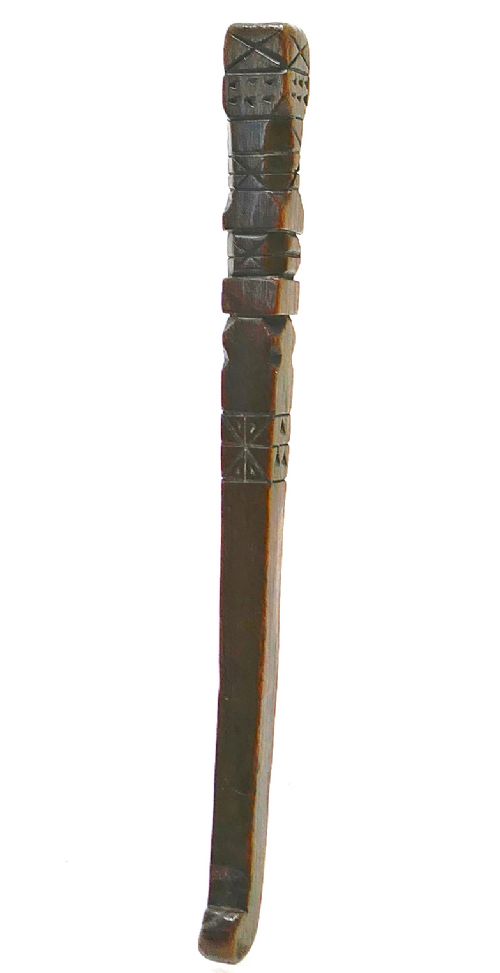
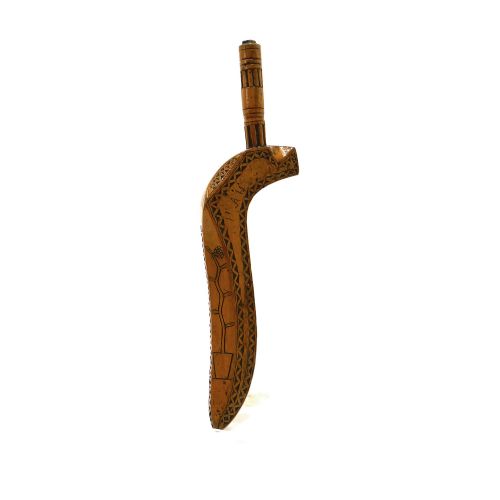
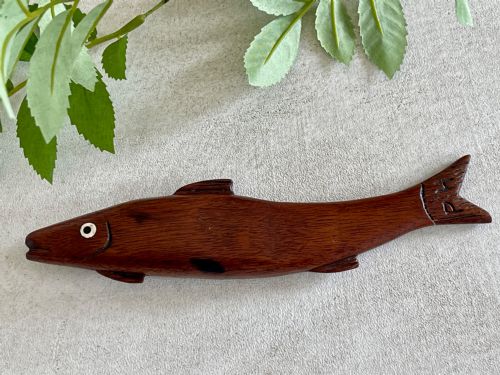
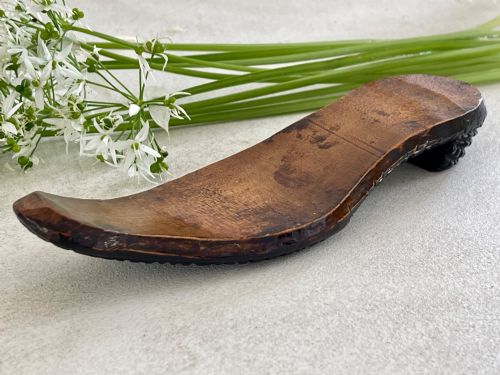

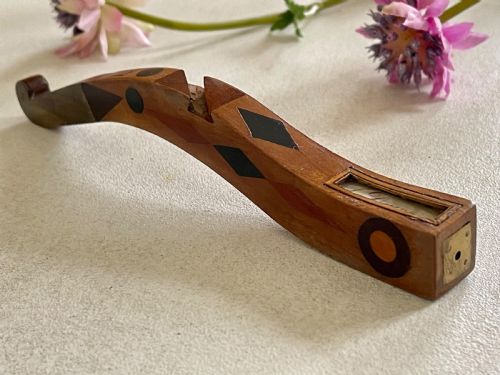


Antique Folk Art Stick
An antique folk art stick brings unpretentious vernacular character to a room, offering tactile hand-carved detail and practical daily support from earlier centuries.
Antique Folk Art Stick
The versions most commonly met on this page date from the nineteenth century, including Victorian examples, alongside occasional Georgian and early twentieth-century items. Many reflect regional British and Irish vernacular traditions, utilising local timbers shaped by makers working outside academic art circles.
Beyond standard walking canes, the category extends to functional household and decorative objects bearing carved motifs such as clenched fists, animals, and human figures. Their appeal lies in the directness of their creation and the individuality each maker imparts to the material.
Materials and construction methods
Makers utilised available local timbers such as fruitwood, hardwood, and elm, alongside thorn wood and boxwood for shafts and handles. Marine pieces incorporate bone, horn, whalebone, and shark vertebrae, reflecting the materials accessible to sailors during long voyages.
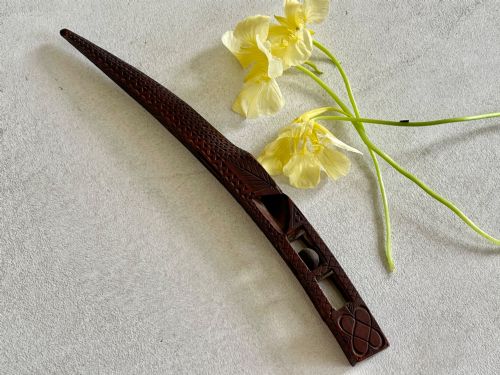
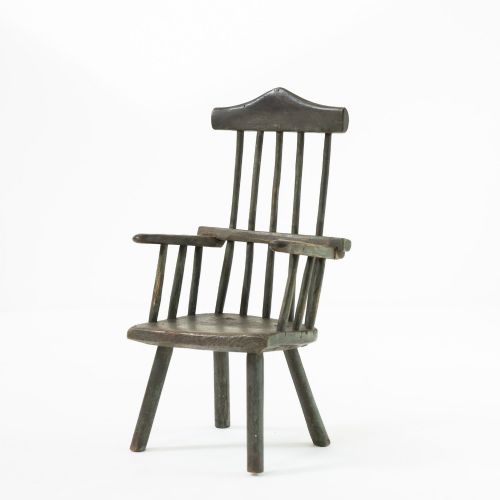
Construction relied on straightforward hand-carving, incised line decoration, punchwork, and occasionally polychrome paint or inlays of diamonds, circles, and triangles. Structural integrity was achieved through traditional joints suited to domestic chairs and durable shafts intended for regular use outdoors.
Distinctions in quality
Quality rests on the depth and confidence of the carving, distinguishing casual notches from expressive, well-realised figurative work like carved hands, animals, or human heads. A strong piece demonstrates deliberate composition where the natural grain or curvature of the timber enhances the overall form.
Condition and originality dictate standing, particularly whether surfaces retain their original unpolished patina, paint, or polychrome decoration without intrusive later alterations. The balance between ergonomic utility and sculptural imagination separates standard utilitarian items from compelling examples of folk art.
The Antique Folk Art Stick Glossary
- Treen
- Small handmade wooden domestic objects produced prior to the widespread use of plastics. These items include kitchen utensils, knitting sheaths, and small decorative carvings.
- Knitting sheath
- A small carved wooden sleeve tucked into a belt or apron string to support a knitting needle during work. They frequently feature intricate punchwork and incised geometric decorations.
- Vernacular
- Everyday objects built by local craftspeople using regional styles and traditional methods rather than following academic architectural or artistic rules.
- Polychrome
- Painted in several colours. This surface treatment is occasionally found on thorn wood walking sticks and primitive chairs to highlight details.
- Distaff
- A tool used in spinning to hold flax or wool before the fibres are drawn off. Folk art examples often feature decorative carved surfaces.
Antique Folk Art Stick: Frequently Asked Questions
What is a folk art walking stick?
A folk art walking stick is a handmade cane featuring distinctive carved handles or shafts created by amateur or rural makers.
These pieces often display figurative elements like clenched fists, animals, or geometric patterns rather than standard commercial designs.
How do I date an antique stick?
Dating relies on examining the tool marks, timber type, wear patterns, and stylistic indicators consistent with nineteenth-century or earlier rural craftsmanship.
Comparing the construction methods to documented regional vernacular pieces helps narrow down the period of origin.
What materials were used?
Makers utilised native hardwoods, fruitwood, elm, thorn wood, and boxwood for land-based sticks.
Maritime pieces frequently incorporate whalebone, bone, horn, and shark vertebrae sourced by sailors at sea.
How were knitting sheaths used?
A knitting sheath held one needle steady against the knitter's body, allowing faster work while sitting or walking.
Tucked into a waistband, these wooden items became a canvas for personal carving and presentation pieces.