


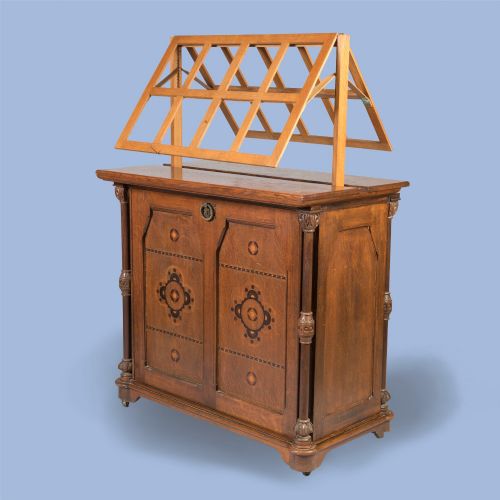
Antique Folio Stand
An antique folio stand organises large prints and drawings, bringing refined timber joinery and practical height adjustment to a study or library.
Antique Folio Stand
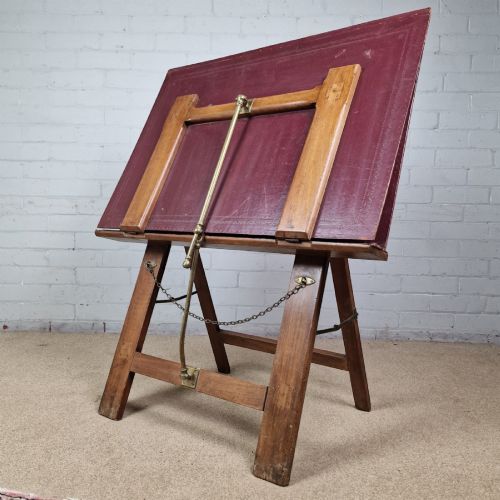
When searching for an antique folio stand, you encounter substantial timber furniture designed to hold oversized paper, maps, and artists' proofs. These pieces range from open adjustable floor frames to enclosed cabinets with lower shelving.
The most common forms on this page include mahogany and rosewood examples from the Regency and Victorian periods. You will also find related pieces such as canterburys, magazine racks, and multi-functional side cabinets.
Originating in country houses and artist studios, these stands served gentlemen, architects, and collectors who needed to store large bound plates flat or upright. Their sturdy construction reflects a domestic demand for orderly storage of valuable paper goods.
Materials and construction
Cabinetmakers built these pieces primarily using dense timbers such as mahogany, rosewood, walnut, and oak. These woods provided the necessary structural integrity to support heavy paper loads without warping.
Brass fittings, including castors, hinges, and adjustable ratchets, appeared frequently on Regency and Victorian models. Inlays of boxwood and decorative carving added refinement to the more formal library pieces.
Object types include adjustable artist picture racks, double-sided music stands, and enclosed gentleman's cabinets fitted with original brass castors.
Markers of quality
The distinction between standard utility items and exceptional pieces rests in the choice of timber and the precision of the mechanism. Finer examples feature figured mahogany, birdseye maple, or rosewood paired with robust brass ratchets that hold heavy frames securely.
Secondary details such as turned feet, original castors, and crisp boxwood inlay elevate the status of a cabinet or stand. Master workshops invested greater care in internal dividers and panel construction, ensuring the timber endured decades of daily handling.
Collinson & Lock London·Benjamin Taylor & Sons
The Antique Folio Stand Glossary
- Folio stand
- A furniture piece with hinged or fixed frames designed to display large sheets of paper, prints, or maps.
- Canterbury
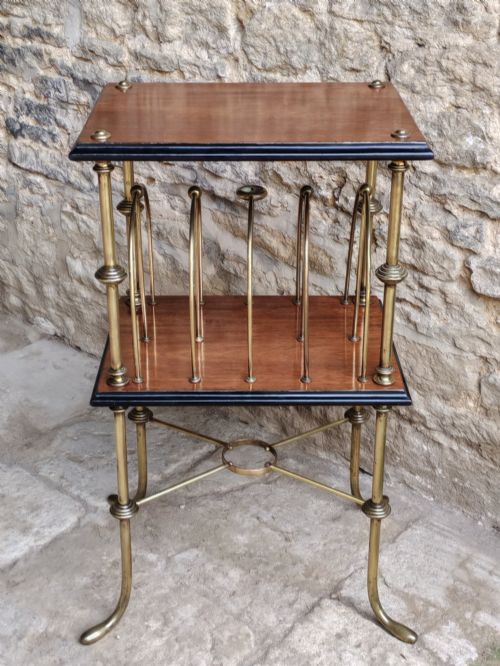
- A low stand featuring vertical partitions, originally built to hold sheet music or folios near a piano or desk.
- Ratchet
- An adjustable mechanical bracket that allows the display angle of a folio frame to alter and lock into position.
- Gilt
- A thin layer of gold leaf applied to decorate wood surfaces or carved details on revival furniture.
- Birdseye maple
- A decorative timber showing small, distinctive circular figures caused by depressions in the wood grain.
Antique Folio Stand: Frequently Asked Questions
What is an antique folio stand?
It is a specialised piece of furniture built to hold large books, prints, maps, and artists' drawings. They usually feature adjustable wooden frames or open compartments.
Historically used in libraries and studios, they keep delicate paper collections flat or inclined for easy viewing without causing damage.
How do I use one at home?
You can use an open stand to display large art prints, maps, or contemporary books in a living room or study. The adjustable frames let you alter the presentation angle easily.
Closed cabinet versions provide concealed storage for loose papers while offering a flat surface on top for lamps or decorative objects.
How do I tell Regency from Victorian pieces?
Regency stands often display clean classical lines, rosewood or mahogany grains, and functional brass mountings. They date from the early nineteenth century and lean towards architectural simplicity.
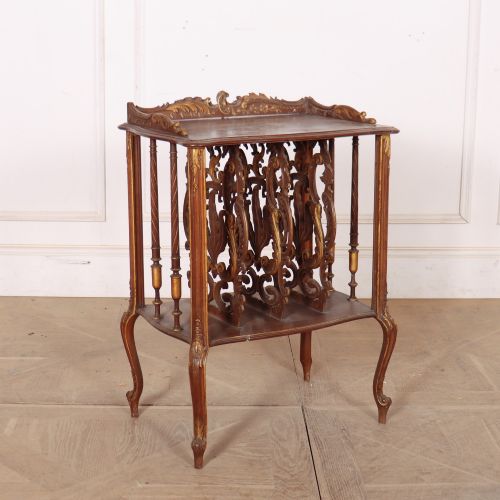
Victorian examples frequently incorporate heavier carving, darker walnut, or revival influences such as Gothic or French Rococo styles reflecting later nineteenth-century tastes.
Are folio stands and canterburys the same?
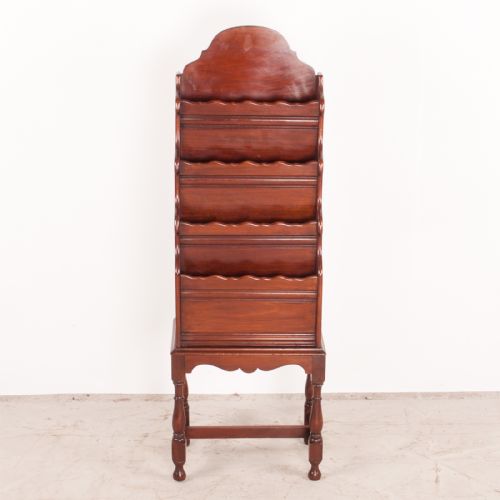
While both organise paper items, a folio stand specifically supports large hinged frames or open rests for oversized prints and folios. A canterbury is typically a smaller compartmented rack designed for sheet music or periodicals.
Some large country house canterburys overlap in function with folio stands due to their oversized proportions and reinforced frames.