
Antique Flower Still Life
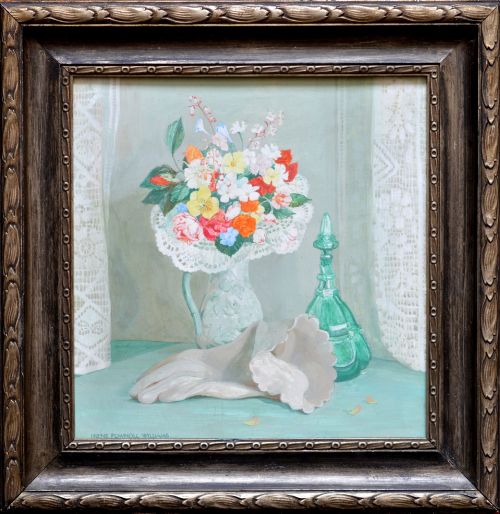
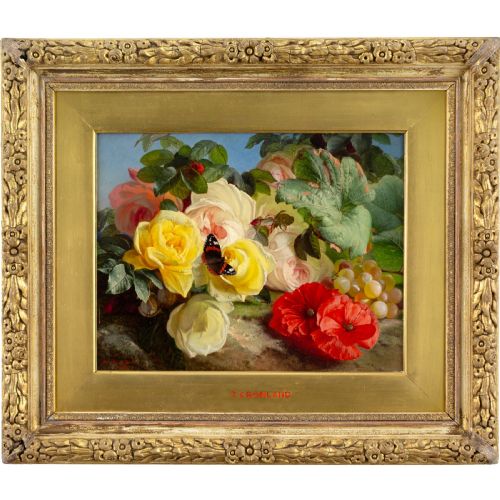
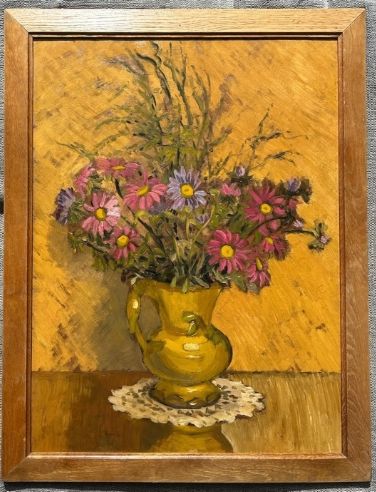
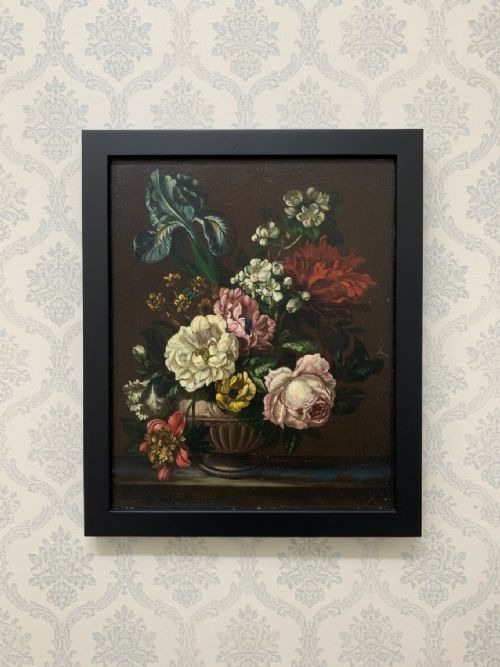
When you want an antique flower still life, you are looking for centuries of rendered blooms captured in oil, watercolour, and gouache.
Antique Flower Still Life
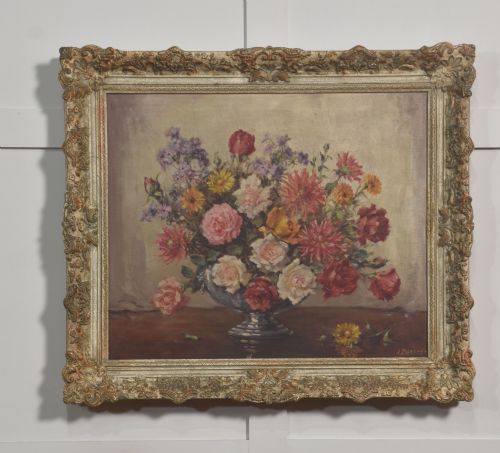
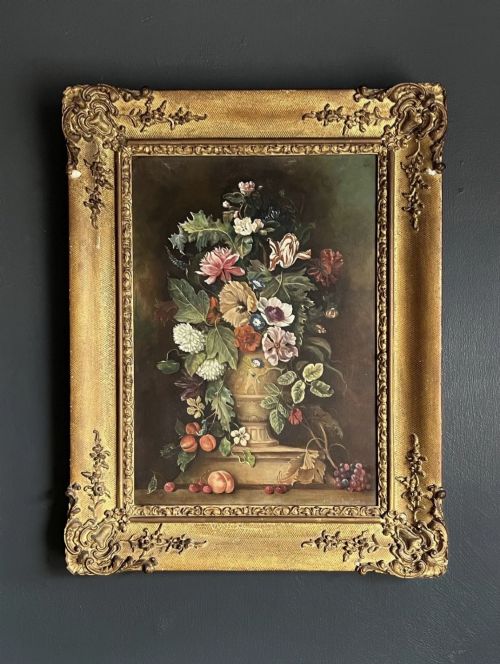
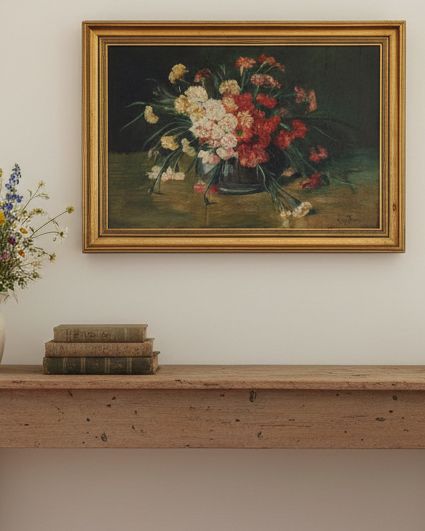
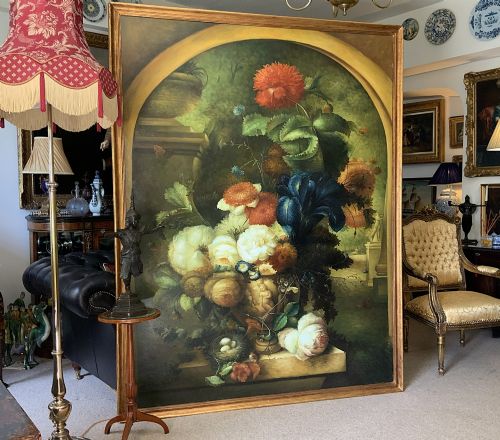
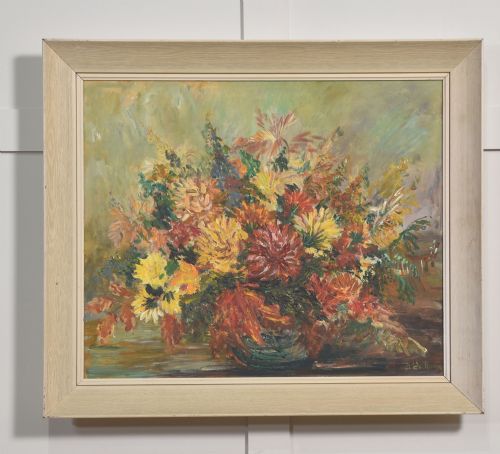
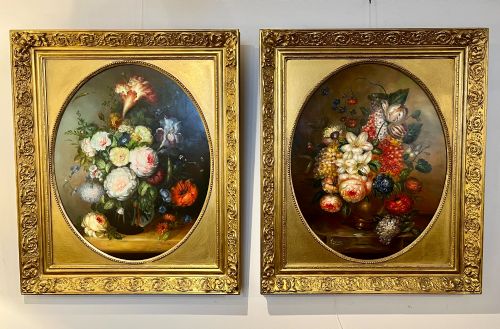
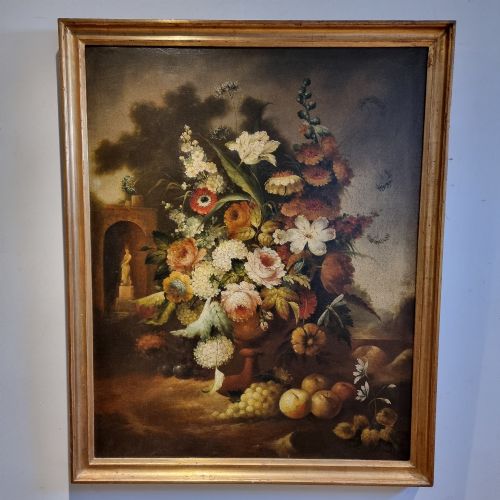
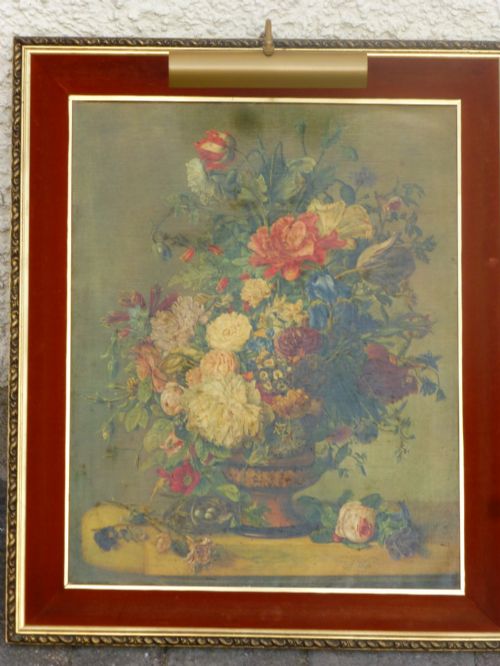
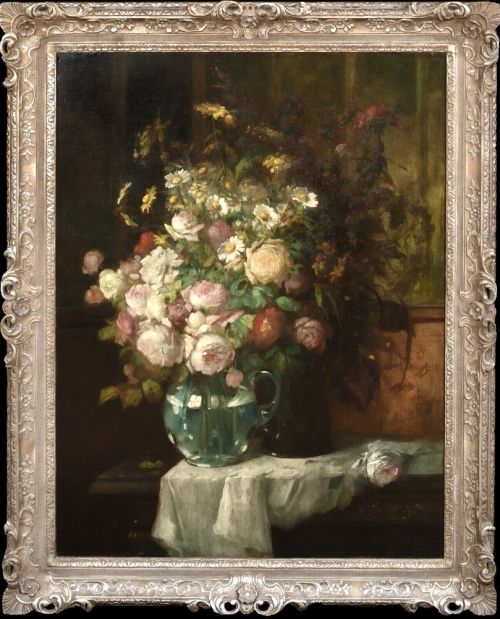
An antique flower still life presents carefully arranged botanical subjects, ranging from informal jugs of wild stems to monumental Dutch style floral compositions. Collectors seek these pieces for their enduring domestic charm and the meticulous skill required to render transient petals in permanent media.
The selections available here span from the seventeenth century through the Victorian era into the mid-twentieth century, encompassing both British and continental schools. You will encounter works executed in oil on canvas or panel, alongside delicate watercolours and gouache studies on paper.
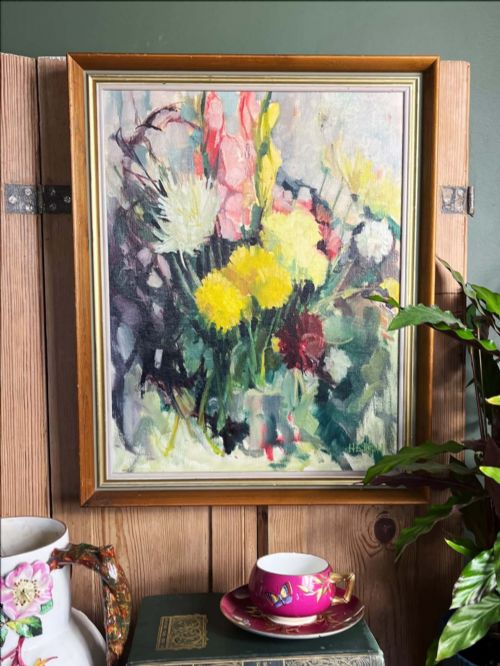
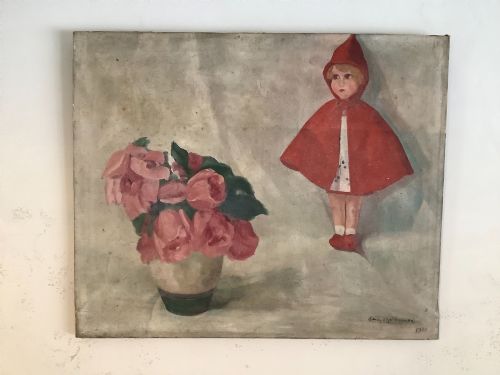
Many works echo the rich traditions of Dutch Golden Age painting, while others embrace impressionist, post-impressionist, or naive modernist interpretations. Whether choosing a modest floral study in a willow pattern jug or a grand canvas overflowing with roses, a buyer engages with a deeply historic artistic pursuit.
Materials and Techniques
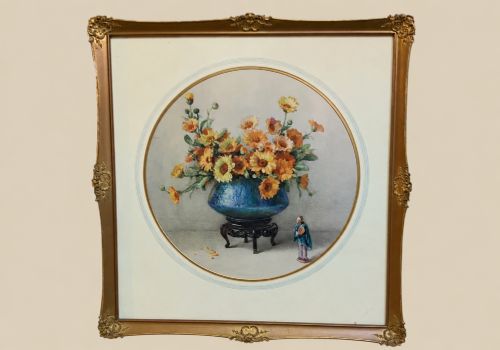
Artists painted primarily with oil paint on canvas, wood panels, or metal supports, building up layers to capture the luminous depth of petals and leaves. Watercolours and gouache on paper offer a lighter, immediate alternative often preserved behind glass in period frames.
Many of the finest examples are housed in their original gilded wood or gesso frames, which complement the richness of the pigments within. The combination of durable canvas or panel with high-grade oil media ensured that these vibrant floral arrangements survived across centuries.
Antique Flower Still Life Retail Price Guide 2026
Typical asking prices for flower still life among the pieces listed under this phrase on Sellingantiques today, from the lower quarter to the upper quarter. They describe what is for sale here now, not the wider market.
Listings feature works spanning the seventeenth century to the mid-twentieth century, created in oil, watercolour, and gouache.
Distinctions in Quality
Quality rests upon the artist's ability to render light, shadow, and texture convincingly across varied botanical forms without stiffness. Superior examples demonstrate confident brushwork, harmonious colour relationships, and a strong sense of spatial depth within the vase or interior setting.
The integrity of the supporting surface and the retention of the original framing elements also elevate a piece. Masterful control of medium whether fluid watercolour or rich oil paint separates routine decorative works from truly compelling historical art.
Irene Christobelle Pownoll Williams·Theude Grönland·Konstantin Stoitzner·Gaspar Peeter Verbruggen·Edwin Steele·Owen Bowen·Gertrude Hayes·Simon Pietersz Verelst·Henrietta Creswell·William Edward Fox·Florence Hess·A Nikolokov·Edward Ladell·Lester Sutcliffe·Kershaw Schofield·Henry Farmer·E M Davies·Isabelle Cohen·Giuseppe Pesci·Maria Harrison·Jessie Wolfe·Charles-Gilles Dutillieu·Giuseppe Vincenzino·William Greaves·Olive Higginbottom
The Antique Flower Still Life Glossary
- Gesso
- A plaster-like mixture applied to wood or canvas as a base for painting or applied directly to mould decorative gilded frames. It provides a smooth surface for intricate moulding and detailing.
- Panel
- A rigid support for painting, commonly made of wood in earlier centuries. Artists favoured panels for stability when working in fine detail.
- Impressionism
- An art style focused on capturing the visual impression of the moment, particularly shifting light and colour. Works in this manner rely on visible brushstrokes rather than tight botanical precision.
- Gouache
- An opaque water-based paint that dries to a matte finish, allowing for vibrant colour blocks and fine illustrative detail on paper. It combines the ease of water-colour with heavier coverage.
- Aquatint
- A printmaking technique that produces tonal effects by using acid to etch resin-coated plates. It yields results resembling watercolour washes.
Antique Flower Still Life: Frequently Asked Questions
How do I date an antique flower painting?
Dating relies on stylistic clues, framing, artist signatures, and the physical support material such as canvas or wood panel.
Examining the back of the work often reveals historical labels, inscriptions, or canvas stamps that help narrow down the period.
Where should I hang these artworks?
These paintings suit traditional living spaces, studies, or dining rooms where their warm tones can anchor the room's decor.
Protect them from direct sunlight and excessive moisture to preserve the delicate pigments and original frames.
What is the difference between oil and watercolour still lifes?
Oil paintings use heavy, buildable pigments on canvas or panel, offering rich texture and deep colour saturation.
Watercolours utilise water-soluble pigments on paper, presenting a lighter, more translucent quality usually displayed under glass.
What subjects accompany the flowers?
Many compositions incorporate companion elements such as butterflies, birds' nests, fruit, and glass or ceramic vases.
These additions enrich the narrative of the painting, introducing varied textures like glass reflection or soft moss.