





Antique Flower Bowl
When you search for an antique flower bowl, you are looking at centuries of decorative vessels shaped to display stems and water.
Antique Flower Bowl
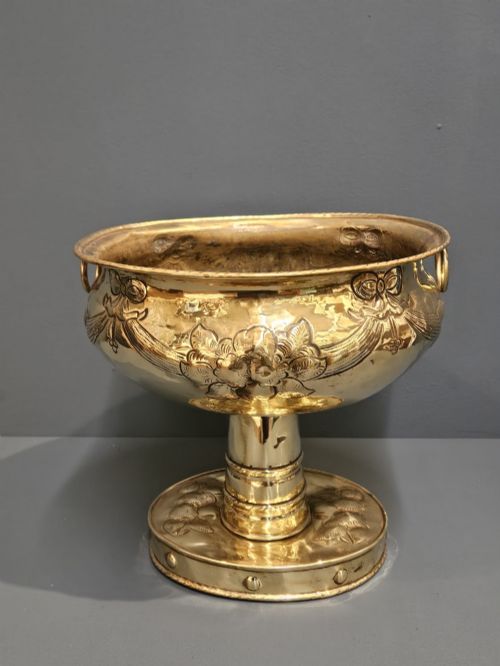
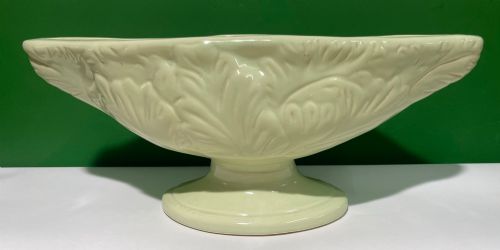
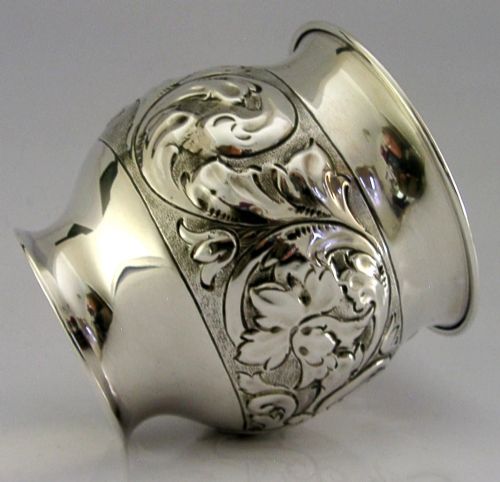
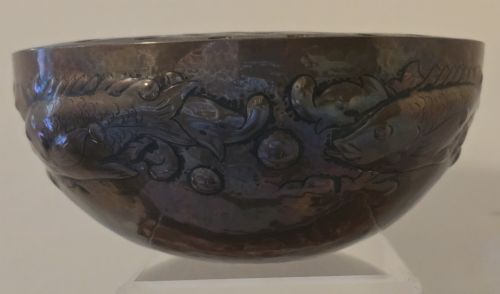
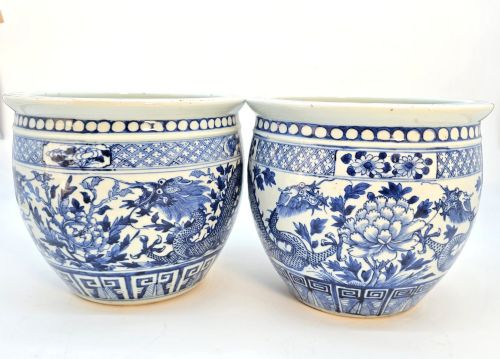
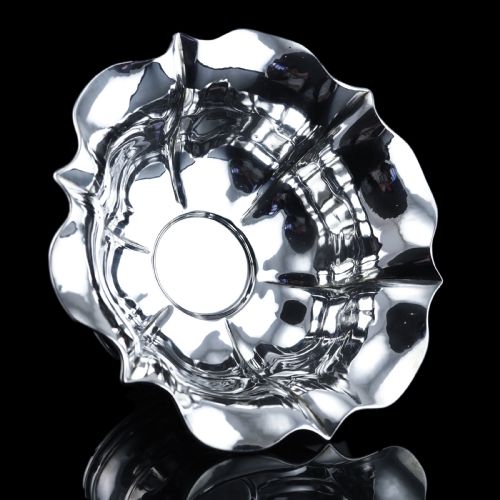
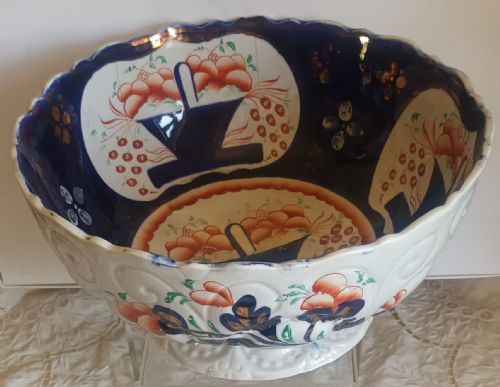
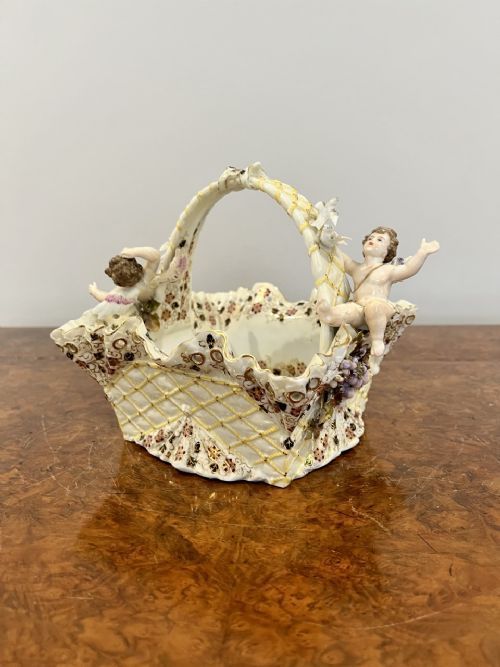
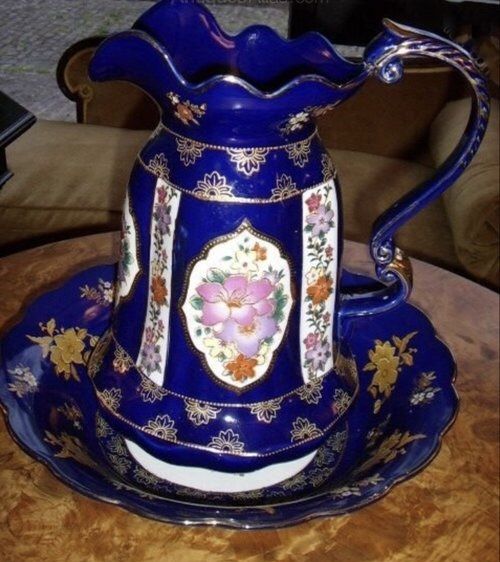
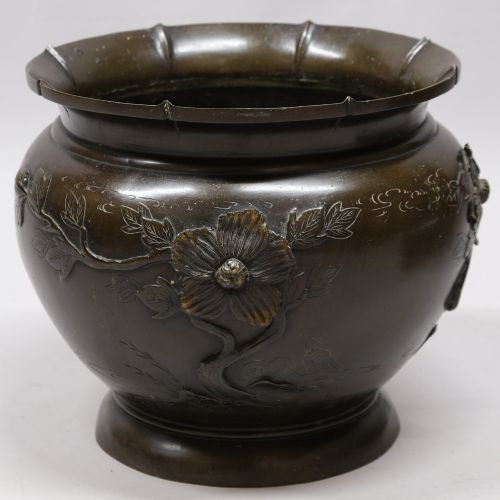
An antique flower bowl encompasses a broad range of vessels, from heavy copper jardinières to delicate porcelain centrepieces and silver rose bowls. The most common forms found here include large ceramic planters, footed pottery bowls with painted floral motifs, and mounted glass vessels designed for table display.
Originating across Britain, continental Europe and East Asia, these pieces span periods from the eighteenth century through the Art Nouveau and Art Deco eras. Buyers frequently encounter nineteenth-century earthenware and porcelain items, alongside metal planters produced during the Arts and Crafts movement.
The objects serve various domestic functions, acting as table centrepieces, mantel decorations or floor-standing jardinières for large arrangements. Each version reflects the specific decorative tastes of its manufacturing period, balancing practical utility with ornate surface design.
Materials and Technique
Makers shaped these bowls using traditional methods suited to porcelain, earthenware, glass and metals such as copper, brass and silver plate. Ceramic versions often feature hand-painted polychrome glazes, transfer printing, or applied porcelain flowers moulded by hand.
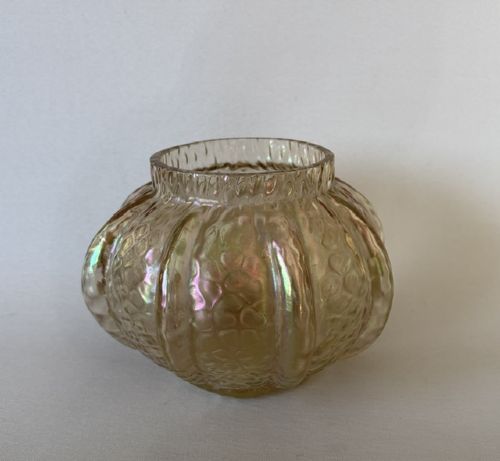
Metal vessels frequently display hammered surfaces, pierced lids for stem support, and engraved or chased ornamentation. Glass pieces utilise acid-etching, enamelling and gilding techniques to apply floral patterns directly onto the transparent or coloured body.
Antique Flower Bowl Retail Price Guide 2026
Typical asking prices for flower bowl among the pieces listed under this phrase on Sellingantiques today, from the lower quarter to the upper quarter. They describe what is for sale here now, not the wider market.
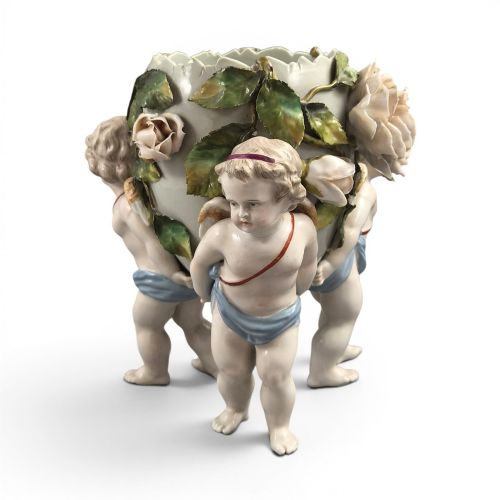
Several porcelain centrepieces feature tiny, cheerful putti peering out from thickets of applied ceramic roses.
Craftsmanship and Detail
Quality in an antique flower bowl rests upon the execution of the surface decoration and the crispness of the modelling. Hand-painted ceramic pieces show superior artistry through delicate brushwork and rich, stable glazes, whereas metalware demonstrates skill in the weight of the metal and the precision of hand-hammered panels.
The integrity of applied elements, such as moulded roses or pierced metal lids, distinguishes standard production from finer examples. Superior specimens retain their original components and surface finishes without extensive later intervention.
Newlyn Copper·Sitzendorf Porcelain·Plaue Schierholz·Liberty and Co·Royal Worcester·Walker and Hall·R Lalique
The Antique Flower Bowl Glossary
- Jardiniere
- A large ornamental pot or stand designed to hold a plant or floral arrangement. These vessels sit on tables or directly on the floor.
- Rose bowl
- A low, wide bowl traditionally used for floating short-stemmed roses or supporting blooms with a fitted wire or pierced lid.
- Epergne
- An ornate table centrepiece featuring a central dish with multiple branching arms or holders for fruit, sweets or flowers.
- Imari
- A style of Japanese export porcelain decorated in underglaze blue, iron red, gold and auxiliary colours. The technique was widely copied by European potteries.
- Famille rose
- A major group of Chinese porcelain ceramics characterised by an opaque pink enamel palette. The style developed during the Qing dynasty.
Antique Flower Bowl: Frequently Asked Questions
What is an antique flower bowl used for?
These vessels serve to display fresh or dried botanical arrangements on dining tables, sideboards and mantelpieces.
Many styles include specialised inserts like pierced lids or metal frogs to keep stems upright and separated.
How do I clean a metal flower bowl?
Maintenance depends on the specific metal, requiring gentle dusting for copper and brass, or appropriate silver polish for plated items.
Harsh chemical abrasives should be avoided to protect original patinas and applied surface details.
Can I use these bowls for live plants?
Most ceramic and metal jardinieres accommodate potted plants, though waterproof liners protect older porous earthenware.
Placing a saucer inside prevents moisture damage to the internal surfaces of unglazed or antique vessels.
How do I identify the period of a ceramic bowl?
Dating relies on maker marks, factory stamps, glaze characteristics and stylistic indicators such as Art Nouveau curves or Victorian floral motifs.
Comparison with documented examples from factories like Derby or Schierholz helps narrow the production era.