
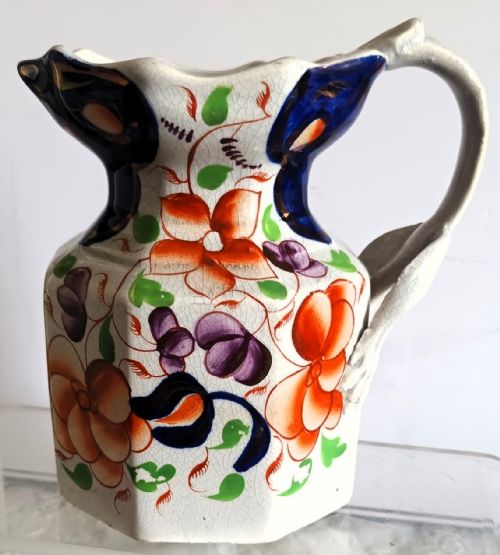
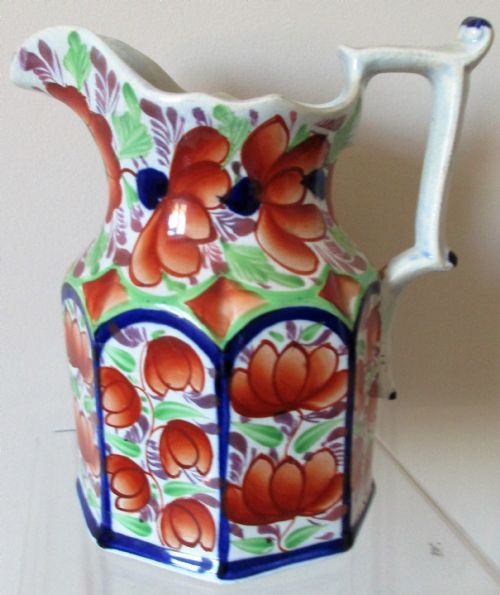
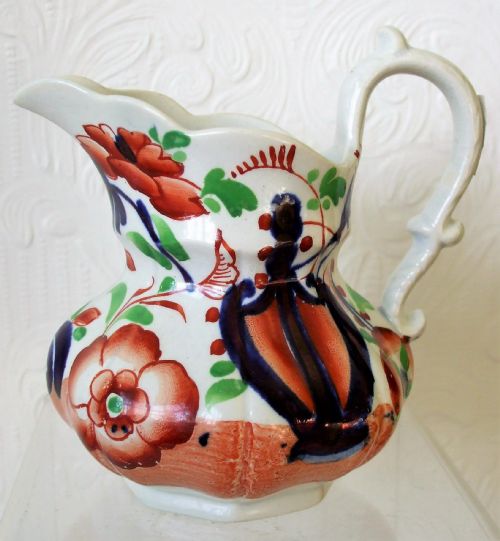
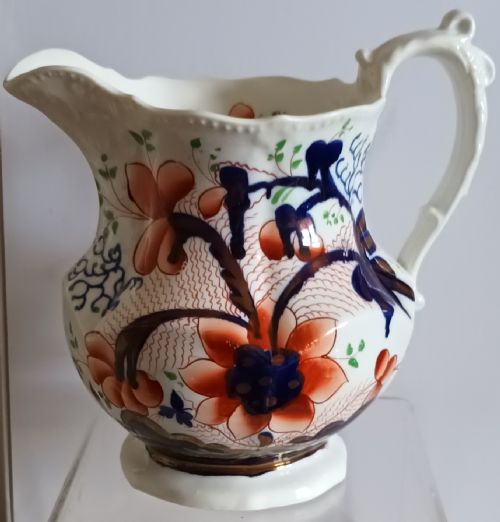
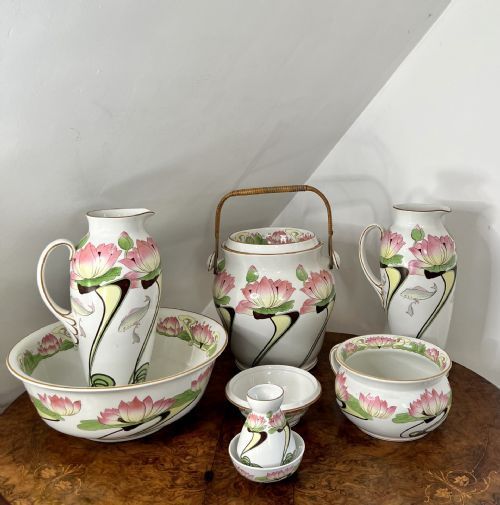


Antique Floral Pottery Pitcher
An antique floral pottery pitcher brings tactile warmth to a room, offering hand-painted botanical motifs and historic earthenware forms for everyday utility or display.
Antique Floral Pottery Pitcher
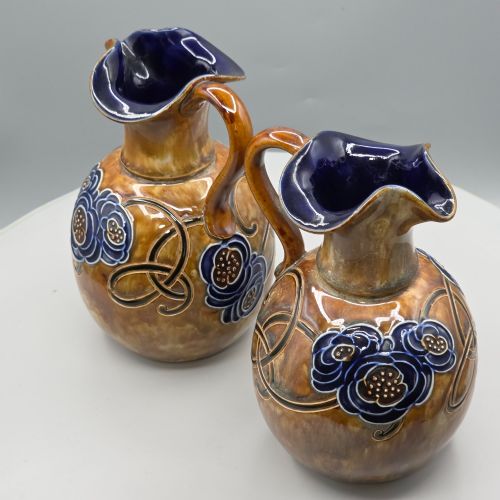
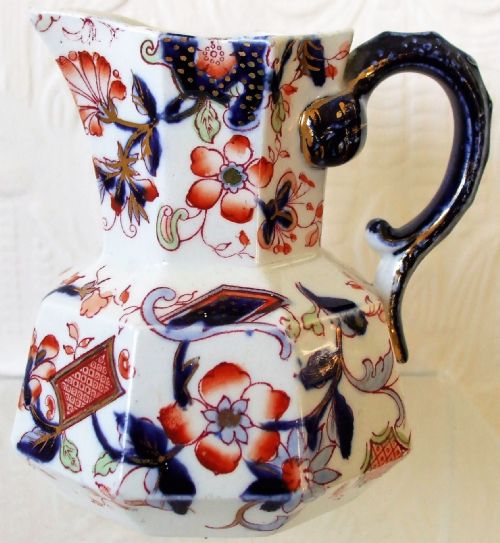
An antique floral pottery pitcher encompasses earthenware, ceramic, and porcelain vessels designed for liquids or washstand service. These pieces span centuries of production, featuring patterns named after Welsh, regional, or decorative motifs.
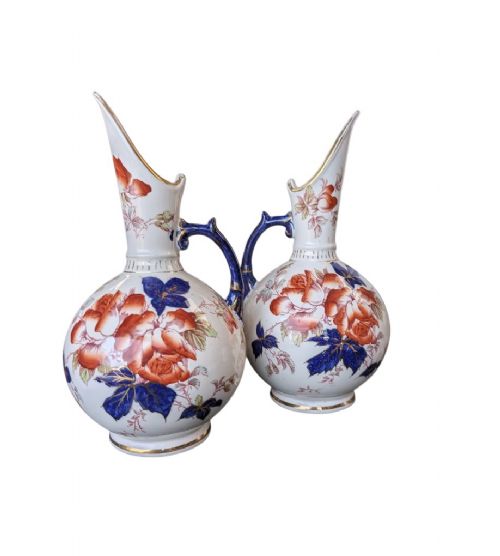
Nineteenth-century Victorian examples, alongside Georgian pearlware and tin-glazed delftware, dominate the selection. Buyers frequently encounter transfer-printed or hand-painted botanical designs upon jugs, ewers, and basin sets.
Forms range from small milk jugs to large one-gallon vessels and complete bathroom sets. Each piece reflects the utilitarian and decorative domestic standards of its specific period.
Materials and construction
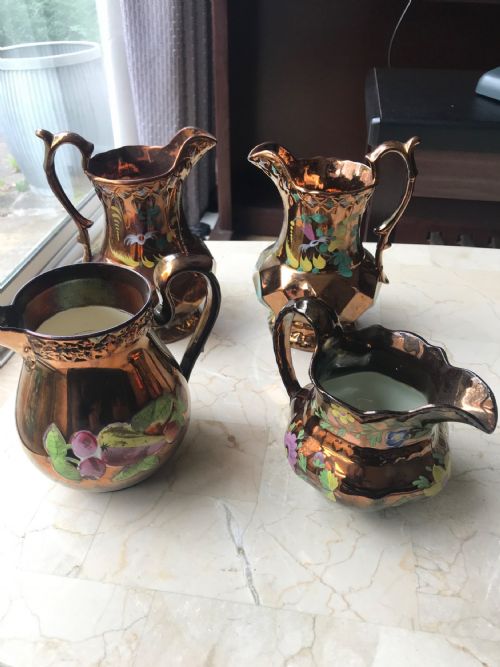
Potters utilised earthenware, pearlware, and porcelain bodies, often shaping them through moulding such as cabbage leaf reliefs or throwing them on a wheel. Tin glaze, enamel, and copper lustre finishes provided the protective and decorative surfaces.
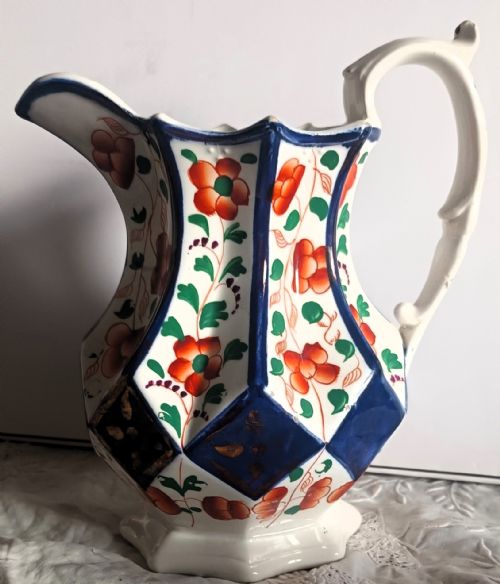
Decoration relied on hand-painted pigments, gold leaf accents, and blue and white transfer printing. Firing techniques fixed the polychrome enamels and glazes to the ceramic bodies.
Listings feature earthenware, porcelain, and pearlware spanning the Georgian, Victorian, and Art Nouveau periods.
Assessing the craftsmanship
Quality rests in the crispness of the moulded relief and the precision of the hand-painted or transfer-printed floral details. Superior examples exhibit vibrant, stable enamels and well-balanced handles attached securely to the body.
The sophistication of the glaze application, whether tin glaze or copper lustre, dictates visual depth. Pieces retaining clear registration of pattern and minimal firing distortion sit at the upper end of the range.
Royal Doulton·Keeling and Co·Doulton Burslem·William Moorcroft·Charlotte Rhead·Sir Edmund Elton·Mountford Staffordshire
The Antique Floral Pottery Pitcher Glossary
- Pearlware
- A refined earthenware developed in the eighteenth century featuring a subtle bluish glaze that pooled in recesses. It provided a paler background for underglaze blue and polychrome painting than creamware.
- Tin Glaze
- An opaque white glaze containing tin oxide, used on delftware to create a smooth surface for painting. It allowed potters to apply vibrant colours directly onto the unfired or biscuit-fired surface.
- Copper Lustre
- A metallic ceramic glaze producing a reflective, coppery sheen. Potters applied metallic salts to achieve this finish during secondary kiln firings.
- Ewer
- A large pitcher with a flared spout and an ornate handle, traditionally paired with a matching basin. These vessels served washstand and decorative functions in nineteenth-century homes.
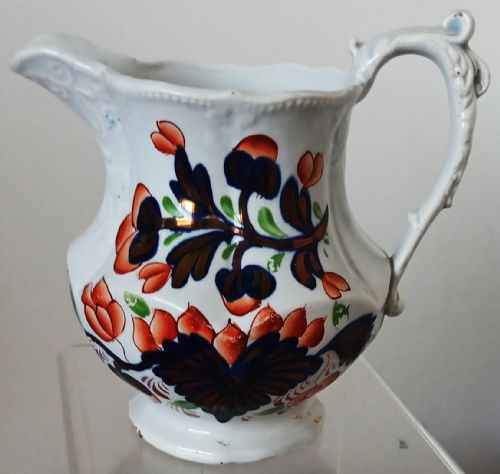
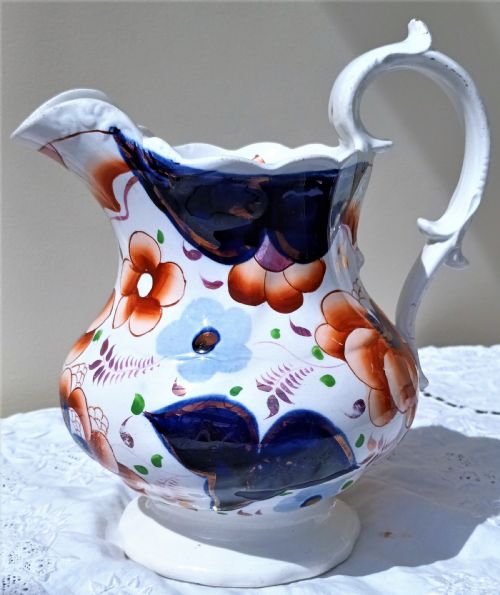
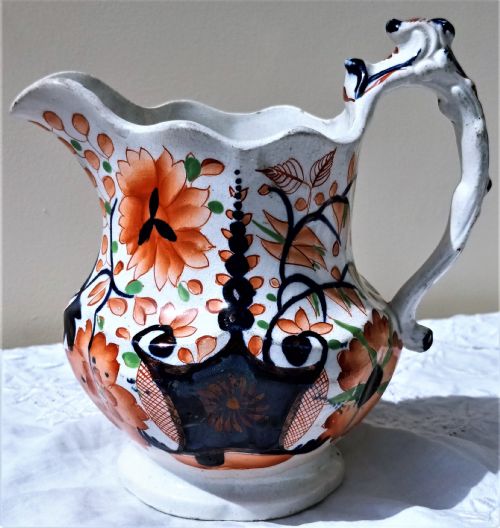
- Gaudy Welsh
- A style of colourful pottery produced in the nineteenth century featuring cobalt blue, iron red, and copper lustre. The patterns often adopted names such as Grape, Pagoda, and Harlech.
Antique Floral Pottery Pitcher: Frequently Asked Questions
How were these pitchers used?
These pitchers served multiple domestic roles, functioning as vessels for milk, water, tea service, or as part of washstand basin sets in bedrooms.
Larger examples held liquids for family meals or washing, while smaller jugs handled cream and individual portions during dining.
How do I date an antique pitcher?
Dating relies on identifying the ceramic body, such as distinguishing Georgian pearlware from Victorian earthenware, alongside stylistic cues from the decoration.
Maker marks, registration numbers, and known pattern names like the Gaudy Welsh series further narrow the production era.
Can I use these pitchers for fresh flowers?
Many pitchers make suitable vessels for cut flowers, provided the interior glaze remains intact and free from hairline cracks that might leak moisture.
Careful handling is essential when filling older earthenware to prevent thermal shock or damage to historic glazes.