
Antique Floral Pendant
An antique floral pendant captures nature in precious metal and gemstones, offering a delicate piece of history to wear close.
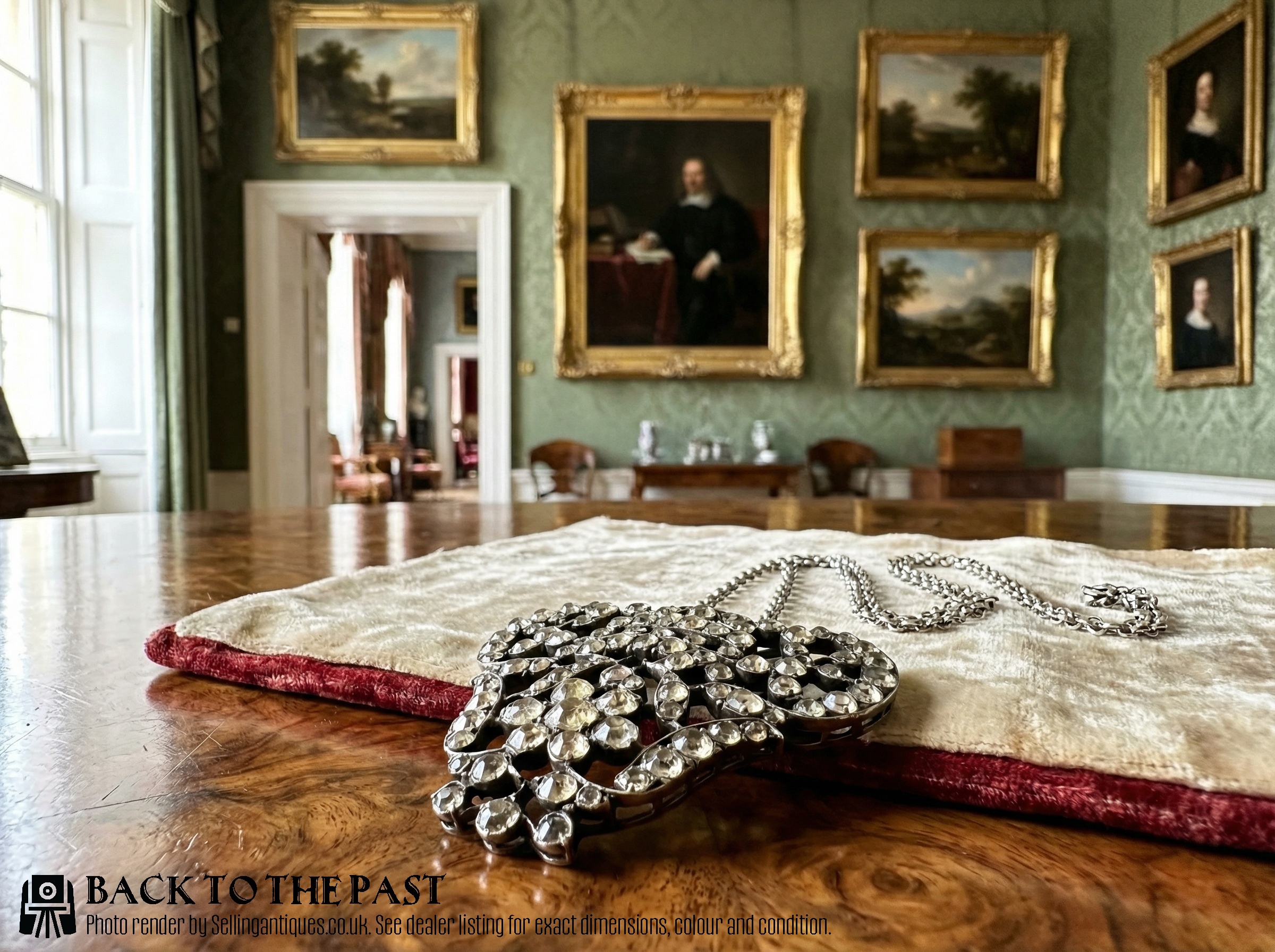
Antique Floral Pendant
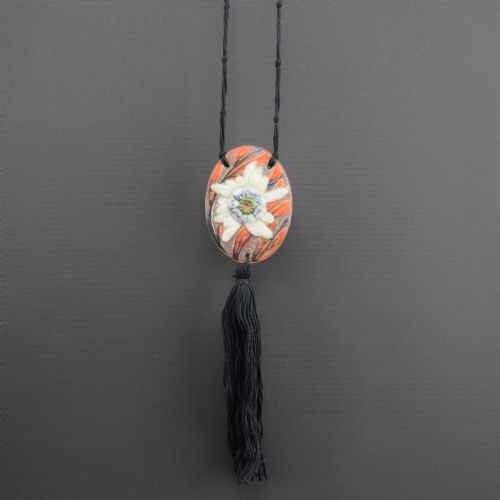
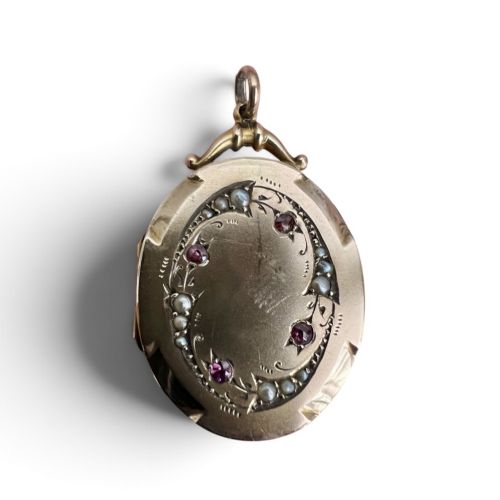
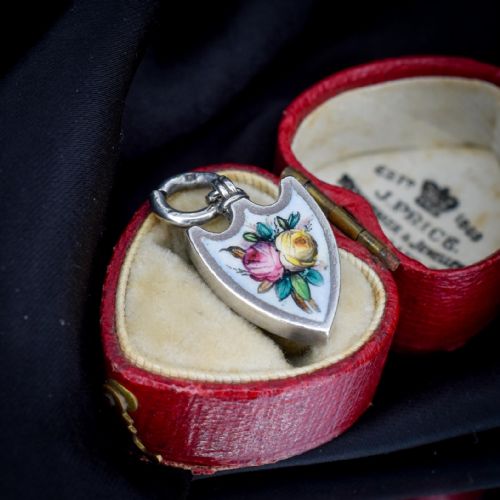
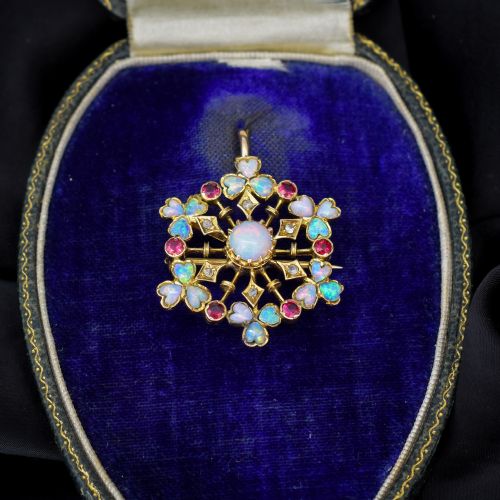
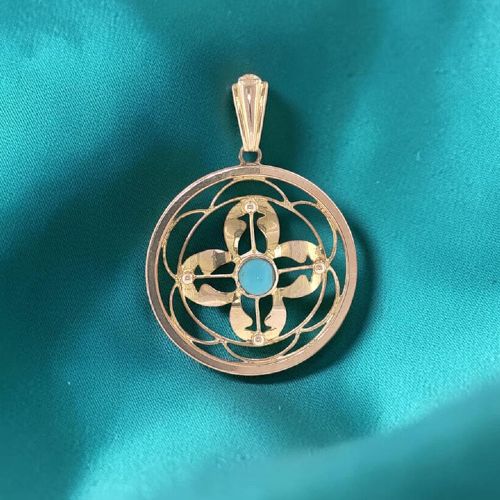
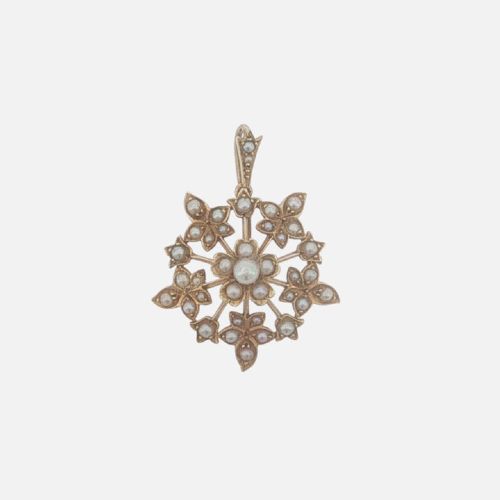
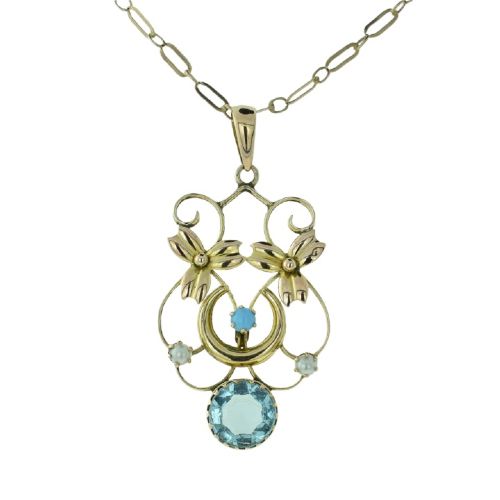
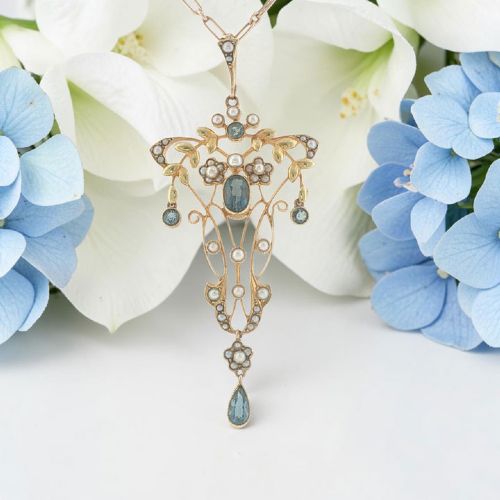
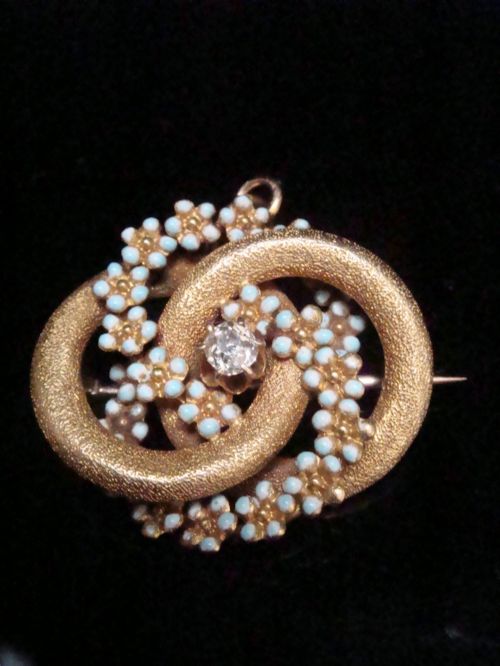
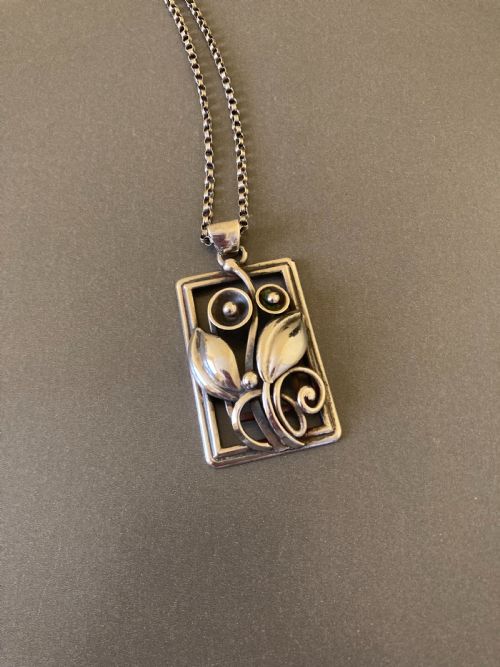
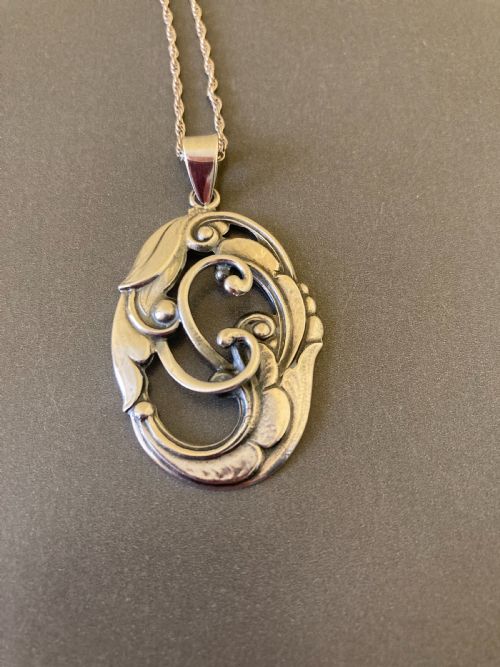
You are most likely to meet 9ct and 15ct gold examples set with seed pearls, turquoise, rubies, and diamonds, alongside silver pieces featuring enamel work. The designs range from symmetrical Victorian clusters to flowing, organic Art Nouveau motifs shaped around botanical themes.
Materials and Techniques
Goldsmiths shaped yellow, rose, and white gold into intricate wirework, settings, and engraved lockets, often combining metals to highlight specific floral elements like leaves and petals. Precious and semi-precious stones including diamonds, sapphires, rubies, and aquamarines were hand-cut and secured in collet or cluster settings.
Seed pearls and turquoise beads were threaded or pegged onto gold stems, while skilled artisans applied vibrant enamel to silver and gold surfaces to render realistic petals and stems. Many intricate pieces utilise fine chains and articulated drops that allow the floral elements to move naturally when worn.
Antique Floral Pendant Retail Price Guide 2026
Typical asking prices for floral pendant among the pieces listed under this phrase on Sellingantiques today, from the lower quarter to the upper quarter. They describe what is for sale here now, not the wider market.
The listings combine Victorian, Edwardian, and Art Nouveau periods, uniting gold, silver, seed pearls, and diamonds in botanical forms.
Quality and Craftsmanship
The distinction between standard items and superior examples lies in the depth of hand-engraving and the precision of stone matching. Finer pieces demonstrate meticulous granulation, secure pearl setting, and nuanced enamel shading that imitates actual botanical specimens.
Design complexity also defines the range, as master jewellers integrated articulated components and multi-tiered gemstone clusters into a cohesive floral shape. Lesser examples rely on mass-stamped metalwork with minimal hand-finishing and simpler stone arrangements.
S. Blanckensee & Son
The Antique Floral Pendant Glossary
- Lavalier
- A pendant featuring a primary stone or motif from which one or more smaller drops are suspended. This style gained immense popularity during the Edwardian period.
- Seed Pearl
- Tiny, naturally occurring pearls often used in clusters to form delicate flower petals. They require careful handling due to their diminutive size.
- Enamel
- Vitrified glass powder fused to metal through high-heat firing to create colourful, glossy floral decoration. It appears frequently in Art Nouveau jewellery.
- Convertible Brooch
- A versatile piece designed with a removable pin and a hidden bail so it functions as either a brooch or a pendant. These pieces offer dual display options for the wearer.
- Repoussé
- A metalworking technique where the design is hammered into relief from the reverse side. This method allowed makers to create three-dimensional floral motifs on lockets and pendants.
Antique Floral Pendant: Frequently Asked Questions
How do I date an antique floral pendant?
Examine the metal purity marks, stone cuts, and stylistic clues to determine the era. Victorian pieces often feature heavy engraving and closed-back settings, while Edwardian examples favour platinum-topped gold, airy openwork, and seed pearls.
Art Nouveau jewellery introduces flowing, asymmetrical plant lines and colourful enamel work. Consulting hallmarks and maker's marks provides further chronological precision.
Can I wear my pendant every day?
Many of these pieces are sturdy enough for regular wear if treated with care. However, seed pearls and enamel require gentle handling and should be kept away from harsh chemicals and ultrasonic cleaners.
Removing the pendant before swimming, sleeping, or exercising protects fragile settings and delicate gold chains from accidental damage.
Are these pendants also brooches?
Several pieces in this category are convertible designs featuring both a pin mechanism on the back and a small loop for a chain. This clever engineering allowed the original owner to pin the flowers to a lapel or suspend them from a necklace.
You can easily transition between wearing methods depending on your outfit and the style of the mounting.
What stones appear in these pieces?
Jewellers utilised a wide palette of gemstones to represent natural blossoms and foliage. Diamonds, rubies, sapphires, emeralds, and aquamarines provide vivid colour and sparkle in cluster and drop configurations.
Softer organic materials like seed pearls, turquoise, and opals were also favoured for their gentle lustre and harmonious pairing with yellow and rose gold.