

Antique Floral Painted Lamp
An antique floral painted lamp brings hand-coloured botanical or decorative motifs onto ceramic, glass, or metal bodies to warm a room with soft light.
Antique Floral Painted Lamp
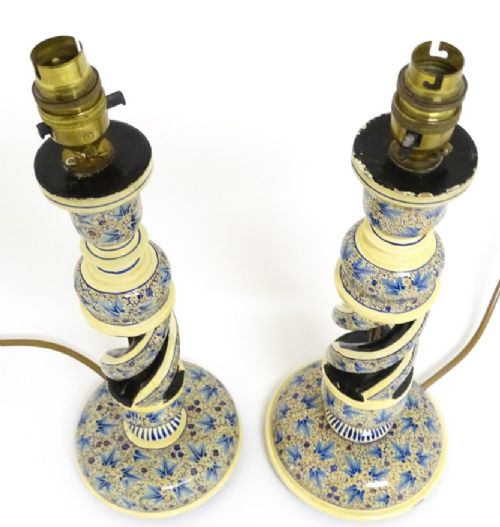
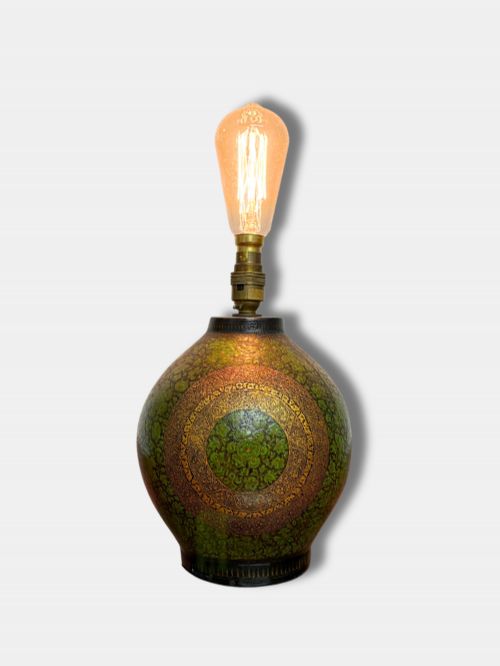
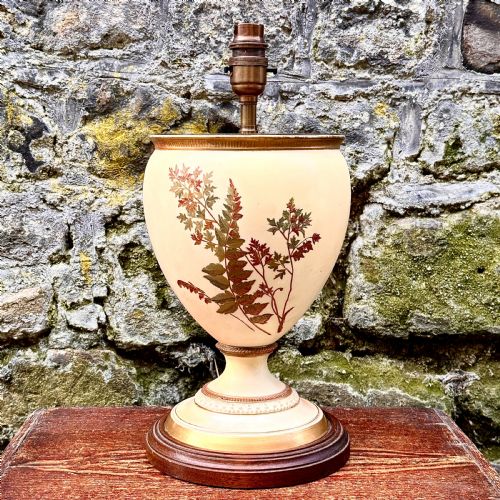
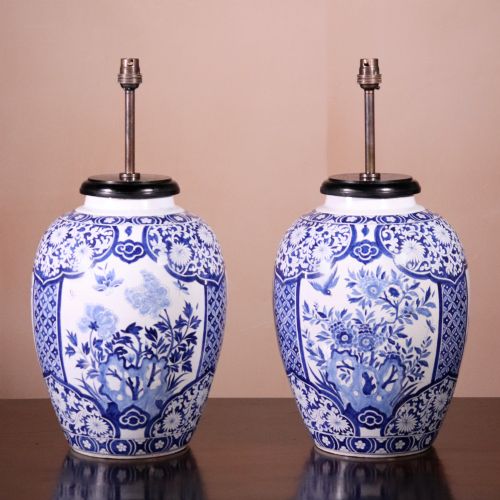
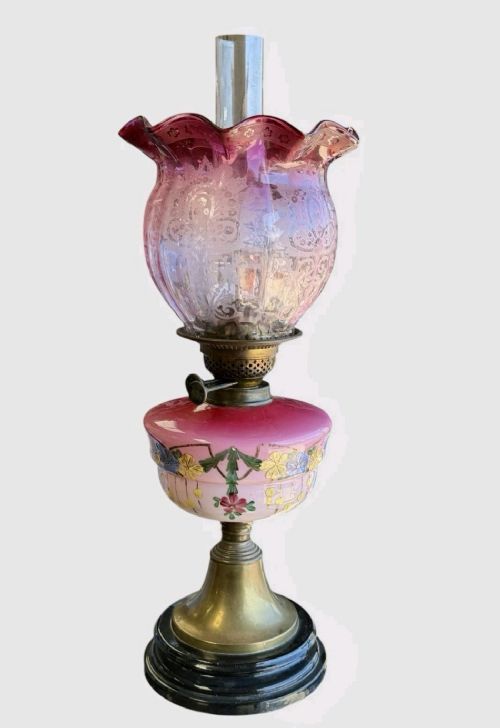
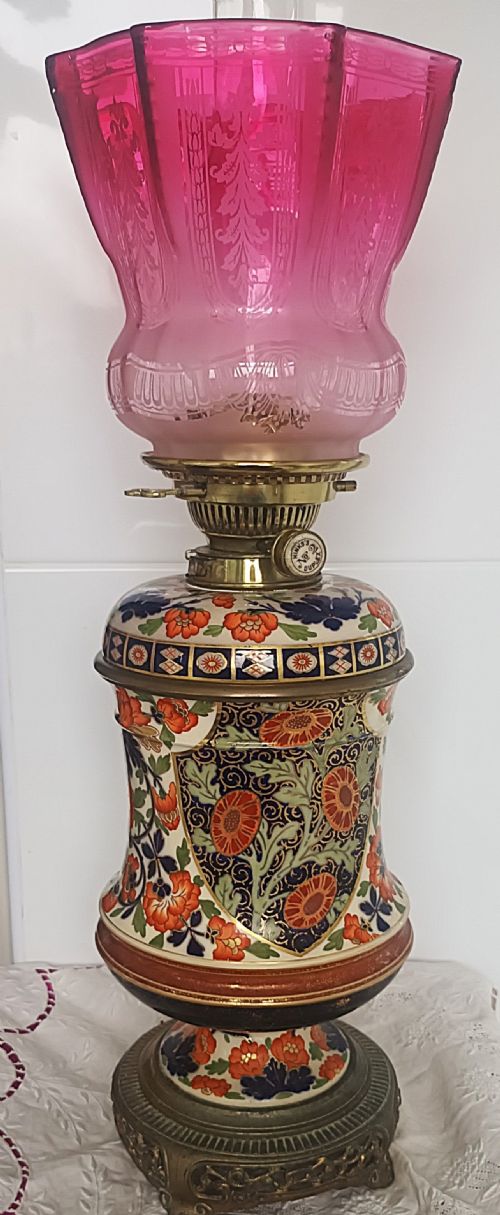
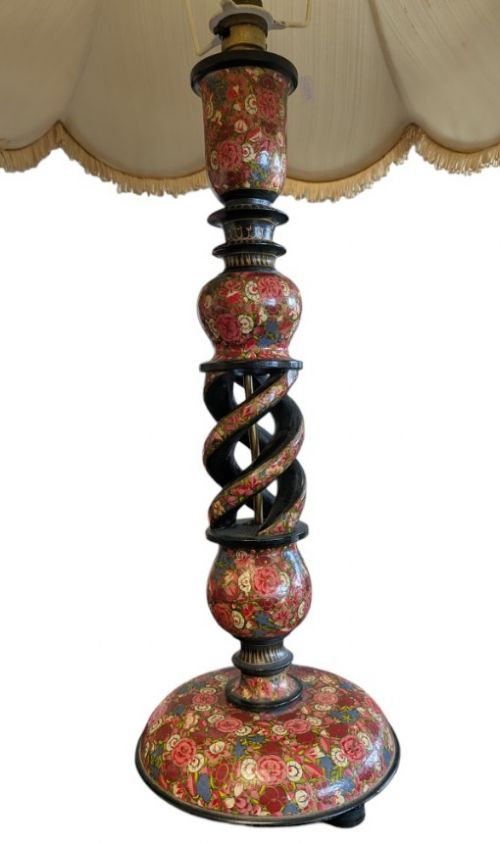
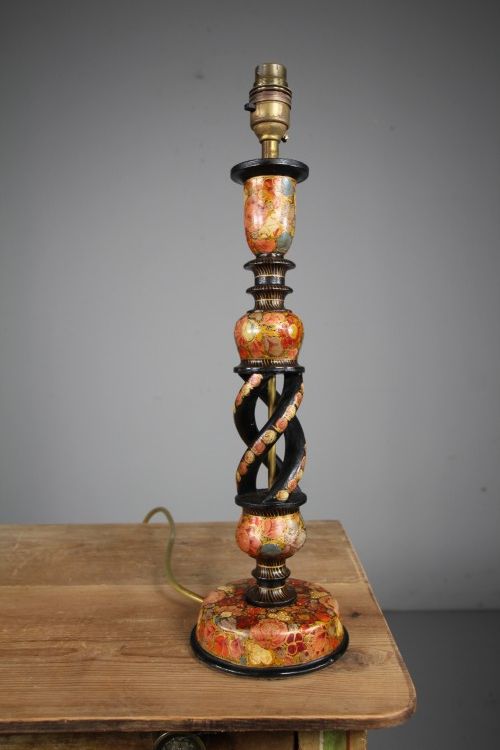
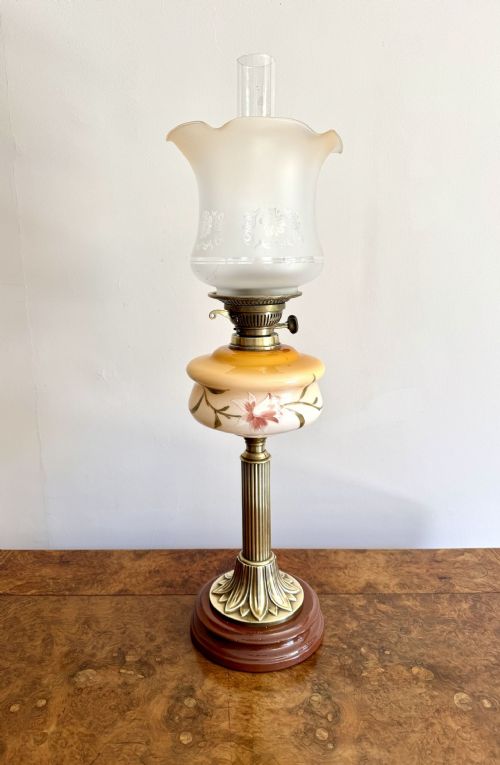
When searching for an antique floral painted lamp, collectors encounter a diverse group of lighting fixtures and illuminated furnishings spanning the nineteenth and early twentieth centuries. These objects range from converted Victorian oil lamps with hand-painted porcelain fonts and glass shades to early twentieth-century Kashmiri wooden table lamps decorated with floral schemes.
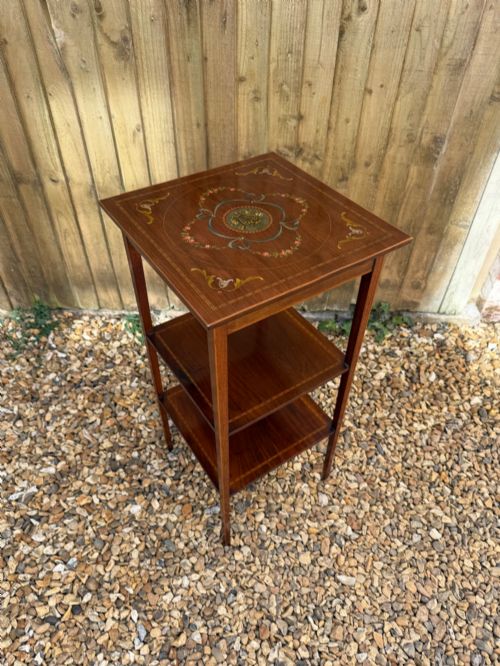
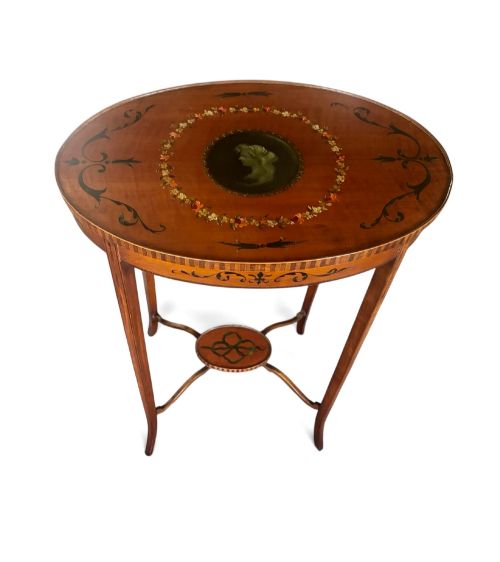
The selection here frequently includes Victorian oil lamps featuring painted glass or ceramic reservoirs, alongside Edwardian satinwood tables that incorporate floral painted surfaces specifically designed to hold a lamp. Examples extend to Asian-influenced designs, including Chinese style jar lamps and Indian pieces utilising lacquer and paint.
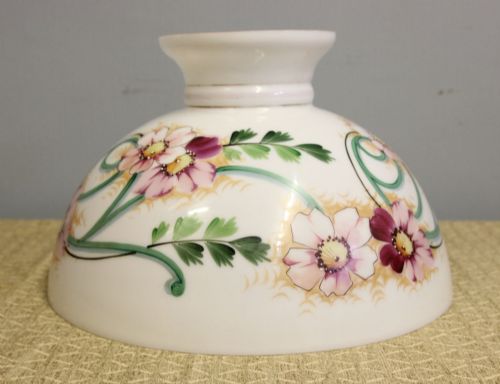
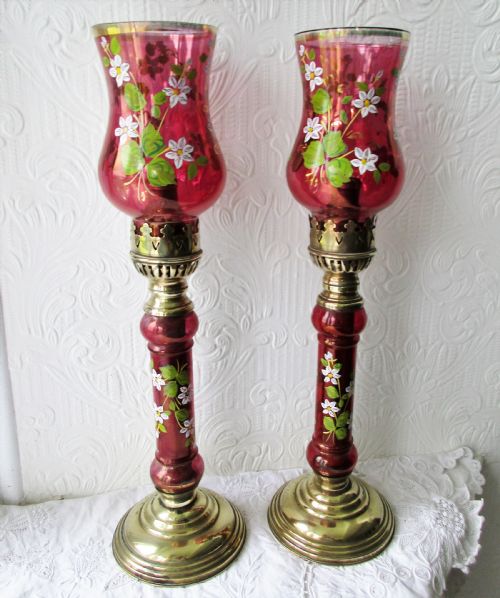
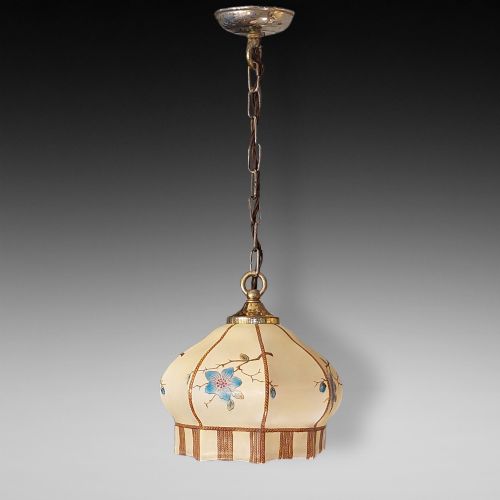
Makers and workshops from various regions applied botanical decoration to diverse structural forms, encompassing brass candle-lamps, French toleware chandeliers, and opaline hanging lamp shades. The unifying element across these pieces is the presence of hand-painted floral motifs applied to period materials.
Materials and construction methods
The physical structure of these items relies heavily on traditional metalworking, glass blowing, and cabinetmaking techniques. Brass, gilt bronze, wrought iron, and carved wood provide the sturdy frames and bases required for domestic lighting and supporting occasional furniture.
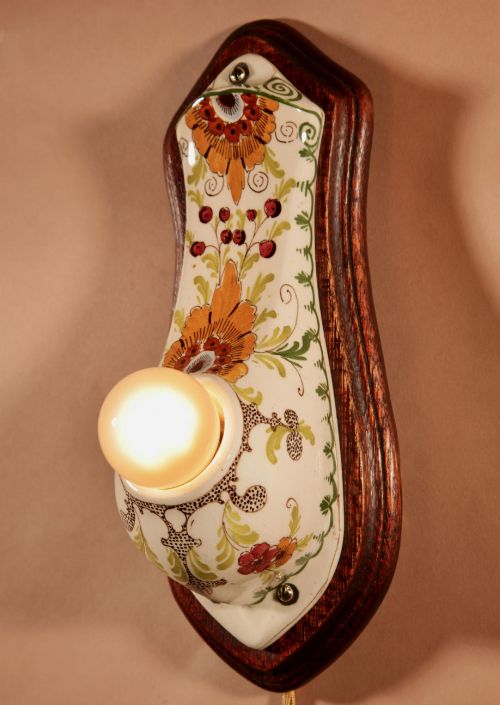
Decoration was achieved through direct hand-painting on porcelain, glass, satinwood, and lacquer surfaces. Artisans utilised enamels, gilt gold, and polychrome pigments to create botanical designs, often sealing the painted elements onto cranberry glass, opaline, or ceramic bodies.
A cheerful splash of hand-painted flora ensures these tables and lamps keep blooming indoors long after the garden fades.
Determinants of quality
The standard of an antique floral painted lamp depends directly on the execution of the hand-painted decoration and the integrity of the materials. Finely detailed botanical brushwork executed by skilled hands on porcelain or satinwood elevates a piece significantly above routine factory output.
Construction quality shows in the weight of the brass or bronze mountings, the clarity of the cranberry or opaline glass, and the stability of wooden frames such as mahogany or satinwood tables. Original components, including matching shades and fonts, retain higher integrity than assembled pairings.
Royal Worcester·Hinks·Taylor Tunnicliff
The Antique Floral Painted Lamp Glossary
- Satinwood
- A durable hardwood with a natural sheen, commonly utilised in Edwardian occasional tables and painted with floral decoration.
- Toleware
- Painted or enamelled sheet metal items, often shaped into chandeliers, shades, or decorative vessels.
- Opaline glass
- A milky, translucent glass popular in nineteenth-century lighting and shade manufacture.
- Famille verte
- A Chinese ceramic palette dominated by green enamel colours, often adapted into nineteenth-century lamp bodies.
Antique Floral Painted Lamp: Frequently Asked Questions
What periods do these lamps come from?
The pieces span the nineteenth century through the early decades of the twentieth century, including Victorian and Edwardian examples.
Dates stretch from the eighteen-eighties oil lamps up to nineteen-thirty Kashmiri wooden lighting and French chandeliers.
Were oil lamps converted to electricity?
Many period oil lamps and lamp holders have been rewired for modern electrical use to suit contemporary domestic spaces.
Conversion allows historical bases and hand-painted fonts to function safely with modern plugs and bulbs.
What materials are common in these pieces?
Construction materials include brass, wood, porcelain, glass, wrought iron, and satinwood.
Decoration relies on paint, lacquer, enamel, and gilt gold applied directly to these structural surfaces.
How do I identify Kashmiri lamps?
Kashmiri pieces typically feature wooden bodies finished with hand-painted floral decoration, often incorporating gilt and green colour schemes.
These items date predominantly from the early twentieth century and reflect traditional South Asian woodworking and painting traditions.