





Antique Floral Library Chair
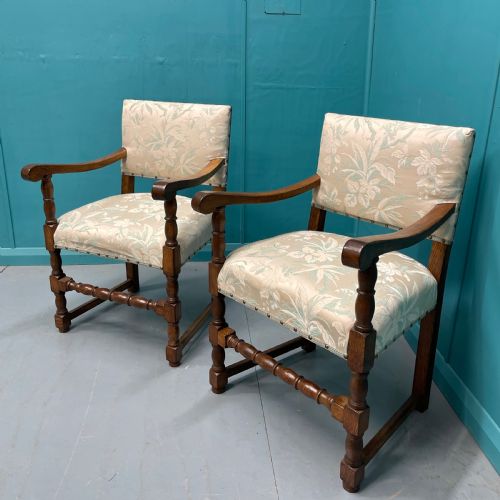
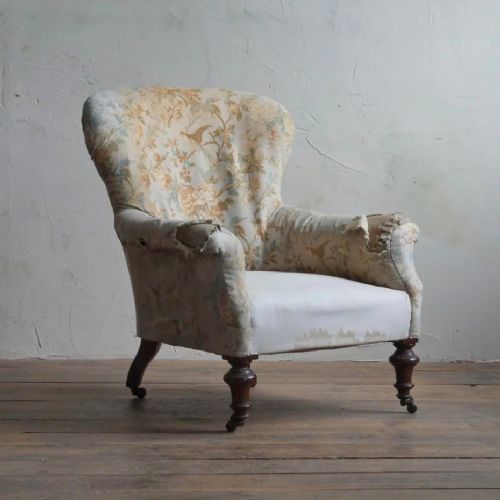
An antique floral library chair brings character to a reading room through rich upholstery and sturdy timber construction.
Antique Floral Library Chair
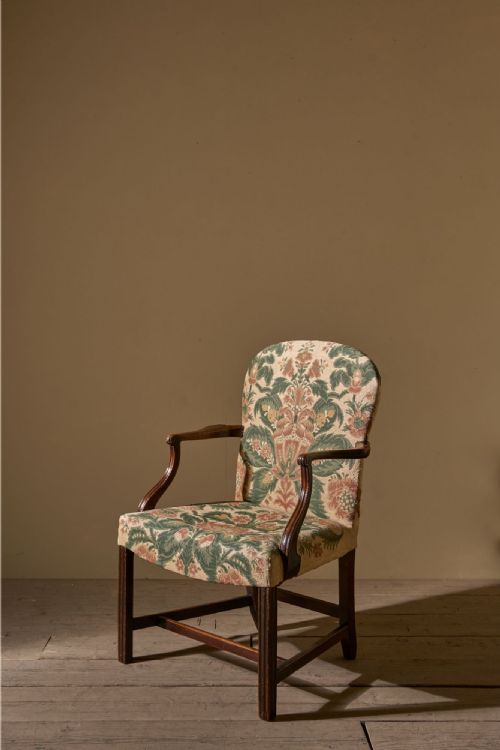
Buyers seeking an antique floral library chair encounter sturdy seating designed for reading rooms, studies, and drawing rooms. These forms span armchairs, desk chairs, and wingback fireside seats.
The selections available here range from Georgian mahogany desk chairs to Victorian walnut tapestry-covered armchairs and Edwardian wingbacks. Oak, walnut, and mahogany provide the structural timber frames for these upholstered seats.
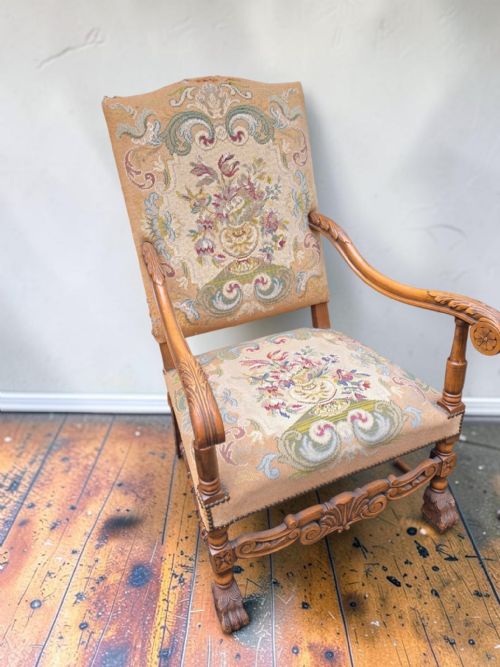
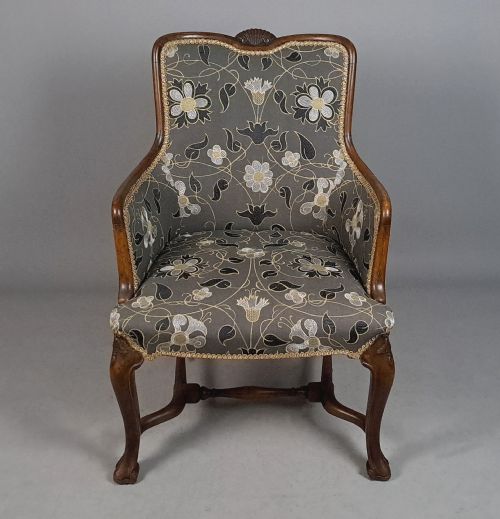
Makers utilised heavy fabrics such as tapestry, velvet, and patterned textiles to cover the sprung and padded frames. English country house and Victorian Gothic revival styles appear frequently across the periods represented.
Materials and construction methods
Frames rely on solid hardwoods like mahogany, walnut, and English oak, shaped through traditional joinery and occasional carved detailing such as green man motifs. Wood components provide structural integrity beneath heavy upholstery.
Upholstery incorporates textile coverings including tapestry and velvet, secured over padded interior stuffing with brass tacks. Brass hardware and castors complete the mobility and detailing of certain desk and reading seats.
Some Victorian armchairs feature carved wooden faces tangled in foliage, watching silently over the reader from the backrest.
Assessing quality in library seating
Superior examples demonstrate tighter joinery in the hardwood frame and more intricate timber carving, distinguishing them from simpler production. The choice of primary timber, from plain oak to figured mahogany or walnut, dictates the baseline dignity of the piece.
The distinction between standard upholstery and high-end execution lies in the choice of textile, such as heavy tapestry versus basic fabric, and the firmness of the internal padding. Original brass hardware and well-preserved surface patination elevate the standing of a seat.
Holland and Sons
The Antique Floral Library Chair Glossary
- Bergere armchair
- An upholstered seat featuring enclosed wooden frames with cane or fabric sides. This form offers a lighter silhouette than fully padded library chairs.
- Tapestry fabric
- A heavy, hand-woven or jacquard textile featuring pictorial or floral designs. It provides durable and decorative coverage for heavy nineteenth-century armchairs.
- Wingback armchair
- A high-backed seat featuring protective side panels designed to shield the occupant from drafts. These forms appear in Victorian and Edwardian variations.
- Desk chair
- A revolving or stationary seating form tailored for writing and office tasks. These often feature mahogany frames and leather or fabric upholstery.
- Green man
- A carved architectural or furniture motif depicting a human face entwined with foliage. This decorative element appears on heavy Victorian oak throne chairs.
Antique Floral Library Chair: Frequently Asked Questions
How do I identify a Victorian library chair?
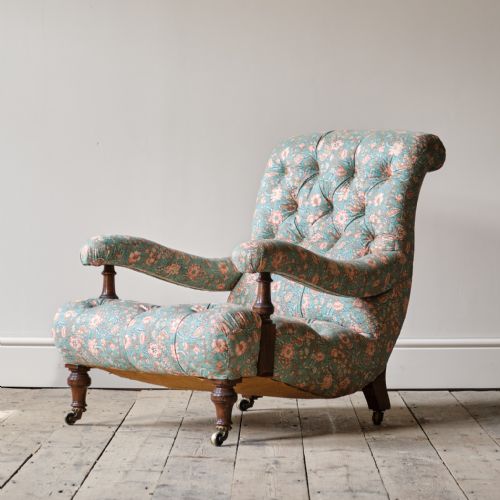
Victorian library chairs frequently exhibit darker timber frames, such as walnut or mahogany, paired with deep buttoning or heavy tapestry covers. Carved details and robust proportions are typical of this era.
Makers during this period also utilised oak and introduced varied revival styles, including Gothic elements, which distinguish them from lighter Regency or Georgian predecessors.
Where should I place a wingback chair?
Wingback chairs suit corners of studies, drawing rooms, or beside fireplaces where their side panels block draughts. Their tall profiles provide a strong visual anchor in larger rooms.
Pairing a wingback chair with a low reading table or desk creates a functional reading nook. Ensure adequate floor space allows the flared wings and arms to sit comfortably clear of surrounding furniture.
Are these chairs suitable for daily desk use?
Many period library and desk chairs are built with sturdy mahogany or oak frames suitable for regular seating. Versions designated as desk chairs often feature lower arms to fit neatly beneath writing surfaces.
Buyers should examine the height and fixed or swivel nature of each specific seat to ensure it matches their modern desk setup. The internal padding and fabric durability also influence daily comfort.
What timber is most common?
Mahogany and walnut appear most frequently across these nineteenth- and early twentieth-century listings. Oak is also utilised, particularly in heavier Victorian and Edwardian items.
These hardwoods provided the structural strength required for chairs subjected to frequent shifting and heavy upholstery loads. The choice of wood often aligns with the prevailing style and period of the manufacture.