

Antique Floral Furniture
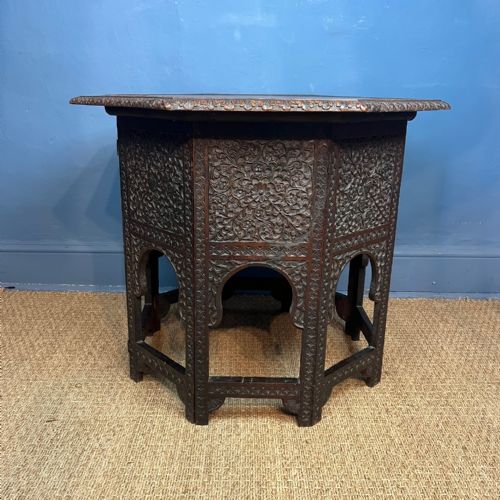
Antique floral furniture brings botanical artistry into domestic interiors through intricate marquetry, hand-painted decoration and needlework.
Antique Floral Furniture
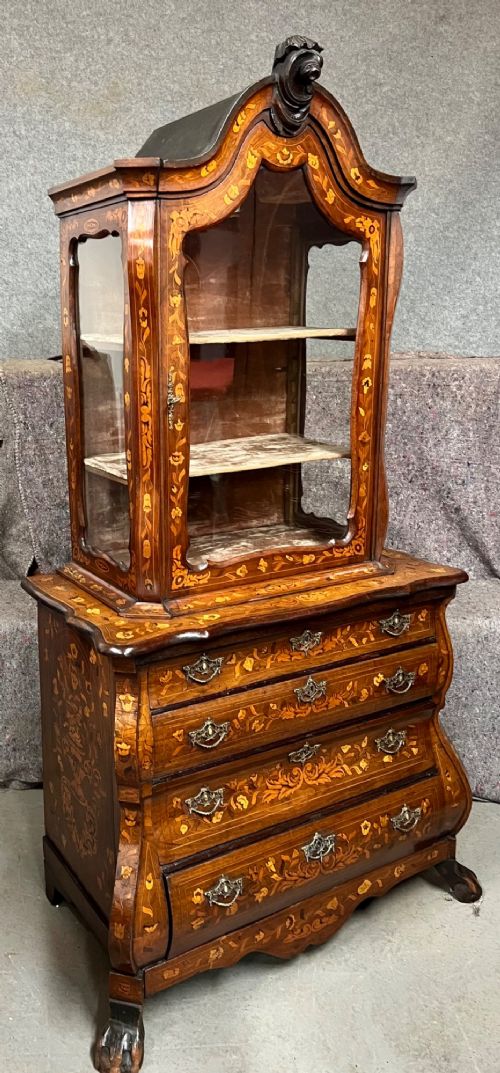
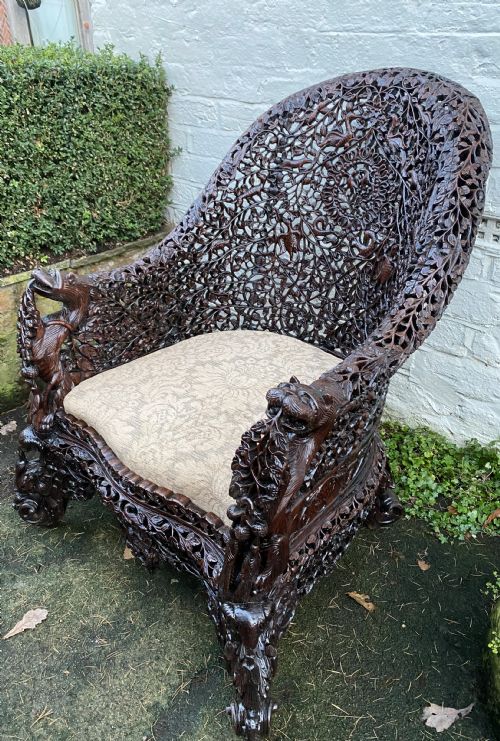
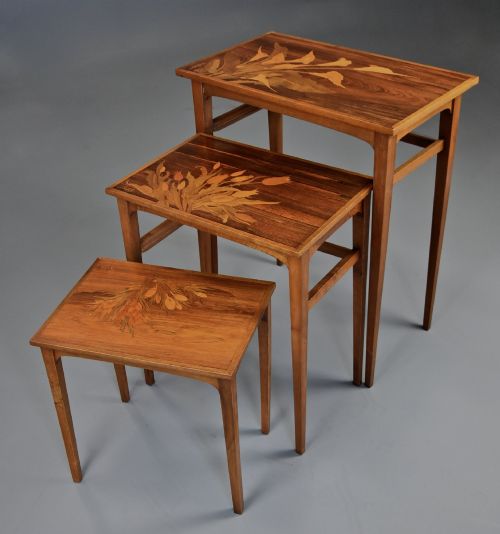
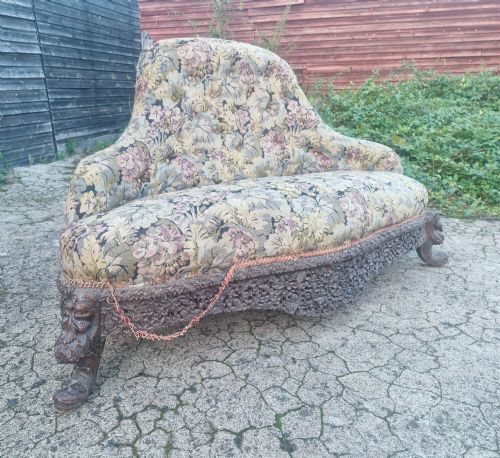
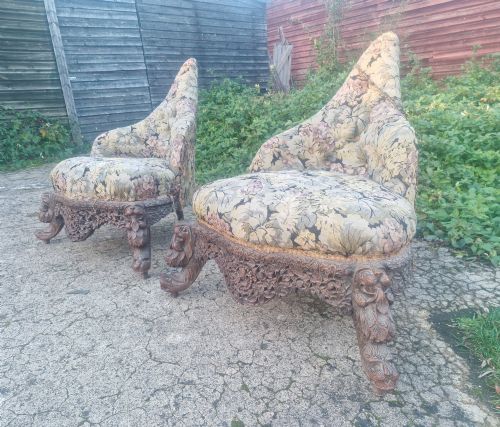
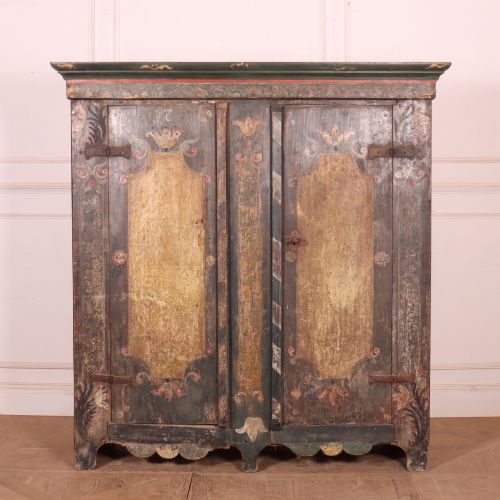
When buyers search for antique floral furniture, they encounter pieces defined by botanical ornamentation across varied forms. Cabinets, chests of drawers, side tables and chairs form the core of this category.
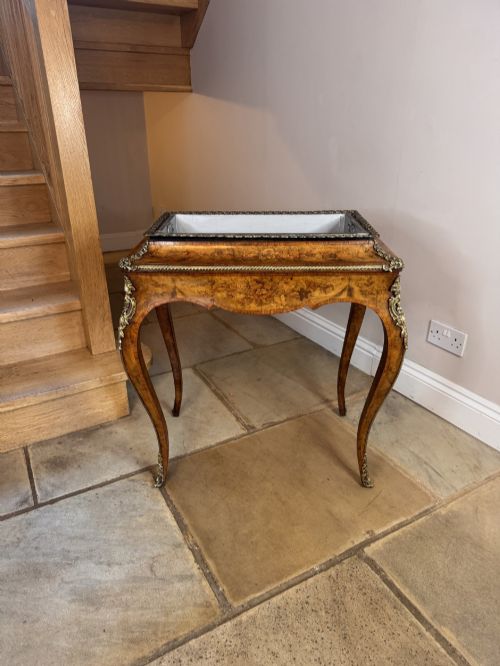
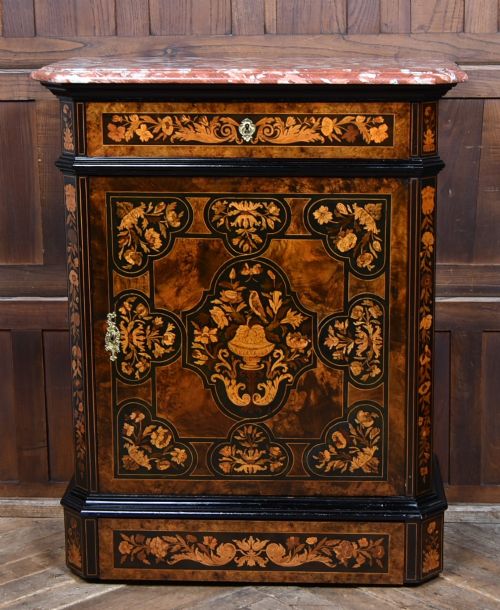
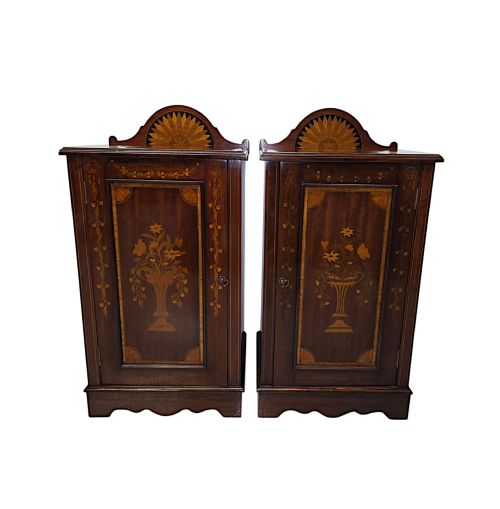
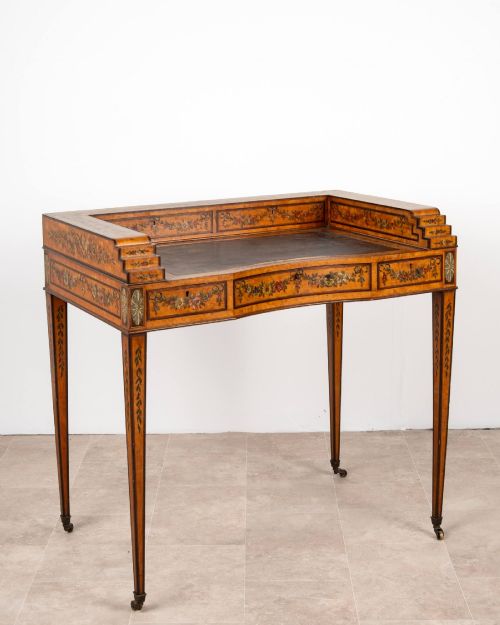
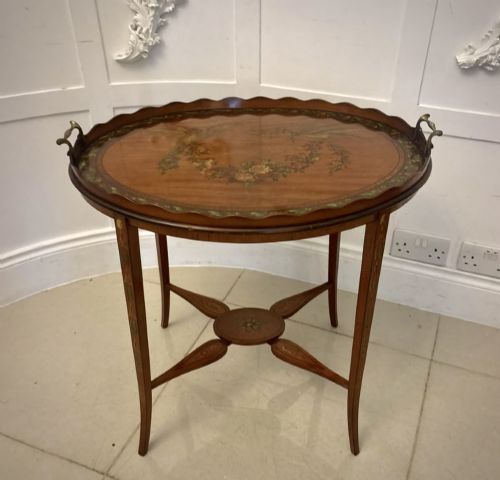
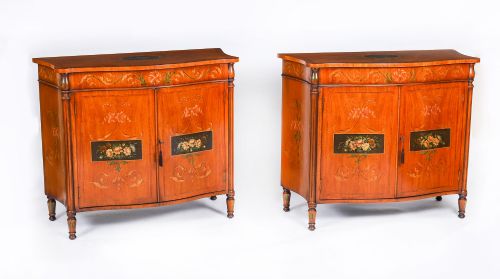
Dutch marquetry pieces from the eighteenth and nineteenth centuries dominate the selection, alongside Victorian and Edwardian examples featuring painted satinwood or inlaid woodwork.
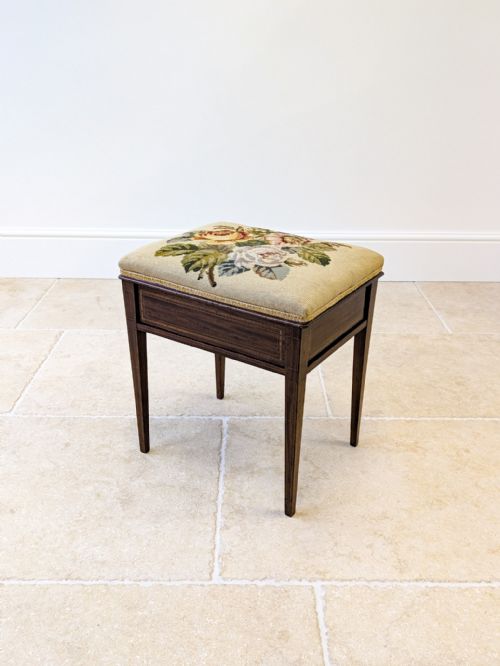
Functional items range from display cabinets and bureau bookcases to occasional tables and foot stools, each integrating floral motifs into the primary design.
Materials and construction
Cabinet makers utilised foundational woods including walnut, mahogany, satinwood and fruitwood, often applying burr veneers to create richly textured surfaces.
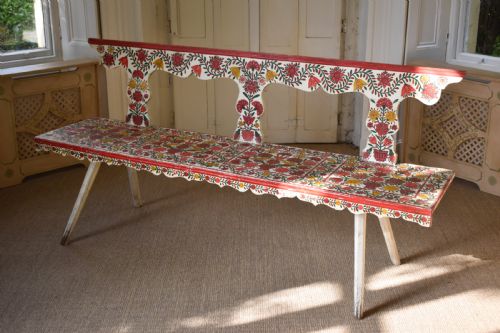
Floral decoration was achieved through marquetry, employing various tinted woods, bone or brass inlay to form botanical patterns, complemented by polychrome hand painting.
Antique Floral Furniture Retail Price Guide 2026
Typical asking prices for floral furniture among the pieces listed under this phrase on Sellingantiques today, from the lower quarter to the upper quarter. They describe what is for sale here now, not the wider market.
Materials span walnut, mahogany, fruitwood, brass and glass across tables, cabinets and chairs.
Determining quality in floral pieces
The sophistication of the marquetry work separates standard items from exceptional ones, judged by the depth of shading, precision of inlay and variety of timber tones utilised to render petals and leaves.
Structural integrity and the quality of secondary timbers, such as oak or pine carcass linings, distinguish master workshop production from more basic manufacturing.
Hewetsons London·Hampton and Sons London
The Antique Floral Furniture Glossary
- Marquetry
- The art of forming decorative patterns by fitting together veneers of different woods, metals or bone. This technique allows intricate floral designs to cover table tops and cabinet doors.
- Satinwood
- A durable hardwood with a lustrous yellow sheen, frequently used in the eighteenth and nineteenth centuries as a smooth canvas for hand-painted floral decoration.
- Burr walnut
- Timber taken from a tree growth resulting in intricate, swirling grain patterns. It provides a highly decorative background for floral marquetry inlay.
- Étagère
- A French open piece of furniture with multiple tiers for displaying small objects. These often incorporate marquetry panels and delicate legs.
- Demi-lune
- A half-moon shape characteristic of certain side tables and cabinets designed to fit flat against a wall. They frequently display painted floral motifs on their top surfaces.
Antique Floral Furniture: Frequently Asked Questions
How do I care for antique marquetry surfaces?
Keep wooden pieces away from direct sunlight and sudden temperature changes to prevent veneer from lifting. Apply natural wax polish sparingly and buff gently with a soft cloth.
Avoid using liquid cleaners or synthetic sprays, which can penetrate hairline cracks in the old finish and damage the underlying glues.
Are painted floral items durable for daily use?
Hand-painted decoration on Edwardian satinwood or Victorian furniture requires gentle treatment to preserve the pigments. Items like side tables and cabinets withstand normal light placement well.
Use coasters and placemats on surfaces to protect painted floral scenes from moisture rings and scratches during everyday activities.
How do I distinguish Dutch marquetry from later styles?
Dutch marquetry from the eighteenth century typically displays densely packed floral and urn motifs across the entire carcass, often using lighter fruitwoods against dark walnut.
Later Victorian and Edwardian revivals tend to feature more restrained, symmetrical floral sprays executed on satinwood or mahogany frames.
What rooms suit antique floral furniture best?
Smaller pieces like occasional tables, demi-lune cabinets and foot stools function effectively in living rooms as accent items. Their botanical designs soften formal seating arrangements.
Larger case pieces, such as display cabinets or chests of drawers, serve well in bedrooms or dining rooms where they provide functional storage alongside visual detail.