





Antique Floral Charger Plate
An antique floral charger plate brings bold painted botanical scenes and expansive display surfaces into a room from centuries past.
Antique Floral Charger Plate
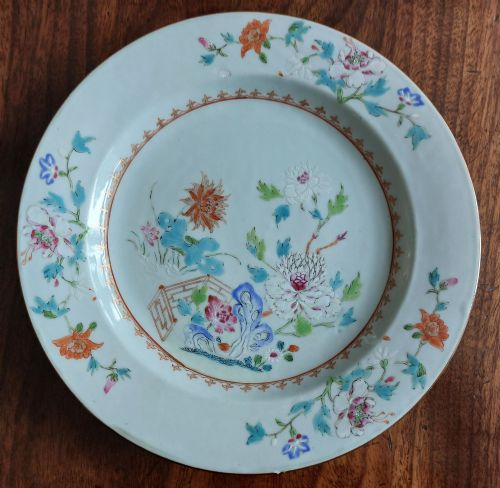
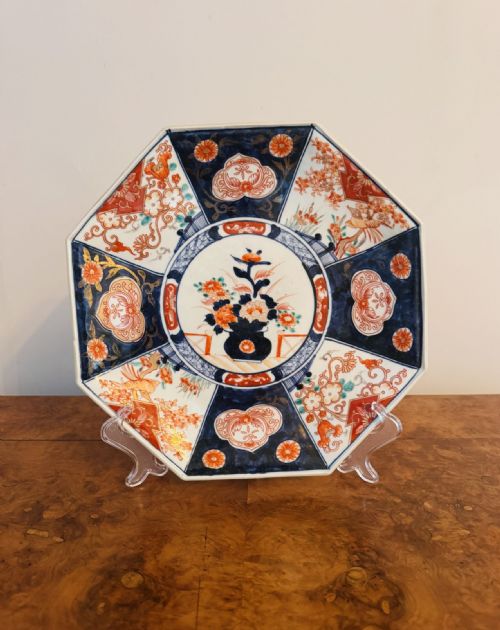
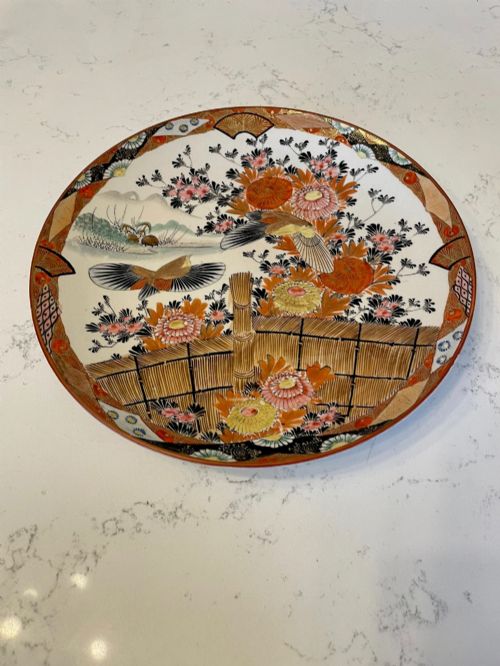
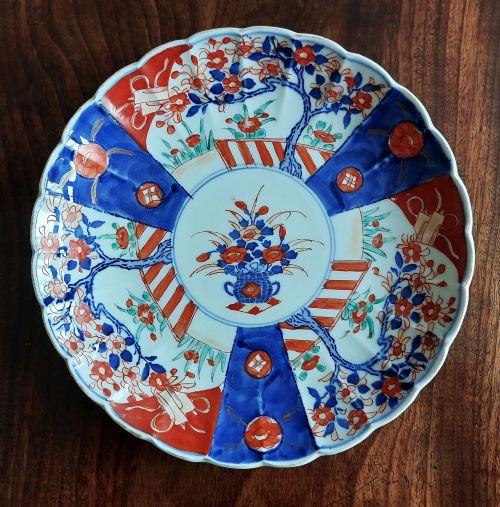
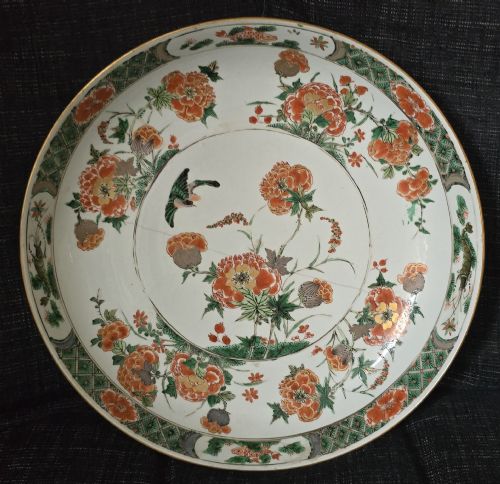
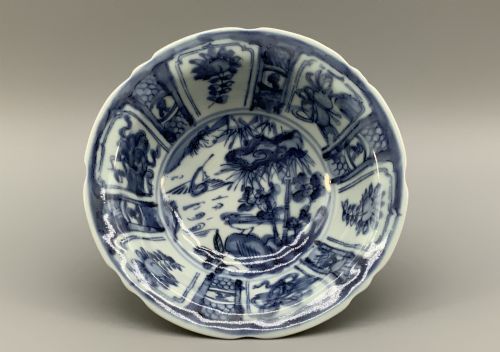
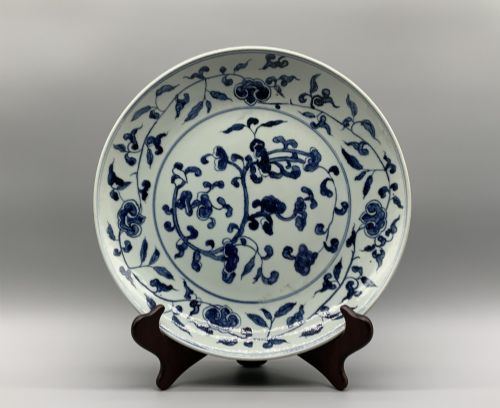
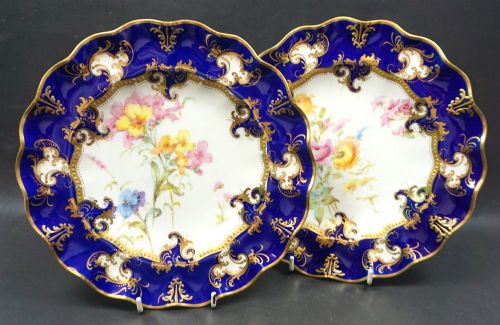
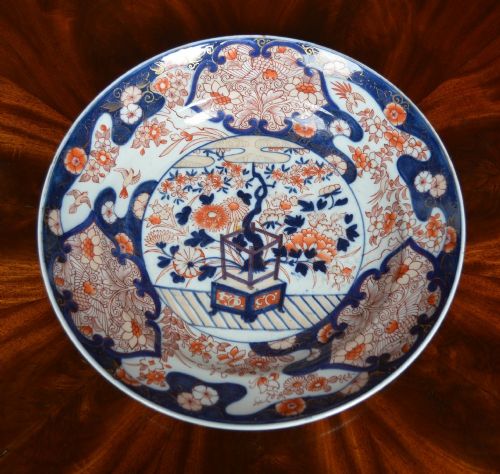
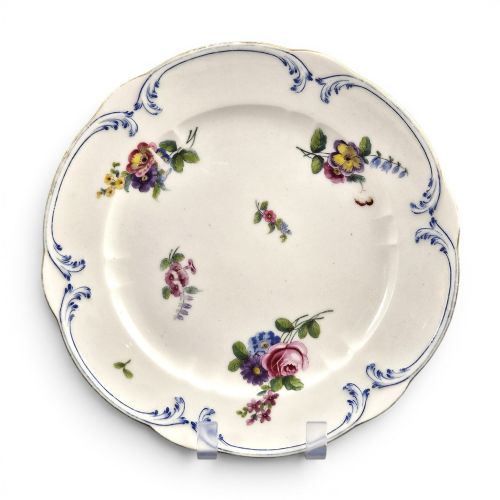
An antique floral charger plate stands as a wide decorative dish intended for display rather than routine dining, often measuring considerably larger than a standard dinner plate. These statement pieces emerge from diverse traditions, spanning English earthenware and Delftware alongside European hard-paste porcelain and Japanese Imari or Satsuma wares.
The selections encountered here range across the eighteenth, nineteenth, and early twentieth centuries, capturing shifts in global ceramic trade and domestic craft. Buyers select these items for their strong colour palettes, intricate botanical motifs, and capacity to anchor a wall display or cabinet arrangement.
How they were made
Potters shaped these vessels from local earthenware, ironstone, or refined porcelain clay bodies, frequently applying tin glazes or translucent finishes before firing. Artisans then painted floral subjects by hand using cobalt pigments, polychrome enamels, and occasionally gold leaf highlights.
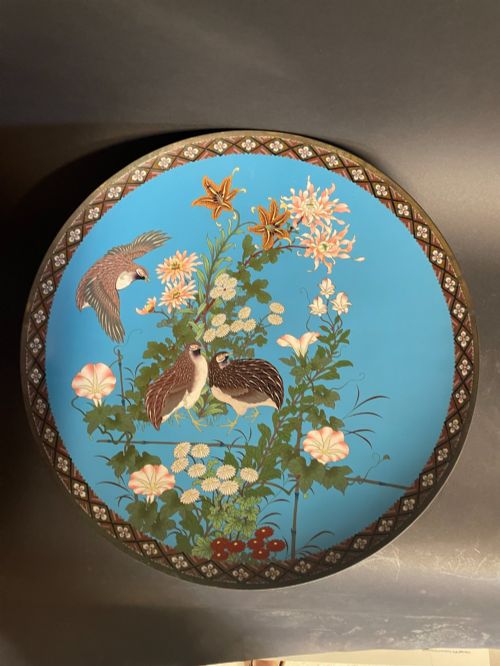
Metal versions incorporate copper and brass bases adorned with detailed cloisonné enamel work, where thin wire compartments hold powdered glass pastes fired to brilliant hues. Transfer printing also appears on select English pottery wares, allowing complex patterns to transfer mechanically onto the clay surface prior to glazing.
Listings feature porcelain, earthenware, copper, brass, and enamel materials spanning periods from seventeen hundred to nineteen twenty.
What varies in quality
Execution of the painted brushwork dictates the visual success of each composition, separating standard production wares from masterworks with crisp botanical detailing. Pigment saturation, kiln stability, and precision in enamel layering determine whether floral subjects read with depth and clarity.
The structural integrity of the ceramic body or metal substrate, combined with the preservation of surface gilding and enamel sheen, establishes the relative standing of individual plates. Superior pieces maintain balanced symmetry, clean foot rims, and registered patterns that align harmoniously across scalloped or lobed edges.
John Ford·Ambroise Michel·John Rogers and Son·John Davenport of Longport·Pucher Deroche
The Antique Floral Charger Plate Glossary
- Charger
- A large decorative plate or dish, traditionally exceeding standard dining dimensions and utilised for wall hanging or centrepiece display.
- Imari
- A style of Japanese porcelain featuring characteristic underglaze blue and iron-red overglaze decoration, frequently enriched with gold.
- Delftware
- Tin-glazed earthenware produced in England or the Netherlands, known for its opaque white surface and blue painted designs.
- Cloisonne
- A metalwork technique where fine wires form raised barriers on a copper or brass base to contain coloured glass enamels before firing.
- Satsuma
- A type of Japanese earthenware featuring a crackled ivory glaze and elaborate polychrome enamel paintings often depicting floral scenes.
- Transferware
- Pottery decorated by applying a printed design from an engraved copper plate onto the ceramic surface using paper.
Antique Floral Charger Plate: Frequently Asked Questions
How were antique floral charger plates originally used?
These large plates served primarily as decorative table centrepieces, sideboard displays, or wall ornaments during formal dining occasions in past centuries.
Their substantial surface area made them ideal for showcasing artistic ceramic painting rather than daily food service.
Can antique porcelain chargers be hung on walls safely?
Many period chargers feature integrated foot rings or drilled footrims designed specifically for hanging cord attachment by past owners.
When displaying these pieces today, appropriate spring-loaded brass wall hangers distributed across the rim provide secure support without stressing the ceramic body.
How do I distinguish Japanese Imari from English Delftware?
Japanese Imari relies on hard porcelain bodies decorated with deep underglaze cobalt blue, vibrant iron red, and gilt highlights featuring floral and panel motifs.
English Delftware employs porous earthenware covered in a chalky tin glaze, showing softer blue or polychrome brushwork influenced by imported Asian aesthetics.
What causes the crackled glaze on Satsuma ware?
The signature network of fine lines across Satsuma pottery results from the deliberate contraction difference between the clay body and its transparent glaze during cooling.
This deliberate crazing provides a pale textured backdrop that enhances the detailed polychrome enamel floral scenes painted on top.