


Antique Floral Ceramic Lamps
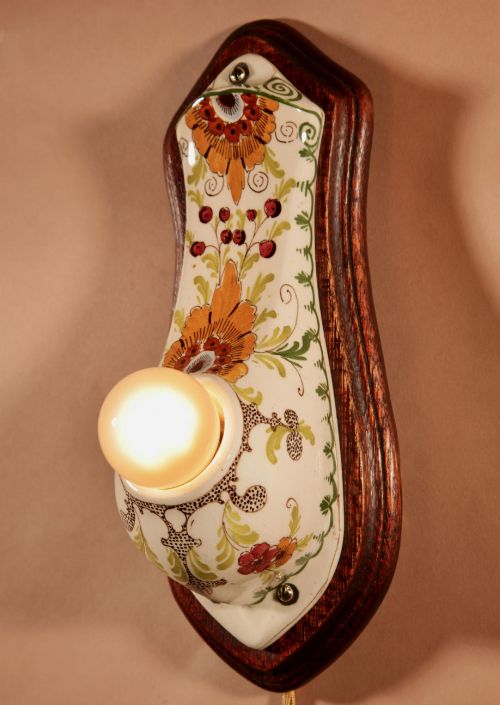
These antique floral ceramic lamps bring hand-painted botanicals and varied glazed bodies into domestic interiors, offering period character alongside warm illumination.
Antique Floral Ceramic Lamps
When you search for antique floral ceramic lamps, you encounter a diverse gathering of electrified vessels, converted oil burners, and studio pieces decorated with botanical motifs. These domestic objects span the nineteenth and twentieth centuries, uniting utilitarian origins with decorative painting.
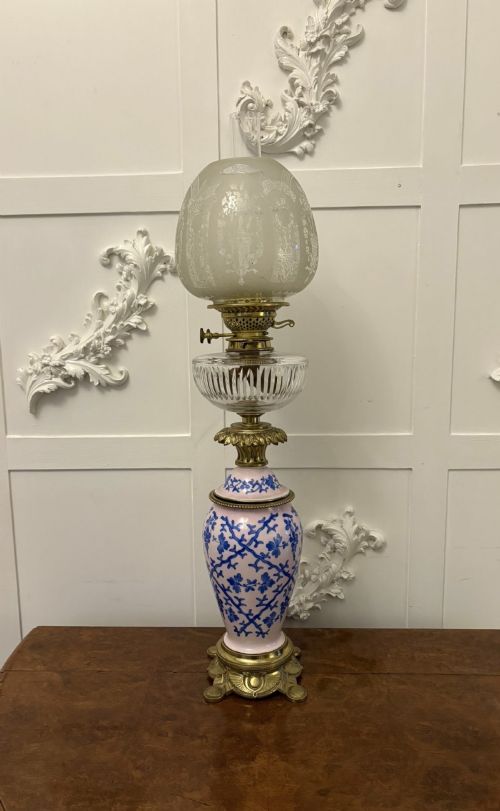
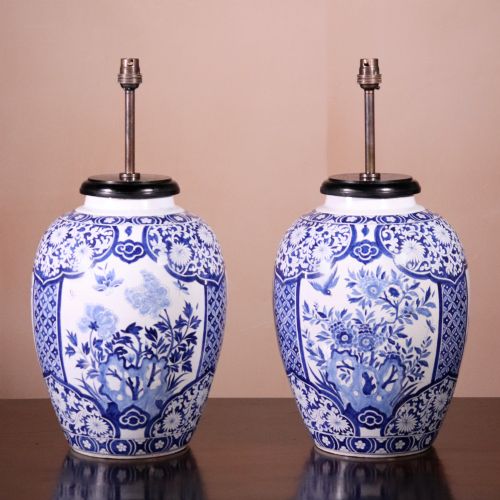
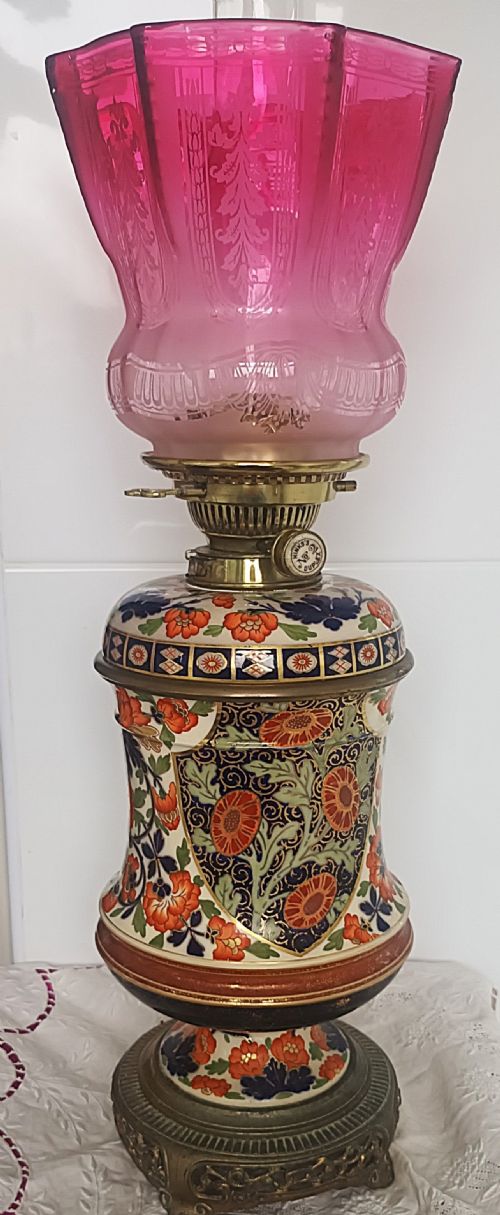
The selections on this page are dominated by converted Chinese porcelain jars and vases alongside European factory productions. You meet Victorian oil lamps fitted with ceramic fonts, alongside blue and white or famille rose ginger jars adapted for modern lighting.
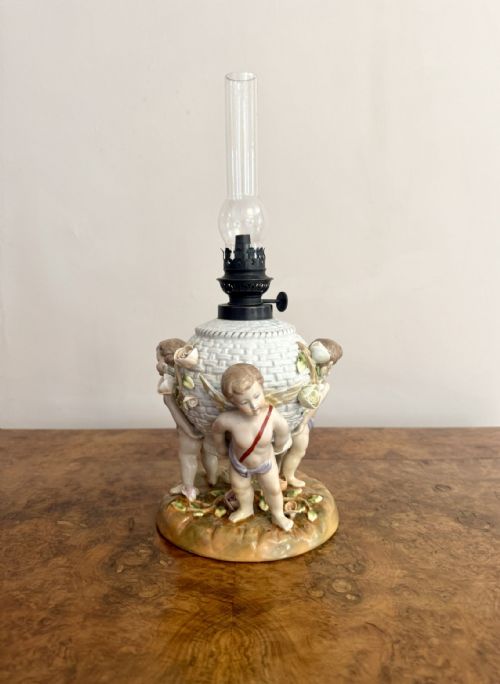
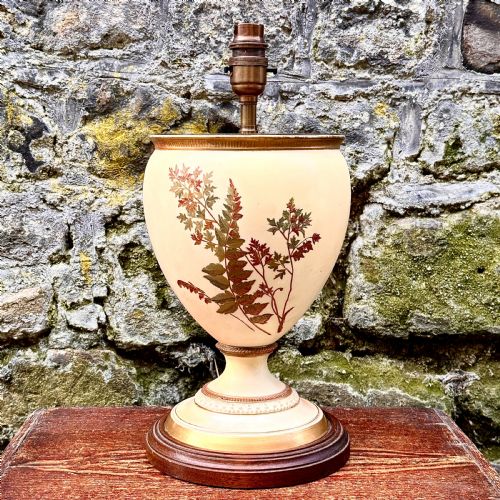
Periods range from the Victorian era and Edwardian years through to Art Nouveau and Art Deco designs. Forms include baluster vases, table lamps, and night lights made from porcelain, faience, and earthenware.
How they were made
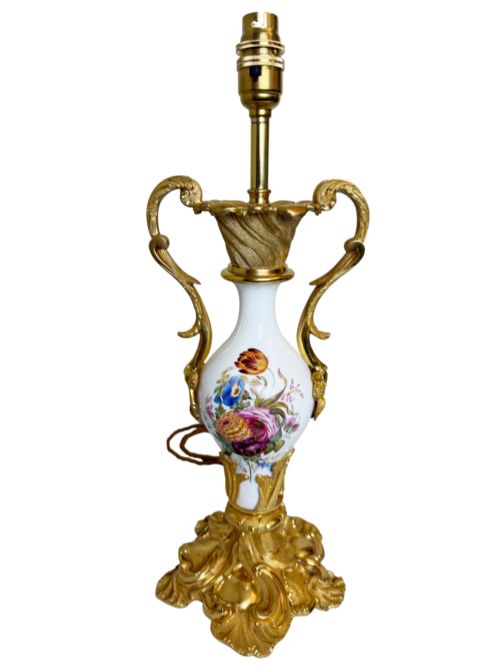
Makers shaped ceramic bodies on the wheel or in moulds using porcelain, earthenware, or faience, before applying hand-painted floral designs and glazes. Many pieces incorporate brass, gilt bronze, or ormolu mounts to secure the ceramic components and form stable bases.
Techniques such as pâte-sur-pâte built up raised white slip decoration over coloured ceramic grounds to create detailed floral reliefs. Potters utilised cobalt blue underglazes or enamelled palettes before firing the wares in kilns to vitrify the surfaces.
Materials span porcelain, glass, brass, wood, fabric, enamel, gilt bronze, and ceramic across nineteenth and twentieth-century items.
What varies in quality
Quality reveals itself in the crispness of the hand-painted floral details and the depth of the ceramic glaze. Superior examples display refined brushwork and carefully proportioned mounts that integrate the ceramic vessel with its metal fittings.
The integration of metal mounts, such as gilt bronze or brass collars, distinguishes finer productions from simpler utilitarian conversions. Better pieces maintain original factory characteristics even when adapted with modern wiring.
Royal Worcester·Sitzendorf·Denby Ware·Hinks and Taylor Tunnicliff
The Antique Floral Ceramic Lamps Glossary
- Baluster
- A tapering, vase-shaped form with a rounded lower body and a narrower neck. This silhouette appears frequently in Chinese and European porcelain lamp bases.
- Famille Rose
- A Chinese ceramic palette introduced in the eighteenth century, distinguished by opaque pink enamels used alongside other colours to depict floral scenes.
- Faience
- Tin-glazed earthenware produced in various European traditions, often hand-painted with botanical motifs and brightly coloured enamels.
- Pâte-sur-pâte
- A ceramic technique involving the application of successive layers of liquid clay slip to build up low-relief designs before firing.
- Ormolu
- Gilt bronze mounts applied to furniture, clocks, and ceramic lamp bases to provide decorative structure and metallic contrast.
Antique Floral Ceramic Lamps: Frequently Asked Questions
Are these lamps converted from old vases?
Many examples began life as ginger jars, baluster vases, or oil lamp fonts before being adapted for electrical use. This conversion process often preserves the historic ceramic body while updating the internal wiring for contemporary domestic spaces.
Makers and collectors have repurposed these vessels across generations, turning decorative porcelain into functional table lighting without altering the original painted surfaces.
What periods are represented here?
The selection spans the nineteenth and twentieth centuries, encompassing Victorian, Edwardian, Art Nouveau, and Art Deco eras. Each period brings distinct decorative styles, from Chinese export porcelain to British earthenware and French faience.
Dates range from the Victorian period through to the interwar years, offering a broad spectrum of historical manufacturing traditions.
How should I care for these ceramics?
Dust the ceramic bodies and metal mounts gently with a dry, soft cloth to prevent accumulation. Avoid abrasive cleaners or excess moisture on hand-painted enamel surfaces and historic metal fittings.
Position the lamps away from direct sunlight to protect painted floral pigments and glazes over time.