




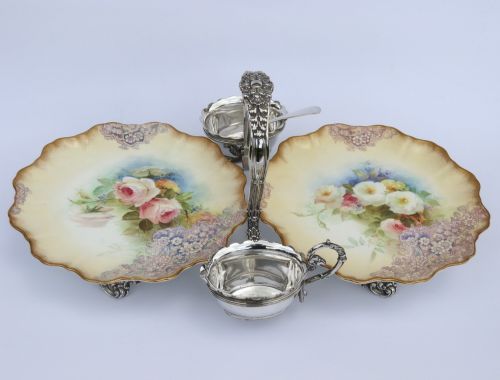
Antique Floral Centerpiece
An antique floral centrepiece brings heavy porcelain or worked silver directly to the table, offering a formal focal point shaped by Victorian, Edwardian, and Georgian hands.
Antique Floral Centerpiece
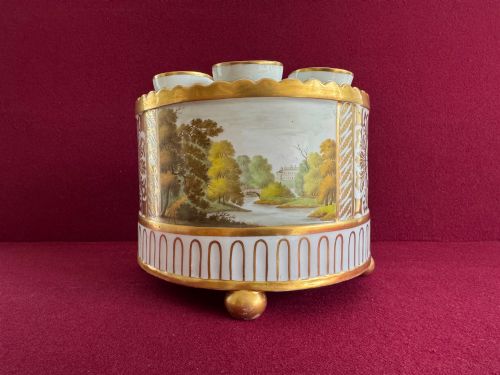
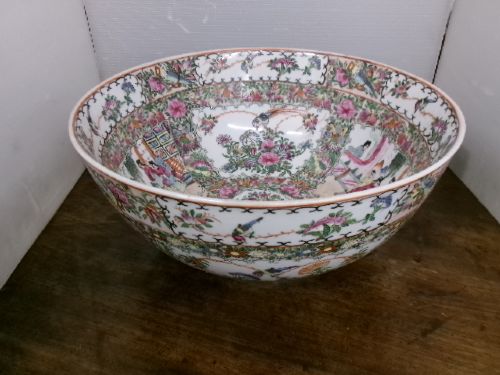
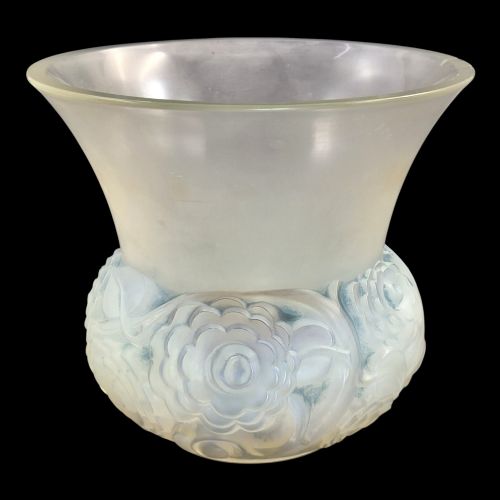
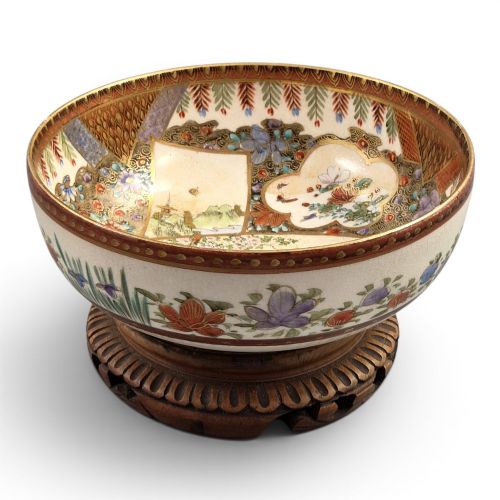
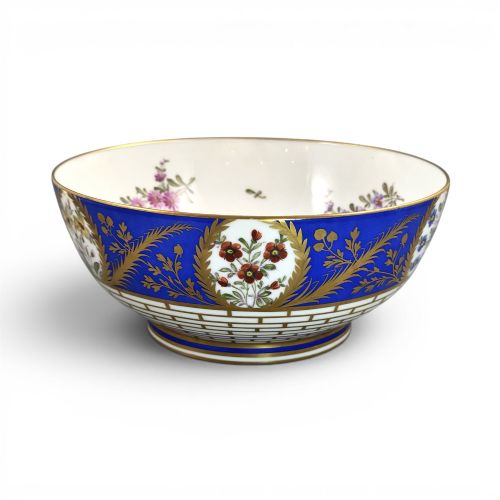
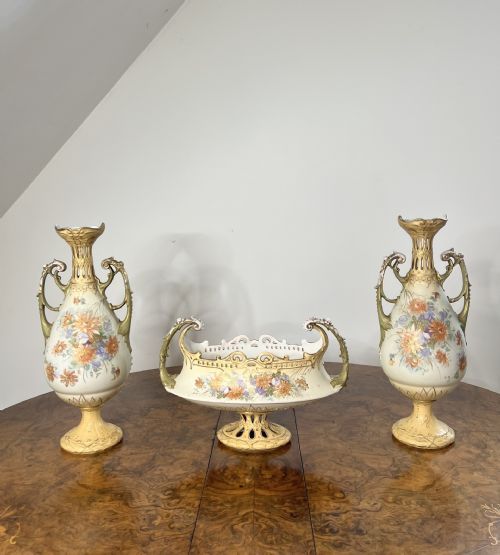
An antique floral centrepiece serves as a prominent table ornament, appearing primarily across Victorian, Edwardian, and Georgian periods in various ceramic and metal forms. Collectors frequently encounter decorative bowls, footed comports, and elaborate porcelain baskets adorned with painted or applied blooms.
The selection spans domestic English ironstone and bone china alongside continental porcelain from German and French factories. Alongside ceramics, silver plate and solid silver iterations emerge with chased or repoussé botanical motifs designed for grand dining spaces.
Materials and construction methods
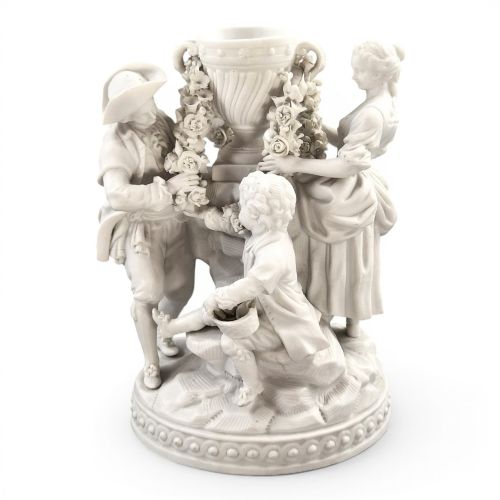
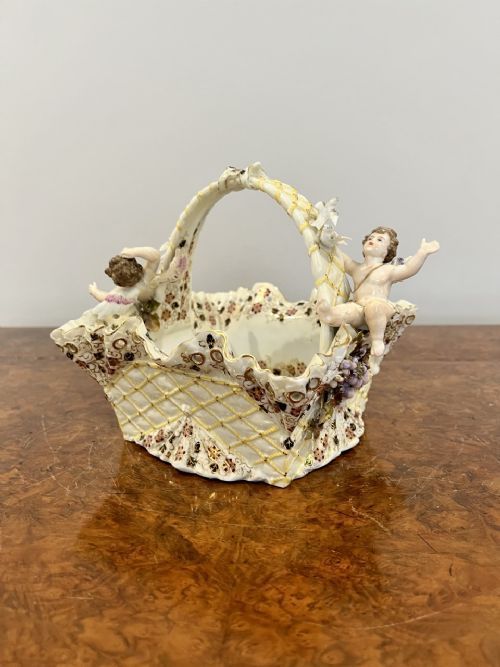
Ceramic pieces rely on hard-paste or soft-paste porcelain, earthenware, and ironstone, shaped into bowls or sculptural groups before receiving hand-painted enamel colours and gilt highlights. Many incorporate applied porcelain roses and delicate garlands moulded separately and attached before firing.
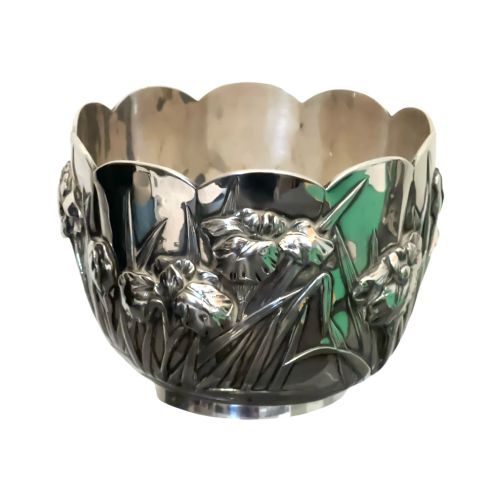
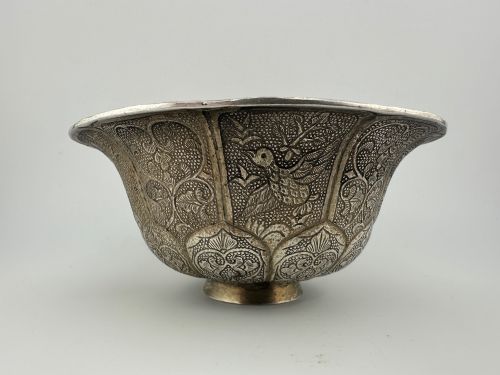
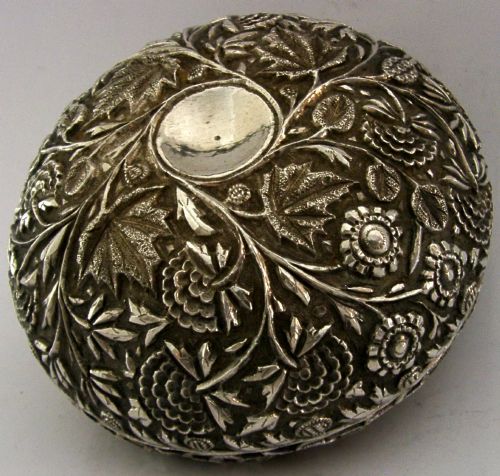
Metal vessels utilise solid silver, silver plate, or white metal, shaped through repoussé work where patterns are hammered from the reverse to create raised floral relief. Glass examples combine lead crystal or coloured glass with etched designs, cut facets, and paste gilt decoration.
Antique Floral Centerpiece Retail Price Guide 2026
Typical asking prices for floral centerpiece among the pieces listed under this phrase on Sellingantiques today, from the lower quarter to the upper quarter. They describe what is for sale here now, not the wider market.
Musical putti occasionally join the floral arrangements, frozen mid-song among porcelain roses.
Distinctions in quality
The standard of modelling determines the success of sculptural porcelain elements, separating crisp, undercut petals and lifelike putti from flat or softly cast alternatives. Hand-painted botanical decoration shows variation in brushwork precision, colour saturation, and the careful application of gold leaf.
Metal pieces reveal quality in the depth of repoussé work and the crispness of chased lines around the floral motifs. Weight and gauge of silver or silver plate dictate the durability and structural integrity of large centrepieces and baskets.
Royal Worcester·Schierholz Plaue·Walker and Hall·Loetz Witwe·Ulisse Cantagalli
The Antique Floral Centerpiece Glossary
- Comport
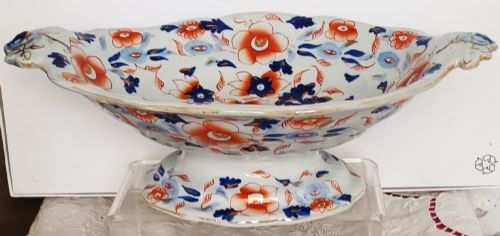
- A raised dish or bowl on a foot, used for serving fruit or sweets at the table. These often feature transfer-printed patterns or hand-painted botanical sprays.
- Repoussé
- A metalworking technique where the artisan hammers the design from the reverse side to form raised relief patterns on the surface. This method creates the prominent floral rims seen on silver baskets.
- Epergne
- A large table centrepiece featuring a central dish with multiple hanging baskets or smaller vases branching outwards. They frequently appear in coloured glass or silver plate.
- Imari
- A style of Japanese export porcelain decorated in underglaze blue, iron red, and gold. The palette traditionally includes dense floral and geometric arrangements.
- Bough pot
- A vessel designed specifically for holding cut branches and flowers within a hearth or room during warmer months. They often include pierced covers to keep stems upright.
Antique Floral Centerpiece: Frequently Asked Questions
How were antique floral centrepieces used?
These pieces occupied the middle of the dining table during formal meals, often holding fresh fruit, sweetmeats, or arrangements of cut flowers.
In domestic settings, they served both a decorative and practical function, displaying the household's taste and wealth to visiting guests.
How do I clean a silver plated centrepiece?
Careful washing in warm water with a mild, non-abrasive detergent removes everyday dust and grease from the metal surface.
Harsh chemical dips should be avoided to protect any delicate silver plating and intricate floral engraving from premature wear.
Are porcelain centrepieces fragile?
Ceramic and porcelain vessels require careful handling, particularly pieces featuring applied three-dimensional flowers and delicate sculptural putti.
Placement away from busy thoroughfares and unstable table edges prevents accidental chips to fragile edges and protruding petals.
Can I use these for fresh flowers?
Water-tight ceramic bowls and glass vessels safely accommodate fresh stems and water without risking structural damage to the body.
Metal items and antique silver plate benefit from plastic liners to prevent stagnant water from tarnishing or corroding the interior base.