

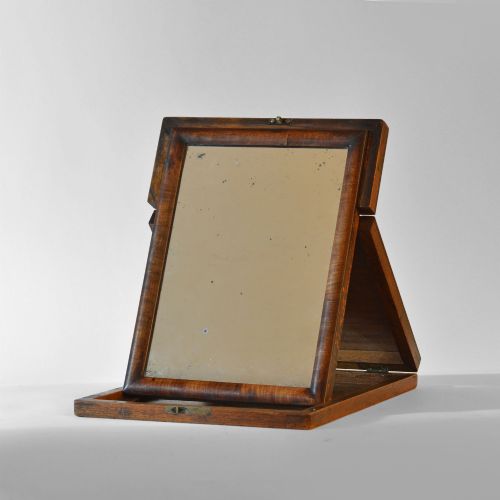
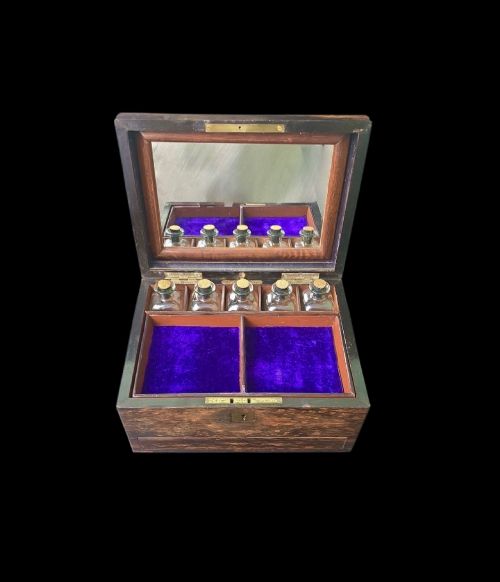
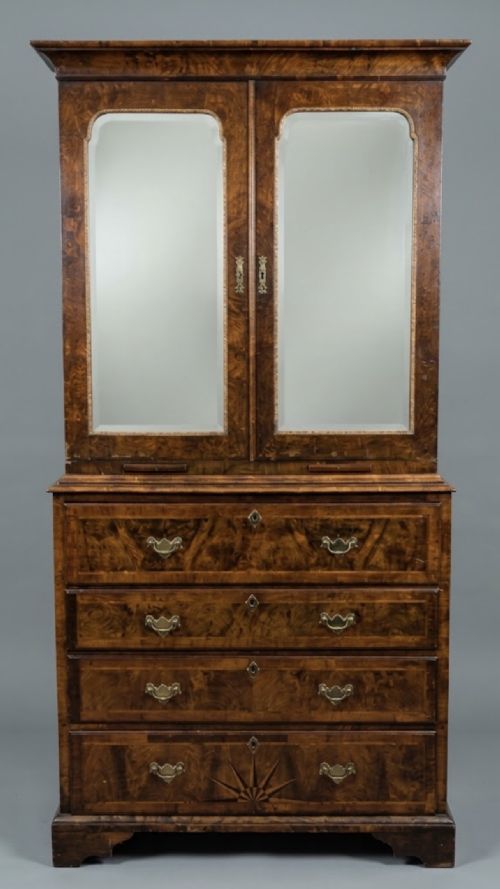
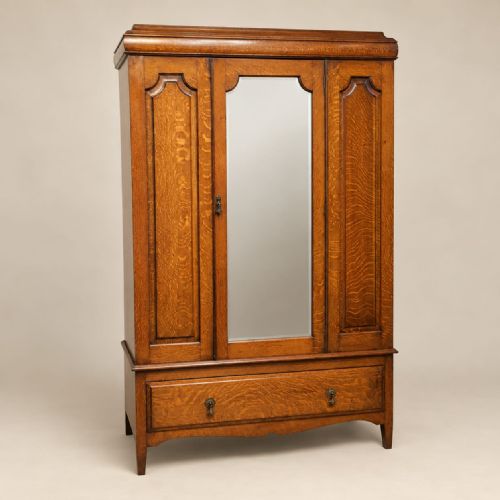
Antique Fitting Mirror
An antique fitting mirror provides the practical elegance of period glass combined with the refined cabinetry of the nineteenth and early twentieth centuries.
Antique Fitting Mirror
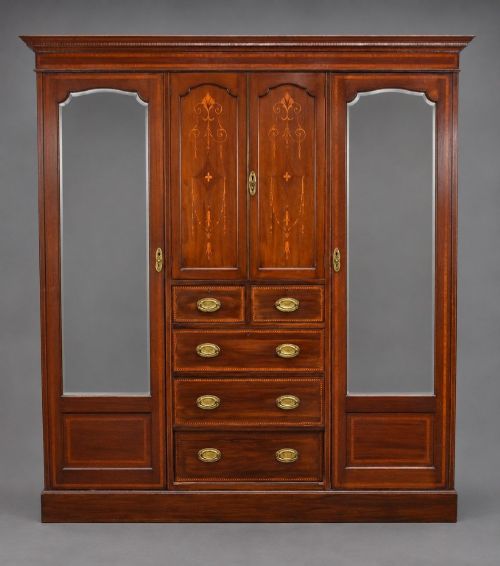
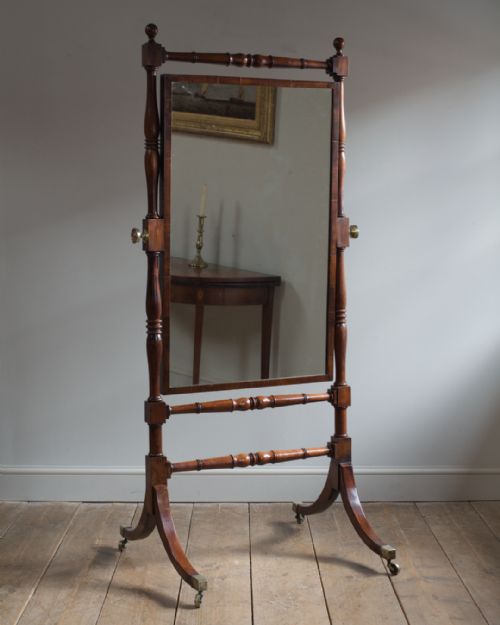
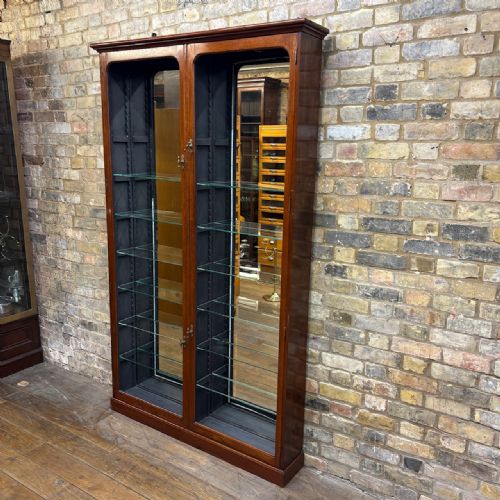
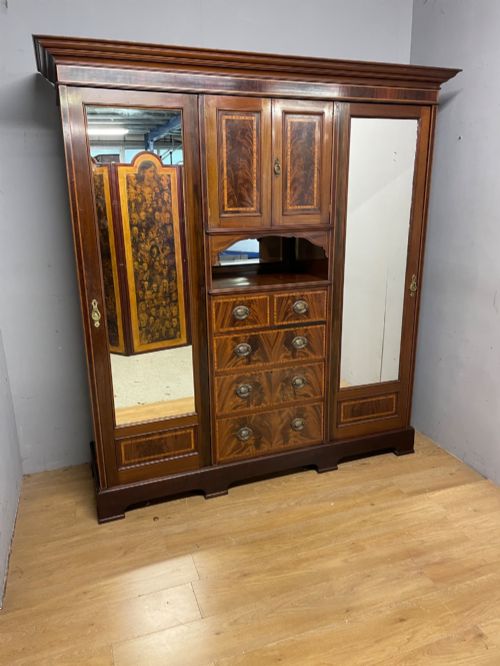
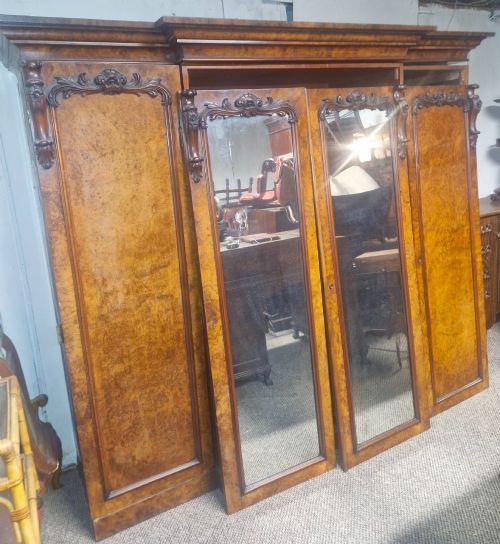
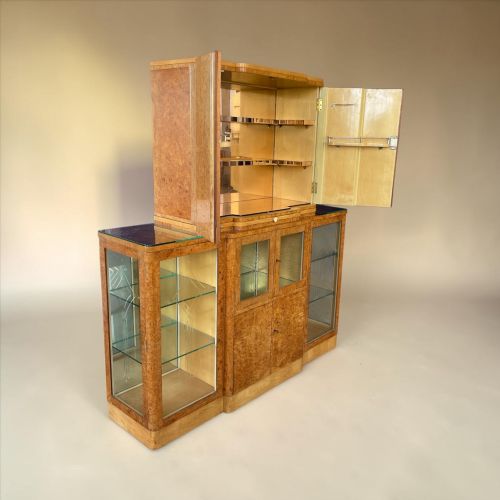
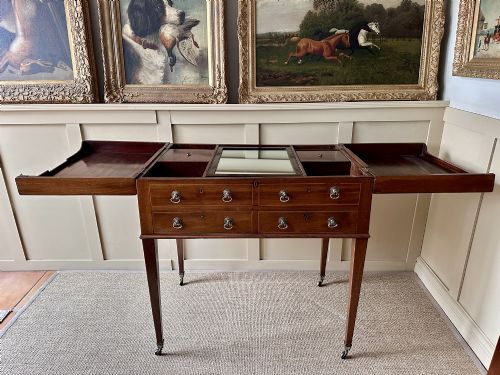
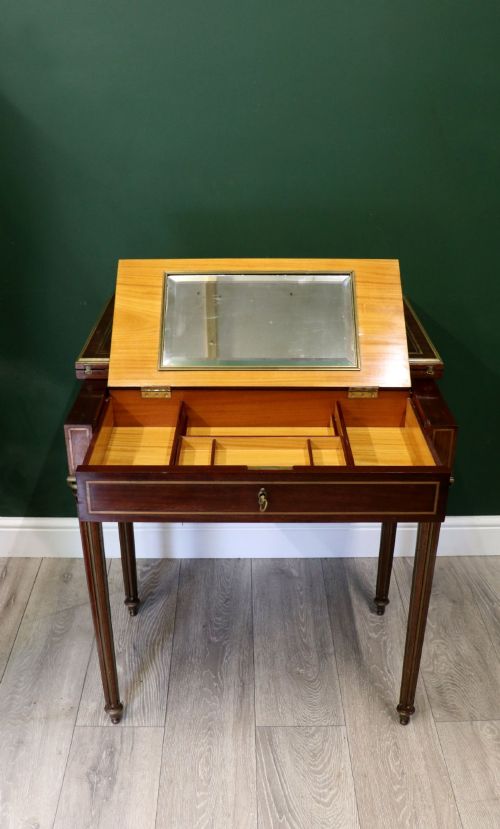
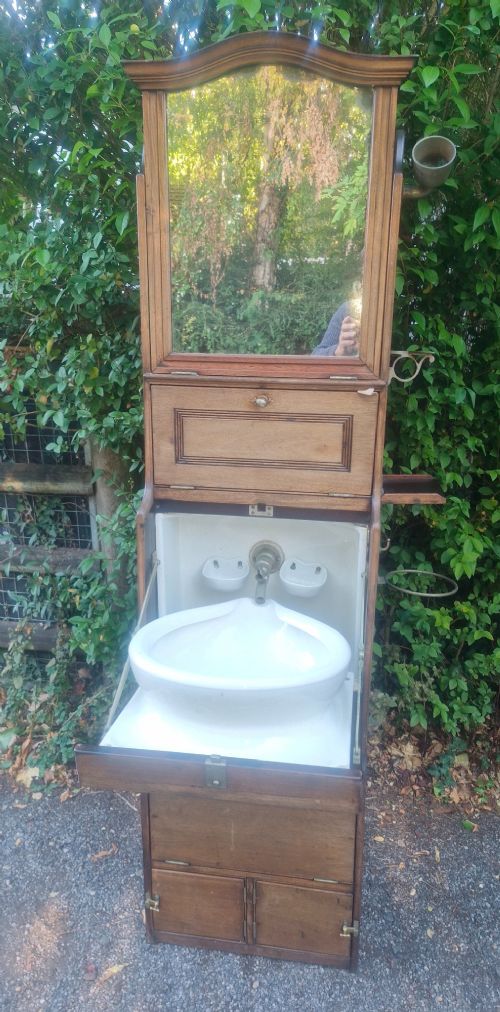
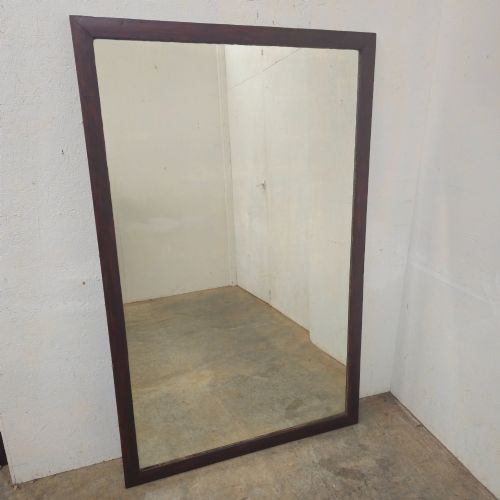
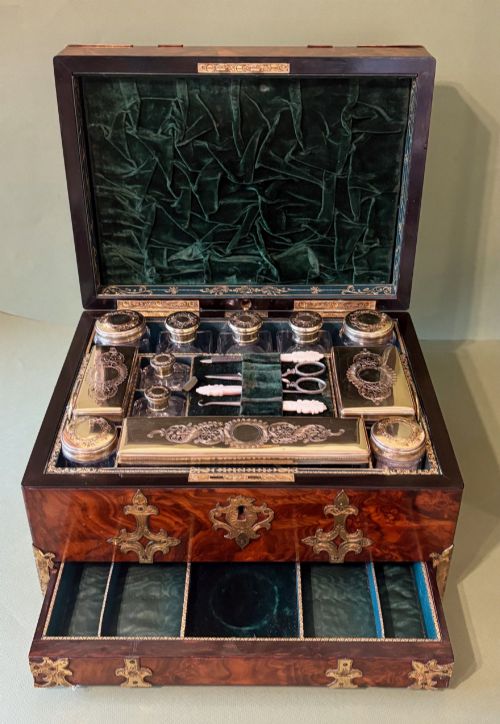
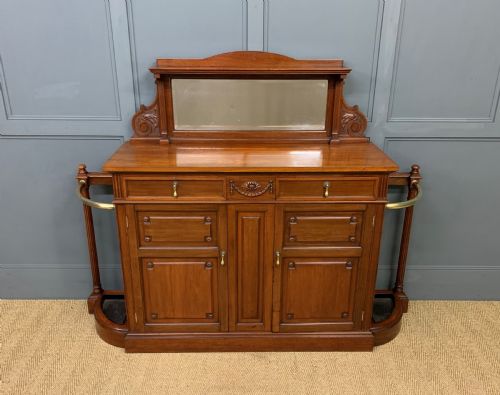
When searching for an antique fitting mirror, buyers encounter a selection spanning the Victorian and Edwardian eras through to the Art Deco period. These items frequently appear integrated into larger furniture forms such as wardrobes, compactums, and dressing cases, or as substantial freestanding shop and wall mirrors.
The pieces originating from these periods reflect domestic and retail requirements of the past, constructed from timber frameworks that housed functional glass plates. Walnut, mahogany, and oak dominate the available forms, often displaying regional revival styles or clean twentieth-century lines.
Materials and Construction
Cabinetmakers utilised solid timbers and decorative veneers such as burr walnut, satinwood, and bird's-eye maple over structural carcases of mahogany and oak. Mirrors were glazed with glass plates, occasionally utilising mercury backing on older examples.
Joinery techniques relied on traditional dovetailing and framing to support heavy glass panels within large doors or standing frames. Brass hardware, including hinges and hanging fittings, secured the moving elements of combination wardrobes and mirrored cabinets.
Antique Fitting Mirror Retail Price Guide 2026
Typical asking prices for fitting mirror among the pieces listed under this phrase on Sellingantiques today, from the lower quarter to the upper quarter. They describe what is for sale here now, not the wider market.
Listings feature oak, mahogany, walnut, and satinwood across Victorian, Edwardian, and Art Deco periods.
Evaluating Quality and Craftsmanship
The standard of timber selection and veneer matching dictates the distinction between ordinary utility pieces and high-end commissions. Master cabinetmakers employed carefully chosen burr walnut or satinwood inlay that flowed symmetrically across large wardrobe doors and mirror surrounds.
Structural integrity depends on the precision of the joinery supporting heavy glass plates and the quality of the original brass hardware. Superior examples maintain rigid door alignment and smooth operation within complex fitted interiors.
Shoolbred and Co.·Holland and Sons·Maple and Co.·John Stow Ltd of Bradford
The Antique Fitting Mirror Glossary
- Compactum
- A large wardrobe featuring multiple internal compartments, drawers, and hanging space alongside fitted mirror doors. This form maximises bedroom storage efficiency in a single piece of furniture.
- Veneer
- A thin layer of highly figured wood, such as burr walnut or satinwood, applied over a stable secondary timber carcase. This technique allows cabinetmakers to display striking grain patterns across flat surfaces.
- Inlay
- Small pieces of contrasting wood or light-coloured satinwood set flush into the primary timber surface to create decorative geometric or floral borders.
- Aesthetic Movement
- A late nineteenth-century design style focusing on artistic reform and simplicity of form, frequently utilising satin birch or ebonised details. It reacts against heavy Victorian ornamentation.
Antique Fitting Mirror: Frequently Asked Questions
What is a compactum wardrobe?
A compactum wardrobe is a large storage piece combining hanging space with internal drawers, shelves, and often a central mirror door.
These pieces were designed to hold an entire wardrobe of clothing within a single fitted unit.
How do I identify Edwardian mirrors?
Edwardian mirrors typically display lighter mahogany or walnut framing with subtle inlaid satinwood stringing.
The overall design leans towards cleaner lines compared to heavier Victorian examples.
Are these mirrors easy to clean?
Glass surfaces require simple wiping with a soft cloth and standard glass cleaner, avoiding harsh chemicals near antique timber frames.
Wooden surrounds benefit from occasional polishing with traditional beeswax.
What timber is most common?
Mahogany, walnut, and oak form the primary structural materials across the Victorian and Edwardian periods.
Decorative variations frequently incorporate burr walnut veneers or satinwood details.