






Antique Fish Figure
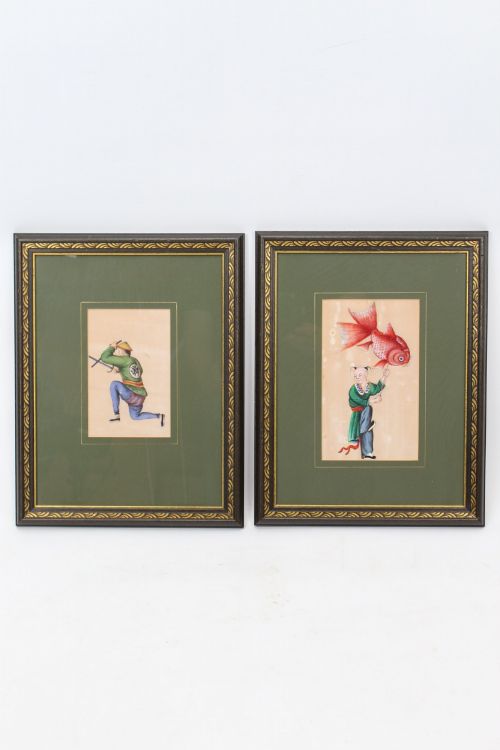
These antique fish figure carvings and artworks bring maritime character and naturalism into a room through hand-carved wood, stone, and ceramic.
Antique Fish Figure
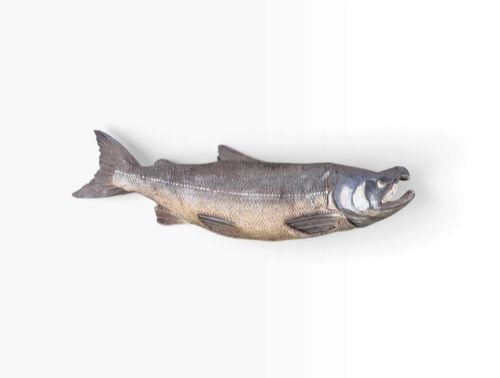
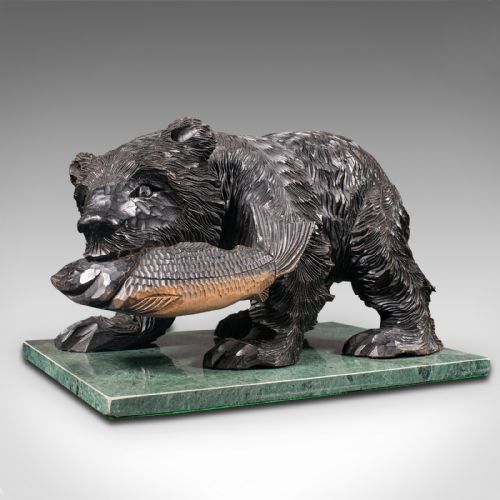
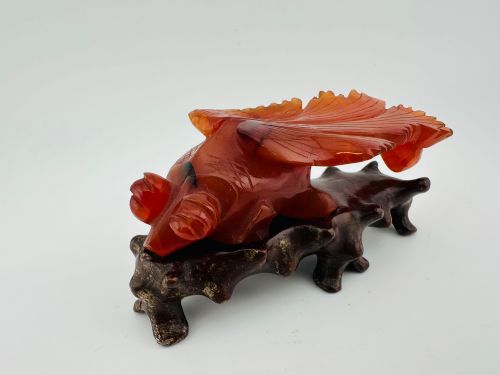
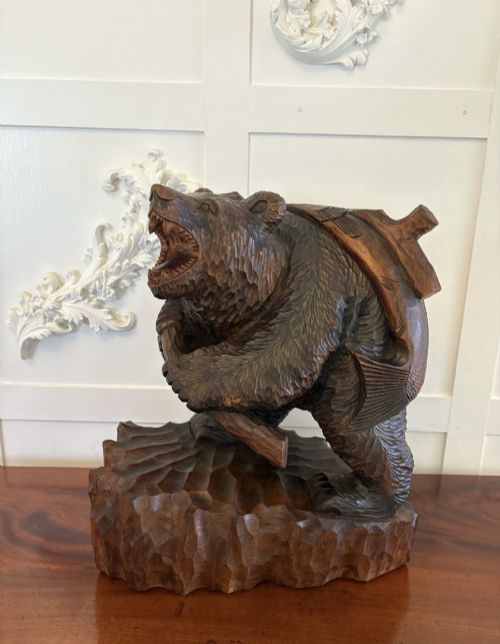
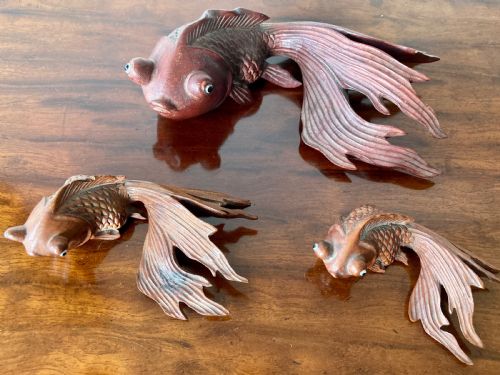
An antique fish figure encompasses carved wooden specimens, hardstone carvings, ceramic groups, and painted representations spanning the nineteenth and early twentieth centuries. Buyers seeking an antique fish figure will encounter Japanese wood netsuke, Chinese carved carnelian agate goldfish, and carved flying fish from the nineteenth century.
The selection ranges from small desk ornaments to larger decorative sculptures mounted on fitted stands. Pieces originate from various stylistic traditions including Chinese Qing and Republic periods, Japanese Meiji craft, and European studios.
Materials and construction
Carvers shaped these subjects from linden wood, cedar, and hardwood, frequently employing intricate hand-chiselling to define scales and fins. Stone pieces utilise materials such as carnelian agate, shaped and polished to highlight natural colour variations.
Ceramic and bronze examples rely on moulding and casting techniques, sometimes combined with wooden bases or paired with painted details. Woodcarvings often display deliberate texturing to simulate skin or movement in the water.
Antique Fish Figure Retail Price Guide 2026
Typical asking prices for fish figure among the pieces listed under this phrase on Sellingantiques today, from the lower quarter to the upper quarter. They describe what is for sale here now, not the wider market.
Listings feature items from the 19th Century, Edwardian period, and the 1920s and 1930s, constructed in wood, ceramic, stone, and bronze.
Quality and execution
Finely executed examples demonstrate precise attention to anatomical proportions, scale patterns, and natural posture. Superior carving reveals itself in the clean definition of fins and the fluid line of the body.
The integration between the sculpture and any fitted wooden stand or base indicates the level of original craftsmanship. Material selection, such as unblemished carnelian agate or finely grained linden wood, marks the distinction between standard production and superior work.
Tomochika·Guido Cacciapuoti
The Antique Fish Figure Glossary
- Netsuke
- A small Japanese toggle carved from wood or ivory used to fasten a pouch to a kimono sash. Many depict animals and aquatic subjects.
- Okimono
- A Japanese decorative figurine designed for display on a shelf or in a tokonoma alcove. These sculptures range from single animal subjects to complex figural groups.
- Blanc de Chine
- A type of white porcelain made at Dehua in Fujian province, China, known for its smooth glaze. Figures and vessels in this ware date from the Ming dynasty onwards.
- Jardiniere
- A large ornamental pot or bowl used for holding plants or flowers. Ceramic versions often feature hand-painted or glazed aquatic motifs.
- Bisque
- Unglazed white ceramic pottery fired once, producing a matte, stone-like surface texture. Figures in this medium show fine sculptural detail without surface gloss.
Antique Fish Figure: Frequently Asked Questions
How do I date a wooden fish carving?
Dating relies on tool marks, wood shrinkage, and the specific stylistic conventions of periods such as the Meiji era or early twentieth century. Examining the wear patterns on the underside provides further clues to age.
Compare the carving technique with documented examples from the same region and workshop to establish a reliable timeframe.
Where were hardstone carvings made?
Hardstone figures, including carnelian agate goldfish, were primarily produced in Chinese workshops during the Qing and Republic periods. Artisans utilised natural stone stratifications to create colour contrasts.
These pieces were typically mounted on custom-fitted hardwood stands designed specifically for the sculpture.
How should I clean antique wood carvings?
Dust wooden figures gently with a soft, dry brush to prevent accumulation in carved crevices. Avoid liquid cleaners, oils, or waxes that can penetrate the grain and alter the surface finish.
Maintain stable humidity levels in the room to prevent the wood from cracking or warping over time.
What is the difference between netsuke and okimono?
Netsuke are miniature carved toggles featuring attachment holes for cords used with traditional Japanese garments. Okimono are larger standalone decorative sculptures intended purely for display.
Both forms frequently depict fish, sea creatures, and folkloric figures from nineteenth-century Japanese craft.