





Antique Fish Dish
An antique fish dish brings sculptural form and maritime detail to the table, uniting practical servingware with fine craftsmanship.
Antique Fish Dish
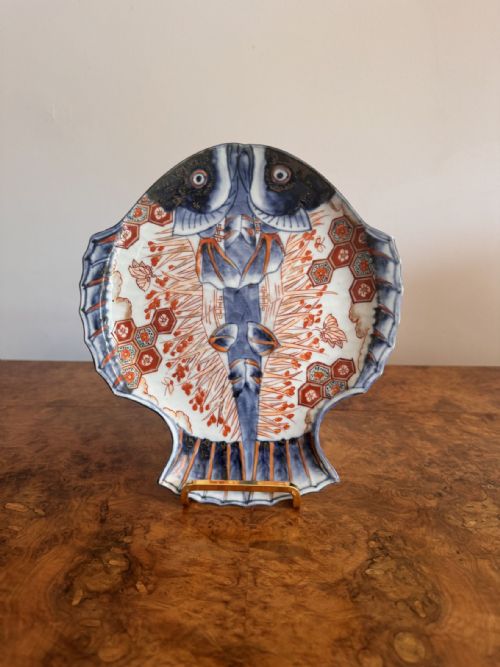
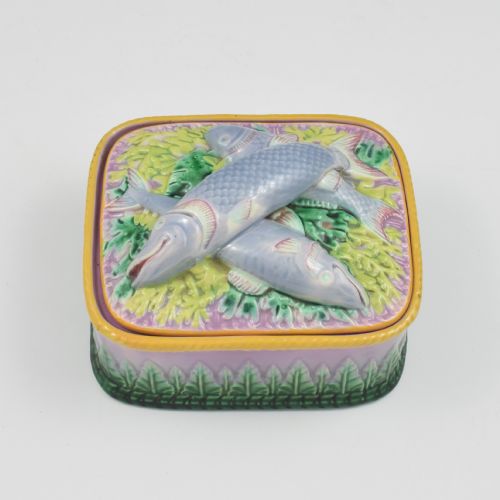
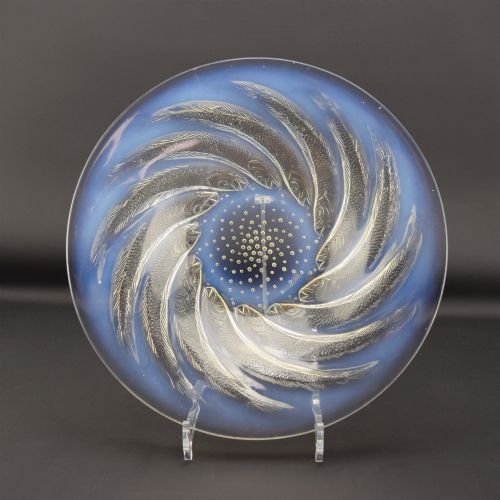
An antique fish dish covers a varied group of serving vessels, platters, and lidded boxes designed for presenting seafood or shaped directly after aquatic life. When you examine an antique fish dish on this page, you encounter pieces ranging from Victorian majolica sardine boxes to Japanese imari plates moulded in the form of a fish.
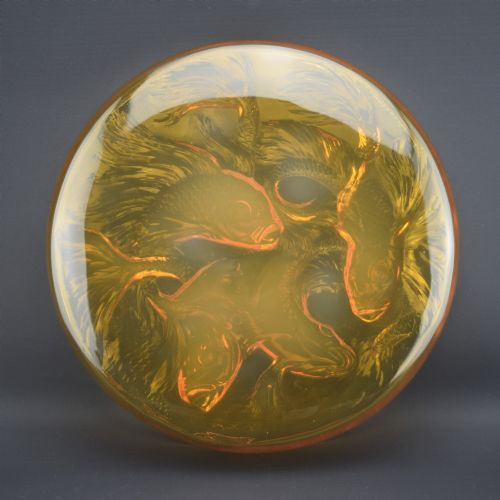
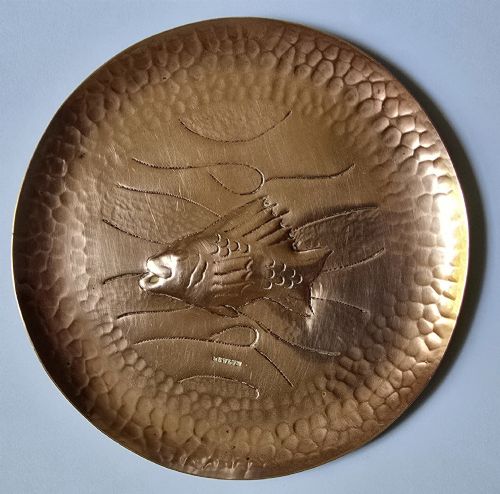
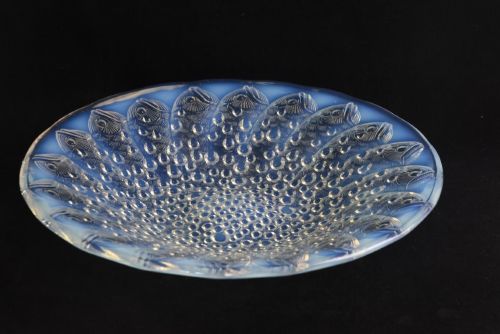
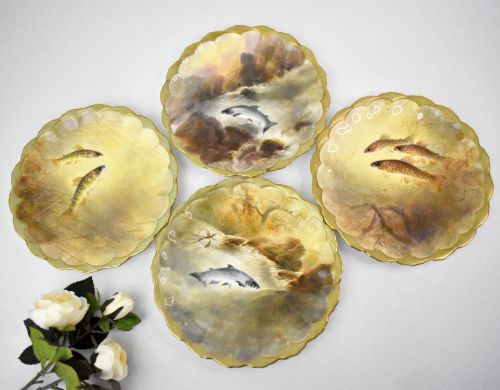
The selection includes porcelain cabinet plates, earthenware platters, copper trays, and opalescent glass bowls spanning periods from the fourteenth century to the mid-twentieth century. Traditional English earthenware shares space with Chinese Qing Dynasty celadon and Japanese Arita blue and white porcelain.
Moulded serving dishes with drainers, known as mazarines, appear alongside flat decorative plates painted with swimming koi or painted fruit. Each object serves either to contain the meal itself or to bring marine ornament into the dining room.
Materials and methods of manufacture
Ceramic pieces rely on earthenware, stoneware, and porcelain bodies shaped by hand or in moulds, then finished with coloured glaze, enamel, or blue and white pigments. Majolica works use vibrant lead glazes over moulded earthenware to render textured scales and marine plants in relief.
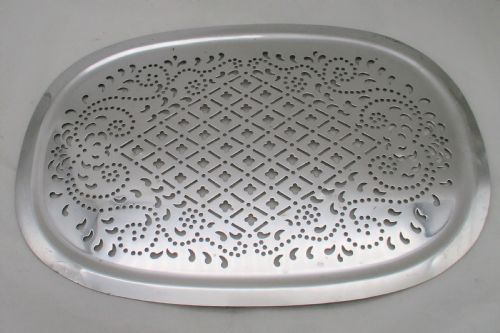
Metal items employ copper, brass, ironstone, and silver plating, often shaped through hammering, stamping, or metal spinning. Copper trays display hand-beaten surfaces and artisan stamps, while silver-plated mazarines combine pierced metal drainers with sturdy under-dishes.
Glass production utilises press-moulded and opalescent techniques to create bowls and plates with rich textural depth and shifting light effects. Stoneware relies on high-temperature kiln firings to achieve durable bodies and traditional celadon surfaces.
Antique Fish Dish Retail Price Guide 2026
Typical asking prices for fish dish among the pieces listed under this phrase on Sellingantiques today, from the lower quarter to the upper quarter. They describe what is for sale here now, not the wider market.
Listings span periods from the fourteenth century to the mid-twentieth century, including Victorian, Edwardian, and Art Deco designs.
Evaluating quality and execution
Quality rests in the precision of the modelling and the crispness of the applied decoration, whether hand-painted fish scales or hammered metal relief. Pieces decorated by named artists or produced by distinguished potteries demonstrate superior brushwork and pigment control.
The integrity of the glaze or plating dictates the longevity and visual appeal of the surface, with even colour distribution and minimal firing blemishes marking superior examples. Weight and balance in metal trays and ceramic platters indicate substantial materials and careful construction.
Newlyn·Rene Lalique·George Jones·Royal Doulton·Royal Worcester·Thomas Forester and Sons·Royal Crown Derby·Royal Copenhagen·Baccarat·Wiskemann
The Antique Fish Dish Glossary
- Mazarine
- A pierced metal or ceramic insert placed inside a serving dish to drain liquid away from food. It allows juices to collect beneath the fish without spoiling the presentation.
- Majolica
- A type of earthenware coated with an opaque tin glaze and painted with metallic oxide colours. It is known for vivid hues and realistic relief moulding.
- Imari
- A style of Japanese porcelain decorated in underglaze blue, iron red, and gold. It was widely exported to Europe during the nineteenth century.
- Opalescent glass
- Glass that diffuses light to display milky or iridescent blue and amber tones. It creates depth in moulded decorative plates.
Antique Fish Dish: Frequently Asked Questions
What is a mazarine used for?
A mazarine acts as a draining plate inside a larger dish or platter. It lifts the fish above accumulated liquids during service.
These pierced inserts appear in silver plate, Sheffield plate, and ceramic bodies. They ensure the food remains presentable at the table.
Are these dishes safe for food?
Most antique ceramic and metal dishes function primarily as decorative items or display pieces. Older glazes and silver platings may contain materials unsuited for modern culinary use.
It is best to consult individual listings regarding the condition of the surface. Many collectors prefer to exhibit them in cabinets or on walls.
How do I date a blue and white fish plate?
Dating relies on maker marks, ceramic bodies, and stylistic shifts in the painted decoration. Japanese Arita pieces from the nineteenth century often feature specific kiln marks.
European factories like Royal Doulton used impressed or printed backstamps that correspond to specific manufacturing decades. Comparing the style of the hand-painting helps narrow the period.