
Antique Fireside Accessories
Antique fireside accessories are practical hearth pieces in copper, brass, wrought iron, and oak that bring period character to a fireplace.
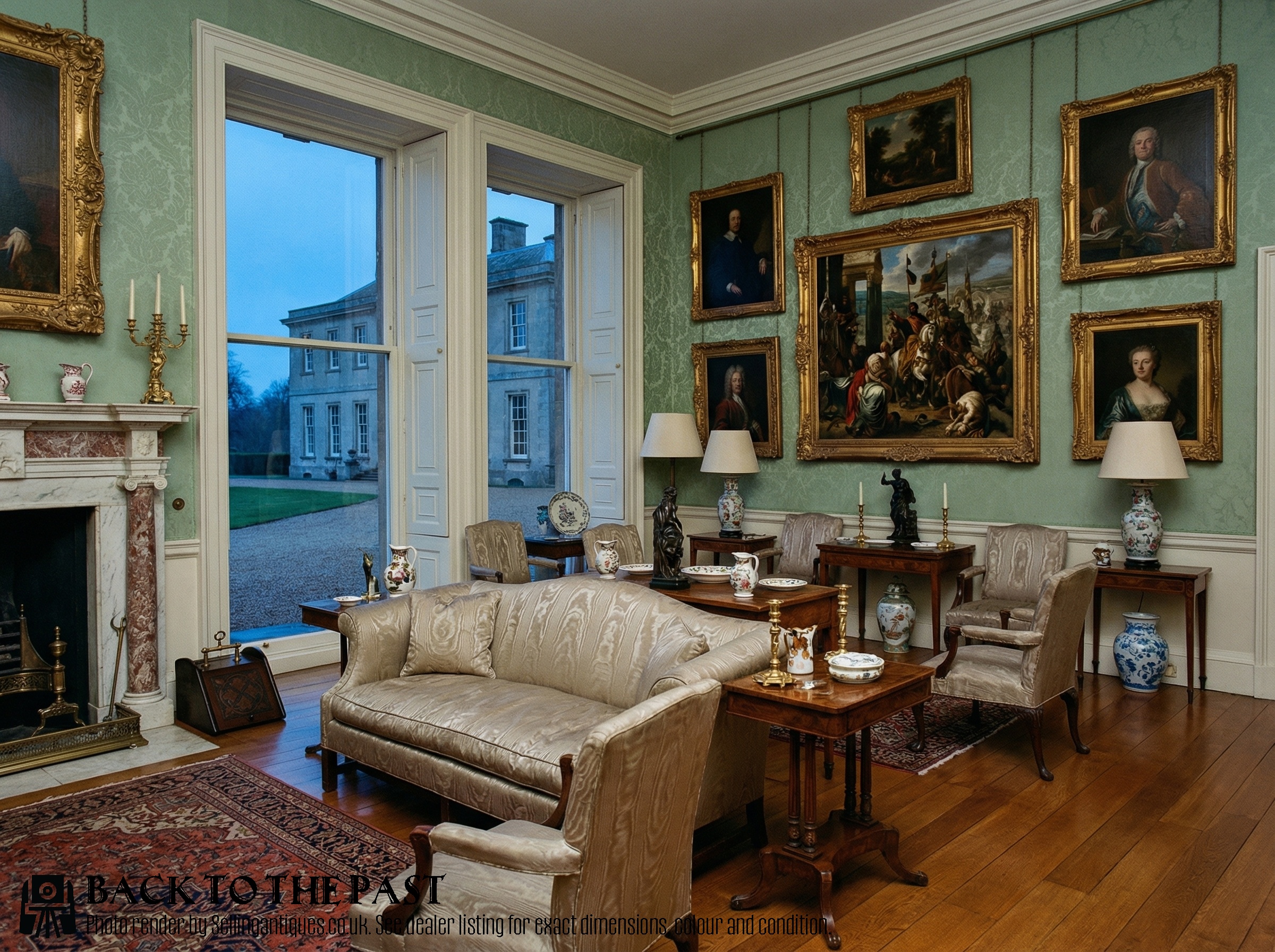
What antique fireside accessories are
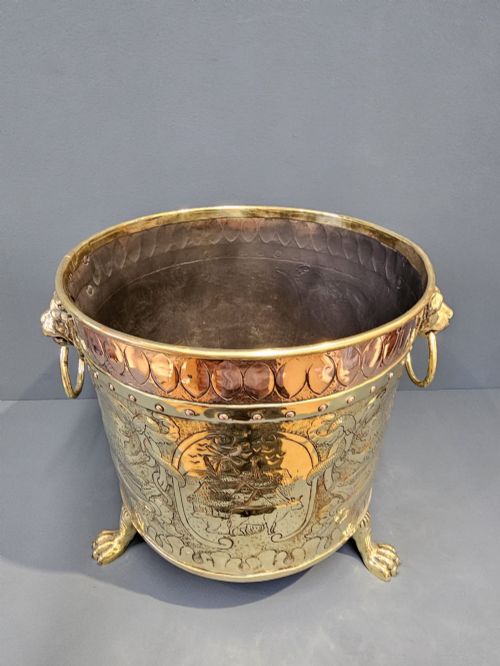
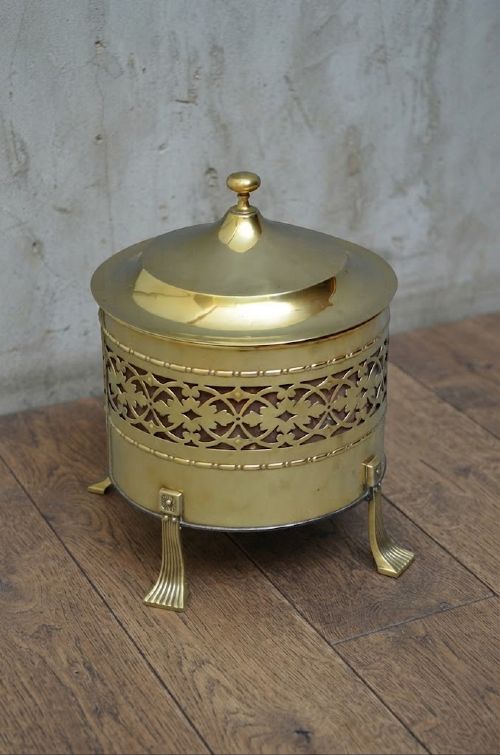
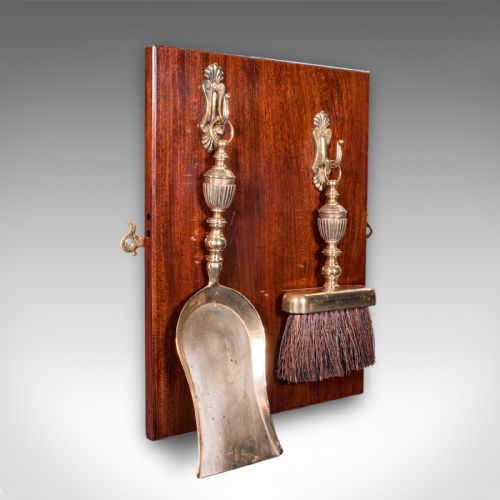
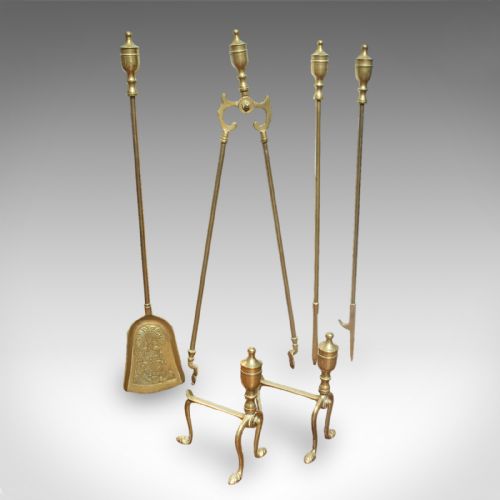
These antique fireside accessories encompass hearth equipment designed for solid fuel fires, principally coal scuttles, fireside baskets, log bins, and andirons. Pieces seen here date from the Victorian era, including specific years like eighteen-sixty and eighteen-eighty.
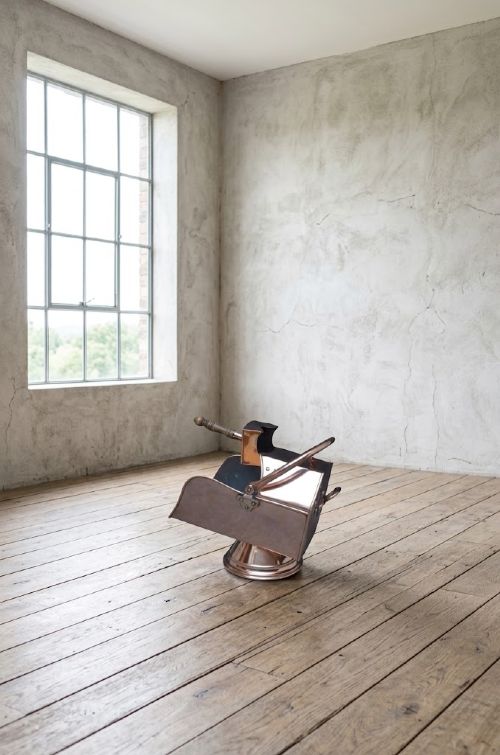
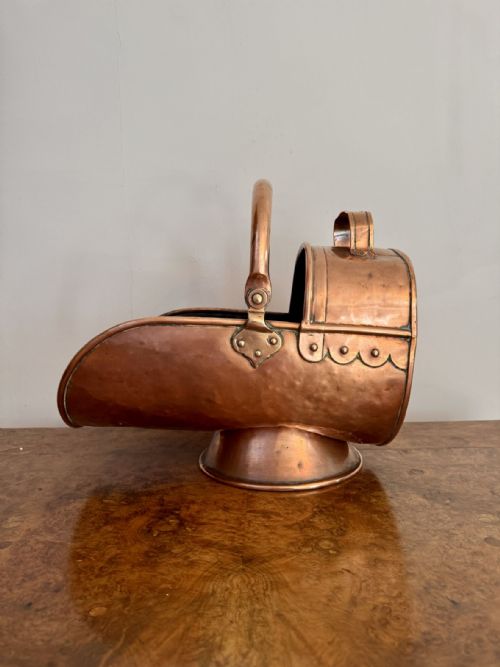
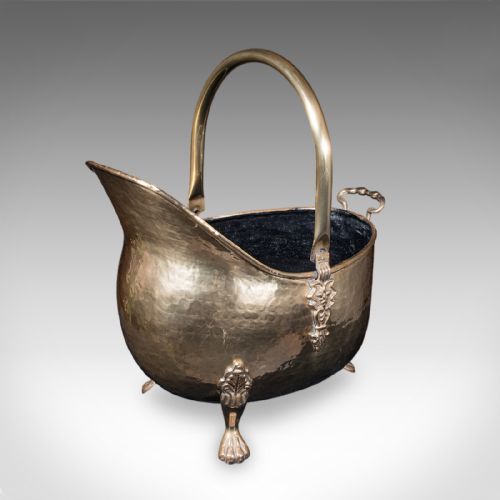
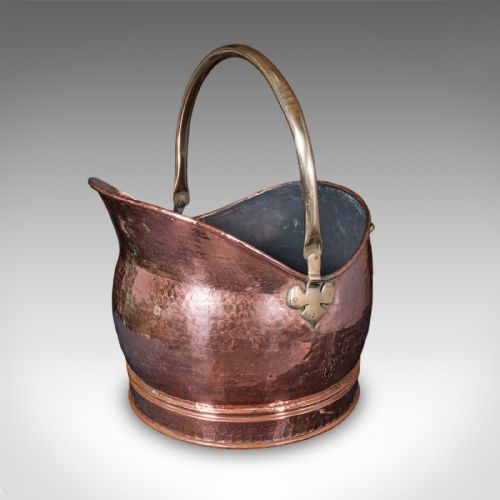
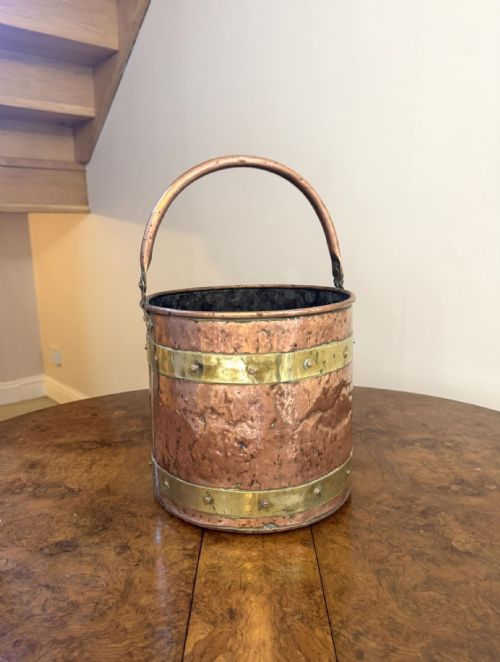
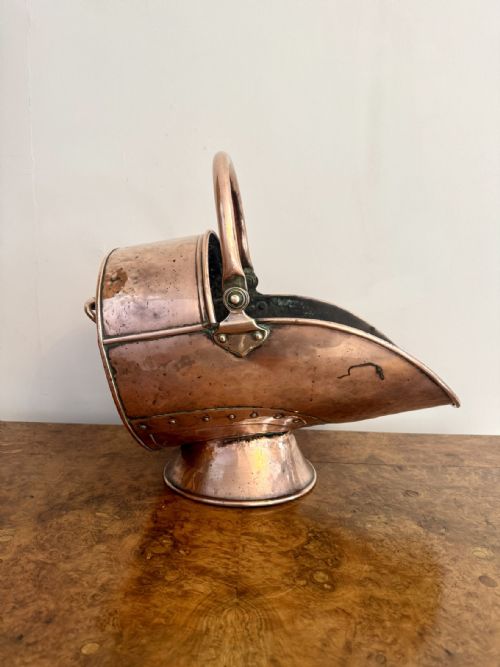
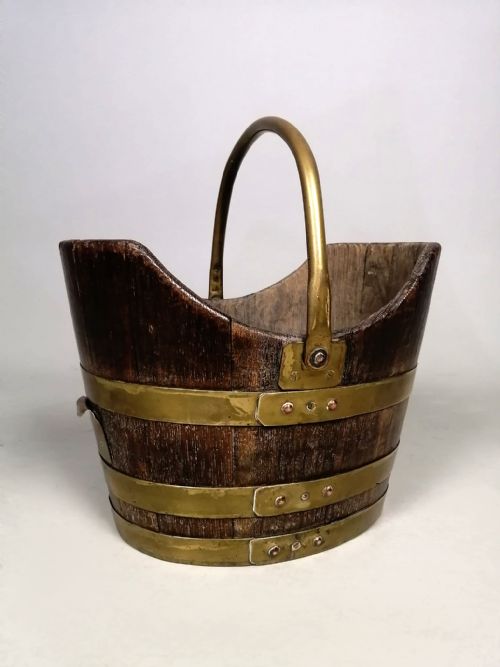
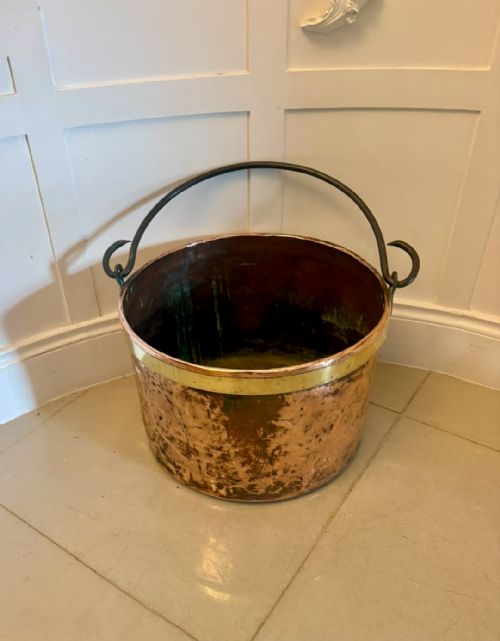
The most common form met on this page is the coal scuttle, fashioned mainly from copper with brass highlights or carved oak. French bronze andirons also appear alongside English copper and brass items.
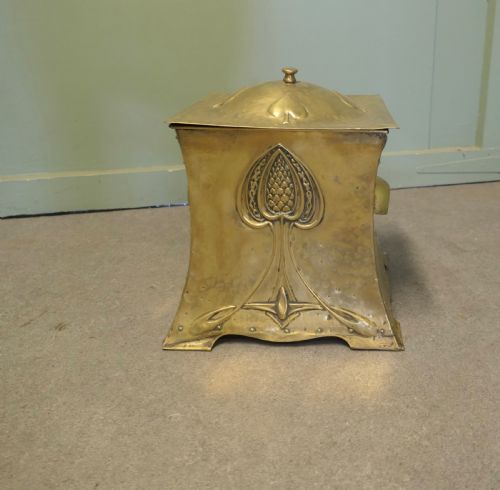
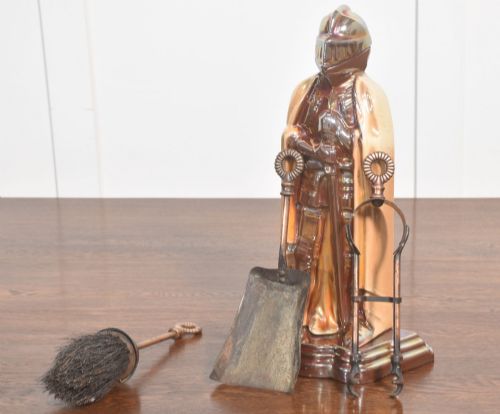
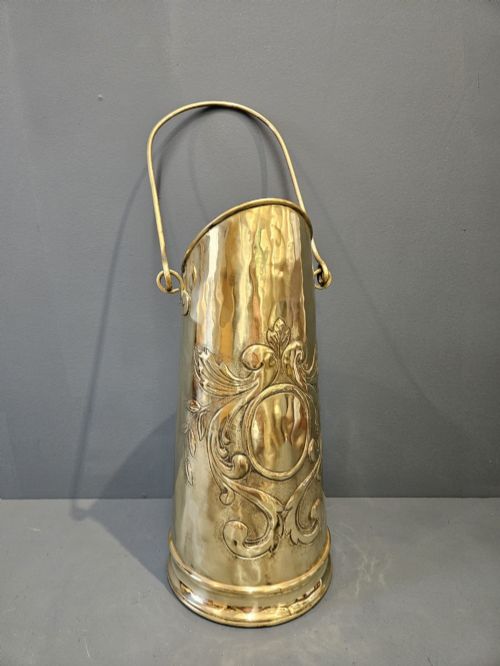
Styles range from straightforward Victorian utility through to Art Nouveau curves and Neoclassical or figural country house designs. Buyers select these items to serve both functional hearth duties and decorative period interior roles.
How they were made
Metal items rely on hand-finished copper, brass, wrought iron, bronze, and iron, shaped through traditional smithing and panel-beating techniques. Copper scuttles frequently incorporate brass mounts and handles fastened with rivets.
Wooden examples utilise carved oak for boxes and bins, showing period carpentry and joinery methods. Artisans combined durable structural iron internals with decorative outer metals and carved wood surfaces.
Retail Price Guide 2026
Typical UK retail prices for fireside accessories, calculated from the Sellingantiques database of over a million retail prices indexed since 2003. This retail price guide relies exclusively on Sellingantiques data; no external sources or auction records are used, so the figures do not describe the wider market.
What varies in quality
Quality rests on the weight of the metal, the crispness of hand-finishing, and the depth of carved detail on oak boxes. Heavy-gauge copper and solid bronze cast work command greater regard than lighter commercial stampings.
Design distinction separates standard utilitarian coal containers from artistic Art Nouveau vessels and sculptural figural andirons. The integrity of original handles, hinges, and mounts defines the better surviving examples.
The Antique Fireside Accessories Glossary
- Andirons
- Horizontal bars raised on legs, also known as firedogs, used to support logs in an open fireplace. Pairs often feature figural or decorative cast bronze fronts.
- Coal Scuttle
- A metal container designed for holding and carrying coal to the hearth. These typically feature hinged lids and carrying handles.
- Log Bin
- A rigid storage box intended for holding firewood logs beside the fireplace. Oak and brass versions appear in Victorian interiors.
- Art Nouveau
- A decorative style prevalent in the late nineteenth century characterised by fluid, organic plant-like lines. This aesthetic influences several fireside coal baskets.
Frequently Asked Questions
How do I clean antique copper scuttles?
Clean copper gently with a mild proprietary metal cleaner to remove active tarnish while preserving the historic surface. Avoid abrasive scouring pads that scratch the soft metal.
Maintain a light wax coating on brass mounts and oak surfaces to protect the materials from soot and dry heat.
Can I use these andirons in an active fireplace?
Solid bronze and iron andirons are built to withstand hearth heat and support burning logs. Check that the metal is free from stress fractures before lighting an open fire.
Ensure the weight and size match your hearth opening for safe operation.
What is the difference between a coal scuttle and a log bin?
Coal scuttles are generally shaped for scooping and pouring small fuel quantities into a grate, often featuring a sloping body and specific handle placement. Log bins are wider storage boxes meant for stacking larger pieces of firewood.
Both serve as decorative fireside accessories when placed beside the hearth.
How do I date Victorian fireside brass and copper?
Examine construction methods such as hand-cut rivets, dovetail joints in wood, and tool marks on the metal surface. Victorian pieces from the mid to late nineteenth century display specific stylistic cues like Neoclassical restraint or Art Nouveau curves.
Maker marks, where present, help pinpoint the exact workshop origin.