



Antique Fireplace Plate
An antique fireplace plate brings heavy cast iron protection and radiant reflection to a hearth.
Antique Fireplace Plate
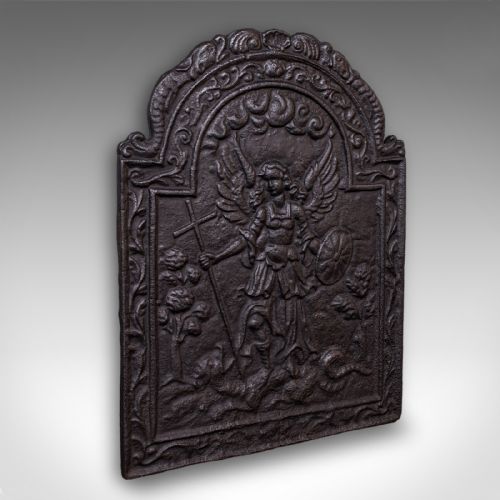
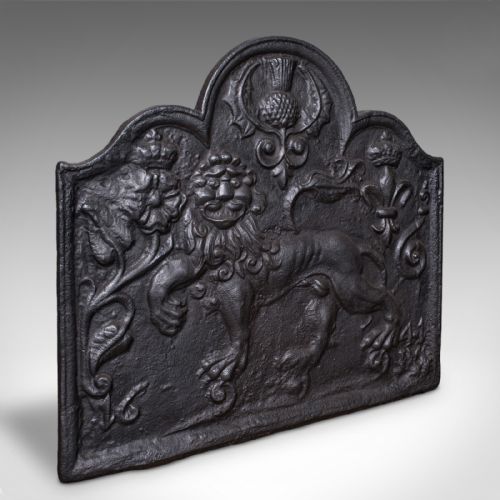
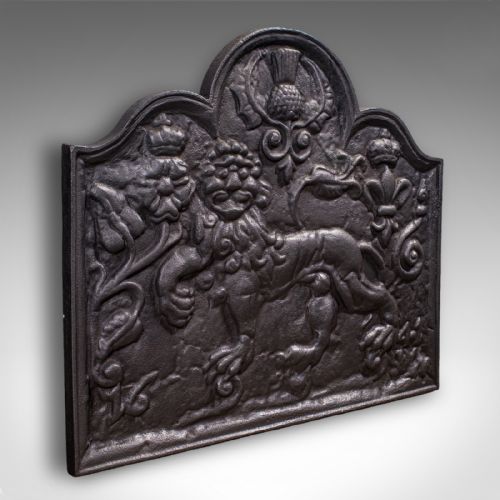
When you search for an antique fireplace plate, you are looking at heavy iron firebacks designed to protect the rear masonry of a chimney while reflecting heat back into the room. These pieces range from robust 17th-century iron castings to later Victorian iterations featuring classical and relief ornamentation.
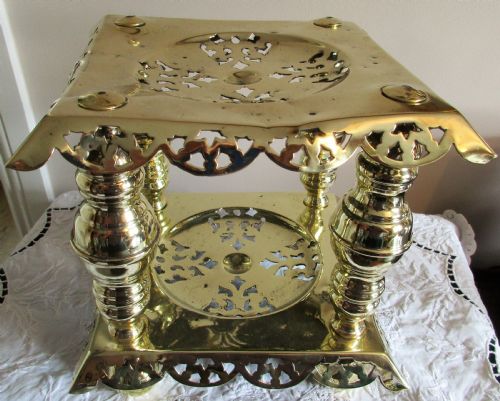
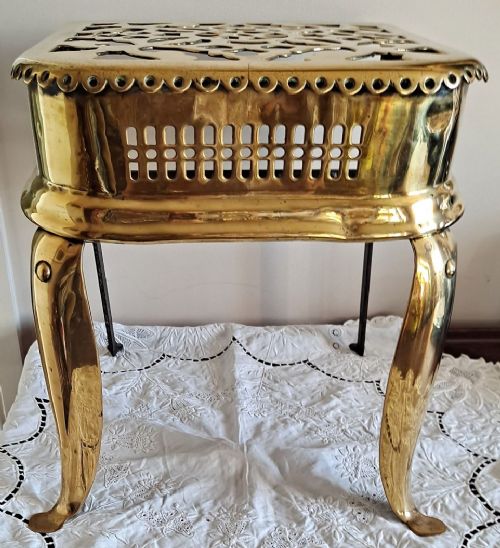
The selection also encompasses hearth accessories and trivets alongside cast iron reflectors. You will find brass and copper footmen alongside iron fire plates, each serving a practical role around the hearth.
The periods represented span from the 17th century through the Georgian and Regency eras into the Victorian period and the early 20th century. Cast iron and brass dominate these functional hearth furnishings.
Materials and Construction
Cast iron forms the primary material for heavy firebacks, poured into moulds to create deep relief scenes and protective plates. This dense metal withstands intense heat while retaining warmth long after the fire dies down.
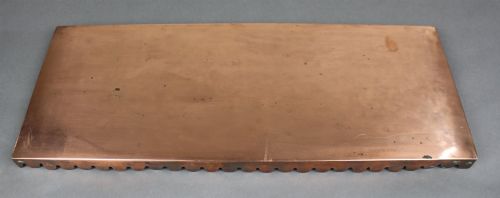
Brass and copper appear in hearth plates, trivets, and footmen, shaped through sheet working and casting. These metals provide a polished surface for warming plates and kettles beside the hearth.
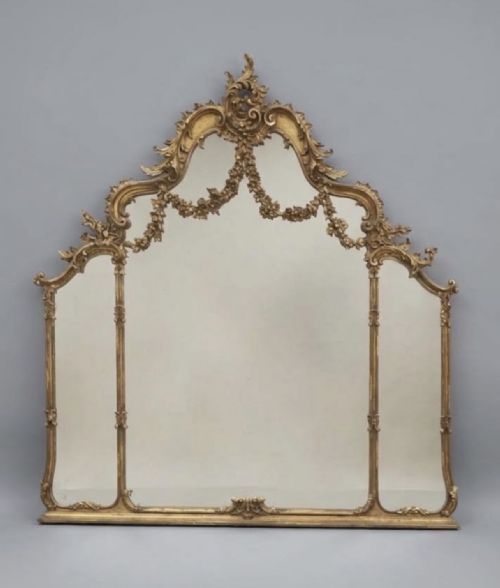
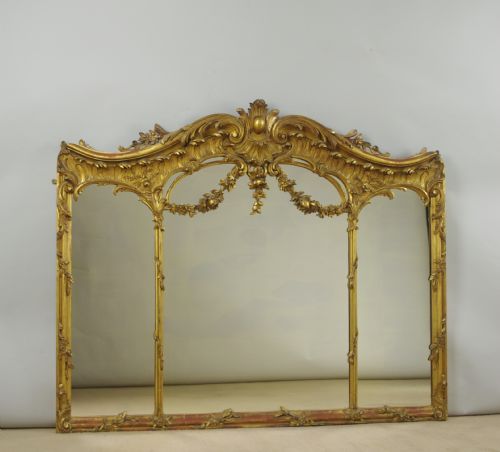
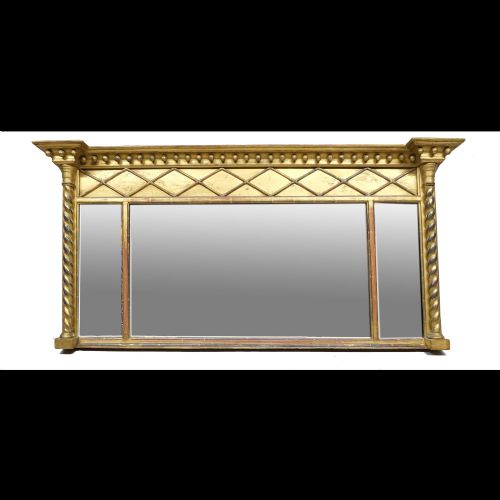
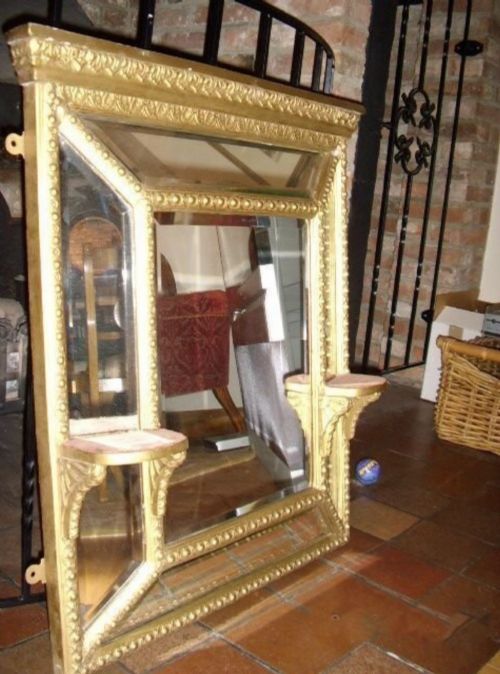
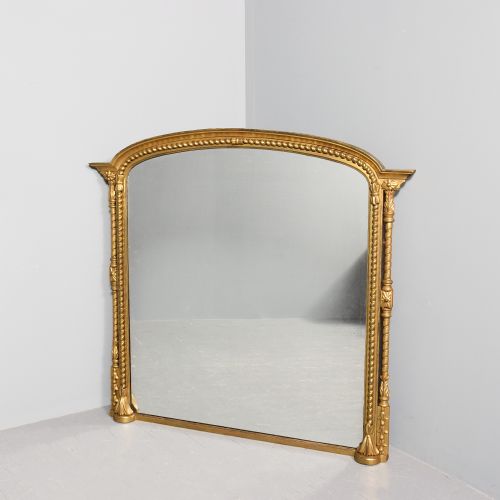
Giltwood and gesso frequently frame the related overmantel mirrors often grouped in fireplace inventories, combining carved wood frames with reflective glass plates.
Listings feature heavy cast iron firebacks alongside brass footmen, copper hearth plates, and giltwood overmantel mirrors spanning multiple centuries.
Assessing Quality and Execution
The crispness of the casting defines the quality of an iron fire plate, where deep relief moulding and clear heraldic or pictorial details separate superior work from softer, worn examples. Heavy weight and sound metal integrity indicate a robust original rather than a later secondary casting.
In brass hearth accessories, the thickness of the metal and the strength of the joints determine durability. Hand-finished details on trivets and footmen show greater attention to craftsmanship.
Surface preservation matters significantly, particularly on iron pieces where stable patination guards against active corrosion. Original patinas on brass and iron retain the authentic character of active hearth use.
The Antique Fireplace Plate Glossary
- Fireback
- A heavy metal plate placed against the back wall of an open fireplace to protect the masonry and reflect heat into the room. These plates often feature moulded coats of arms, mythological scenes, or floral motifs.
- Footman
- A metal stand placed in front of a fireplace to hold kettles or warm plates. They typically feature brass tops and iron legs for stability on the hearth.
- Trivet
- A small three-legged metal stand used to support cooking vessels or plates near the fire. They are commonly forged from brass or iron during the Victorian era.
- Overmantel mirror
- A large mirror designed to hang specifically on the wall directly above a fireplace mantelpiece. They frequently incorporate giltwood frames and multiple glass plates.
- Gesso
- A plaster-like mixture applied to wood surfaces as a base for gilding in decorative frames. It allows intricate moulded ornamentation on mirror surrounds.
Antique Fireplace Plate: Frequently Asked Questions
How do I install a heavy fireback?
A heavy cast iron fireback stands upright against the rear brickwork of the fireplace opening. It relies on its substantial weight and a slight backward lean for stability.
Support feet or small brackets sometimes assist in holding the plate securely in position against the hearth wall.
What is a brass footman used for?
A brass footman acts as a small elevated table placed directly before the hearth. It kept food and kettles warm close to the fire coals.
Victorian households utilised these sturdy stands for general fireplace utility and plate warming.
Can I use an antique fireback with a modern fire?
Cast iron firebacks function effectively behind both wood-burning and gas hearth setups. The iron absorbs and radiates heat into the living space while shielding the rear brick.
Ensure the fireplace dimensions accommodate the weight and thickness of the plate before placement.
How do I clean cast iron fire plates?
Gentle brushing removes soot and ash accumulation from the surface of the iron. Avoid harsh chemical cleaners that strip the protective dark patina.
Light applications of stove blacking or oil help maintain the metal finish and prevent surface rust.