


Antique Fireplace Box
An antique fireplace box serves as a practical hearthside container for fuel, moving coal and logs from the cellar to the grate.
Antique Fireplace Box
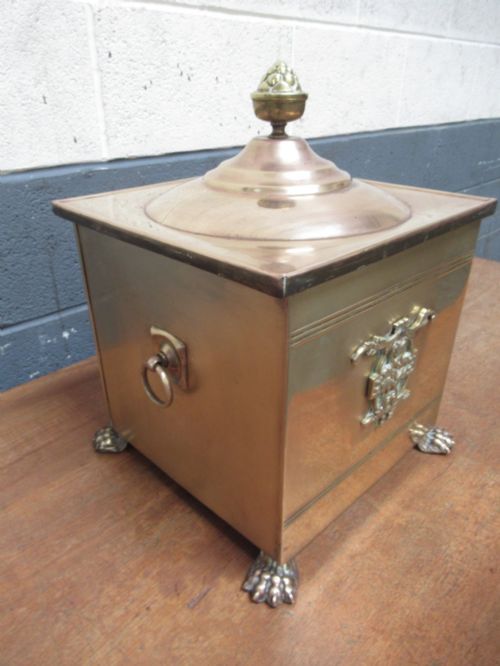
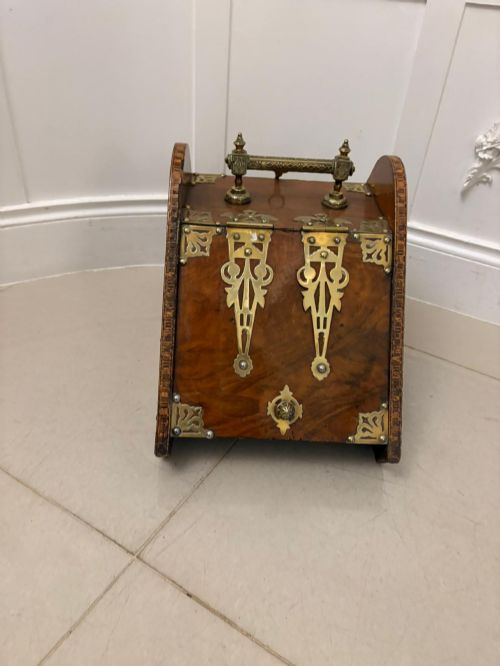
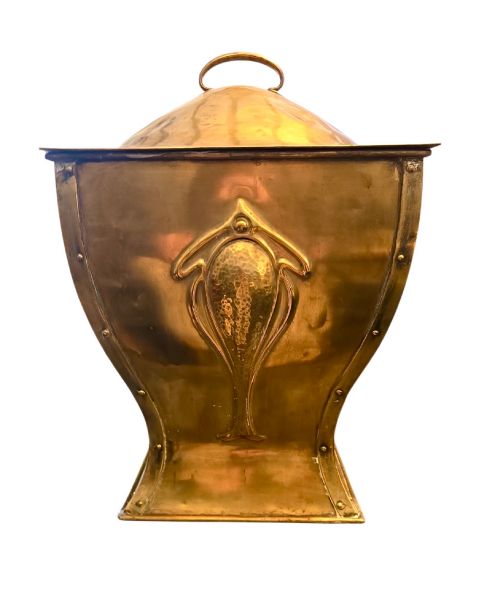
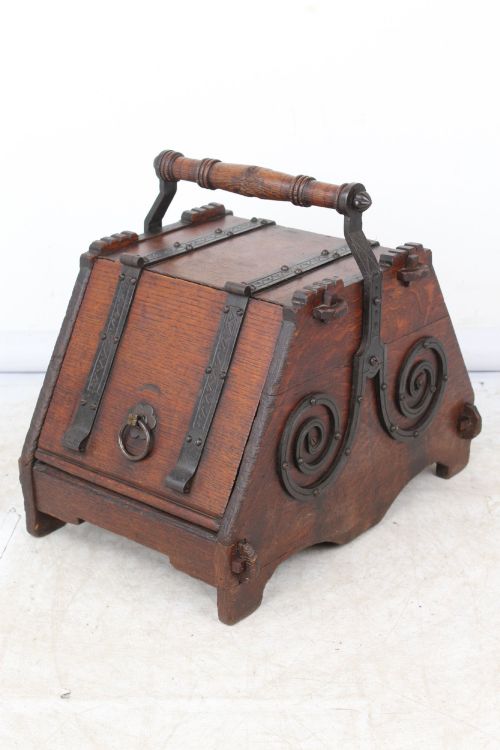
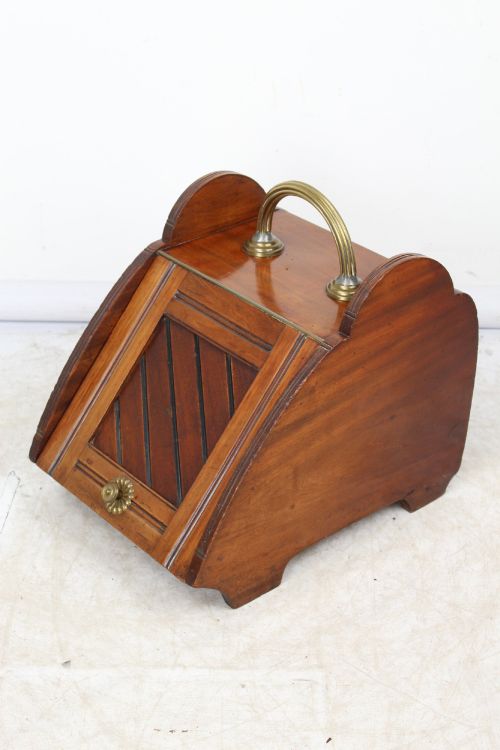
An antique fireplace box encompasses coal scuttles, purdoniums, log bins, and foot stoves designed for solid fuel management beside the hearth. These pieces appear across Victorian, Edwardian, and eighteenth-century periods, taking forms from lidded wooden boxes to embossed brass helmets.
Originating as utilitarian fireside accessories in English and Scottish homes, these objects combine sturdy timber construction with decorative metalwork. They reflect the domestic heating habits of past centuries, housing coal, logs, or embers close to the fire.
Materials and construction methods
Wood and metal form the primary construction of these items, utilising solid oak, walnut, mahogany, and rosewood combined with brass, copper, and iron. Cabinetmakers constructed the wooden boxes with pegged joints or dovetails to withstand heavy loads of fuel, mounting them with brass hinges and drop handles.
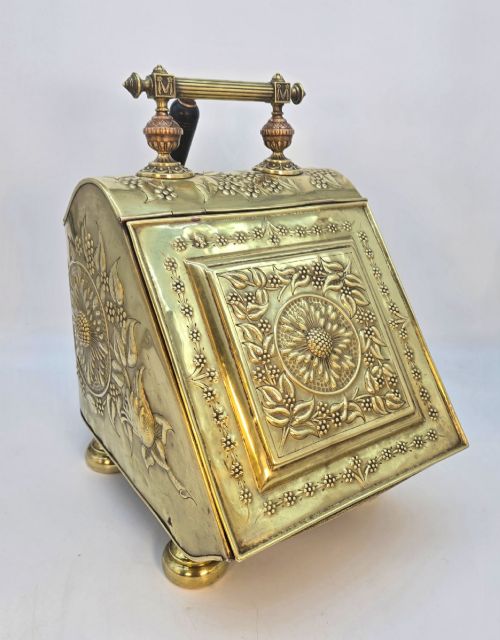
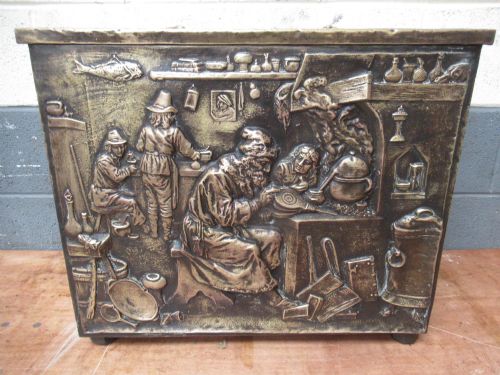
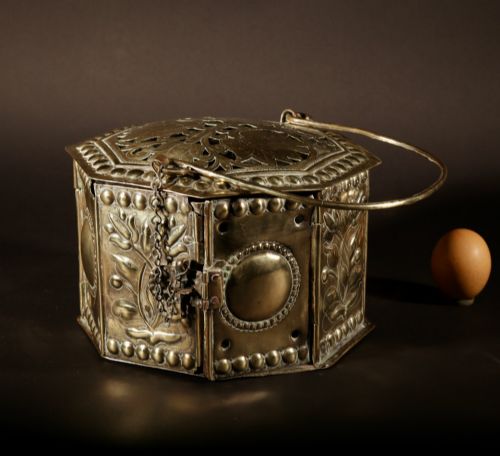
Metalworking techniques include hand-embossing on brass and copper bodies, creating raised floral or geometric patterns seen on coal helmets and foot stoves. Many wooden purdoniums and scuttles incorporate sheet metal liners and iron shovels designed to handle loose coal and ash safely.
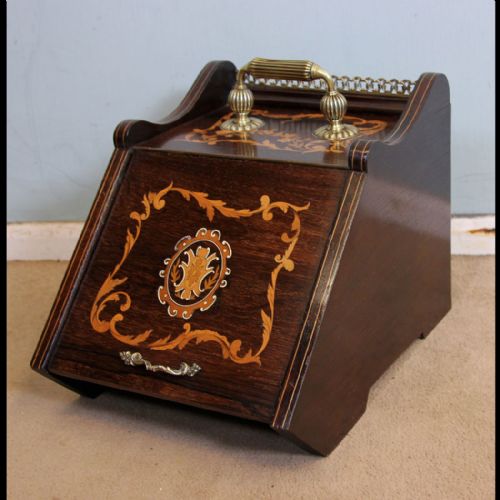
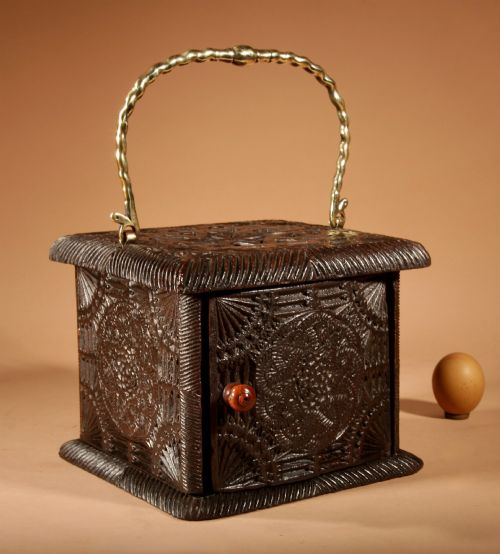
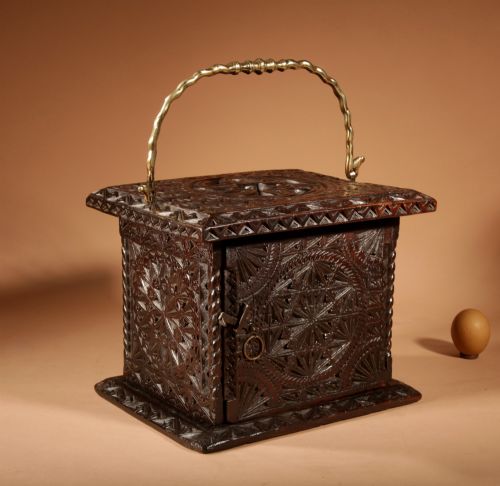
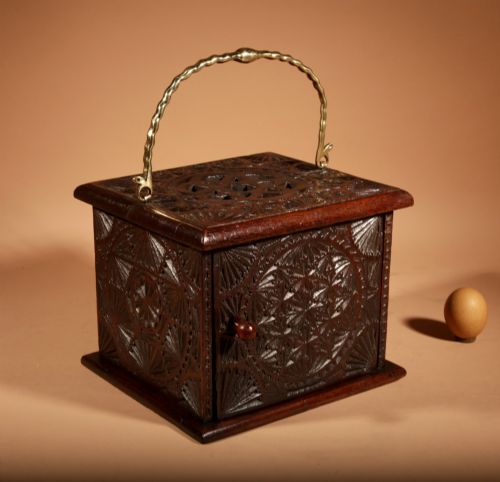
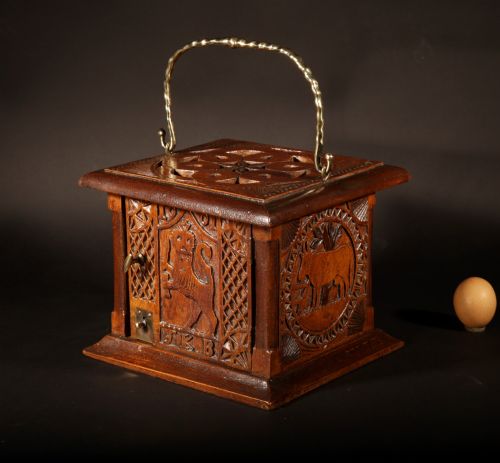
Folk art pieces demonstrate chip carving and partly painted decoration on timber foot stoves, displaying regional woodworking traditions from periods such as the early eighteenth century. Inlaid veneers feature on select Victorian rosewood and walnut boxes, integrating decorative joinery into utilitarian items.
Antique Fireplace Box Retail Price Guide 2026
Typical asking prices for fireplace box among the pieces listed under this phrase on Sellingantiques today, from the lower quarter to the upper quarter. They describe what is for sale here now, not the wider market.
Foot stoves preserve the quiet ingenuity of past winters, designed to keep toes warm over a pan of glowing embers.
Assessing construction and material standards
The standard of timber selection and joinery separates basic utility containers from fine cabinetwork examples. Finer pieces employ figured walnut, carved mahogany, or rosewood with precise dovetailing and inlaid details, rather than simple plank construction.
The quality of the metalwork dictates the overall integrity of the piece, visible in heavy-gauge brass, hand-embossed detailing, and durable iron liners. Retaining original metal shovels, internal liners, and maker-marked brass components elevates the physical completeness of a box.
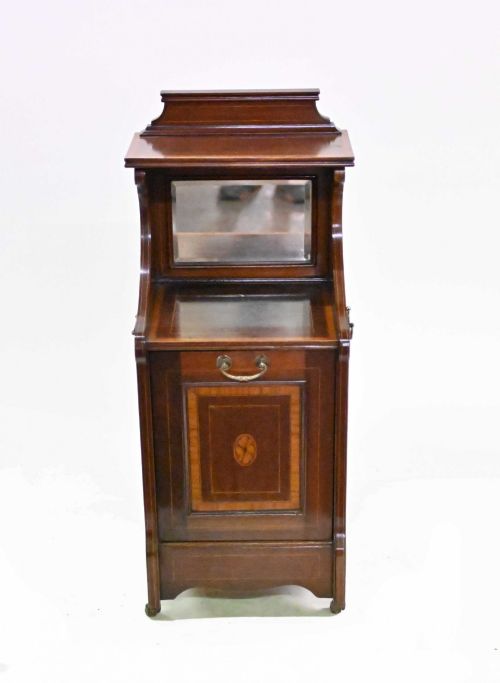
Design complexity marks the upper tier of production, encompassing specialised forms like the purdonium with its tilt-forward bin and dedicated shovel compartment. Pieces attributed to notable makers or specific stylistic movements display superior finishing and balanced proportions.
Benham and Froud
The Antique Fireplace Box Glossary
- Purdonium
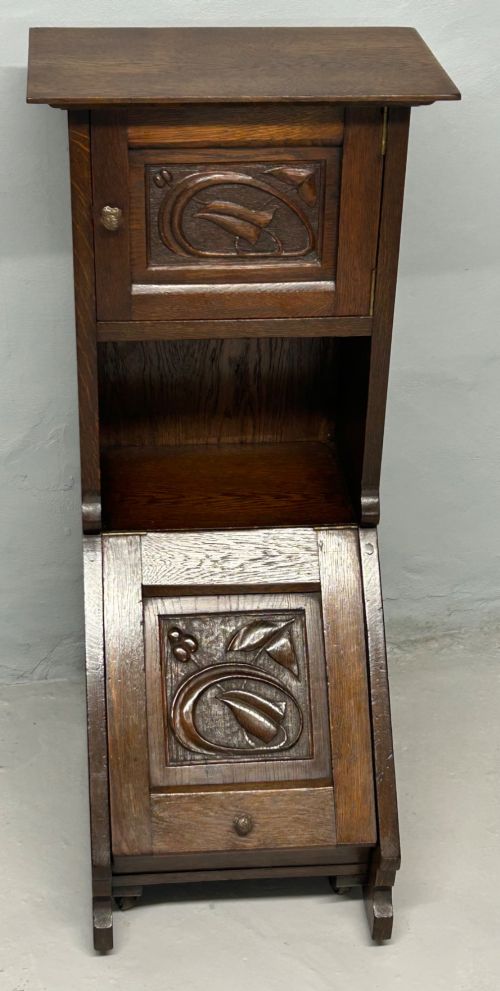
- A specialised coal box featuring a sloping front door that drops forward to reveal an internal metal container for fuel. These Edwardian and Victorian cabinets frequently include built-in compartments for a shovel.
- Coal Scuttle
- A bucket or box shaped to hold and transport coal, often fitted with a pivoting handle and a wide lip for pouring. Examples range from plain iron buckets to embossed brass helmets.
- Foot Stove
- A small wooden box perforated with holes and containing a small pan for hot coals, used in past centuries to warm the feet. These often feature chip carving or folk art decoration.
- Log Bin
- A large open container or box intended to store logs beside the fireplace. They are commonly constructed from sturdy oak or brass-mounted wood.
- Tole Ware
- Lacquered or enamelled metalware used for domestic items including coal scuttles. This technique provides a durable painted surface on iron or steel.
Antique Fireplace Box: Frequently Asked Questions
What is a purdonium?
A purdonium is a dedicated coal box with a drop-down front panel that provides easy access to an internal metal scoop or liner.
These pieces emerged during the nineteenth century to keep household fuel neatly contained beside the hearth.
How were foot stoves used?
Foot stoves held hot embers inside a perforated wooden box so individuals could keep their feet warm during cold weather.
Users placed their feet on top of the pierced wooden lid while sitting in unheated rooms.
What metal liners are inside?
Most coal boxes and scuttles feature removable sheet metal or galvanized liners to catch coal dust and prevent moisture from damaging the outer wood.
These liners lift out independently for easy cleaning and emptying of ash or debris.
Are original shovels usually included?
Some surviving coal boxes retain their original matching metal shovels tucked into side brackets or internal compartments.
Finding a piece with its original shovel is an uncommon occurrence that adds completeness to the set.