




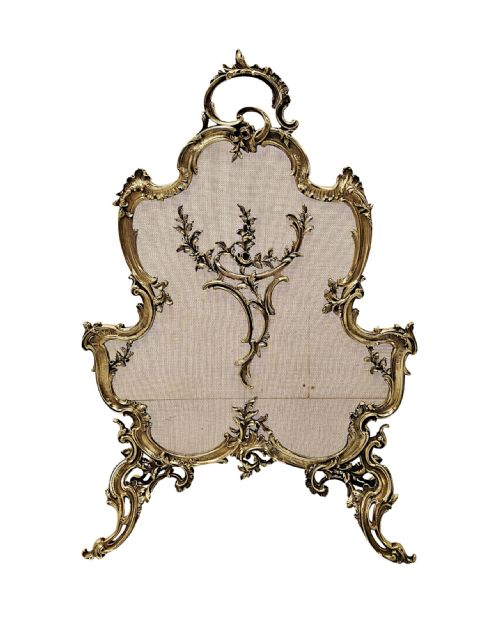
Antique Fire Screen Stand
An antique fire screen stand shields a room from excessive hearth heat while displaying intricate textiles, prints, or glass panels.
Antique Fire Screen Stand
When you search for an antique fire screen stand, you encounter pieces designed to manage hearth temperatures and block glare before the invention of central heating. These household furnishings divide primarily into vertical pole screens with adjustable panels and wider folding or standing fire guards placed directly before the opening.
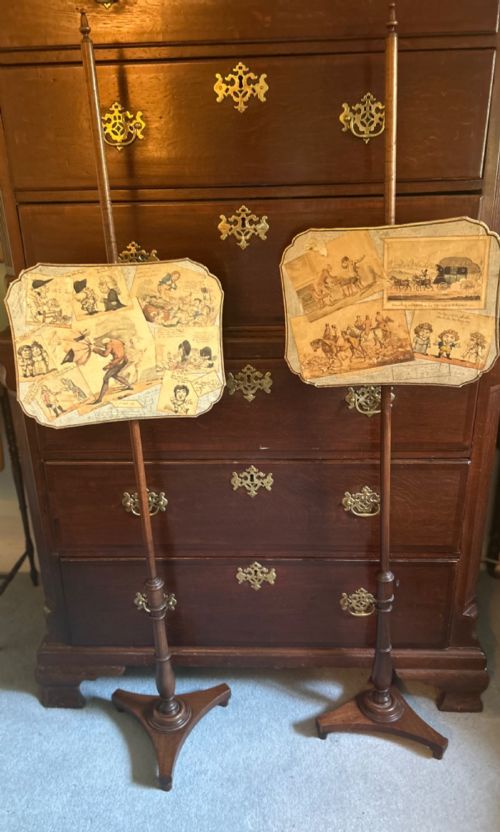
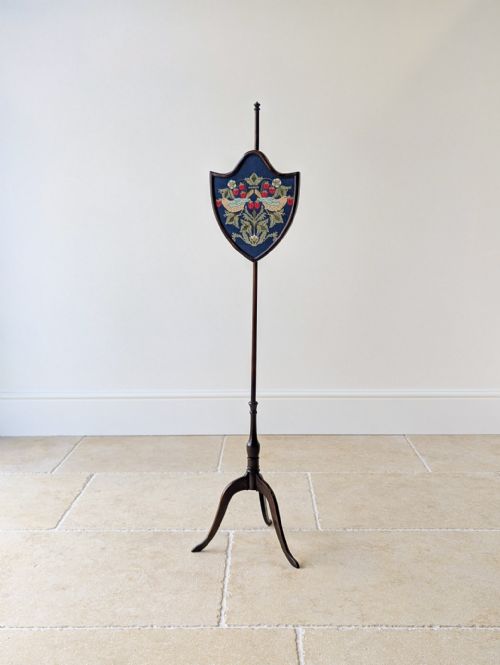
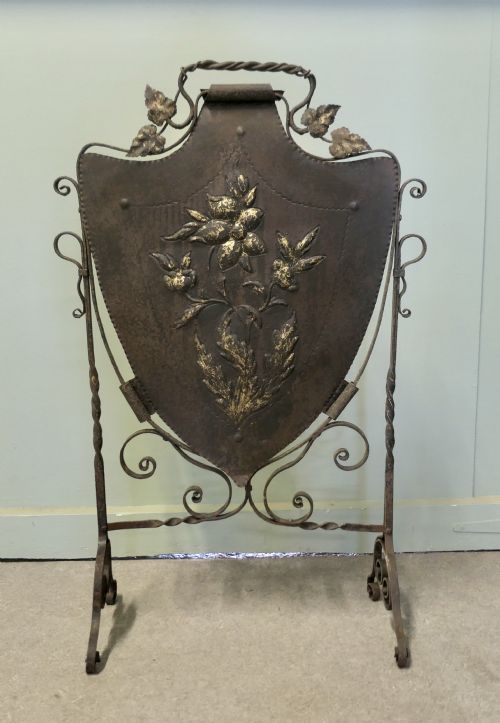
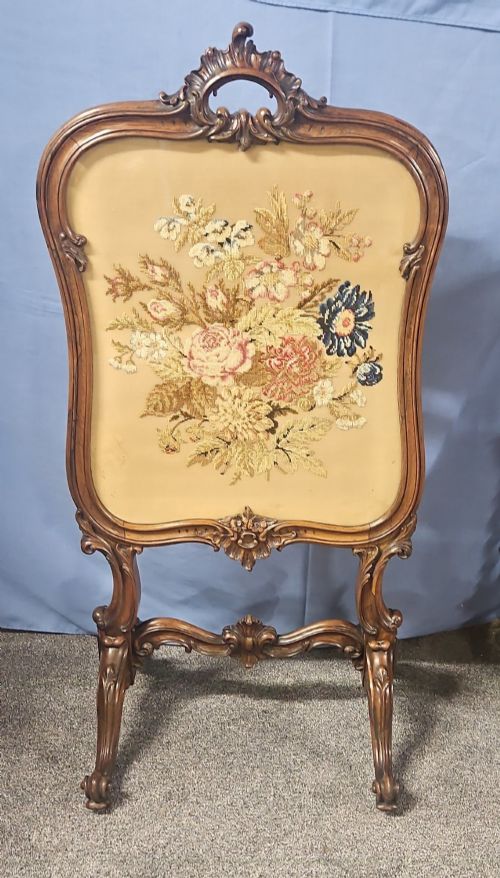
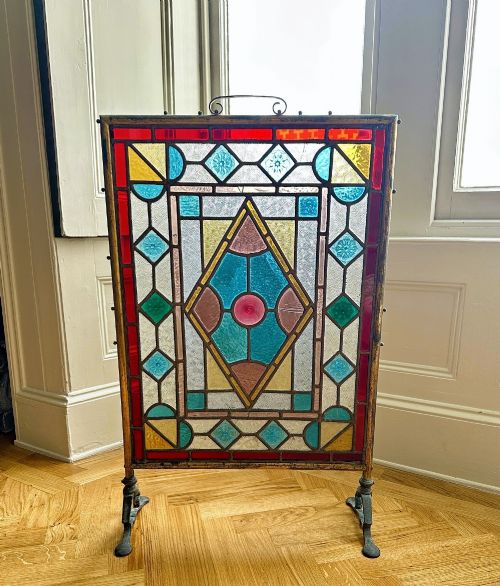
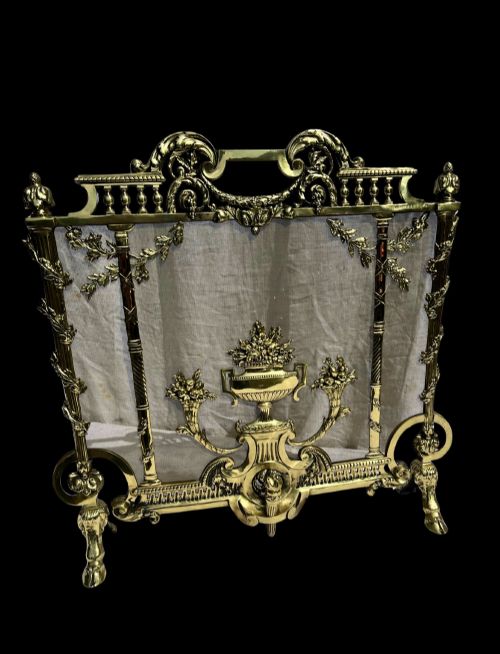
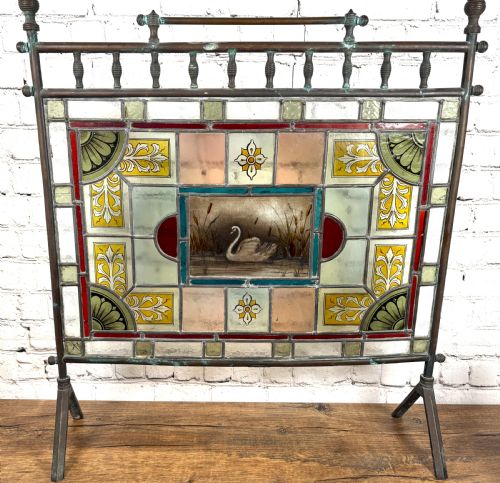
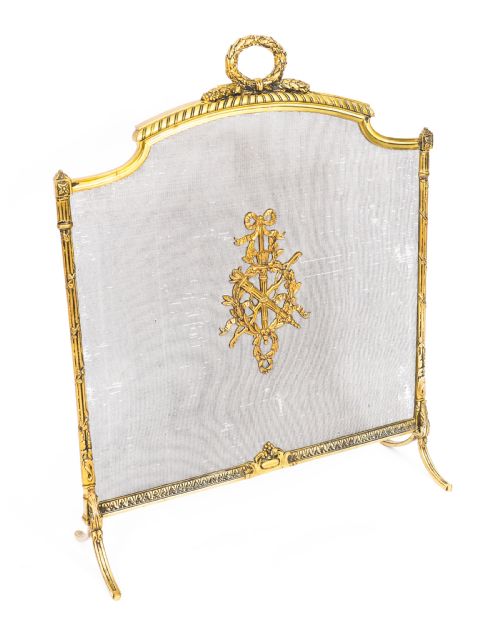
The inventory on this page shows pieces spanning the Georgian, Regency, and Victorian eras, alongside Arts and Crafts and Gothic Revival examples. Pole screens frequently employ timber tripods or pedestals supporting needlework, embroidery, tapestry, or satirical prints, whilst larger guards utilise pierced brass, iron, and stained glass.
Materials and construction
Cabinetmakers constructed the stands using dense timbers such as mahogany, rosewood, walnut, satinwood, and oak, often incorporating carved details, tripod legs, or gilded surfaces. Metal alternatives rely upon forged iron, cast brass, and bronze, sometimes styled in the Rococo or Empire revivals.
The protective panels inserted into these stands combine wooden or metal frames with textiles including wool needlepoint, silk embroidery, tapestry, and painted glass or paper mâché. Adjustable brass collars and threaded screws allow the central panels on pole screens to slide vertically and rotate.
Certain Georgian pole screens incorporate witty satirical prints rather than polite embroidery, injecting unexpected humour into the drawing room.
Quality variations
Superior examples demonstrate refined timber carving on the tripod bases and pedestals, alongside crisp joinery that maintains structural rigidity despite the height of the vertical shaft. Inferior or later adaptations often exhibit softer detailing in the wood or loose adjustment mechanisms.
The artistic merit of the inset panel largely determines the standing of the piece, with finely worked petit-point needlework, original stained glass, or hand-painted scenes commanding greater appreciation than plain or replacement textiles.
The Antique Fire Screen Stand Glossary
- Pole screen
- A freestanding vertical screen with an adjustable panel mounted on a central wooden shaft supported by a tripod base.
- Needlework
- Hand-stitched textile work using wool or silk threads on canvas, frequently depicting floral or figurative scenes.
- Spark guard
- A metal mesh or pierced brass screen designed specifically to catch flying embers from an open fire.
- Tripod
- A three-legged base commonly utilised on pole screens and side tables to provide stability on uneven floors.
- Tapestry
- A heavy hand-woven fabric featuring pictorial designs, often mounted within wooden frames for fireside display.
Antique Fire Screen Stand: Frequently Asked Questions
How do you adjust a pole screen height?
Most pole screens utilise a small brass collar or thumbscrew located behind the sliding panel. Loosening this mechanism permits the screen to move vertically along the wooden shaft.
Tightening the collar secures the panel at the desired elevation to block radiant heat from the hearth.
Where were fire screens placed in a room?
These furnishings stood between the fireplace and the primary seating area during cooler months. They protected inhabitants' faces from the intense heat of open coal or wood fires.
When not in use near the hearth, they functioned as decorative side furniture against room walls.
How do you date a Victorian fire screen?
Victorian pieces often display heavier proportions, darker woods such as walnut, and eclectic revival styles like Gothic or Rococo. The presence of machine-woven backing or synthetic thread hints at later production dates.
Earlier Georgian and Regency examples tend to feature lighter mahogany or rosewood frames with hand-embroidered needlepoint panels.