


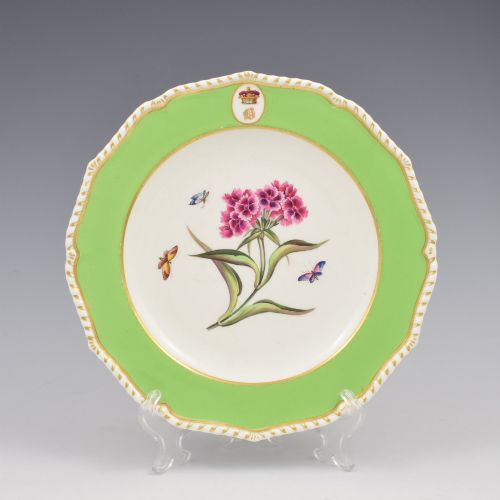


Antique Fine China Plates
These antique fine china plates bring hand-painted botanicals, armorials, and Imari patterns straight from historic dining rooms onto display.
Antique Fine China Plates
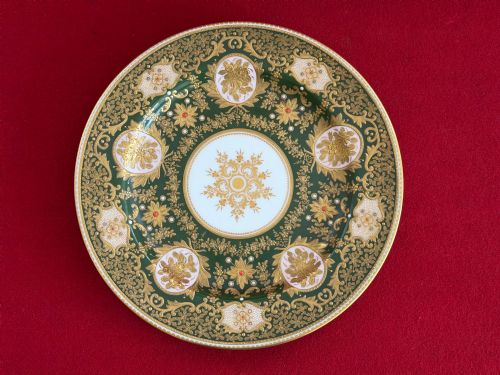
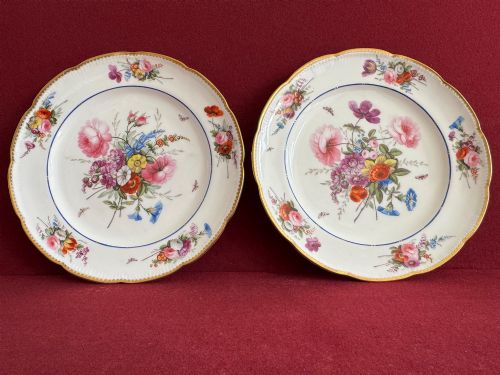
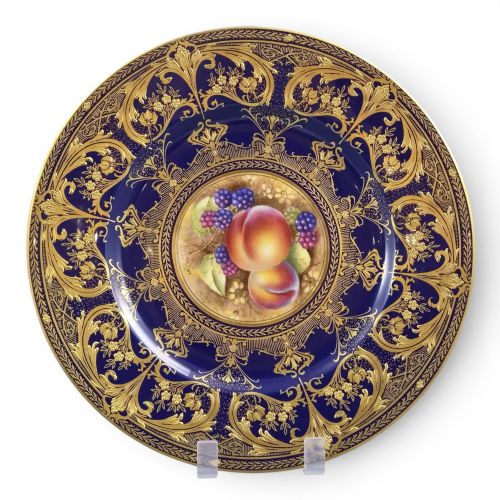
When searching for antique fine china plates, a buyer encounters decorative cabinet pieces, dessert plates, and serving dishes spanning the Georgian, Regency, and Victorian eras. These items range from armorial botanical dessert plates to hand-painted cabinet plates created by prominent English and European potteries.
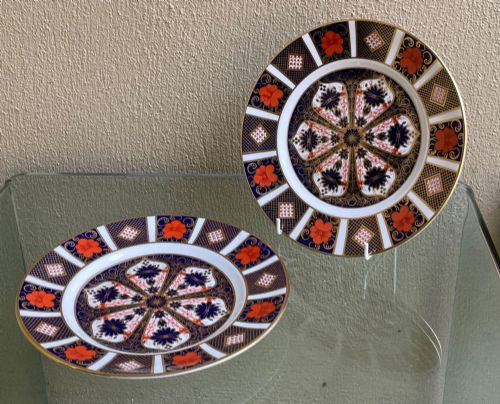
The pieces on this page are most frequently English porcelain and bone china, featuring hand-painted floral motifs, gilt borders, and traditional Imari patterns. Makers such as Royal Crown Derby, Royal Worcester, and Worcester dominate the selection alongside continental and export pieces.
How they were made
Potters shaped fine porcelain and bone china bodies before applying hand-painted underglaze blue, enamel colours, and detailed botanical or figural scenes. Skilled artisans then added gold leaf, gilt, and gilding to rims and borders to elevate the tableware for formal dining.
Kiln firing set the hard paste or bone china bodies and fixed the delicate enamel pigments. Subsequent gilding processes required additional low-temperature firings to adhere the gold leaf securely to the glazed surfaces.
Antique Fine China Plates Retail Price Guide 2026
Typical asking prices for fine china plates among the pieces listed under this phrase on Sellingantiques today, from the lower quarter to the upper quarter. They describe what is for sale here now, not the wider market.
Listings feature porcelain, bone china, enamel, and gold leaf across Georgian, Regency, and twentieth-century eras.
What varies in quality
Quality rests upon the precision of the hand-painted brushwork and the artistic merit of the botanical or armorial subject matter. Pieces painted by named artists or featuring complex gilding represent the higher tier of production.
The refinement of the porcelain paste and the crispness of the moulding also distinguish standard wares from exceptional cabinet plates. Superior examples retain vibrant enamel colours and pristine gold leaf with minimal wear.
Royal Crown Derby·Royal Worcester·Barr Flight And Barr·Bloor Derby·Coalport
The Antique Fine China Plates Glossary
- Bone china
- A type of soft-paste porcelain incorporating bone ash for enhanced strength and translucency. It became a staple material for fine English tableware during the nineteenth century.
- Armorial
- A ceramic design featuring a family coat of arms or crest. These bespoke plates were commissioned by landed families for grand dining services.
- Imari
- A decorative style inspired by Japanese export wares featuring iron red, cobalt blue, and gold. English factories like Royal Crown Derby adopted these vibrant patterns extensively.
- Cabinet plate
- A decorative plate intended for display in a cabinet rather than for everyday dining. These pieces often showcase elaborate hand-painted artwork and rich gilding.
Antique Fine China Plates: Frequently Asked Questions
Can I use these plates for serving food?
Most antique fine china plates are intended for display or light dessert service rather than heavy daily dining. Historic enamels and delicate gilding can wear down with frequent washing and utensil use.
Cabinet pieces and botanical dessert plates are best preserved by keeping them in display cabinets or using plate stands away from direct heat.
How do I identify the period of a plate?
Makers' marks on the underside, paste composition, and painting styles offer the clearest clues to a plate's age. Georgian and Regency pieces often feature handwritten factory scripts, while later Victorian and twentieth-century wares use printed transfer marks.
Stylistic indicators like Rococo Revival scrolls or specific Imari palette tones also help narrow down the decade of production.
What is the difference between porcelain and bone china?
Traditional porcelain relies on hard-paste kaolin and petuntse clays fired at high temperatures to achieve a vitreous body. Bone china incorporates animal bone ash into the mixture, creating a warmer tone and greater chip resistance.
Both materials allow for thin, elegant wall sections suitable for fine decorative painting and gilding.
How should I display cabinet plates safely?
Wall-mounted hangers or specialist display stands distribute the weight evenly across the rim and base. Ensure the display location avoids direct sunlight to protect hand-painted enamel colours from fading over time.
Soft-coated wire or padded brackets prevent scratching the delicate porcelain glaze and gilded borders.