
Antique Figurine Sculpture
These antique figurine sculpture pieces span centuries of metalwork, stone carving, and woodcraft, offering collectors tangible fragments of past ateliers and artistic traditions.
Antique Figurine Sculpture
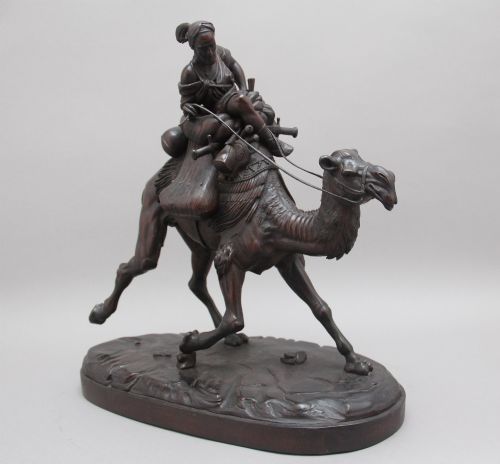
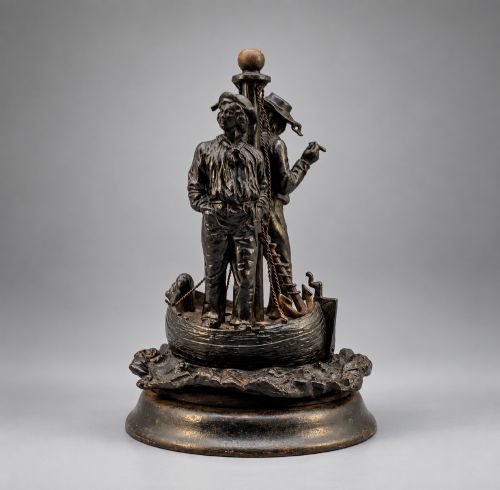
When you search for an antique figurine sculpture, you encounter a diverse array of three-dimensional forms ranging from small animal studies to monumental busts. The selection draws together human figures, animals, and mythological subjects created across multiple continents and centuries.
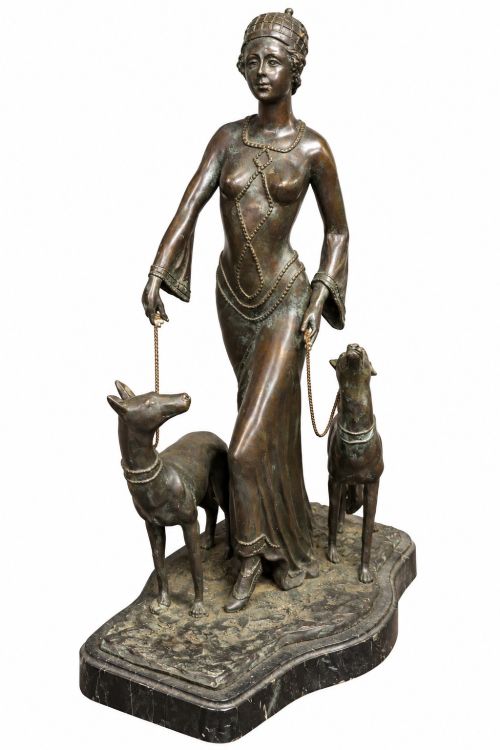
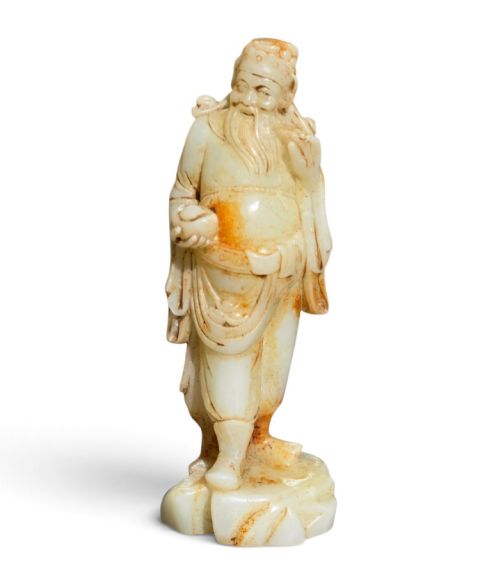
The objects on this page most frequently emerge from nineteenth-century European workshops and twentieth-century Art Deco studios. Alongside these European bronzes and alabasters appear significant carved hardstones, jades, and wooden folk art pieces from Asian and domestic traditions.
Makers utilised varied materials to suit the specific scale and character of each subject, producing everything from cabinet bronzes to substantial mantel ornaments. This mixture reflects the shifting tastes of Victorian collectors, Grand Tour travellers, and twentieth-century interior designers alike.
Materials and Methods of Production
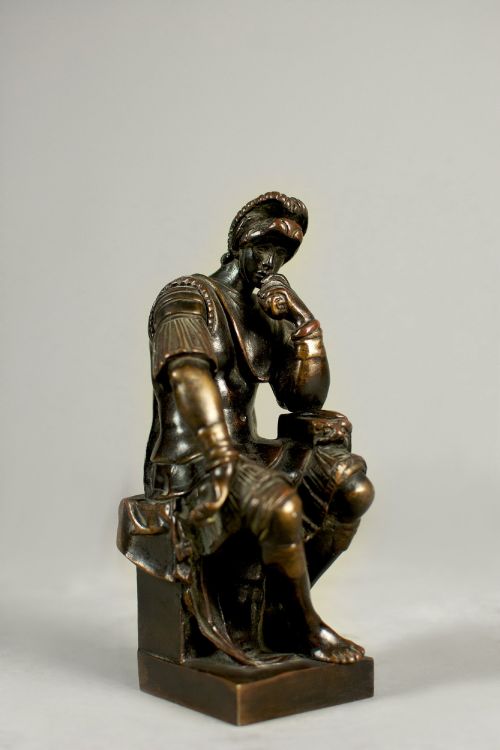
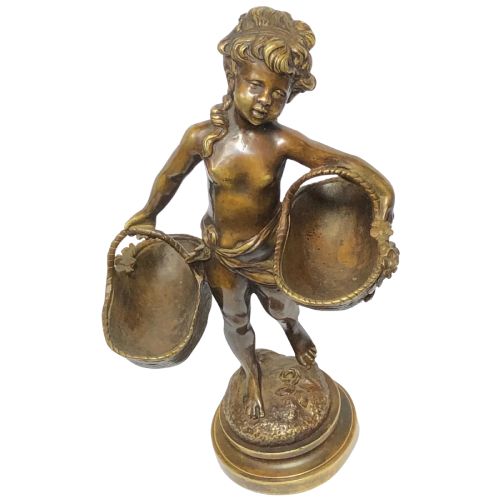
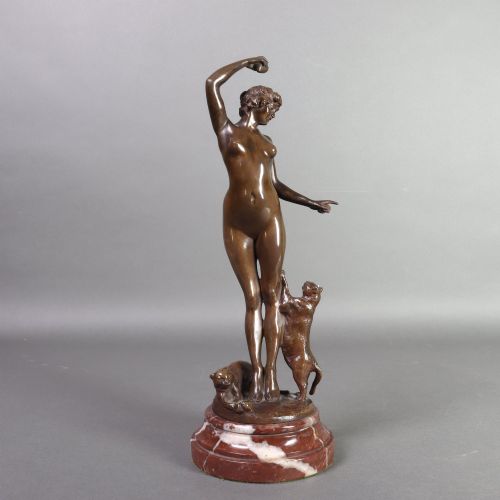
Foundries cast metal pieces primarily in bronze, patinated bronze, gilt bronze, or spelter, frequently mounting the finished figures onto marble or stone bases. Artisans employed the lost-wax technique for intricate bronzes, capturing fine details in hair, drapery, and animal musculature.
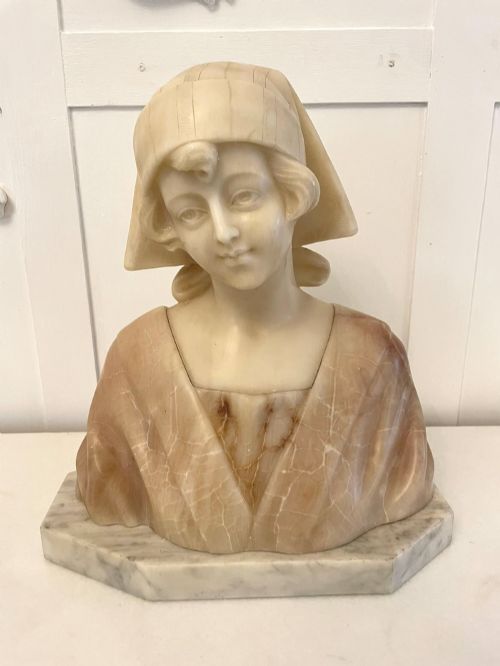
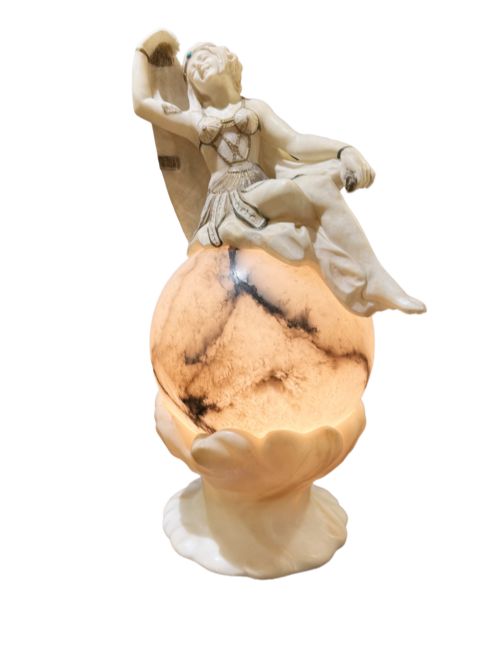
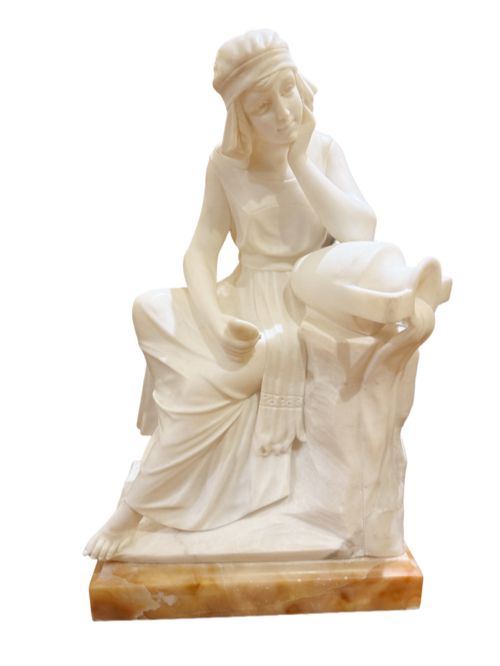
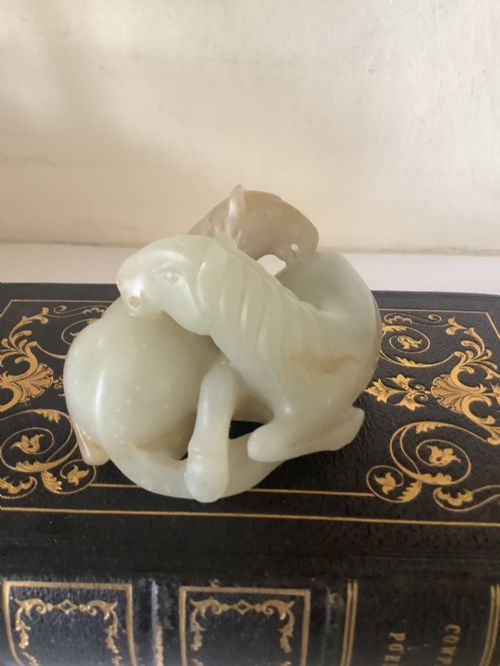
Carvers worked directly into natural media including alabaster, marble, jade, hardstone, cedar, linden wood, and amber. Each substance dictated the tool marks and finishing techniques, from the smooth polish of an alabaster maiden to the textured surface of a black forest animal carving.
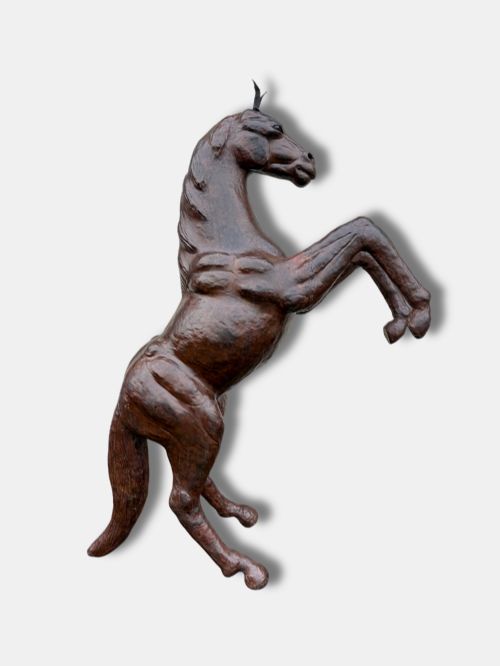
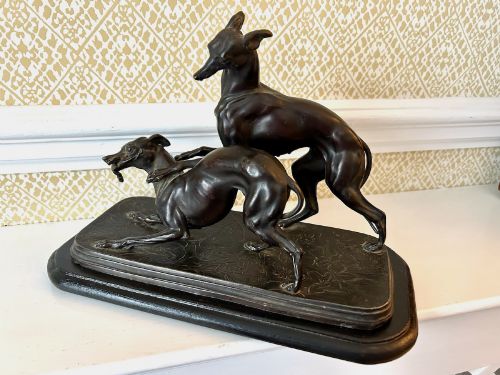
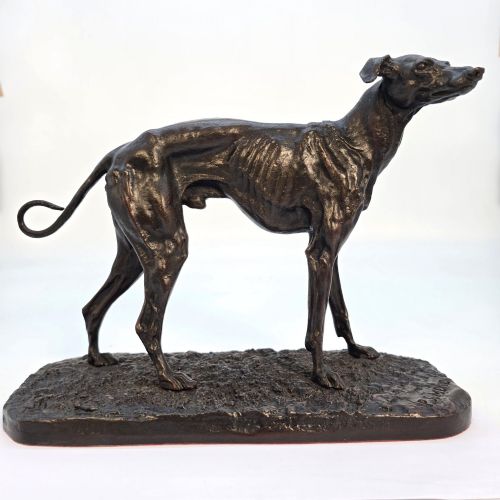
The selection includes animalier studies of greyhounds and whippets alongside human figures from the Victorian and Art Deco eras.
Distinguishing Quality and Execution
Carved pieces separate along lines of anatomical proportion, depth of relief, and the skilful integration of natural inclusions within stone or wood. A master carver works with the grain of the wood or the veins of the marble to enhance the living form of the subject.
P. J. Mène·Auguste Moreau·Gustave Dussart·Lavroff·D. H. Chiparus·Jean de Roncourt·Hagenauer·Maurice Giraud-Rivière·Valentino Besarel·Luca Madrassi·Pierre Collinet·Tom Mackie·Carl Kauba
The Antique Figurine Sculpture Glossary
- Animalier
- A nineteenth-century artistic movement dedicated primarily to the realistic portrayal of animals, particularly dogs, horses, and wild predators. Sculptors in this style studied live creatures closely in menageries.
- Grand Tour
- A traditional trip through Europe undertaken by upper-class young men and collectors during the eighteenth and nineteenth centuries to study classical art and acquire bronze reductions of ancient statues.
- Spelter
- A zinc alloy frequently utilised as a less expensive alternative to bronze during the nineteenth and twentieth centuries. It accepts patination well to simulate heavier metals.
- Blanc-de-Chine
- A type of white porcelain produced in Dehua, China, famous for its smooth glaze and utilised for religious and secular figures. It represents a distinct tradition within ceramic sculpture.
- Chasing
- The process of finishing a metal cast by hand using small hammers and punches to refine surface details and remove casting flaws. High-level chasing distinguishes master bronzes from commercial editions.
Antique Figurine Sculpture: Frequently Asked Questions
How do I clean an antique bronze sculpture?
Dust the surface gently with a soft, dry brush to prevent the accumulation of grit in crevices. Avoid using water, soap, or chemical polishes that can strip the original patina.
Apply a microcrystalline wax very sparingly if the metal requires protection from atmospheric moisture. Buff the surface lightly with a clean cloth after application to maintain a stable finish.
What is the difference between bronze and spelter?
Bronze is an alloy of copper and tin that yields a heavy, durable sculpture capable of holding sharp chisel and file marks. Spelter is a softer, zinc-based metal that feels lighter and appears more brittle under close examination.
Test the base or underside discreetly if the composition remains unclear, as spelter often reveals a greyish metal beneath worn paint or patination. Bronze maintains a warm, coppery tone where the surface has rubbed.
How should I display alabaster figures safely?
Position alabaster sculptures away from direct sunlight and damp environments to prevent yellowing or surface softening. This mineral is relatively soft and scratches easily against hard surfaces.
Place the piece on a stable, level shelf where vibrations from foot traffic will not cause it to slide. Support the base evenly without relying on protruding decorative elements to bear the weight.
Are wooden animal carvings purely decorative?
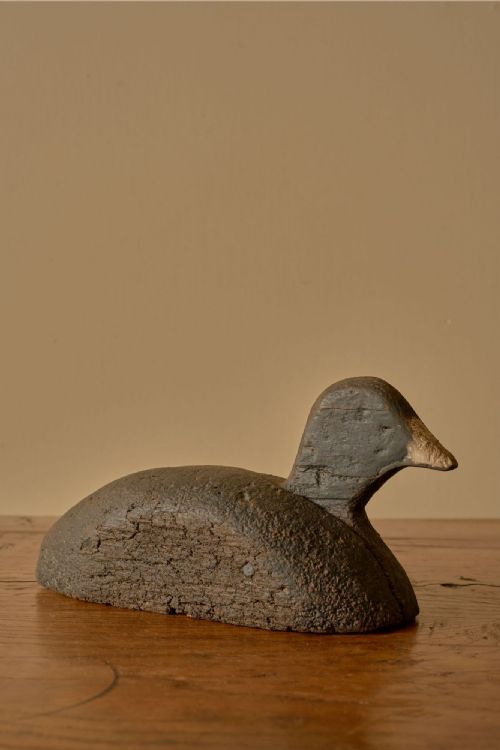
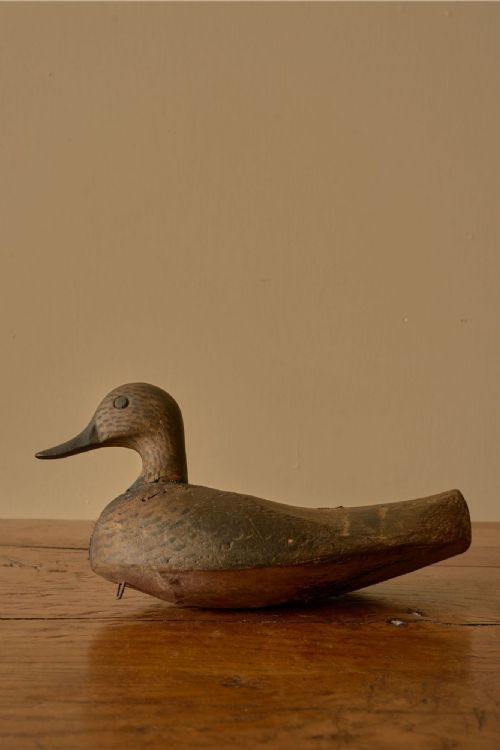
Many wooden animal carvings, such as decoy ducks and traditional folk art bears, served practical functions or cultural roles before entering collections. Decoys lured waterfowl for hunters, while folk carvings held regional significance.
Display these wooden works in balanced interior humidity to prevent the timber from splitting or warping over time. Keep them clear of direct heat sources like radiators and fireplaces.