



Antique Figure Vases
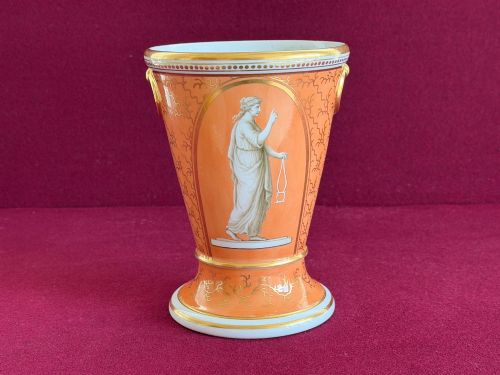
These antique figure vases bring together sculptural form and vessel, depicting human figures, animals, and mythological scenes across earthenware, porcelain, and bronze.
Antique Figure Vases
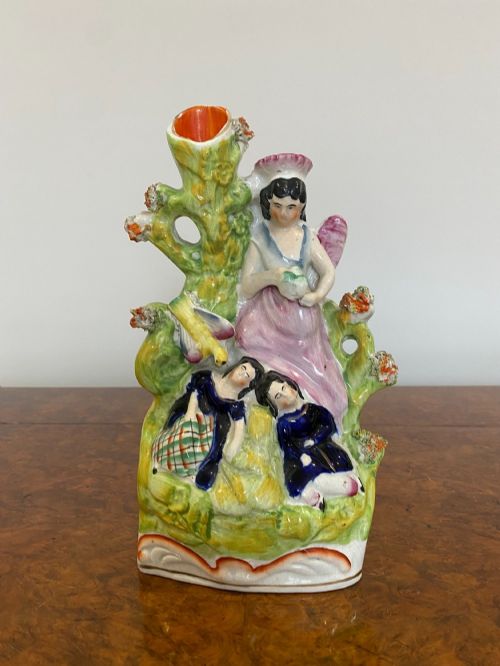
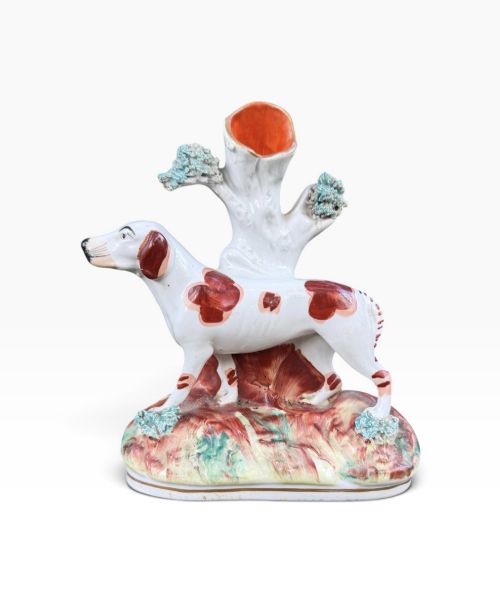
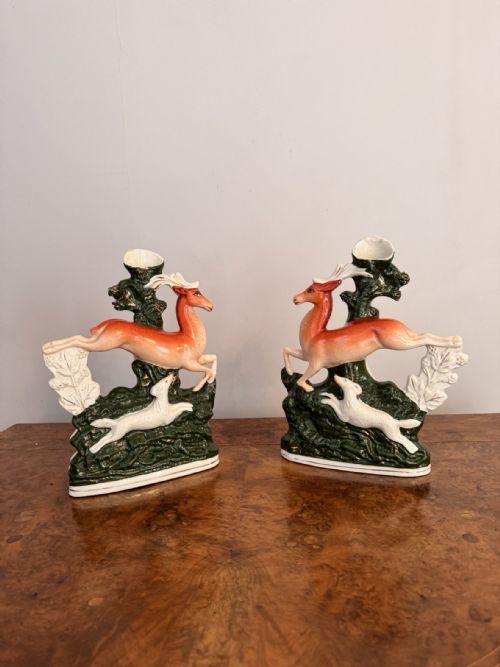
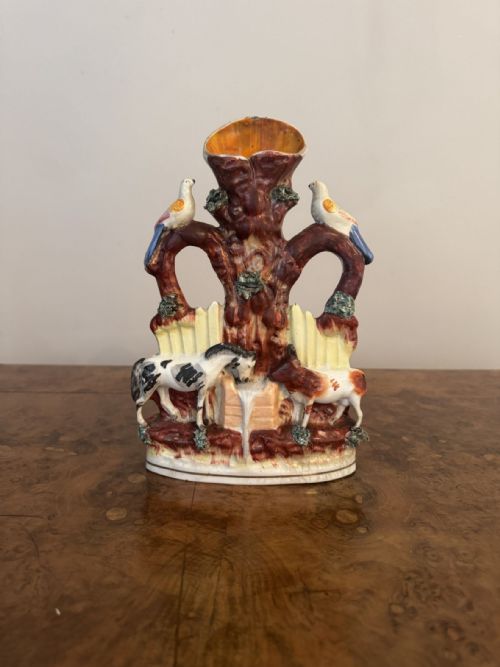
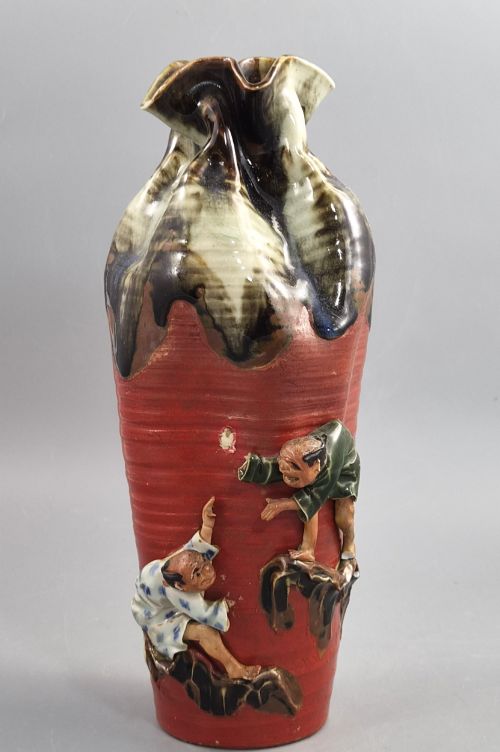
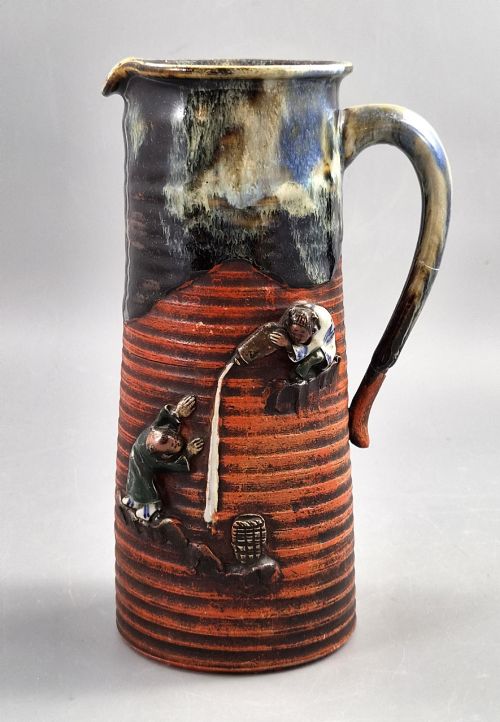
When searching for antique figure vases, collectors encounter diverse traditions ranging from Staffordshire pottery spill vases featuring animals and human subjects to Japanese Sumida Gawa art pottery adorned with applied climbing figures.
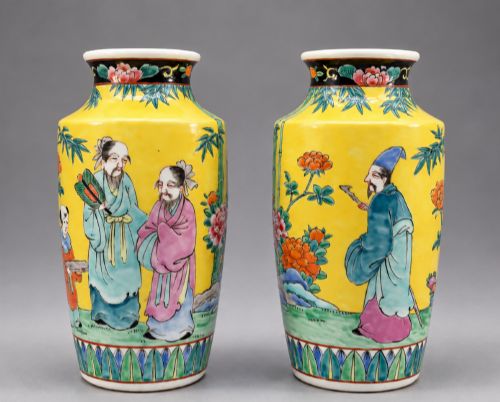
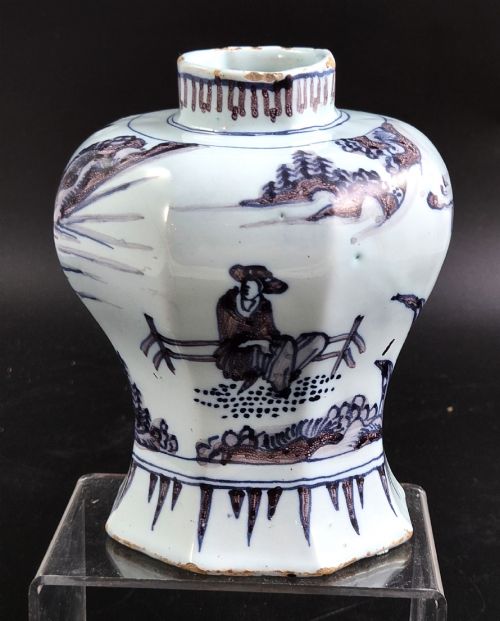
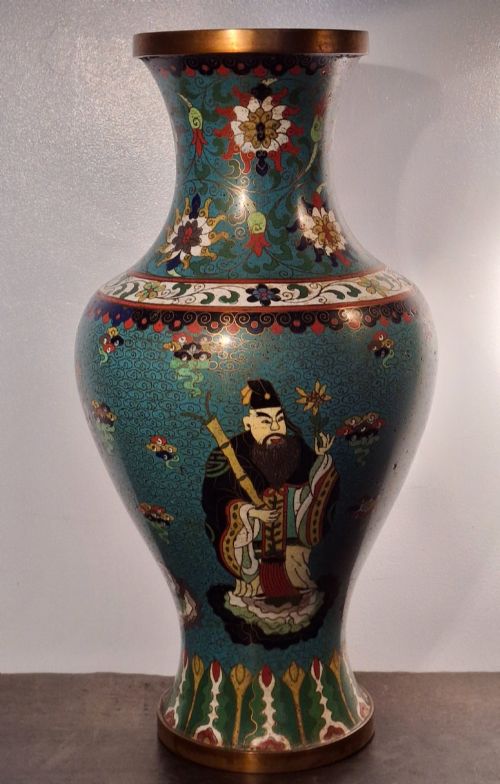
The selection spans multiple periods, including Victorian Staffordshire earthenwares alongside Meiji period Japanese ceramics and Chinese porcelain pieces depicting scholars and elders.
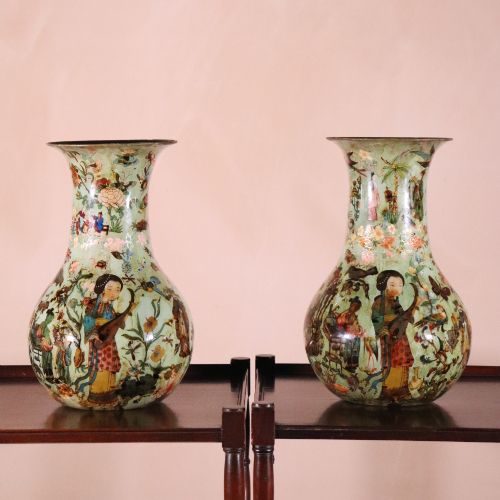
Vessels take various forms, from spill vases and baluster jars to cachepots and amphora vases, incorporating sculptural elements directly into the ceramic or bronze body.
Materials and construction
Potters and makers utilised materials such as earthenware, stoneware, and porcelain, often applying lead glazes, enamel, and gold leaf to accent the modelled subjects.
Japanese Sumida Gawa pieces display characteristic flambe glazes and heavily textured, pinched sack rims with distinct hand-modelled figures applied in high relief.
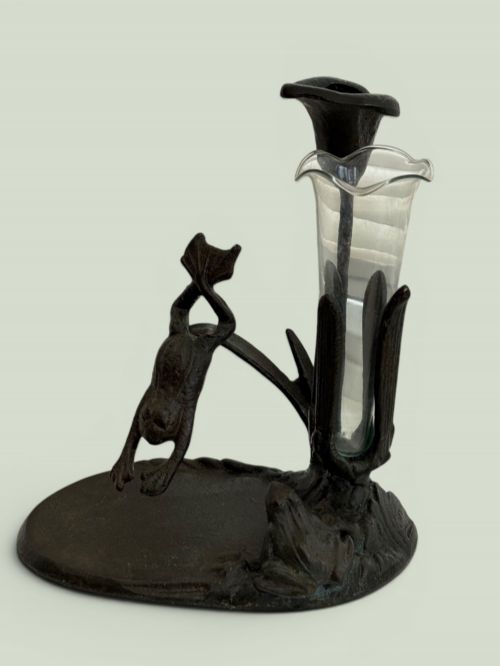
Staffordshire pottery examples rely on moulded earthenware construction decorated with hand-painting and underglaze colours, while bronze and copper vessels incorporate champleve enamel and ormolu mounts.
Antique Figure Vases Retail Price Guide 2026
Typical asking prices for figure vases among the pieces listed under this phrase on Sellingantiques today, from the lower quarter to the upper quarter. They describe what is for sale here now, not the wider market.
Listings feature works in earthenware, porcelain, stoneware, and bronze, spanning from the seventeenth century through the Victorian and Meiji periods.
Factors of quality
Quality rests upon the precision of the modelling and the clarity of hand-painted details, separating mass-produced items from works bearing individual artistic execution.
Signed pieces by recognised makers or studios demonstrate superior craftsmanship in the handling of glazes, particularly in complex flambe surfaces and delicate enamel work.
Thomas Parr factory·Flight and Barr·Inoue Ryosai
The Antique Figure Vases Glossary
- Spill vase
- A small cylindrical vessel designed to hold taper spills for lighting candles or fires. These often incorporate animal or human figures at the base.
- Champleve
- An enamelling technique where artist cells are gouged into a metal surface and filled with vitreous enamel before firing. This method creates defined colour boundaries within bronze or copper vessels.
- Flambe glaze
- A streaked or mottled metallic glaze produced during high-temperature firing in reduction atmospheres. It yields unpredictable colour transitions from blues to reds and lavenders.
- Baluster
- A vase shape with a rounded lower body that tapers towards a narrow neck and flaring rim. The profile mimics architectural balusters.
Antique Figure Vases: Frequently Asked Questions
What is a figure vase?
A figure vase combines a traditional vessel shape with sculptural human, animal, or mythological figures integrated into the design or applied in relief.
These pieces function simultaneously as decorative containers and sculptural artworks across various historic ceramic and metalwork traditions.
How were Staffordshire figure vases used?
Staffordshire pottery figure and spill vases served primarily as mantelpiece ornaments in nineteenth-century homes, combining domestic display with utility.
Spill vases doubled as holders for thin wooden tapers used to transfer flames from hearths to candles or pipes.
What defines Sumida Gawa pottery?
Sumida Gawa pottery originates from the Tokyo region and is characterised by heavily textured flambe glazes and thick, dripped surfaces.
These vessels distinctly feature high-relief, hand-modelled figures such as sages, children, and climbers clambering across the exterior body.
How do I identify Satsuma porcelain?
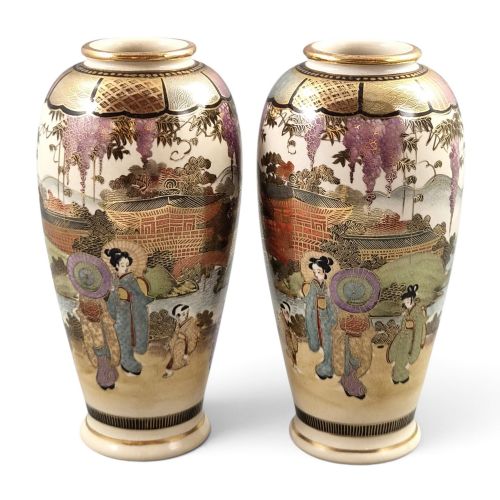
Satsuma wares generally feature an ivory-coloured earthenware body covered in a finely crackled transparent glaze.
Decoration typically incorporates dense hand-painted enamel scenes and gilt highlights depicting figures, scholars, and traditional landscapes.