

Antique Figure Lighting
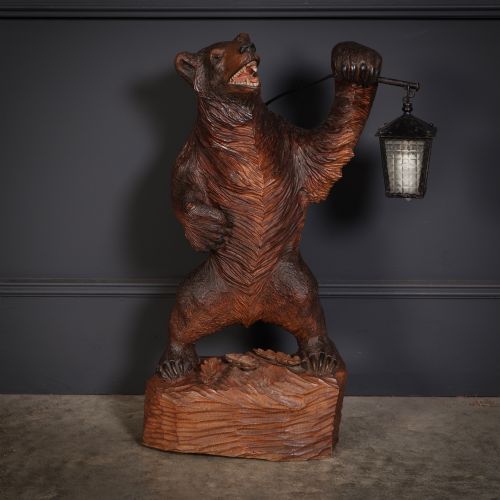
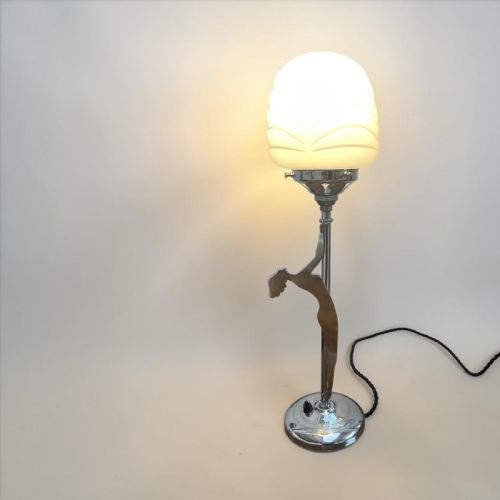
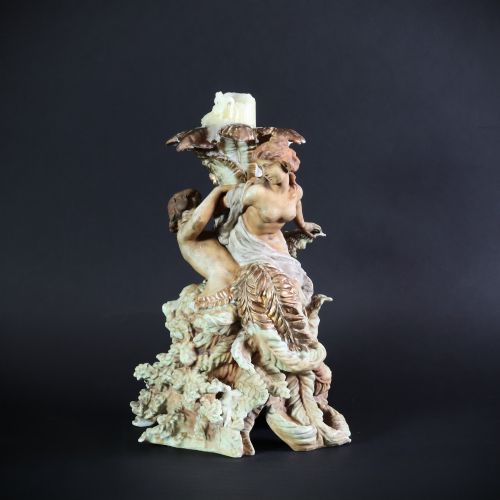
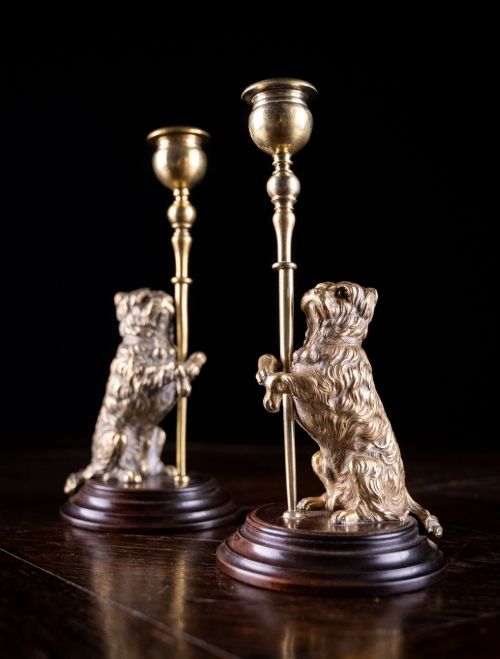
Antique figure lighting combines sculptural form with functional illumination, spanning centuries of craftsmanship in bronze, porcelain, and carved wood.
Antique Figure Lighting
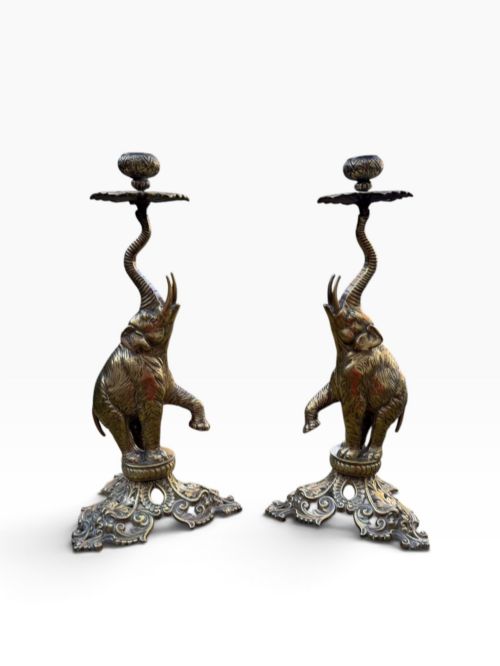
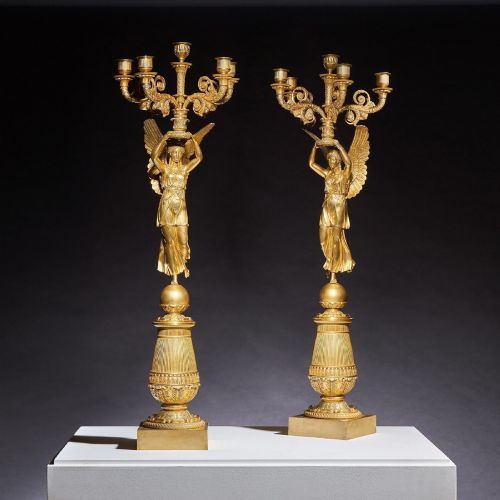
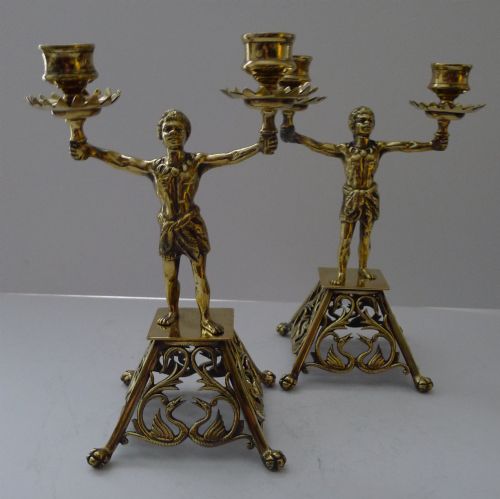
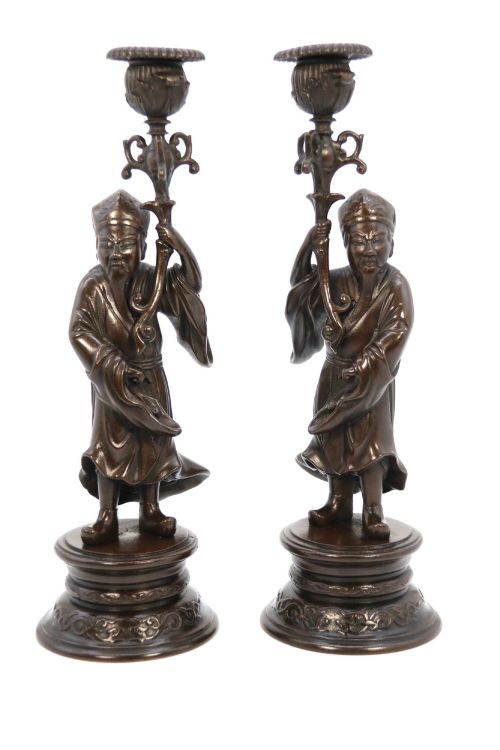
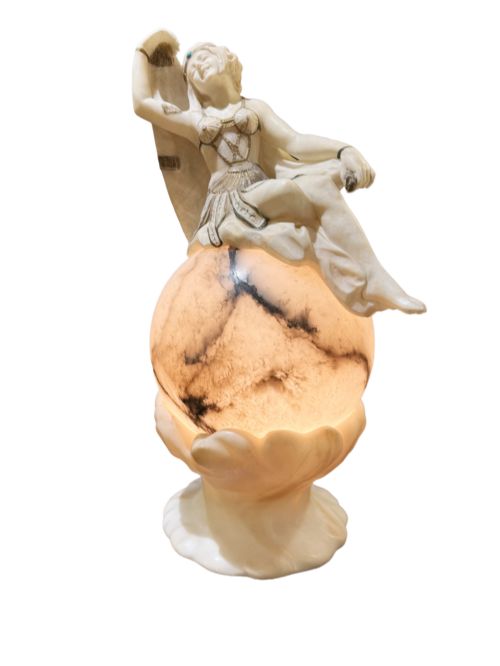
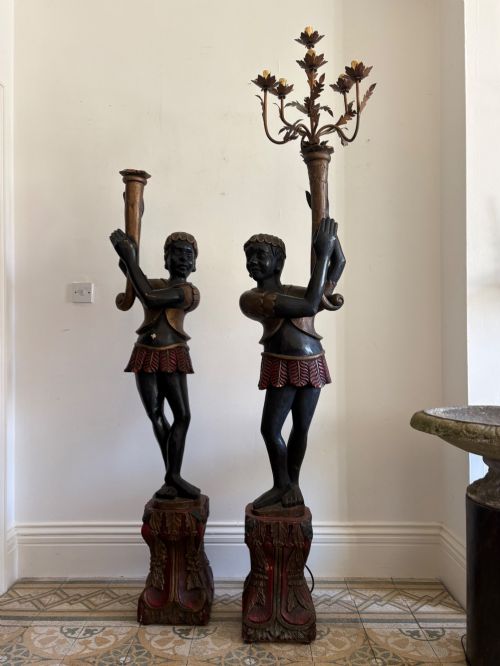
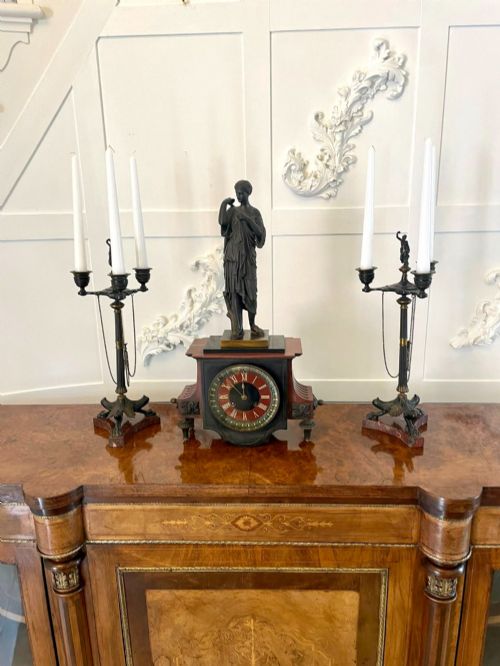
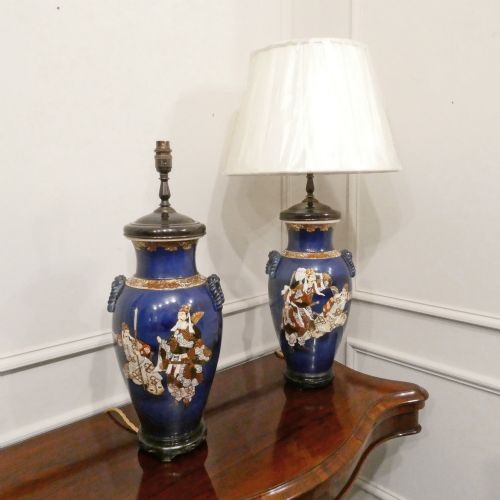
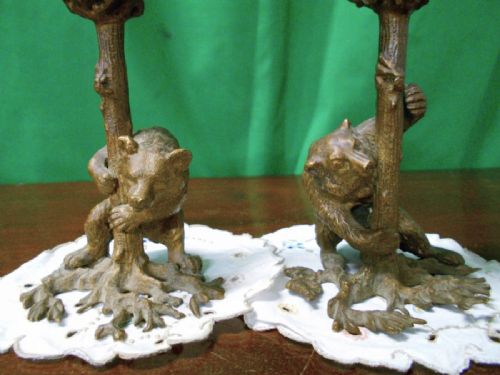
When buyers search for antique figure lighting, they encounter sculptural objects adapted for illumination or designed to hold candles, often depicting human figures, animals, or mythological subjects. The selection includes table lamps, floor lamps, candlesticks, and candelabra originating from the nineteenth and early twentieth centuries.
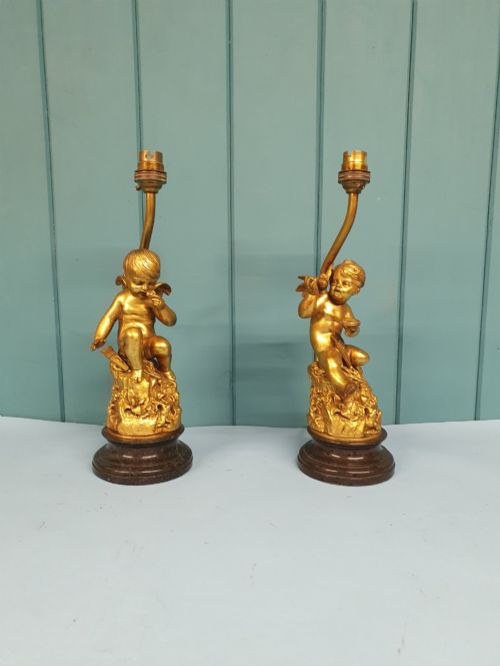
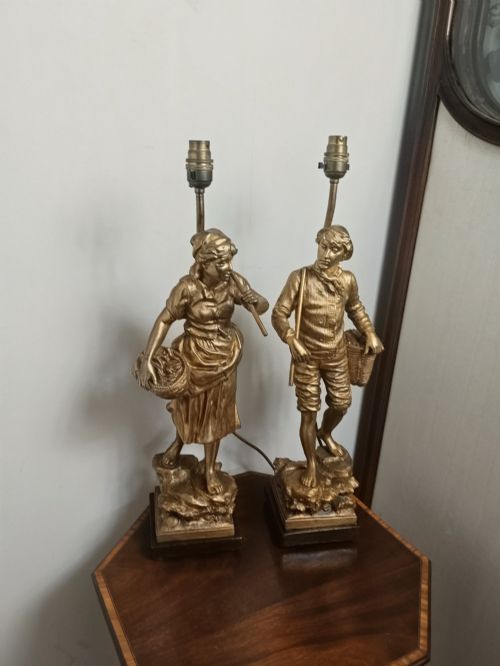
The most common examples on this page are metal and porcelain figural pieces from the Victorian, Regency, and Art Deco periods. These range from cast brass cherubs and spelter soldiers to porcelain animals and bronze dancers holding light sources.
Makers and foundries across Europe produced these works in diverse styles such as Neoclassical, French Empire, and Art Nouveau. Each piece integrates figurative sculpture directly into the mechanics of a lamp or candlestick base.
How they were made
Makers utilised a range of casting and carving techniques, combining metals such as bronze, brass, and gilt ormolu with carved wood, marble, onyx, and alabaster. Foundries cast figures in bronze or spelter, frequently applying cold-painted finishes or gilding to highlight details.
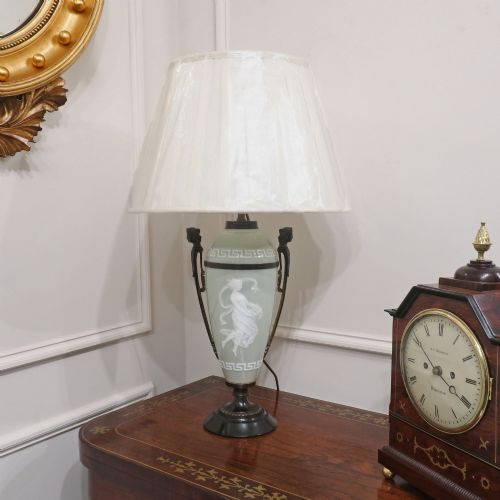
Ceramic lighting incorporates fine porcelain bodies, including pate sur pate and Satsuma wares, often painted and glazed before mounting on metal or stone plinths. Glass elements, such as vaseline glass shades or lustres, complement the metalwork.
Many pieces incorporate wiring or conversion elements added later to transform original oil lamps and candle holders into electric table lamps while retaining the primary figurative sculpture.
Antique Figure Lighting Retail Price Guide 2026
Typical asking prices for figure lighting among the pieces listed under this phrase on Sellingantiques today, from the lower quarter to the upper quarter. They describe what is for sale here now, not the wider market.
Listings for antique figure lighting feature items in bronze, brass, porcelain, and carved wood across Victorian, Regency, and Art Deco styles.
What varies in quality
Quality rests upon the crispness of the casting and the fidelity of the sculptural modeling. Finer examples display sharp chisel work on bronze and ormolu, whereas standard pieces rely on simpler spelter castings with softer detail.
The choice of base materials dictates durability and weight. Solid marble, onyx, and heavy cast bronze distinguish superior productions from lighter composite or plated alternatives.
The integration of the figure with the lighting mechanism reveals the maker's intent, where high-grade items treat the sculpture and the lamp fittings as a unified artistic composition rather than separate components.
E Rousseau·G Amodio Naples·Pierre Philippe Thomire·Franz Bergman·L and F Moreau·Sitzendorf·WMF·Thomas Hope
The Antique Figure Lighting Glossary
- Spelter
- A zinc alloy commonly utilised as a less expensive substitute for bronze in nineteenth-century figural castings. It is frequently painted to resemble patinated metal.
- Ormolu
- Gilded bronze produced by applying a mercury and gold amalgam to a bronze base and heating it. This technique creates a durable golden finish seen on French Empire and Regency pieces.
- Candelabra
- A branched candlestick holding multiple candles or lights. Antique examples often feature a central figural stem supporting the arms.
- Torchere
- A tall stand or pedestal supporting a light or figure. Floor-standing versions often incorporate decorative statues holding lamps.
- Cold-painted bronze
- A method where bronze sculptures are painted with cold oil paints rather than fired in a kiln. This technique is typical of Austrian foundry works from the early twentieth century.
- Pate sur pate
- A ceramic decorating technique where liquid clay is applied layer by layer onto a contrasting body to create a low relief cameo effect.
Antique Figure Lighting: Frequently Asked Questions
What is antique figure lighting?
Antique figure lighting refers to lamps, candlesticks, and candelabra that incorporate human figures, animals, or mythological characters into their design. These objects combine decorative sculpture with functional illumination.
They draw on periods from the Regency era through to the Art Deco movement, utilising materials like bronze, porcelain, and carved wood.
How were these lamps used originally?
Many of these pieces began as candle holders, oil lamps, or gas fixtures before later conversion to electricity. They served as primary light sources in parlours, drawing rooms, and studies.
Their sculptural presence ensured they doubled as decorative mantel ornaments or statues when unlit.
How do I live with antique lighting?
Living with these pieces involves balancing historical character with modern electrical safety. Many examples accommodate standard modern wiring and bulbs while preserving the original metal or ceramic body.
Placement on stable surfaces protects heavier marble and bronze bases from accidental damage.