

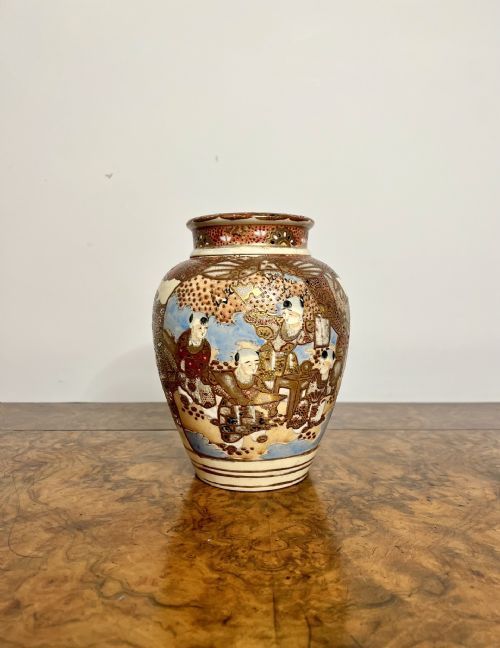


Antique Figural Vessels
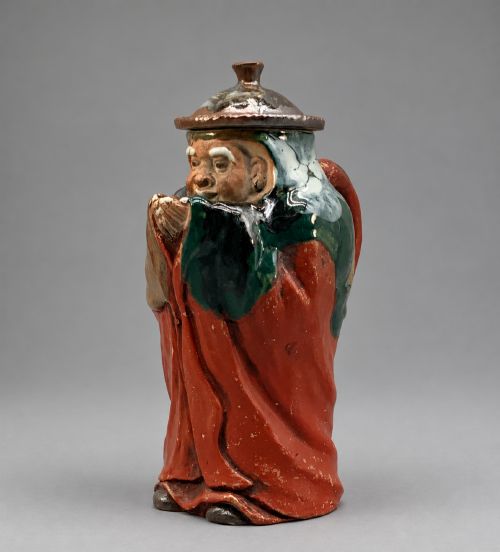
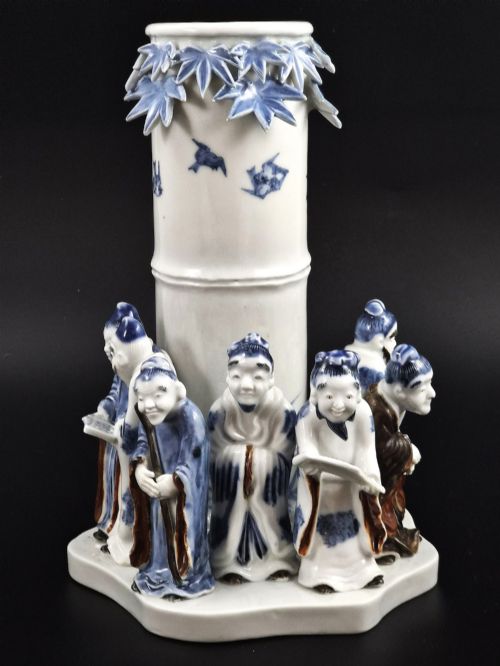
Antique figural vessels unite sculpture and utility, bringing moulded human and mythical forms into porcelain, bronze, earthenware and carved wood.
Antique Figural Vessels
These pieces combine functional containers such as vases, ewers, jars, koro and jugs with modelled figures, deities, or mythological subjects. When searching for antique figural vessels, buyers encounter diverse forms ranging from Japanese Satsuma and Kutani wares to European majolica, bronzes and Staffordshire ceramics.
The selections span the nineteenth century and early twentieth century, taking shapes like lidded chalices, ginger jars, snuff bottles and centrepiece vases. Makers draw upon varied traditions including Chinese Qing dynasties, Japanese Meiji periods, Art Nouveau bronzes and Victorian earthenware.
Vessels integrate the human shape directly into the utility, such as handles formed by dolphins or satyrs, or bodies sculpted as seated figures and reclining beauties. The focus remains on containers that double as sculptural representations of characters or scenes.
How they were made
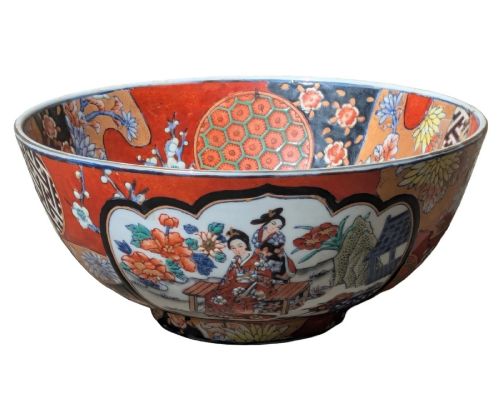
Makers utilise a range of primary materials including porcelain, earthenware, majolica, bronze and carved bamboo or walnut. Ceramic pieces receive glazes, enamel colours and gold leaf highlights, particularly in Japanese Satsuma and Imari works.
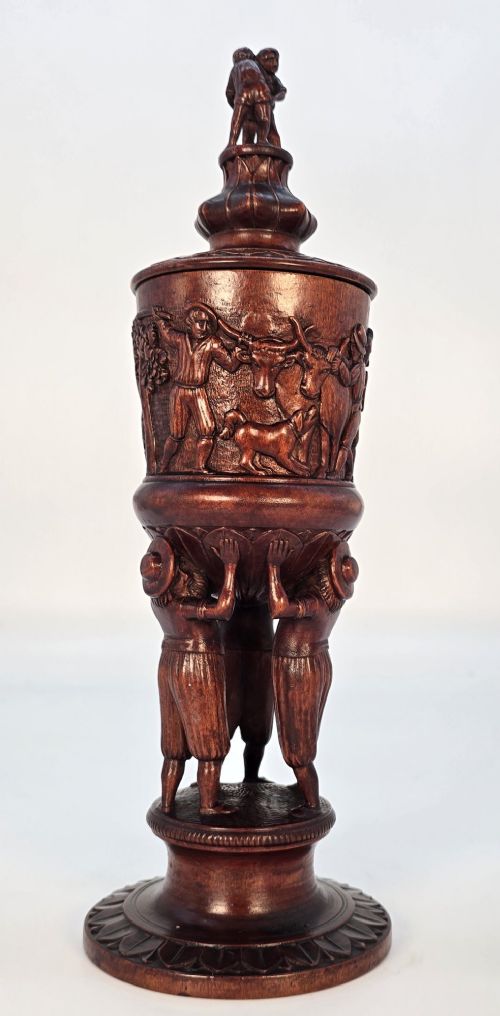
Bronze and cast iron vessels undergo metal casting techniques, often finished with patination or gilt. Carved wooden items rely on detailed hand-carving applied to bamboo brush pots and Swiss chalices.
Antique Figural Vessels Retail Price Guide 2026
Typical asking prices for figural vessels among the pieces listed under this phrase on Sellingantiques today, from the lower quarter to the upper quarter. They describe what is for sale here now, not the wider market.
Materials across these listings span porcelain, earthenware, bronze, enamel, bamboo and carved walnut.
What varies in quality
The distinction between ordinary and exceptional works rests on the precision of the modelling and the fineness of the hand-painting. Superior pieces show crisp facial expressions, detailed hand-drawn figural processions and controlled application of enamel and gold leaf.
Artisanal execution separates standard factory output from master works bearing studio signatures or attributions to prominent makers. The complexity of the vessel shape and the depth of the carving or casting dictate the upper tier of the range.
Charles Korschann·Georges Van De Voorde·Joseph Holdcroft·Kinkozan·Albert Carrier
The Antique Figural Vessels Glossary
- Satsuma
- Earthenware pottery originating from Japan, typically characterised by a ivory craquelure glaze decorated with polychrome enamels and gilt.
- Koro
- A traditional Japanese incense burner, often featuring three legs, pierced covers and decorative handles.
- Majolica
- A type of earthenware coated with an opaque tin-glaze and painted with colourful metallic oxide colours, popular during the Victorian era.
- Toby jug
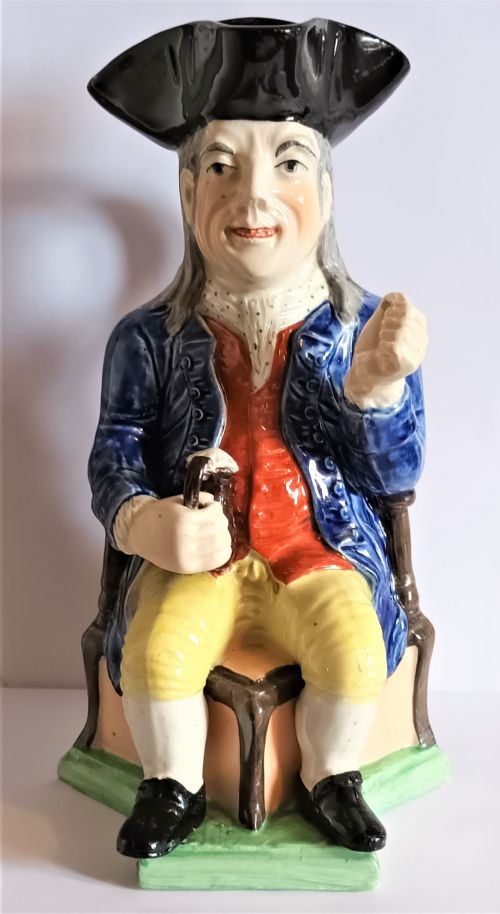
- A pottery jug modelled in the shape of a seated stout person, usually wearing eighteenth-century attire.
- Moriage
- A decorative technique in Japanese ceramics where slip is piped onto the surface in raised dots or lines to create texture.
Antique Figural Vessels: Frequently Asked Questions
How do I identify Satsuma vessels?
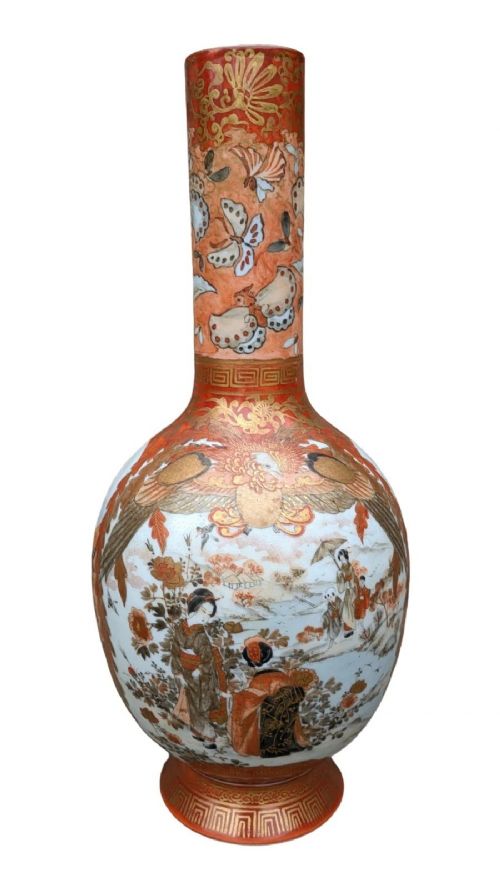
Satsuma pieces generally display a distinct fine crackle glaze beneath intricate enamel and gilt decoration depicting figures, landscapes or processions. They originate primarily from Japan during the Meiji period.
Closer inspection often reveals artist signatures or workshop marks on the base, indicating specific makers such as Kinkozan.
What is a koro used for?
A koro is a traditional Japanese incense burner designed with a lid to allow fragrant smoke to escape through pierced openings. These vessels often take decorative forms such as tripod jars or elaborate figures.
Collectors prize them for their sculptural presence alongside their historical function in incense ceremonies.
What periods do these vessels cover?
The pieces span the nineteenth century and early twentieth century, encompassing Victorian, Art Nouveau, Meiji and Qing periods. Dates frequently range from the 1870s through to the 1930s.
Stylistic cues and marked bases help distinguish between mid-nineteenth-century European majolica and later Meiji period Japanese exports.