



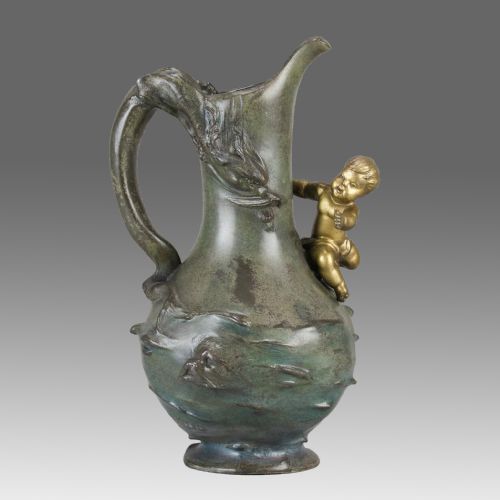


Antique Figural Pitcher
These antique figural pitcher examples unite striking sculptural form with practical vessel design across diverse historical periods.
Antique Figural Pitcher
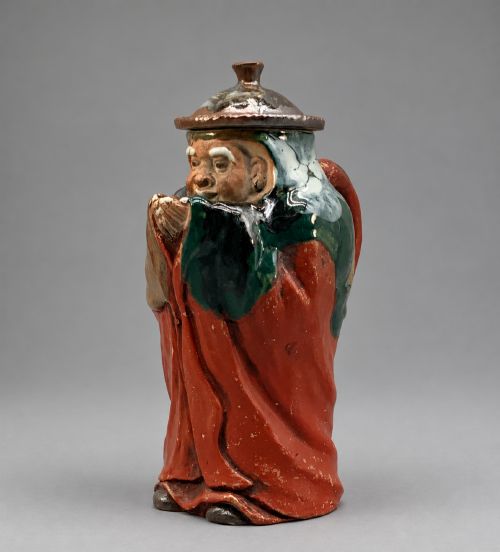
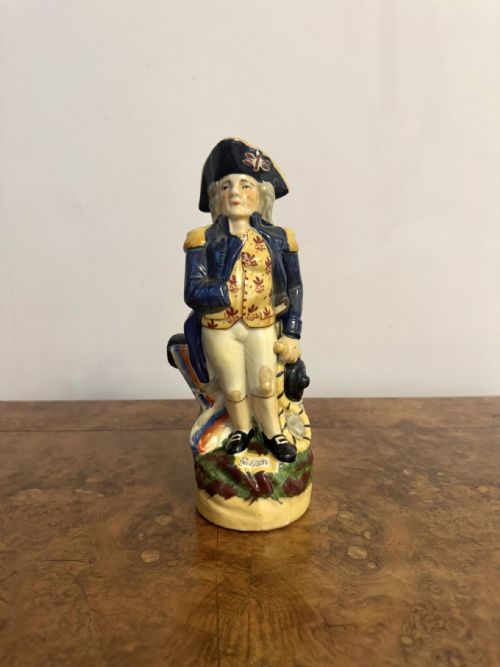
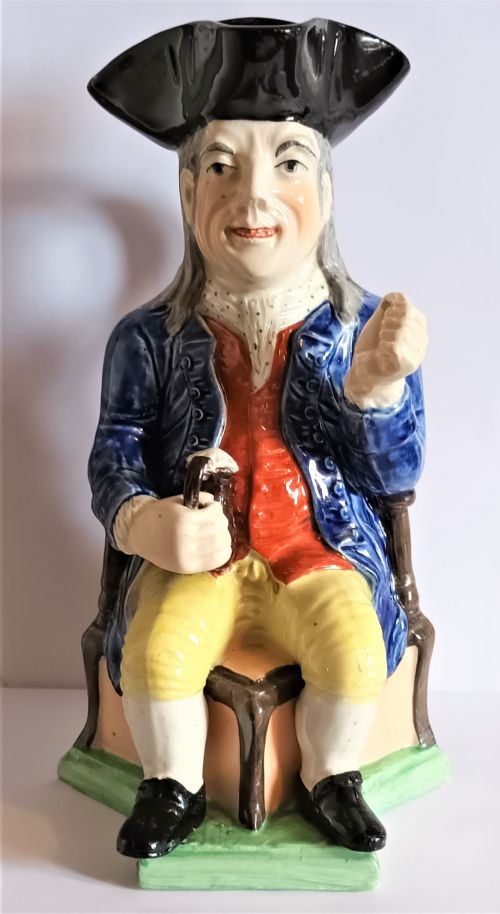
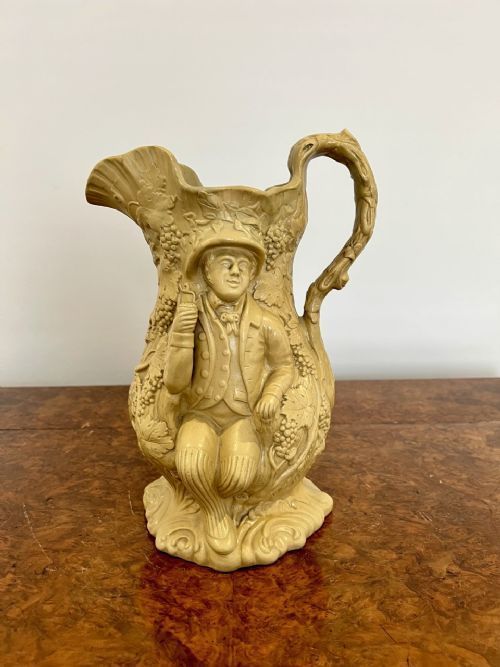
When you search for an antique figural pitcher, you encounter vessels shaped like human figures, mythological characters, animals, and classical subjects. The evidence shows these pieces appear predominantly as Staffordshire pottery toby jugs depicting traditional characters alongside Dutch Delftware, bronze ewers, and silver creamers.
Staffordshire examples capture specific personalities like Lord Nelson or Mr Snuff from the nineteenth century, while continental pieces lean towards mythological handles involving bacchic figures, mermaids, and putti. These vessels function simultaneously as decorative sculpture and functional pouring containers.
The materials span earthenware, ceramic, stoneware, silvered pewter, patinated bronze, and solid silver. You will find that pieces range from robust Victorian earthenware jugs to delicate Art Nouveau metalwork.
Materials and construction techniques
Pottery examples rely on earthenware and ceramic bodies, often shaped using relief moulding techniques before receiving hand-painted glaze decoration. Delft pieces utilise faience bodies finished with polychrome pigments under protective tin glazes.
Metalwork pieces involve cast bronze and silvered pewter, frequently featuring applied figural handles depicting dolphins, maidens, or putti. Silversmiths employed solid silver construction with detailed chased and engraved tavern scenes or figural engravings.
Antique Figural Pitcher Retail Price Guide 2026
Typical asking prices for figural pitcher among the pieces listed under this phrase on Sellingantiques today, from the lower quarter to the upper quarter. They describe what is for sale here now, not the wider market.
Mr Snuff joins Lord Nelson on the ceramic shelf, offering a cheerful reminder that historical characters made charming drinking companions.
Distinguishing quality in figural vessels
Quality rests on the crispness of the modelling and the depth of the relief moulding, where sharper facial expressions and well-defined drapery distinguish finer pieces. The execution of the glaze or patina dictates visual impact, with nuanced hand-painting offering greater character than flat colour application.
The integration of the figural handle or subject with the vessel body reveals the maker's skill. Balanced proportions and secure joins separate superior sculptural jugs from simpler production pieces.
WMF·Georges Van De Voorde·Jules Dalou·Susse Freres·Robert Garrard·Hamilton Crichton And Co·Thomas Smily
The Antique Figural Pitcher Glossary
- Toby Jug
- A pottery jug shaped like a stout, full-length or seated person, usually wearing eighteenth-century attire and holding a mug or jug of beer. These traditional figures form a core category within the evidence.
- Ewer
- A large jug or pitcher with a wide spout and a handle, typically used for pouring water or wine. Many bronze and silver examples appear under this designation.
- Relief Moulded
- A manufacturing technique where decorative designs and figures are pressed into the body of the vessel during forming. This creates raised surface details before glazing.
- Silvered Pewter
- A base metal alloy coated with a layer of silver, common in continental manufacturing during the turn of the twentieth century. It provides the appearance of solid silver while allowing intricate cast figural designs.
- Faience
- Tin-glazed earthenware produced across Europe, particularly associated with Dutch Delftware traditions in the evidence. It offers a smooth white surface suitable for polychrome painted decoration.
Antique Figural Pitcher: Frequently Asked Questions
What is a figural pitcher?
A figural pitcher is a pouring vessel incorporating human, animal, or mythological shapes into its primary design. These objects combine sculpture with utilitarian function.
The listings demonstrate forms ranging from ceramic character jugs to bronze ewers and silver creamers created across the nineteenth and early twentieth centuries.
How were these pitchers used historically?
These vessels served practical roles at the table or sideboard for dispensing liquids such as beer, milk, water, or cream. Their decorative sculptural designs also suited display on mantelpieces and in cabinets.
Many ceramic toby jugs tied into social drinking culture, while silver and bronze examples fulfilled formal domestic service.
How do I care for antique ceramic and metal jugs?
Ceramic and earthenware pieces require gentle dusting and avoidance of harsh chemical immersion to protect aged glazes. Metal vessels benefit from careful cleaning suited to their specific composition, such as silver or patinated bronze.
Keeping them out of direct sunlight prevents fading on hand-painted surfaces.
How do I distinguish between pottery and metal figural pitchers?
Pottery examples utilise earthenware, ceramic, or stoneware bodies finished with glazes and paint, often representing distinct human characters. Metal pitchers rely on bronze, silvered pewter, or solid silver featuring cast figural handles and engraved scenes.
Examining the weight, material texture, and manufacturing marks clarifies the medium.