





Antique Figural Panels
Antique figural panels bring human presence into a room through carved wood, woven wool, and painted surfaces that capture centuries of narrative tradition.
Antique Figural Panels
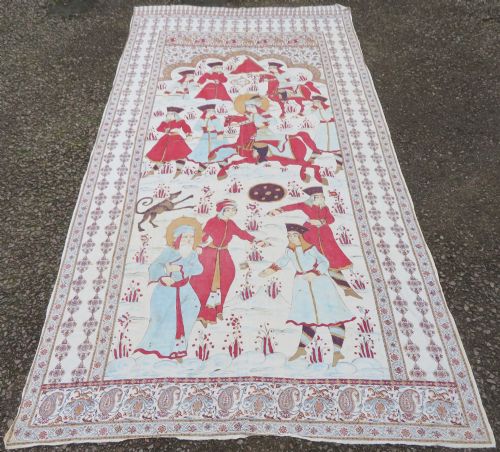
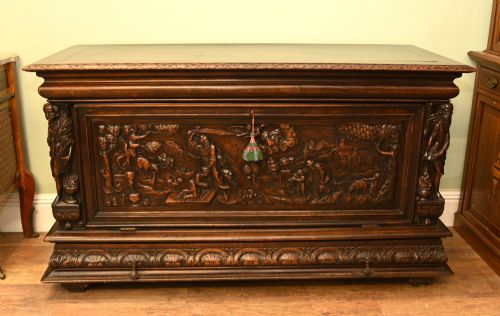
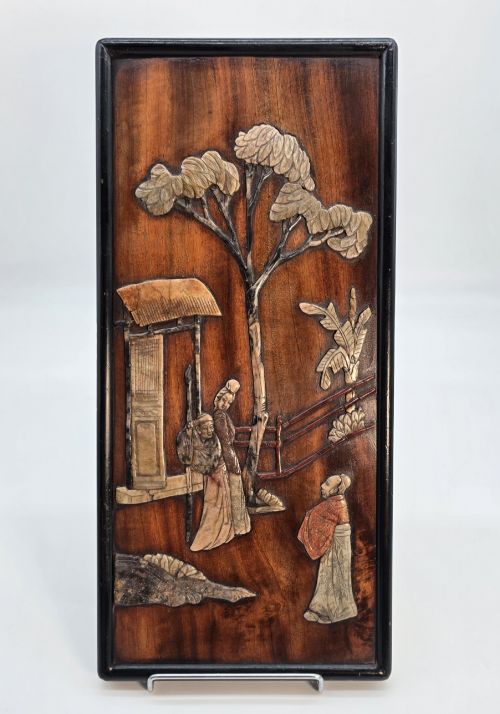
Antique figural panels encompass a diverse group of works focused on human forms, spanning carved architectural wooden elements to textile artworks and painted compositions.
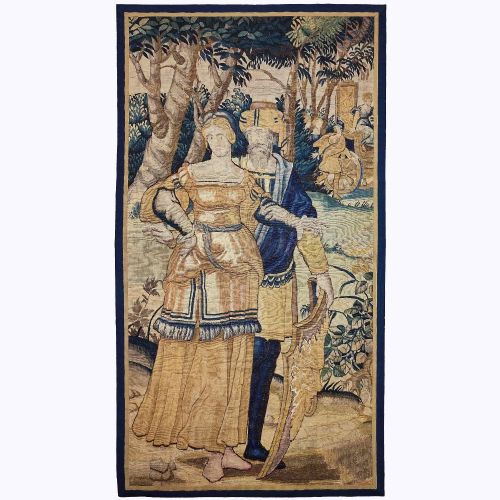
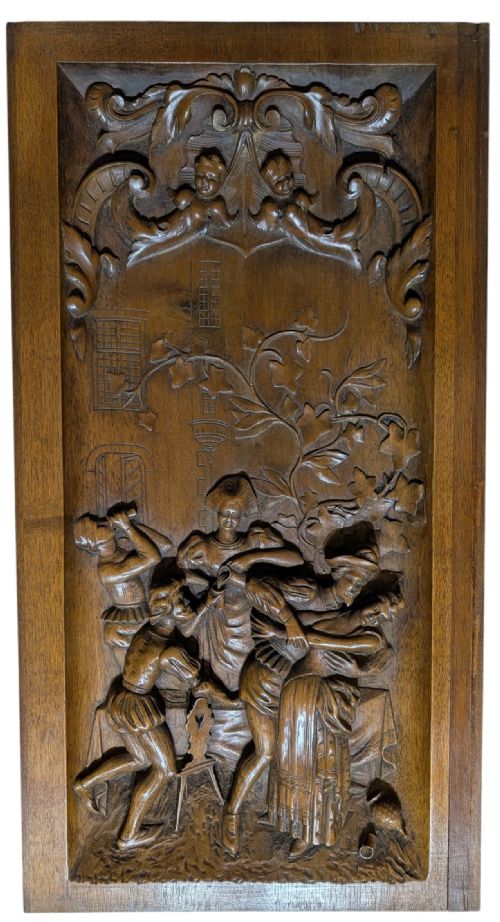
Buyers encountering this selection most frequently meet seventeenth-century oak carvings, nineteenth-century needlepoint needlework, and Flemish tapestry fragments.
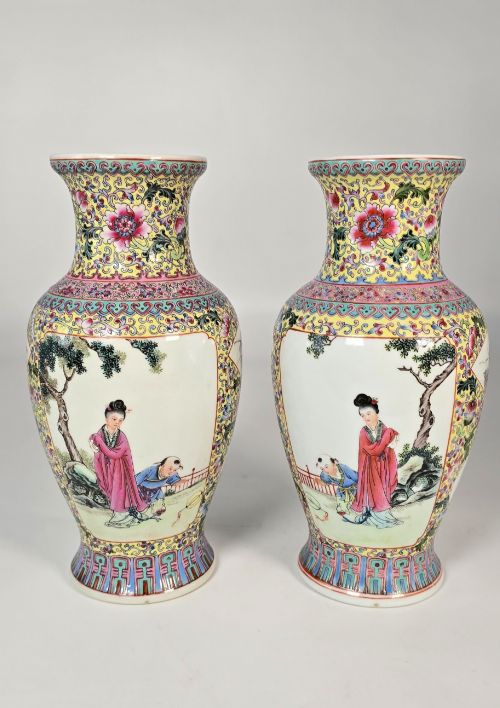
Origins stretch from European workshops in Italy, France, and Germany to Chinese Republican porcelain and Japanese Meiji period enamel work.
Materials and techniques
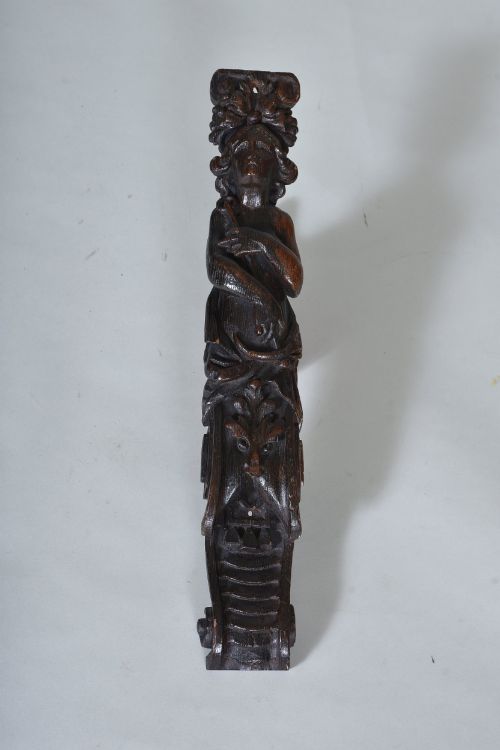
Makers utilised dense timbers such as oak and walnut for relief carvings, applying deep chisel work to create three-dimensional depth on coffers, cabinets, and architectural fragments.
Textile panels rely on wool and silk threads, employing gros-point embroidery and tapestry weaving techniques to build detailed portraits and narrative scenes.
Painted works combine oil on canvas or wood panels, alongside reverse painting on glass and hand-painted enamel miniatures set into silver or porcelain.
Antique Figural Panels Retail Price Guide 2026
Typical asking prices for figural panels among the pieces listed under this phrase on Sellingantiques today, from the lower quarter to the upper quarter. They describe what is for sale here now, not the wider market.
Little Red Riding Hood occasionally finds herself immortalized in wool gros-point, keeping watch from an antique firescreen.
Distinctions in execution
Quality rests in the precision of the human anatomy and the expressive capability captured in the faces and hands of the depicted figures.
Textile pieces differ through the density of the stitch work and the complexity of the polychrome wool and silk yarns used to shade the composition.
Carved wooden examples depend on the crispness of the original relief work and the preservation of the surface grain across centuries.
The Antique Figural Panels Glossary
- Gros-point
- A heavy needlepoint stitch worked on coarse canvas, frequently used in antique tapestry panels and cushion covers to render sturdy figures.
- Flemish tapestry
- Woven wall hangings originating from Flanders, known for intricate figurative scenes executed in wool and silk.
- Needlework
- General term for decorative stitching applied by hand to a fabric ground, creating pictorial and figural compositions.
- Reverse painting on glass
- A technique where an artist paints directly onto the back of a glass sheet, viewed from the unpainted front to achieve glossy depth.
Antique Figural Panels: Frequently Asked Questions
Where were figural panels displayed?
These works often formed structural parts of larger furniture pieces, such as Italian walnut coffers, oak cabinets, and firescreens. Others functioned as portable wall art or decorative cushion covers.
Domestic interiors integrated them into wood-panelled rooms or hung them framed as independent pictorial works.
How do I care for textile panels?
Textile panels require protection from direct sunlight to prevent the fading of natural wool and silk dyes. Gentle surface dust removal using a soft brush helps maintain the fibres.
Avoid hanging heavy needlework or tapestries by single points to prevent distortion of the woven or stitched ground.
How are different periods identified?
Stylistic cues such as Renaissance Revival motifs or seventeenth-century Jacobean carving depths assist in dating wooden panels. Needlework pieces rely on stitch density, thread types, and subject matter conventions of the era.
Subsequent framing or mounting methods also provide clues, though original fabric and wood grain remain the primary indicators.
Are painted panels fragile?
Oil paintings on wood panels respond to fluctuations in room humidity and temperature, requiring stable environmental conditions. Glass and enamel panels need care to prevent impact damage to the brittle surface.
Secure mounting in appropriate frames ensures these delicate painted surfaces remain stable during handling and display.