
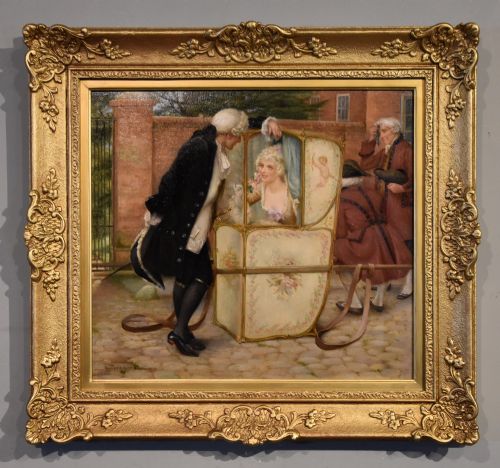


Antique Figural Canvas
Antique figural canvas pieces bring people, narrative scenes and portraits into interiors through oil paint laid upon woven fabric.
Antique Figural Canvas
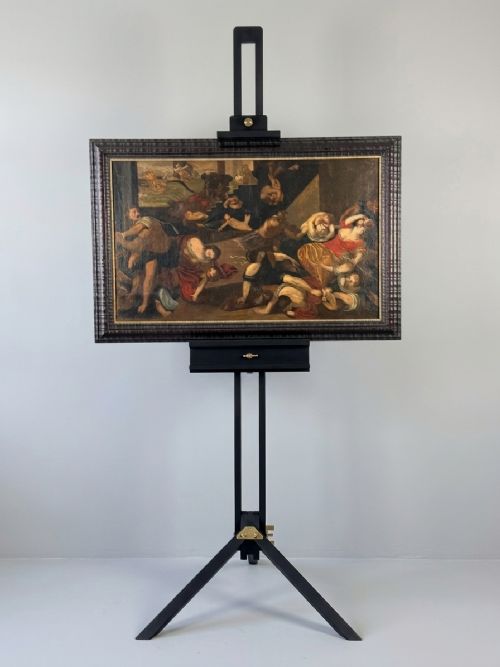
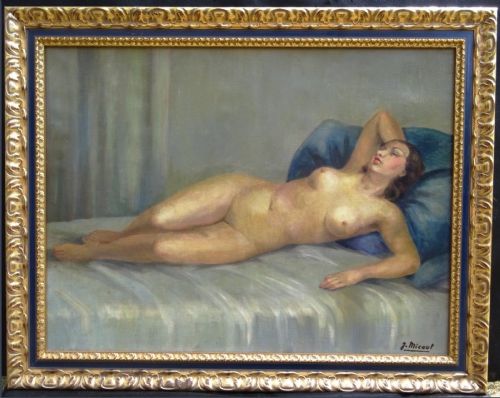
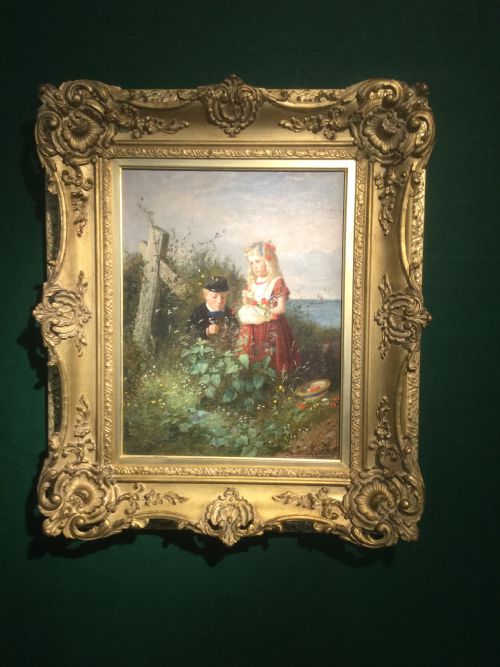
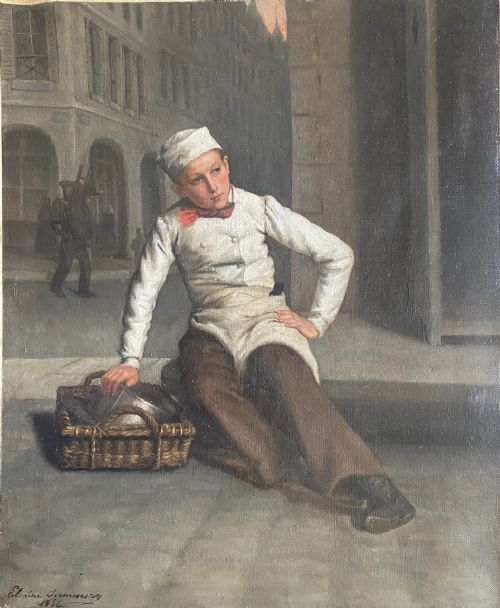
An antique figural canvas displays human figures, portraits, or narrative scenes painted in oil upon a stretched canvas support. These works span multiple centuries, ranging from seventeenth-century religious compositions to nineteenth-century genre scenes and early twentieth-century modernist interpretations.
The pieces on this page appear in various framing arrangements, often housed within gilt wood or giltwood surrounds that complement the painted surface. Buyers encounter subjects as diverse as classical narrative subjects, intimate domestic portraits, and lively outdoor scenes.
Origins stretch across British, European, and Persian traditions, showing how different regional schools approached the depiction of the human form. Victorian and Edwardian examples sit alongside Baroque works and later mid-century modernist pieces.
Materials and construction
The ground preparation on the canvas allowed artists to build up layers of oil colour, creating depth in clothing, skin tones, and background details. Pigments were mixed by hand using traditional binders before being applied with brushes of varying stiffness.
Materials appearing across the inventory include oil paint, canvas, wood, and giltwood frames.
Distinctions in quality
Skill in rendering anatomy, facial expression, and textile folds separates accomplished works from simpler academic exercises. The handling of light across the human figure reveals the confidence of the hand behind the brush.
The integrity of the canvas support and the stability of the oil paint layer determine the physical condition of the piece. Original frames matching the period of the canvas add historical cohesion to the work.
Charles Hunt·Delapoer Downing·John Robert Dicksee·Vincenzo Irolli·Phyllis Morgans·Noel Quintavalle·Walter Dendy Sadler·Geisler Munchen
The Antique Figural Canvas Glossary
- Canvas
- A heavy woven fabric, typically linen or cotton, used as a support for oil paintings. It is stretched tightly across a wooden frame before painting begins.
- Giltwood
- Wood that has been treated with a thin layer of gold leaf or gilt. This finish provides a reflective decorative border around the painted canvas.
- Genre painting
- Artwork that depicts scenes from everyday life, featuring ordinary people engaged in common activities. These works often capture domestic interiors or street scenes.
- Baroque
- An artistic style dating from the seventeenth century characterised by dramatic use of light, deep shadow, and dynamic movement in human figures.
Antique Figural Canvas: Frequently Asked Questions
How do I clean an antique canvas painting?
Surface dust accumulates on oil paintings over decades, requiring gentle removal with a soft, dry brush rather than liquid cleaners. Professional conservators should handle any deeper cleaning to protect the original oil paint layer.
Avoiding household chemicals prevents accidental removal of delicate glazes and varnish applied by the original artist.
Where should I hang a figural canvas?
Placing these paintings away from direct sunlight and damp environments protects both the canvas and the wooden frame from warping or fading. Stable indoor temperatures preserve the elasticity of the fabric support.
Matching the scale of the painting to wall space ensures the artwork commands the room without overwhelming adjacent furniture.
How do I date an antique oil painting?
Examination of the canvas weave, stretcher frames, and framing style often provides initial clues to the era of production. Signatures, dates, and inscriptions on the reverse of the canvas offer direct evidence of origin.
Stylistic markers such as costume details and painting technique help narrow down the decade when the work was executed.
What is the difference between oil paint and canvas?
Oil paint consists of pigment particles suspended in a drying oil, such as linseed, which hardens slowly to create a durable film. Canvas serves as the flexible woven base that holds this painted layer.
Together, these materials allow artists to blend colours smoothly and build rich textures that endure across centuries.