
Antique Figural Art
Antique figural art gathers sculpted, painted and woven human forms across centuries, drawing collectors who prize narrative and character.
Antique Figural Art
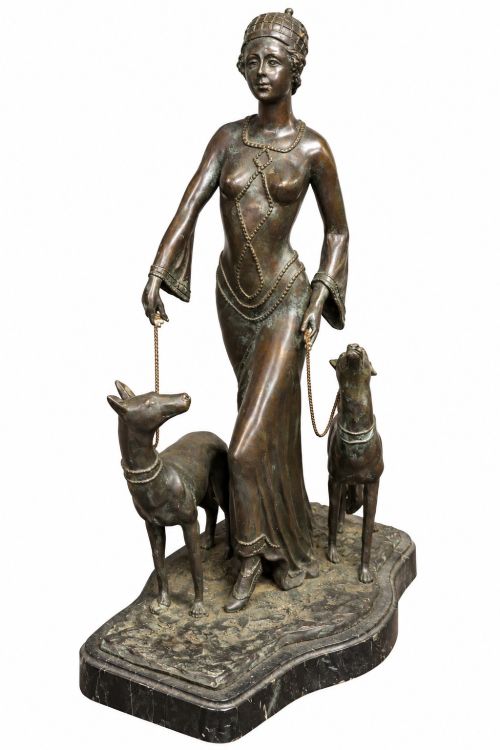
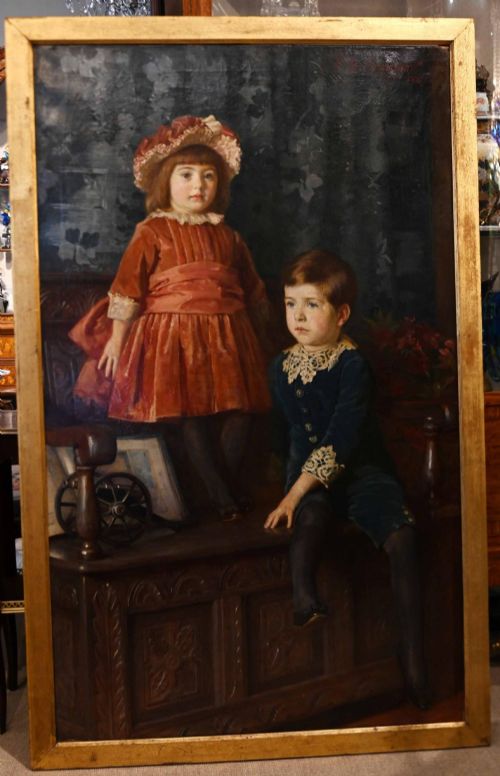
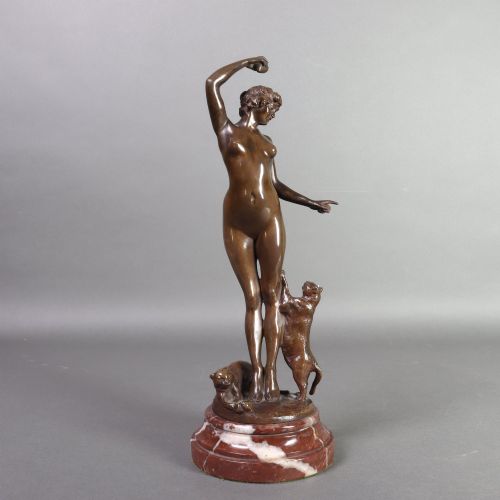
Antique figural art encompasses sculptural works, oil paintings, watercolours, textiles and lamps that portray people in various settings and styles.
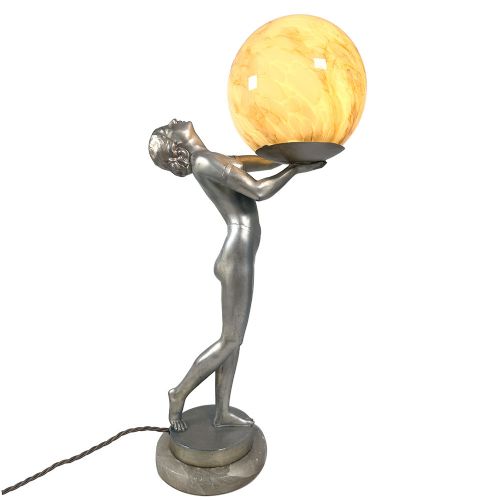
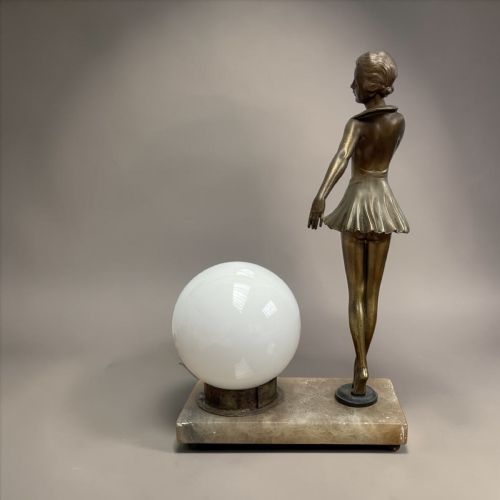
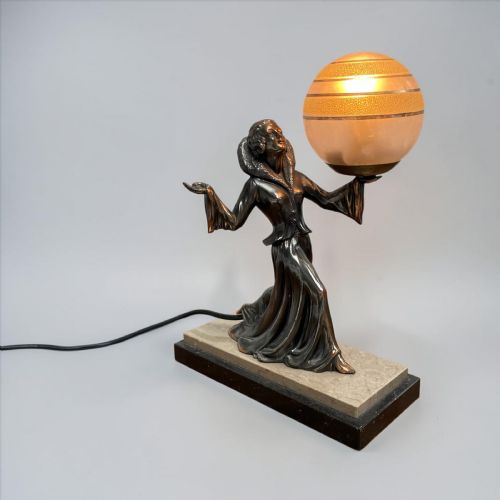
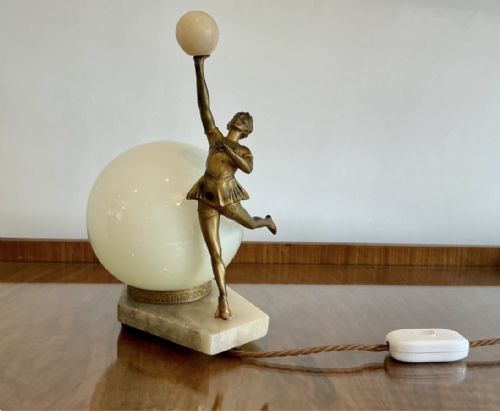
The version most commonly met on this page is the figural lamp or sculptural group from the late nineteenth and early twentieth centuries, particularly in bronze, spelter and terracotta.
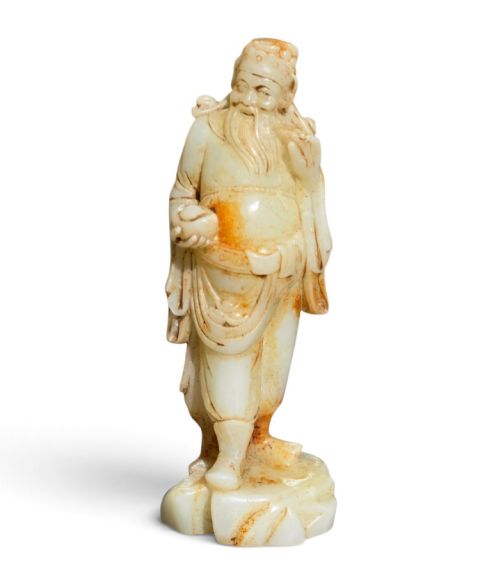
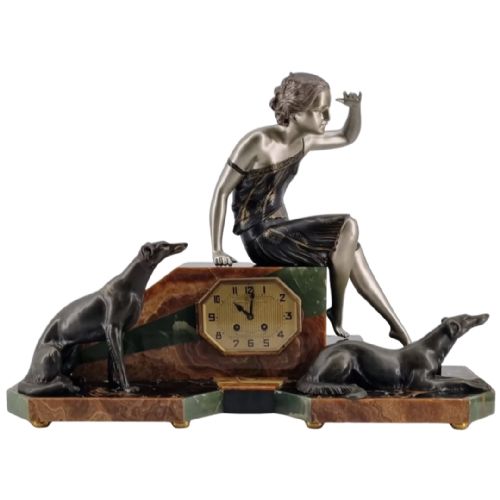
Pieces range from sixteenth-century jade carvings and Flemish tapestries to Art Deco mantel clocks and porcelain lighting, reflecting diverse global traditions.
How They Were Made
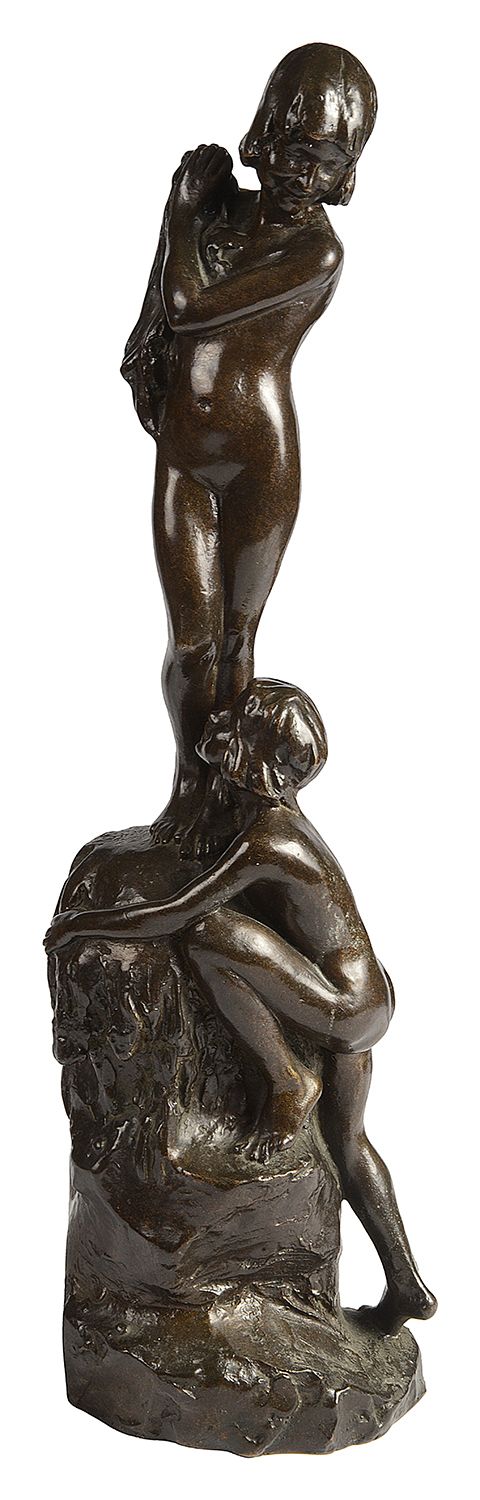
Bronzes and spelter figures are cast using traditional methods, often paired with bases of marble, onyx or wood to support lamps and decorative objects.
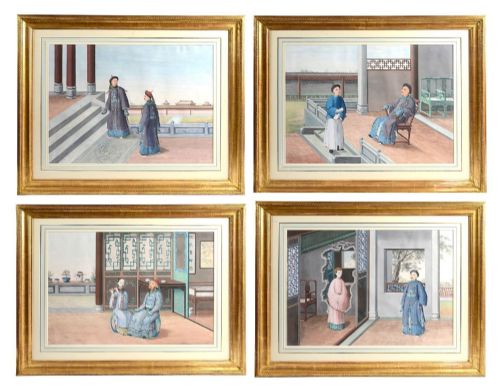
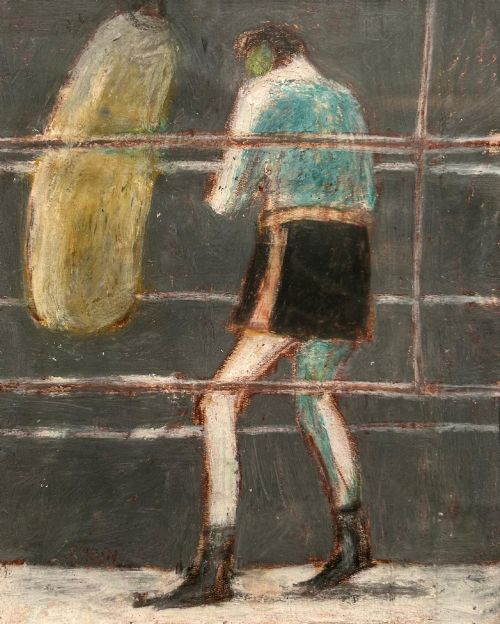
Paintings and drawings employ oil, watercolour and ink on canvas, panel or paper, while textiles utilise wool and silk in gros-point and tapestry weaves.
Materials span jade, bronze, spelter, terracotta, wool, paper and glass across centuries of production.
What Varies in Quality
The definition and depth of the casting or carving dictate the fidelity of the human form, distinguishing skilled studio production from mass fabrication.
Subtlety in hand-painted detail and the preservation of original patinas across metals, terracottas and pigments elevate the standing of a piece.
Gustave Dussart·L & F Moreau·Goldscheider·Emile Carlier·Jules Dalou
The Antique Figural Art Glossary
- Spelter
- A zinc alloy commonly utilised as a less costly alternative to bronze in decorative sculptures and Art Deco lamps. It often received bronze-effect or painted finishes.
- Pith painting
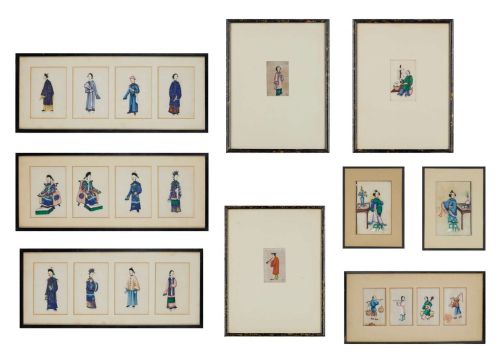
- Watercolour artwork created on thin sheets derived from pith plant marrow, frequently produced in nineteenth-century China for export. The material yields a luminous surface texture.
- Gros-point
- A type of needlepoint embroidery worked on canvas with wool yarn, seen in nineteenth-century wall pictures and tapestries. It provides a sturdy, textured ground for detailed figural depictions.
- Torchere
- A tall ornamental stand or floor lamp, sometimes featuring a figural metal statue holding a light source. Originating in earlier centuries, these pieces were adapted for electric lighting in the early twentieth century.
Antique Figural Art: Frequently Asked Questions
What counts as antique figural art?
Antique figural art includes any historical artwork or object that focuses on the human figure, from oil portraits and carved jade to bronze sculptures and decorative lamps.
These pieces capture human forms through different cultural lenses and centuries of craftsmanship.
How were figural lamps used?
Figural lamps served both practical lighting functions and decorative roles in period interiors, often positioned on mantelpieces, desks or pedestals.
Art Deco and Art Nouveau examples integrated figures directly into the lamp structure to illuminate living spaces.
How do I care for bronze and spelter?
Bronze and spelter pieces require gentle dusting with a soft, dry cloth to protect their original patinas and surface finishes.
Moisture and harsh cleaning agents should be avoided to prevent corrosion or damage to the metal.
How are different periods told apart?
Periods are identified through characteristic materials, artistic movements and manufacturing techniques, such as Art Nouveau curves or twentieth-century electric fittings.
Stylistic markers like clothing, hair styling and signature marks further clarify the era of creation.