







Antique Farmhouse Artwork
Antique farmhouse artwork brings rural life, pastoral scenes and rustic cottages into your home through period paintings and watercolours.
Antique Farmhouse Artwork
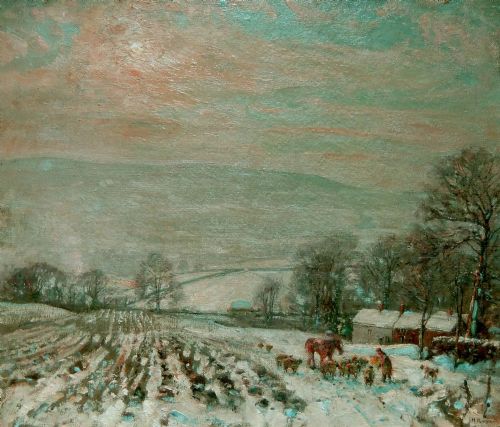
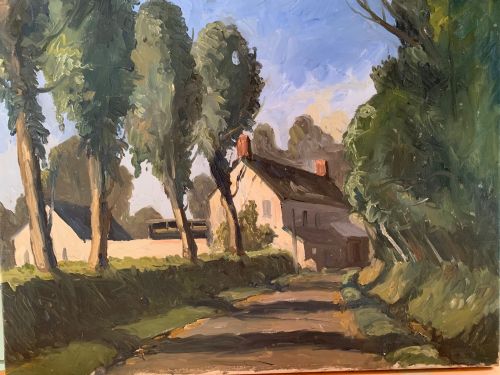
When you search for antique farmhouse artwork, you encounter rural scenes captured across the nineteenth and twentieth centuries. These pieces record agricultural landscapes, farm yards, cottages and country life through traditional mediums.
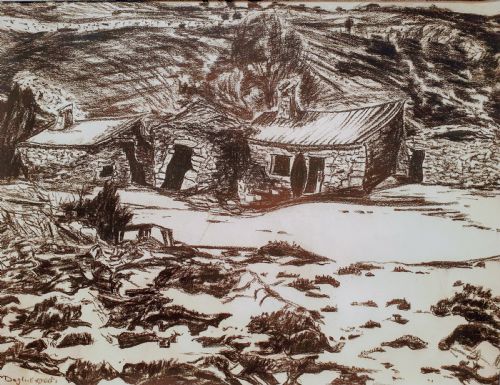
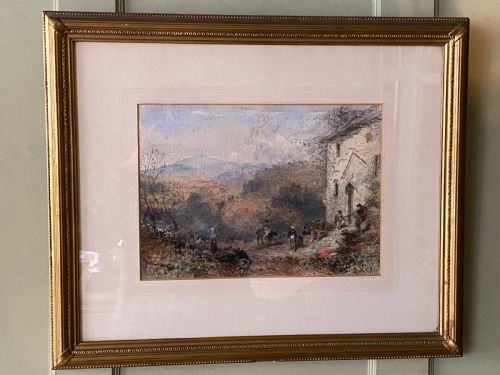
You are most likely to meet British and continental European works dating from the Victorian era up to the mid-twentieth century. The selection spans detailed watercolours, charcoal drawings and rich oil paintings in gilt wood frames.
The subjects range from French provincial farmhouses and working horses to Yorkshire farm yards and quiet pastoral cottages. Each piece preserves a historical record of agrarian routines and rural architecture.
Materials and methods
The works utilise oil paint on canvas or paper, alongside watercolours and charcoal. Canvas supports provide the structure for heavy oil applications, whilst paper holds delicate watercolours and detailed drawings.
Many works are housed in period gilt wood frames that complement the painted scenes. The combination of traditional pigments and wood framing defines the physical construction of these pieces.
Antique Farmhouse Artwork Retail Price Guide 2026
Typical asking prices for farmhouse artwork among the pieces listed under this phrase on Sellingantiques today, from the lower quarter to the upper quarter. They describe what is for sale here now, not the wider market.
Materials documented include canvas, paper, glass and gilt wood frames.
Assessing quality
Quality shows in the handling of light, brushwork precision and atmosphere within the rural composition. Skilled artists capture movement in working horses and natural light across farmhouse walls with confidence.
The framing and preservation of the canvas or paper surface also distinguish the pieces. Strong provenance, named artists and well-preserved original frames elevate the standing of the work.
Herbert Royle·Raimond Louis Lecourt·James Kyd·John Atkinson·Owen Bowen·Georgina Lara
The Antique Farmhouse Artwork Glossary
- Oil on Canvas
- A painting medium where pigments suspended in oil are applied to a stretched woven fabric support. This technique allows for rich colour depth and textured brushstrokes.
- Watercolour Painting
- A method where water-soluble pigments are applied to paper. It creates luminous, translucent washes of colour.
- Gilt Wood
- Wood that has been coated with a thin layer of gold leaf or gold paint. It frequently forms the decorative border of period frames.
- French Provincial
- A style reflecting regional, rustic design from the French countryside. It emphasises functional elegance and unpretentious rural charm.
- British Impressionism
- An art movement focusing on everyday subjects and the play of natural light. Artists painted en plein air to capture immediate atmospheric effects.
Antique Farmhouse Artwork: Frequently Asked Questions
What subjects appear in these artworks?
The pieces depict rural scenes, including farm yards, cottages, working horses and agricultural landscapes. Artists focused on the daily realities of country life.
Views often feature specific regions such as Yorkshire or Provence, recording local architecture and traditional farming methods.
How do I date a piece?
Dating relies on stylistic clues, artist signatures and framing materials. Victorian works often show formal academic composition, whilst twentieth-century pieces lean towards impressionistic brushwork.
Records and signatures in the evidence point to periods from the mid-nineteenth century through the nineteen-sixties.
Are frames original to the art?
Many works retain period gilt wood frames that match the age of the painting. These frames provide essential context and protection for the canvas or paper.
Matching frames enhance the historical integrity of the piece, though framing styles vary across British and continental schools.
Where were these pieces created?
Origin locations span Britain and continental Europe, including France and the broader countryside. Artists recorded local agricultural scenes from their immediate surroundings.
French provincial and British rural schools form the core stylistic origins found in the collection.