


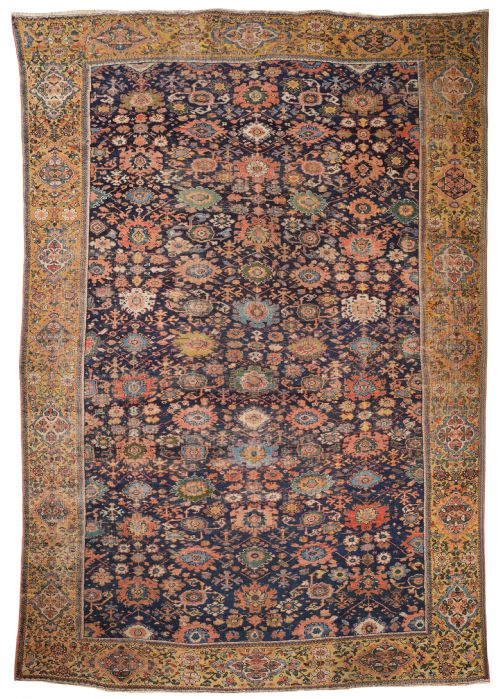
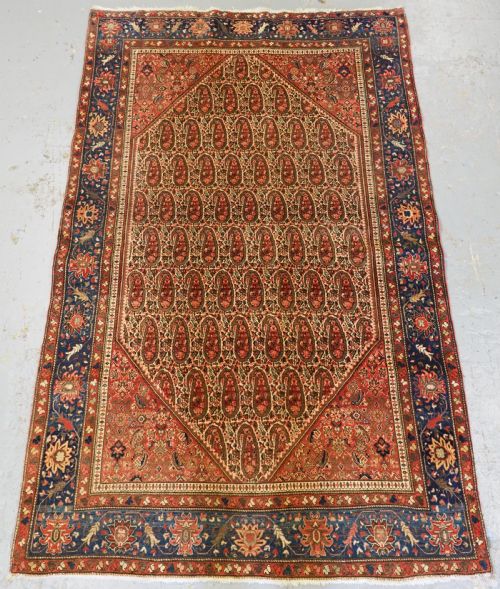
Antique Farahan Carpet
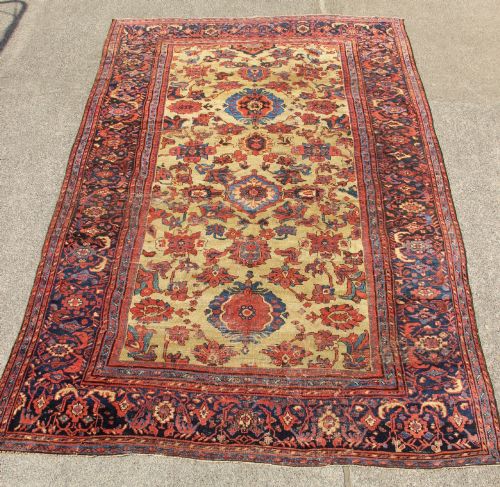
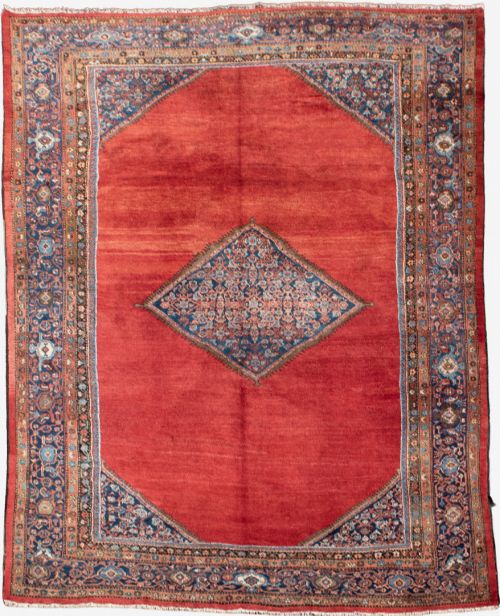
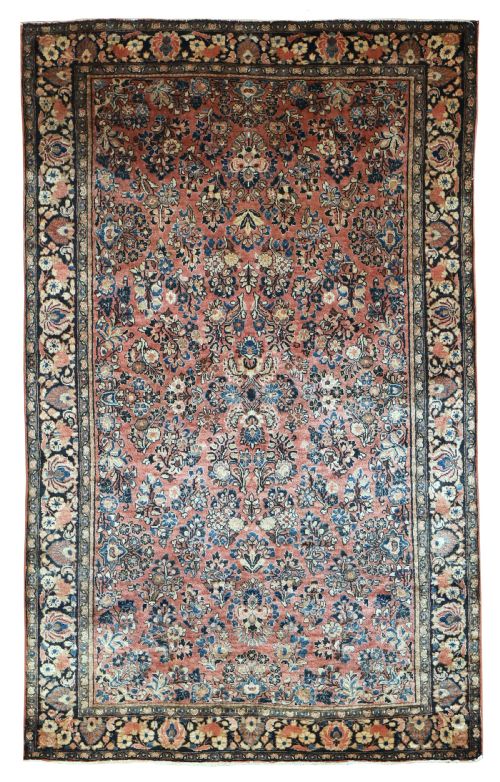
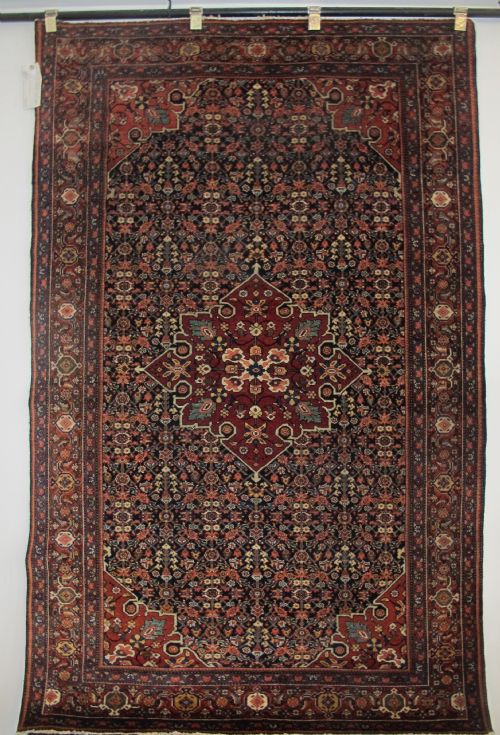
These antique Farahan carpet examples bring intricate Persian knotwork and traditional motifs straight into a room.
Antique Farahan Carpet
An antique Farahan carpet represents traditional Persian weaving originating from West Persia, typically encountered across various sizes from compact rugs and runners to large room-sized formats. These textiles display distinct regional styles spanning the nineteenth and early twentieth centuries, particularly around eighteen-seventy to nineteen-thirty.
Buyers seeking an antique Farahan carpet will find pieces categorised variously under traditional Persian designs, often sharing stylistic traits with related Sarouk weaves. The forms recorded include rectangular carpets, square room-size formats, and narrow runner rugs.
How they were made
The construction of these floor coverings relies on wool pile knotted tightly onto cotton foundations, a combination that provides durability while allowing intricate pattern work. Artisans in West Persia executed these designs by hand during the nineteenth and early twentieth centuries.
Weavers utilised traditional dyeing methods to achieve the characteristic soft colours seen in these carpets, working within established Persian design traditions such as the boteh motif.
The listings span periods from eighteen-fifty to nineteen-thirty, utilising wool and cotton across formats including runners, square carpets, and rugs.
What varies in quality
The distinction between standard examples and the finest pieces lies in the density of the weave and the precision of the traditional Persian patterns. A very fine weave enhances both the definition of motifs like the boteh and the overall longevity of the wool pile.
Subtlety in the soft colours and the harmony of the regional design contribute to the standing of an individual rug or carpet within this tradition.
The Antique Farahan Carpet Glossary
- Boteh
- A traditional teardrop or almond-shaped motif with a curved upper end, frequently incorporated into Persian carpet designs. This pattern is characteristic of many regional weaves from West Persia.
- Wool
- The animal fibre utilised for the surface pile of these rugs and carpets. It provides both resilience and a characteristic texture underfoot.
- Cotton
- The plant fibre used to form the structural foundation and warp threads of these Persian pieces. It ensures structural stability across large formats.
- Runner
- A long, narrow format of rug designed for hallways or corridors. These pieces appear alongside square and large room-size carpets.
- Sarouk
- A related Persian weaving tradition closely associated with Farahan production during the late nineteenth and early twentieth centuries. Pieces from this tradition share technical and stylistic similarities.
Antique Farahan Carpet: Frequently Asked Questions
How do I date an antique Farahan carpet?
Dating relies on stylistic analysis of the Persian motifs, the structure of the wool and cotton foundations, and historical records associated with the piece.
Most surviving examples date from the mid-nineteenth century through to the early twentieth century.
Where were Farahan carpets made?
These pieces originate from West Persia, specifically the Farahan district renowned for traditional rug production.
Local workshops produced these textiles for both domestic use and export during the nineteenth century.
How should I clean my carpet?
Gentle surface cleaning and regular vacuuming without a beater bar help maintain the wool pile and cotton foundation.
Professional cleaning tailored to antique Persian textiles is recommended for deeper maintenance.
What is a Sarouk Farahan rug?
A Sarouk Farahan rug bridges two closely related Persian weaving styles from the same region of West Persia.
These pieces often combine the fine weave associated with Sarouk production with traditional Farahan design elements.