



Antique Fan Display
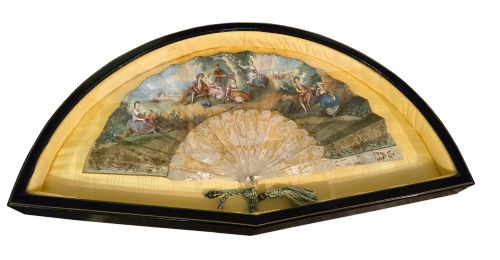
These antique fan display pieces, ranging from glazed cases to framed leaves and shaped porcelain, preserve fragile folding fans and themed objects on walls and surfaces.
Antique Fan Display
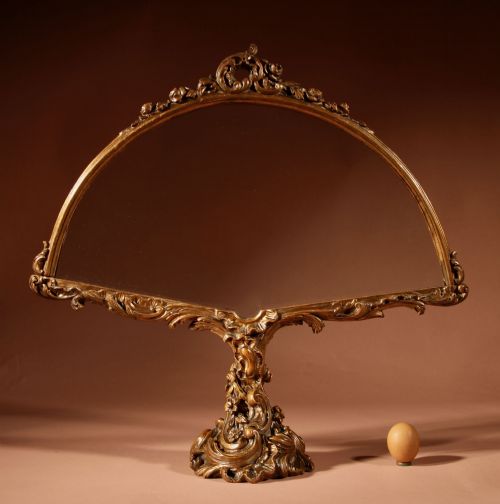
An antique fan display brings together varied objects designed to show folding fans or take their distinctive shape, moving from wall-mounted frames to dedicated stands and glazed cabinetry. You encounter pieces spanning the eighteenth, nineteenth, and early twentieth centuries, reflecting diverse aesthetic movements from French Rococo to Meiji period craftsmanship.
The selection on this page centres on items that either house a fan directly or echo its silhouette, such as fan-shaped Japanese Imari plates and chargers. Alongside these are framed fan leaves, folding silk and paper hands, and related decorative furnishings designed to showcase delicate textiles and painting.
Origins vary across Britain, continental Europe, and Japan, combining domestic display culture with international trade goods. Whether you choose a carved mother-of-pearl fan in an eighteenth-century case or a pair of blue and white Imari dishes, each piece serves the historical practice of domestic curation.
Materials and construction
Makers utilised organic and mineral substances alike, mounting fragile paper, silk, and lace leaves within carved gilt wood, gilt metal, or satinwood frames. Glazed display cases and wall art protect delicate pigments and textiles from airborne dust and handling.
Rigid display forms rely on hard-paste porcelain with intricate Japanese Imari glazes, or carved mother-of-pearl for structural fan ribs. Woodworking techniques involve bow-fronted cabinetry and gilt framing to complement the decorative objects housed within or displayed nearby.
Antique Fan Display Retail Price Guide 2026
Typical asking prices for fan display among the pieces listed under this phrase on Sellingantiques today, from the lower quarter to the upper quarter. They describe what is for sale here now, not the wider market.
A Victorian taxidermy pigeon finds its way among the fans, proving nineteenth-century decorators interpreted avian display rather literally.
Assessing quality and execution
Quality rests in the fidelity of the period style and the crispness of execution, whether in hand-painted biblical and pastoral scenes on fan leaves or the precision of carved mother-of-pearl sticks. Superior examples maintain the structural integrity of both the housing and the delicate textile or paper object inside.
The harmony between the display medium and the object dictates distinction, seen where gilt frames or glazed cabinets elevate the mounted fan without overshadowing its hand-worked details. Consistency in glaze work on porcelain fan-shaped plates similarly separates standard production from finer output.
The Antique Fan Display Glossary
- Fan leaf
- The paper, silk, lace, or vellum spread of a folding hand fan, often hand-painted with figural or pastoral scenes. It is frequently removed from its sticks for framing.
- Imari
- A style of Japanese porcelain featuring underglaze blue and overglaze iron red, gold, and green. It frequently took fan shapes in nineteenth-century decorative plates.
- Gilt metal
- Base metal treated with a thin layer of gold or gold-coloured wash. It provides structural support and decorative framing for wall art and fan leaves.
- Mother-of-pearl
- The iridescent inner layer of mollusc shells, carved into delicate sticks and guards for folding fans. It reflects light differently depending on the angle of view.
- Satinwood
- A durable, yellowish wood with a lustrous grain used in fine nineteenth-century cabinet making. It provides a smooth surface for inlaid decorative furniture.
Antique Fan Display: Frequently Asked Questions
How were antique fans displayed?
Period interiors often housed folding fans in dedicated glazed wall frames or specialised wooden display stands on tabletops. This protected fragile materials like lace, paper, and silk from daily wear.
Larger rooms also utilised cabinets and decorative brackets to showcase collected specimens alongside ceramics and taxidermy.
What materials make up these displays?
Construction materials span carved mother-of-pearl, gilt wood, gilt metal, glass, and satinwood. These housed organic elements including paper leaf, silk, and lace.
Ceramic alternatives took the form of glazed porcelain shaped explicitly into fan motifs.
How do I date a display piece?
Dating relies on stylistic markers such as French Rococo curves, Neoclassical symmetry, or Sheraton Revival cabinet work. Material analysis of the glass, frame joints, and backing papers also aids attribution.
Nineteenth-century pieces frequently display machine-sawn framing components alongside hand-carved elements.
Are fan-shaped plates considered displays?
Fan-shaped Japanese Imari plates and chargers functioned primarily as decorative tableware or cabinet pieces rather than holders for textiles. Their silhouette directly mirrors the folding fan shape popular in nineteenth-century interior design.
These ceramic items were produced for both export and domestic markets.
How do I care for framed fans?
Framed fan leaves require protection from direct sunlight to prevent fading of watercolours, inks, and delicate silk threads. Maintaining stable room humidity prevents the expansion and contraction of paper and wooden mounts.
Glazed enclosures should remain sealed to keep dust and atmospheric pollutants away from vulnerable textile fibres.