
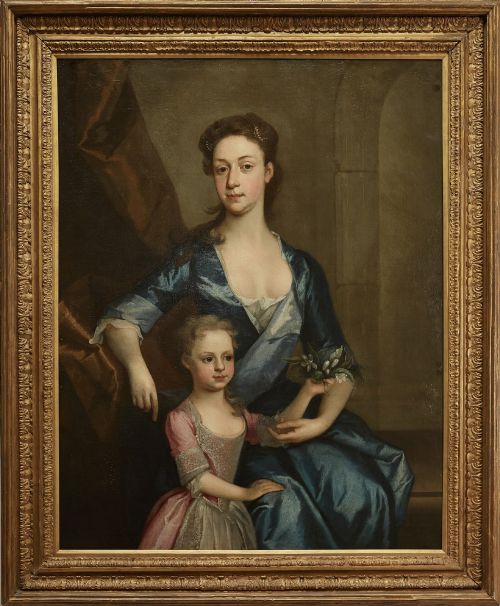


Antique Family Portrait Artwork
These antique family portrait artwork pieces capture domestic lineages, royal groupings and generational bonds across centuries of painting and printmaking.
Antique Family Portrait Artwork
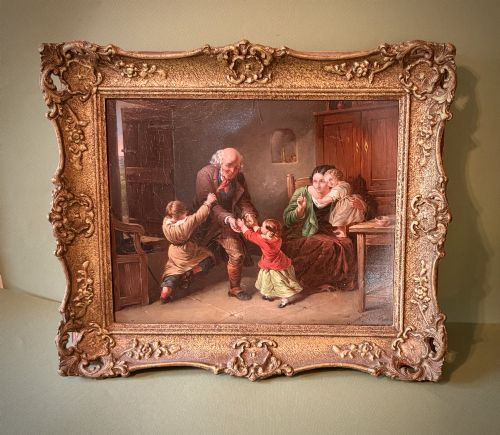
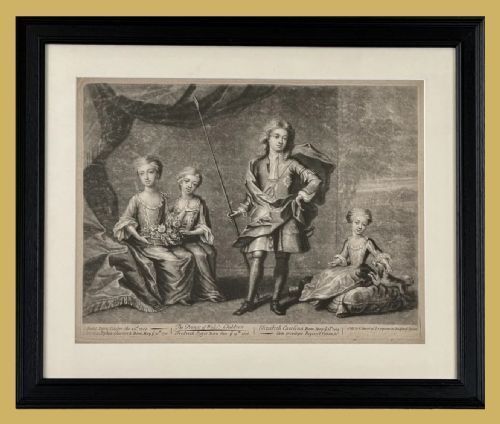
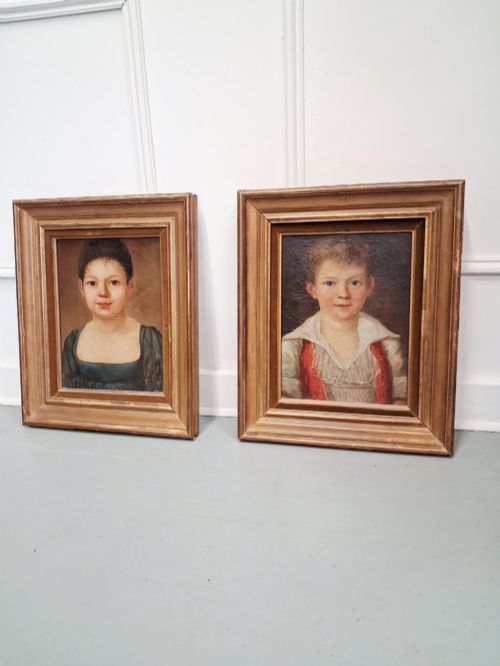
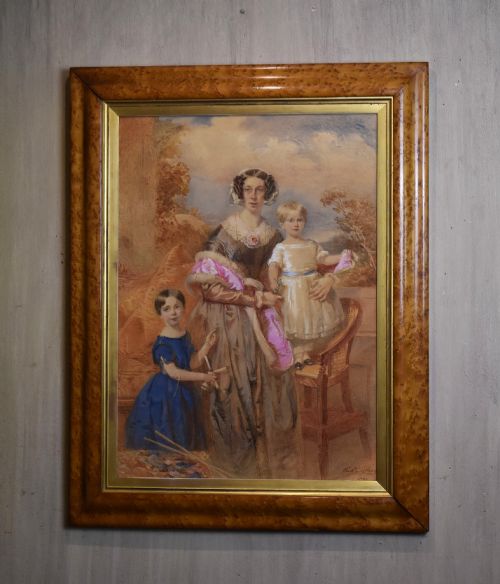
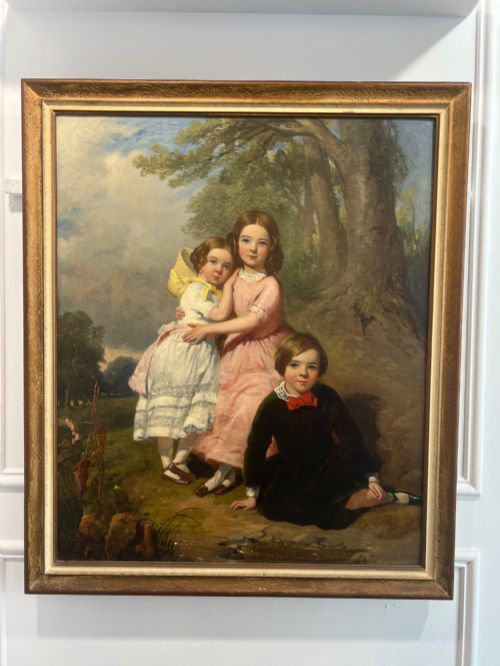
When you search for antique family portrait artwork, you encounter visual records of households, dynastic lineages and generational groups captured by painters, printmakers and watercolourists. These pieces range from intimate watercolours of children and siblings to grand oil paintings depicting noble families within structured interior spaces or garden settings.
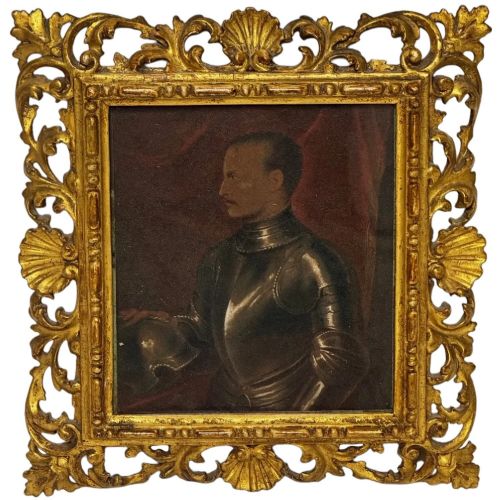
You are most likely to meet 18th century and 19th century examples on this page, spanning Georgian, Victorian and Regency periods. Common formats include oil on canvas, delicate watercolours, framed silhouette art and prints on silk, housed within original wooden or gilded frames.
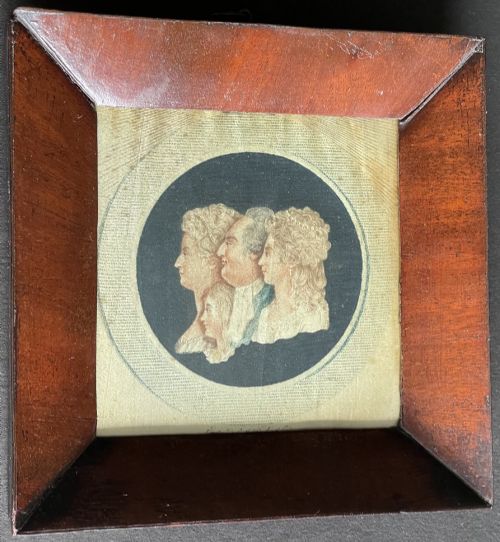
Subject matter extends beyond conventional domestic groups to include ancestor paintings from China, silhouette conversation pieces and sacred family groupings such as the Holy Family. Each piece preserves the likeness and social context of past households through varied mediums and regional British, European or Asian schools.
How They Were Made
Artists relied on oil on canvas and oil on panel for durable, layered portraits, building rich tones with pigmented linseed oil. Watercolours and inks on paper offered a lighter, fluid medium suited to delicate studies of children and intimate domestic scenes.
Silhouettes utilised cut paper or ink, often mounted behind glass within maple or gilded frames to preserve the stark profile likeness. Printers employed mezzotint, lithography and prints on silk to reproduce likenesses across multiple impressions.
Frames played an integral structural and aesthetic role, utilising carved wood, giltwood and stepped oak mounted with presentation plaques. Canvases were stretched across timber frames, while mixed media works combined drawing materials on prepared grounds.
Regional origins include British, Dutch, Italian and Chinese schools, reflecting diverse approaches to domestic portraiture.
What Varies In Quality
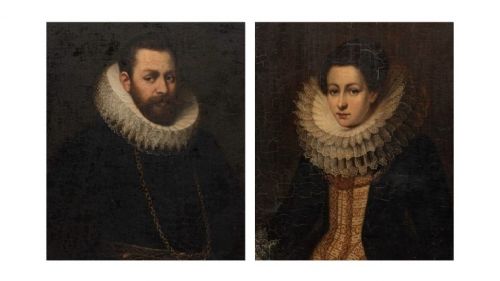
Quality rests upon the technical skill of the draughtsman or painter in rendering anatomical accuracy, facial expression and textiles like ruff collars. Master works display nuanced handling of light across skin and fabric, whereas simpler pieces rely on standard formulae.
The integrity of the original materials dictates preservation, from stable oil paint layers free from excessive retouching to unblemished paper on watercolours and silhouettes. Original frames, particularly period giltwood or maple housings, elevate the historical completeness of the piece.
Provenance and attribution distinguish standard works from those linked to documented artists or specific noble houses. Signed works and well-documented attributions provide clearer insight into the workshop standards of the period.
Edward·Gian Paolo Pace·Frederick Tatham·Joseph Highmore·Carl Adolf Mende·William Henry Knight·K and K Hof Atelier Pietzner·William Egley·Antonio Allegri·W Ford·Leonardo Morello·John Hoppner·Franz Xaver Winterhalter·Charles Philips·Michael Dahl·Hans Hysing·Kershaw Schofield
The Antique Family Portrait Artwork Glossary
- Mezzotint
- A printmaking process of the intaglio family where the plate is roughened uniformly to allow smooth tonal gradations. This technique enabled artists to achieve rich, dark backgrounds and subtle shifts in facial lighting.
- Silhouette
- A portrait represented as a solid shape of a single colour, usually black, matching the outline of the subject's profile. These were cut from paper or painted directly onto card or plaster.
- Giltwood
- Wood, typically carved timber such as pine or oak, that has been coated with a thin layer of gold leaf. It defines the ornate frames common in 18th and 19th century domestic art.
- Ancestor Painting
- Traditional familial portraiture created to honour deceased lineage members, particularly prominent in Chinese art traditions. These works served a commemorative and venerative function within the household.
- Conversation Piece
- An informal group portrait, popular in the 18th and 19th centuries, showing a family or circle of friends engaged in polite conversation or activities. They typically depict subjects in real-world domestic or outdoor settings rather than formal studio poses.
Antique Family Portrait Artwork: Frequently Asked Questions
What is an ancestor painting?
Ancestor paintings are formal group or individual portraits originating from traditions like those in China, created to commemorate household lineage members. They preserve generational identity and were displayed in domestic or ancestral settings.
These artworks often feature subjects in traditional attire seated within formal compositions, executed on silk or paper within original frames.
How were silhouette portraits made?
Silhouettes were produced by cutting profiles from black paper or by painting the likeness directly onto card, plaster or glass. Artists captured the distinct facial outline of family members without interior detail.
They were typically housed behind glass within maple or gilded wood frames to protect the delicate paper components from environmental damage.
What is a conversation piece?
A conversation piece is an informal portrait depicting family groups or friends interacting in domestic interiors or outdoor grounds. Unlike rigid formal portraits, these compositions show subjects engaged in shared activities or leisure.
They offer visual insight into the daily lives, clothing and domestic environments of Georgian and Victorian households.
How do I care for antique portraits on paper?
Watercolours, prints and silhouettes on paper require protection from direct sunlight to prevent fading of the pigments and paper degradation. Maintaining stable humidity levels prevents warping and foxing spots across the surface.
Displaying them away from direct heat sources and using UV-filtering glass helps preserve the delicate inks and watercolours over time.