


Antique Fairground Carving
These antique fairground carving pieces bring the bold spectacle of old amusement parks straight into a room with their weathered paint and carved wooden forms.
Antique Fairground Carving
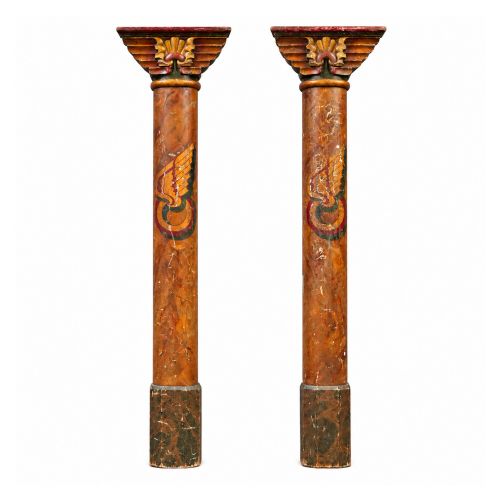
When you search for antique fairground carving, you are looking at survivors from nineteenth-century and early twentieth-century amusement rides, organs, and stalls. These items range from large carousel animals to decorative panels and architectural columns that once decorated bustling fairgrounds.
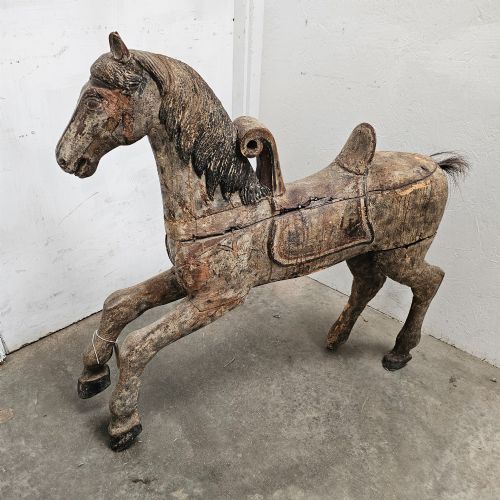
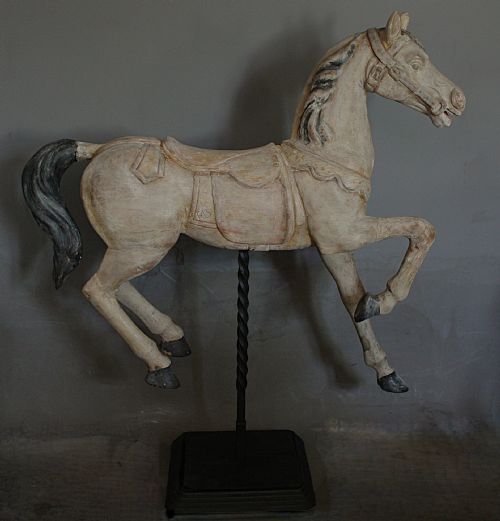
You are most likely to meet carved wooden horses, pigs, and dragons on this page, often showing layers of old polychrome paint. Alongside these sculptural animals, architectural fragments and ride panels appear frequently, reflecting the rich folk art traditions of English and continental makers.
How they were made
Carvers shaped these pieces primarily from solid wood, utilising hand tools to achieve dynamic movement and expressive details on animals and panels alike. Iron and metal reinforcement components provided structural strength for items subjected to the constant motion of rides.
Makers applied multiple layers of paint, including polychrome paint schemes, to withstand outdoor conditions and catch the eye of fairgoers. Details such as horsehair added realistic texture to carousel figures before decades of use weathered the surfaces.
Listings feature wood and iron materials spanning the nineteenth century through the Edwardian period and nineteen-twenty.
What varies in quality
The sculptural depth and anatomical precision of the carving separate standard utilitarian items from exceptional pieces. Workshop mastery shows in the fluid movement of a horse or dragon figure and the complexity of the original relief work.
The character and survival of the painted surface dictate the visual impact of each piece. Surviving polychrome paint layers with rich patination hold greater aesthetic appeal than heavily stripped or later repainted surfaces.
Bayol·Limonaire·Gavioli
The Antique Fairground Carving Glossary
- Polychrome paint
- Decoration utilising multiple colours applied to wood or metal surfaces. This traditional finish gives antique carvings their vibrant visual identity.
- Carousel figure
- A carved animal or ornate form created to ride on a rotating fairground platform. These sculptures represent the pinnacle of amusement park artistry.
- Architectural salvage
- Elements removed from older buildings or structures and repurposed for display. In this context, columns and panels from rides find new life as interior decoration.
- Folk art
- Utilitarian or decorative objects created by self-taught or traditional makers working outside academic art circles. Fairground carvings are celebrated examples of this vernacular tradition.
Antique Fairground Carving: Frequently Asked Questions
How were fairground carvings used?
Makers designed these carvings to decorate moving amusement rides, organs, and games to attract crowds at nineteenth-century and early twentieth-century fairs. Carousel animals carried riders, while carved panels and columns adorned the machinery.
Over decades of operation, these elements endured heavy use outdoors before retiring from active service to be preserved as decorative art and architectural salvage.
How do I live with fairground art?
These substantial wooden sculptures and panels suit large interior spaces where their weathered paint and bold forms can anchor a room. Wall-mounted panels or freestanding figures create striking focal points against neutral walls.
Keeping these pieces away from direct heat sources and excessive moisture preserves the original wood and fragile painted surfaces for years to come.
How can I tell periods apart?
Nineteenth-century pieces often display deeper, more traditional carving styles associated with French and English folk art workshops. Early twentieth-century and Edwardian examples frequently feature distinct carousel animals and decorative boards from mechanized rides.
Examining the underlying construction materials, such as iron brackets alongside carved wood, helps establish the era of manufacture.