



Fairground Art Sculpture
These pieces of fairground art sculpture bring the bold spectacle of historic carousels and rides directly into your interior.
Fairground Art Sculpture
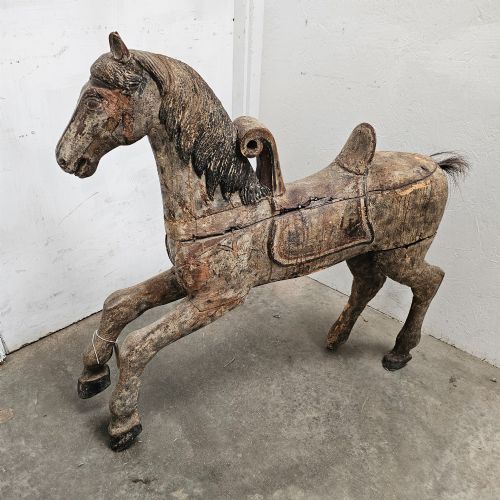
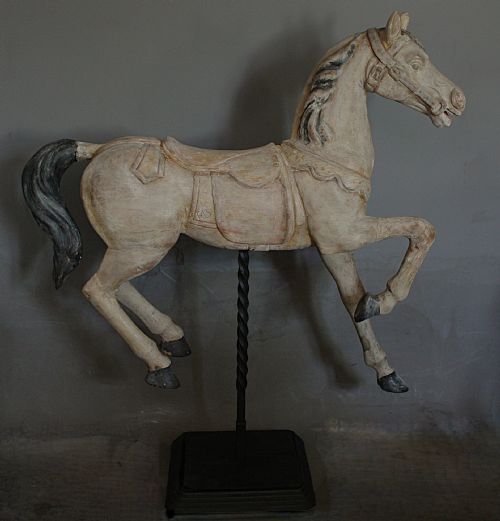
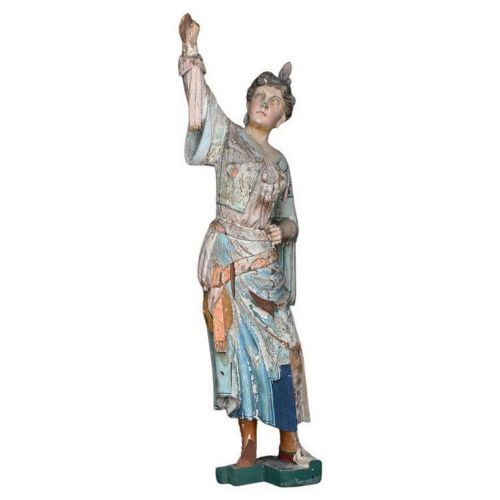
When you search for fairground art sculpture, you encounter carved wooden animals and ride figures created for amusement parks and travelling attractions during the nineteenth and early twentieth centuries. The selection centres heavily upon carousel horses, alongside rarer figures like pigs, dragons, and organ figures originating from France and continental Europe. These decorative objects transition from functional amusement park apparatus into striking sculptural statements for domestic spaces.
You are most likely to meet French and continental carousel horses fashioned during the nineteenth century or around 1920, often displaying traces of their original polychrome paint. Wall sculptures, panels, and ride fragments also appear alongside freestanding decorative sculptures and figures. Each piece carries the distinct physical presence of working fairground history, shaped by traditional folk art traditions.
How fairground art sculpture was made
Makers fashioned these sculptures primarily from carved wood, often utilising multi-part construction to handle the large scale required for ride figures. Artisans applied layers of paint, resulting in the polychrome surfaces seen on surviving horses and panels. Iron and metal components reinforced structural stress points, while secondary materials like horsehair and leather completed details such as manes and tack.
The making process combined robust carpentry with expressive folk art carving, ensuring the figures withstood the rigours of fairground use. Workshops employed hand-carving techniques to shape dynamic postures on animals like dragons, pigs, and horses. Subsequent painting secured the bright visual impact necessary to catch the eye of fairgoers spinning past on carousel rides.
The available selection encompasses French Folk Art, Continental Folk Art, and Victorian Industrial styles applied to decorative sculptures and wall pieces.
What varies in quality in fairground art sculpture
The quality of a fairground art sculpture rests upon the depth of the hand-carving and the anatomical expression achieved by the maker. Sculptures featuring spirited postures, intricate facial detailing, and well-defined musculature stand apart from simpler utilitarian pieces. The survival of original polychrome paint layers significantly elevates the visual power of a figure.
Proportion and scale also dictate distinction within these sculptural works, particularly on larger carousel figures and ride fragments. Pieces bearing maker or workshop association, such as those linked to Bayol, Limonaire, or Gavioli, possess heightened historical interest. The integrity of the original wood structure beneath subsequent weathering completes the measure of quality.
Bayol·Limonaire·Gavioli
The Fairground Art Sculpture Glossary
- Polychrome paint
- Decoration applied using multiple colours to enliven carved wooden surfaces. This painted finish remains a key indicator of period style.
- Ride fragment
- A surviving portion of a larger fairground attraction, salvaged after the dismantling of the ride. These pieces often take the form of panels or decorative mounts.
- Folk art
- Artistic production stemming from cultural traditions rather than academic fine art training. Fairground pieces frequently embody this vernacular approach through unpretentious, direct craftsmanship.
- Carousel figure
- A carved animal or decorative element produced specifically to mount upon a rotating amusement ride. Horses represent the most common form, though exotic animals appear occasionally.
Fairground Art Sculpture: Frequently Asked Questions
What are fairground art sculptures?
Fairground art sculptures are carved wooden figures and decorative elements originating from nineteenth and early twentieth-century amusement rides and carousels. They include carousel horses, pigs, dragons, and organ figures.
These pieces served a functional purpose on travelling rides before transitioning into decorative objects and wall sculptures appreciated for their folk art aesthetic.
How were fairground sculptures used?
Makers designed these sculptures to be mounted on moving fairground rides, where they entertained crowds with dynamic postures and bright colours. They functioned as seating for riders or decorative panels framing mechanical organs.
Today, collectors place these works as freestanding sculptures or wall-mounted focal points within domestic interiors, preserving their theatrical history.
How do I live with fairground art sculpture?
Living with these sculptures involves balancing their bold visual presence with the surrounding room, often displaying them on sturdy surfaces or mounting them securely to walls. Their substantial wooden construction and weathered paint finishes anchor interior spaces with historic character.
Keep them away from direct heat sources and excessive moisture to protect the aged wood and delicate remaining paint layers.
How do I tell nineteenth century pieces apart from twentieth century ones?
Distinguishing periods relies on examining the carving style, construction methods, and the layering of paint surfaces. Nineteenth-century examples often display deep hand-carving and French folk art characteristics.
Pieces from around 1920 frequently reflect industrial shifts in production while retaining traditional hand-finished details, though evidence in the form of signatures or specific workshop traits provides the clearest guidance.