


Antique Faceted Glass
Antique faceted glass brings sharp light and weight to a room, ranging from Georgian wine glasses to Victorian scent bottles.
Antique Faceted Glass
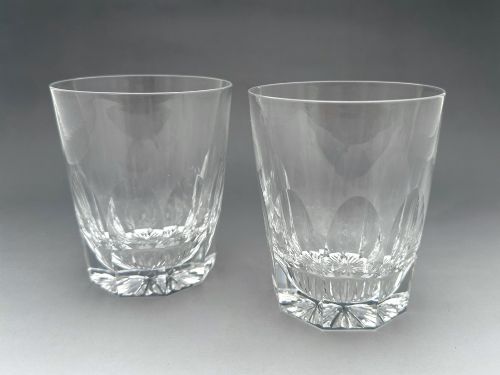
When you search for antique faceted glass, you encounter items shaped by cutting flat planes into the material to catch the light. The pieces span the eighteenth century through the Art Deco period, taking forms such as decanters, drinking glasses, scent bottles, and hanging lanterns.
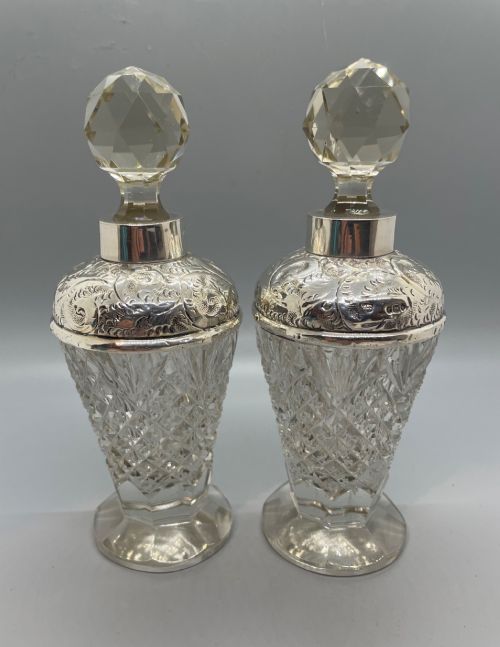
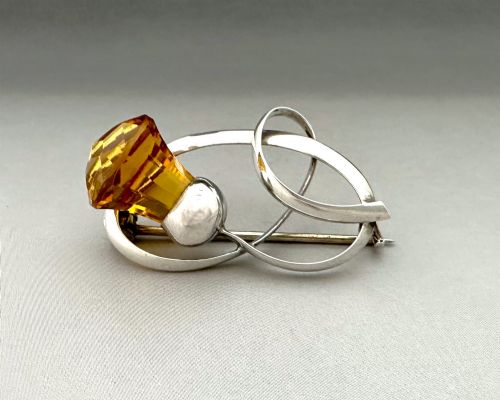
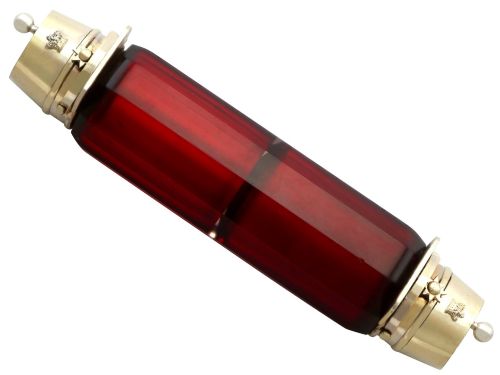
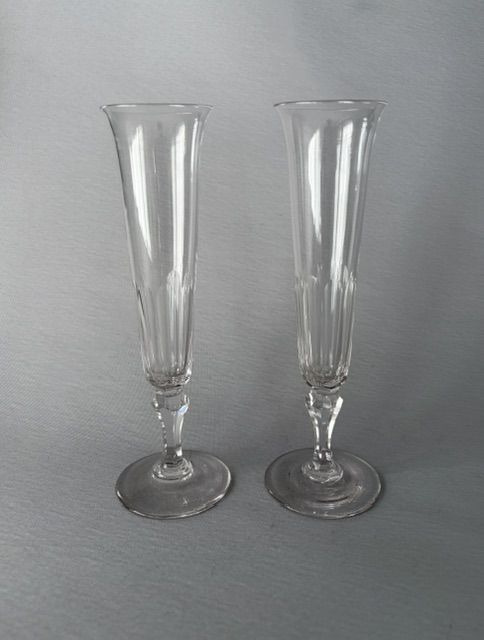
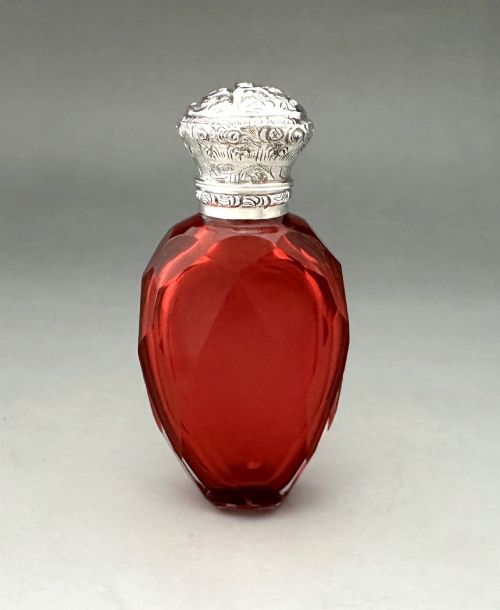
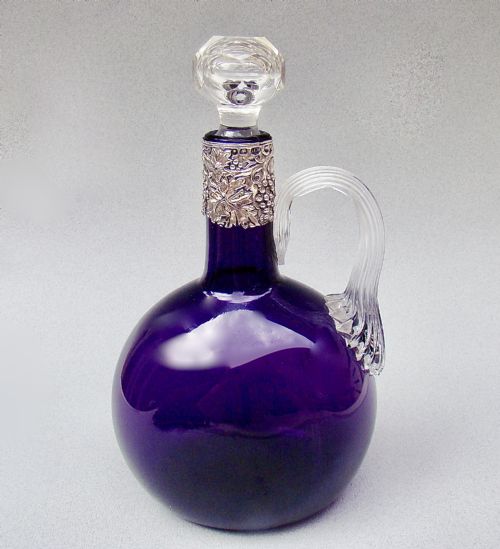
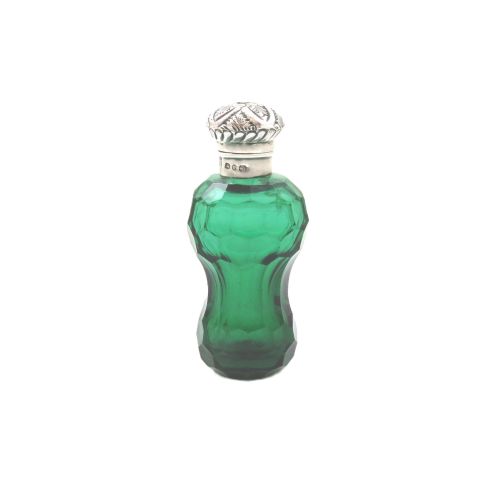
The selection here leans heavily towards Victorian and Edwardian examples, particularly scent bottles mounted in sterling silver and ruby, green, or amethyst glass. Georgian decanters and drinking glasses also appear regularly, alongside early twentieth-century chandeliers and brass-framed lanterns.
Materials and construction
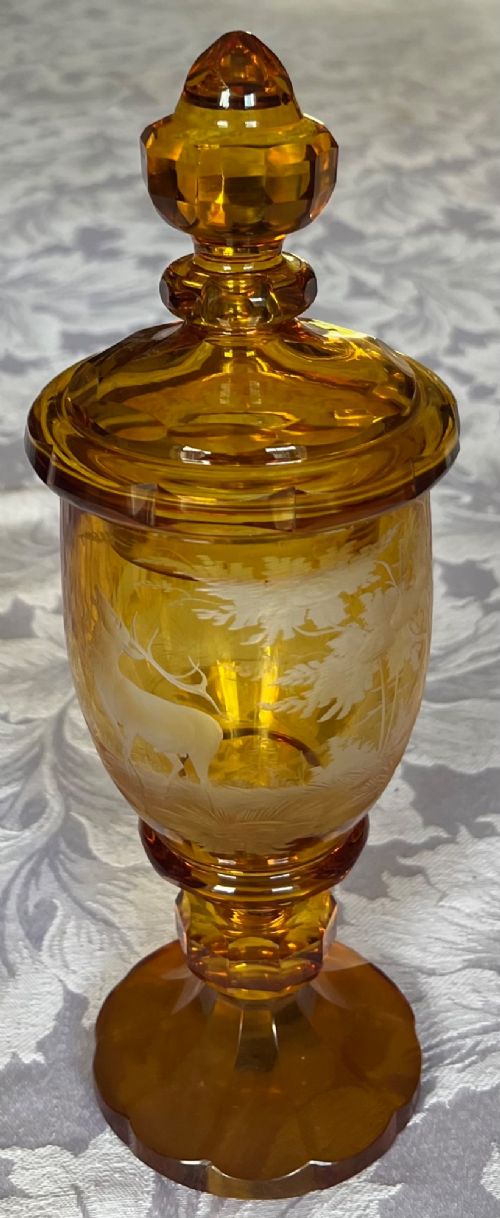
Makers shaped these items from heavy lead crystal, cut glass, and coloured glass including cranberry, ruby, and Bristol green. Artisans cut geometric facets across the surface by hand using rotating wheels, achieving sharp edges and clear optical effects.
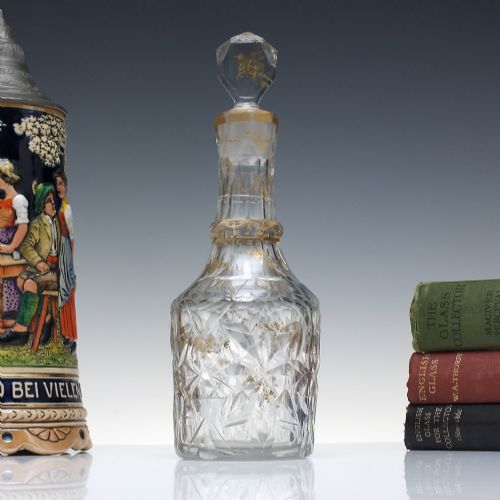
Many glass bodies incorporate precious metals, mounting them in sterling silver, silver gilt, or brass. Some vessels receive additional decoration through gilding or enamel, as seen in eighteenth-century pieces attributed to the atelier of James Giles.
Antique Faceted Glass Retail Price Guide 2026
Typical asking prices for faceted glass among the pieces listed under this phrase on Sellingantiques today, from the lower quarter to the upper quarter. They describe what is for sale here now, not the wider market.
Keep a steady hand when measuring eighteenth-century beer decanters, lest their substantial lead weight test your grip.
Distinctions in quality
The standard of a piece depends on the crispness of the cutting and the weight of the material. Sharp, distinct geometric planes and heavy lead crystal separate finer work from softer, more rounded mouldings.
Maker attribution and metalwork quality elevate certain examples, such as pieces bearing hallmarks for silversmiths like Sampson Mordan or Henry Matthews, or documented work from makers like Karl Palda and Moser.
Sampson Mordan·James Giles·Moser·Henry Matthews·Karl Palda
The Antique Faceted Glass Glossary
- Facet
- A flat surface cut into the glass to reflect light. Multiple facets create the geometric brilliance characteristic of this ware.
- Lead crystal
- Glass containing lead oxide, which increases weight, clarity, and refractive index. This material allows for deeper and sharper cutting.
- Vinaigrette
- A small ornamental box or bottle containing a sponge soaked in aromatic vinegar. These often feature pierced internal grilles and silver mounts.
- Silver gilt
- Silver covered with a thin layer of gold. This treatment appears frequently on nineteenth-century scent bottle mounts.
- Decanter
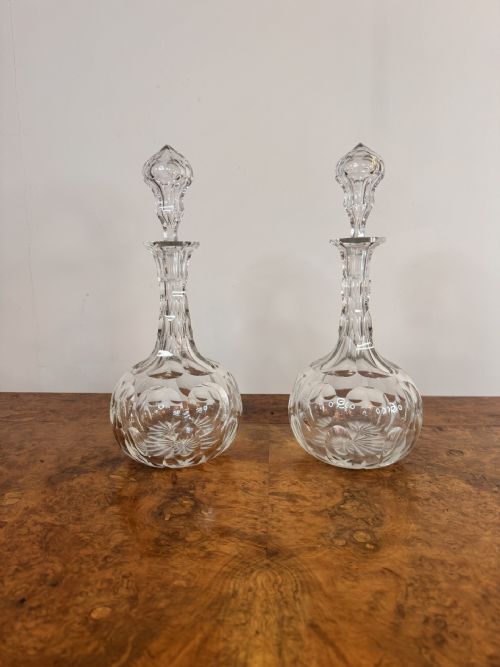
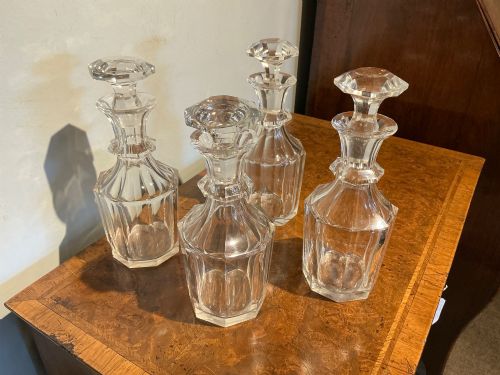
- A vessel used for holding and serving wine or spirits. Georgian and Victorian examples often display heavy facet-cut shoulders and geometric stoppers.
Antique Faceted Glass: Frequently Asked Questions
What is antique faceted glass?
It is glassware shaped with flat, polished planes cut into the material to catch and refract light. The category covers items produced from the eighteenth century to the early twentieth century.
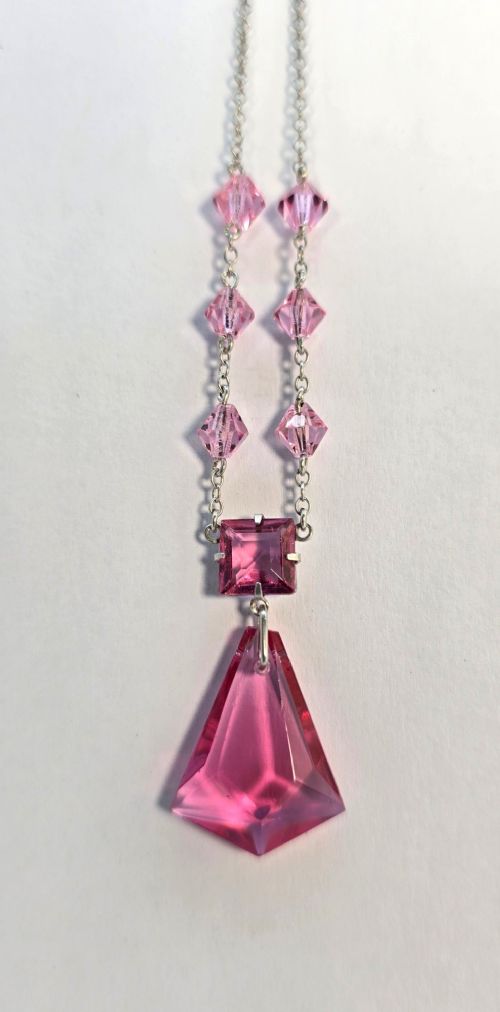
These pieces include functional tableware like decanters and wine glasses, personal items such as scent bottles and necklaces, and architectural objects including chandeliers and lanterns.
How do I identify a Georgian decanter?
Georgian decanters typically feature hand-cut geometric facets, heavy lead crystal construction, and characteristic shapes like the sugarloaf or shoulder form. Many incorporate distinct engraved details such as maltese cross patterns or named spirit labels.
Unlike later mass-produced items, these earlier vessels show subtle irregularities from hand-polishing and hand-cutting on the base and neck.
How were Victorian scent bottles used?
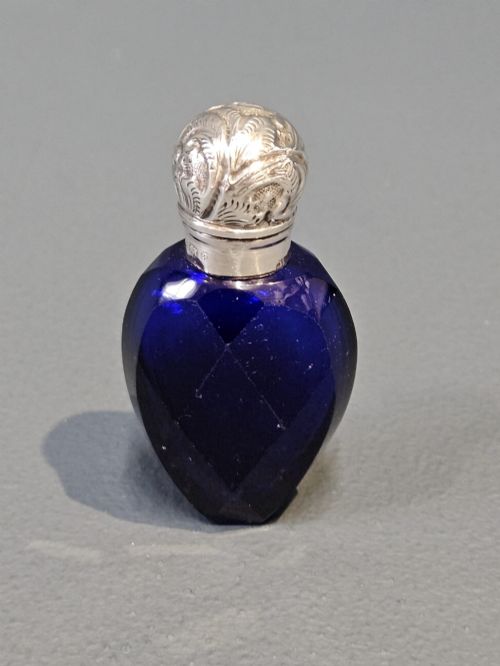
Victorian scent bottles held perfumes or smelling salts for personal use in crowded public spaces where odours could be unpleasant. Owners carried them in pockets or reticules, or displayed them on dressing tables.
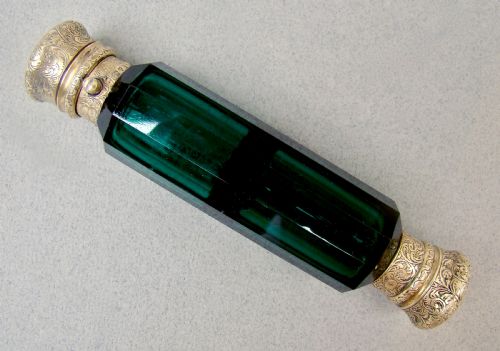
The glass bodies were frequently coloured in ruby, green, or amethyst shades and fitted with hinged sterling silver caps or double-ended stoppers.
Where should I hang a glass lantern?
These lanterns suit hallways, entranceways, or rooms with adequate ceiling clearance to display the metal framing and bevelled glass panels. They function best where artificial or natural light can pass through the faceted panes.
Ensure the hanging point supports the combined weight of the brass frame and the heavy glass components safely.