





Antique Exeter Silver
These pieces of antique exeter silver carry the mark of a historic West Country assay office, offering collectors distinct provincial character.
Antique Exeter Silver
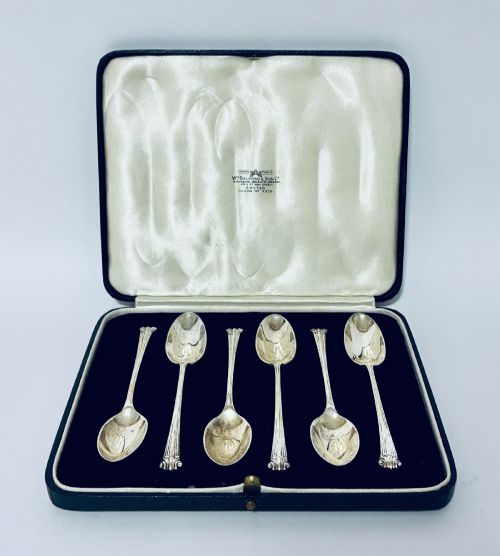
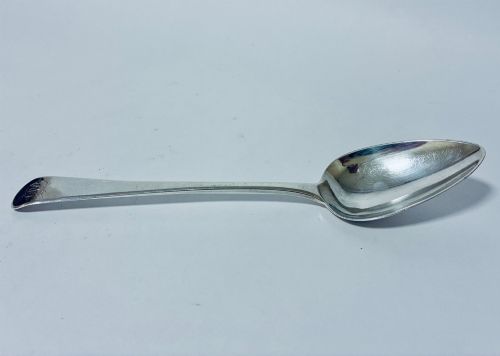
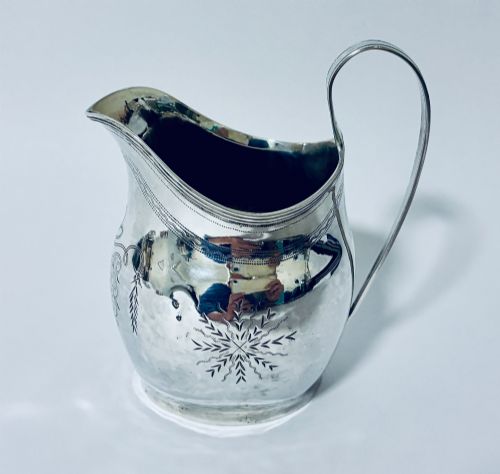
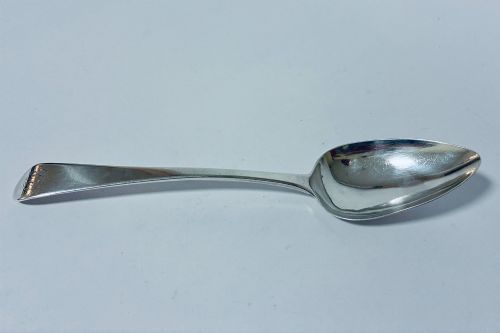
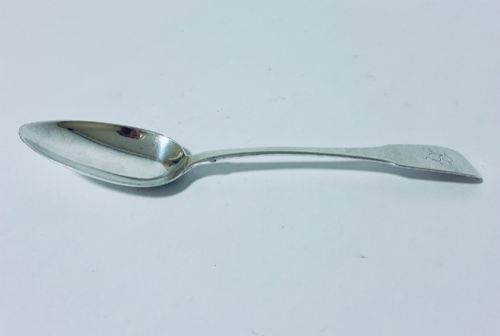
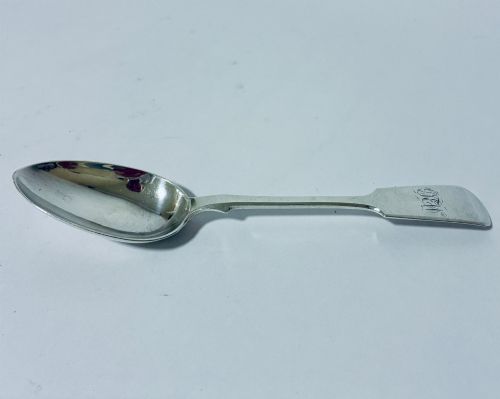
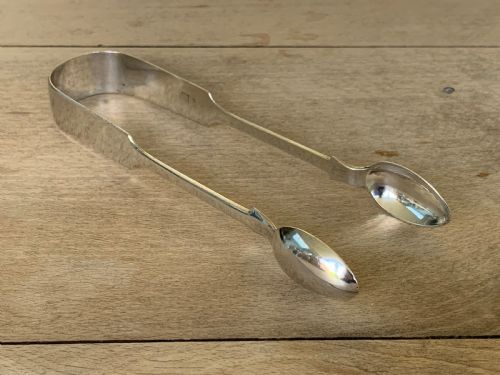
When buyers search for antique exeter silver, they encounter domestic tableware and flatware bearing the marks of the West Country city. The selection spans domestic cutlery, serving spoons, tablespoons, cream jugs, and sugar tongs alongside occasional horology like a bracket clock.
The periods represented stretch across the Georgian and Victorian eras, alongside 1930 pieces. Flatware dominates the inventory, reflecting the output associated with the West Country assay office before its closure.
How antique exeter silver was made
Silversmiths shaped these items from sterling silver using traditional hammering and forging techniques. Individual components were joined, polished, and struck with provincial hallmarks to denote standard and origin.
Associated items incorporate secondary materials such as velvet, satin, mahogany, brass, glass, and leatherette, particularly within fitted cases for spoons and tongs.
Antique Exeter Silver Retail Price Guide 2026
Typical asking prices for exeter silver among the pieces listed under this phrase on Sellingantiques today, from the lower quarter to the upper quarter. They describe what is for sale here now, not the wider market.
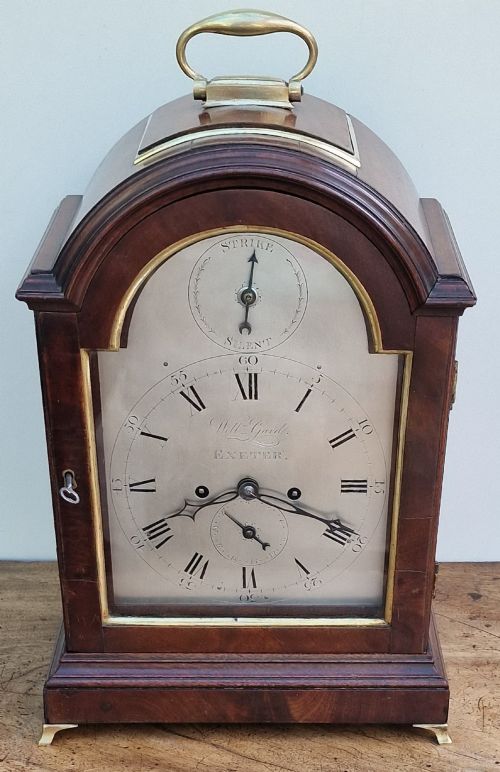
Among spoons and tongs sits a heavy mahogany bracket clock, proving Exeter silversmiths occasionally kept very good time indeed.
What varies in quality
The clarity and crispness of the Exeter town mark and maker's stamp dictate collector interest. Crisp, legible punches on spoons and tongs preserve the historical record of the regional silversmith.
Condition of the silver surface, preservation of original bowl shapes on tablespoons and teaspoons, and integrity of associated presentation cases separate standard examples from finer survivals.
William Gard·Josiah Williams & Co
The Antique Exeter Silver Glossary
- Assay office
- The official body that tested precious metals and applied hallmarks. The Exeter office operated to verify provincial silver standards.
- Hallmark
- A series of official marks stamped on items to indicate purity, maker, and assay town. Provincial marks help identify West Country origins.
- Tablespoon
- A large spoon designed for serving or dining. Georgian examples from Exeter feature generous bowl proportions.
- Sugar tongs
- Small spring tongs used for handling sugar lumps. Victorian examples often match spoons in fitted cases.
Antique Exeter Silver: Frequently Asked Questions
What is exeter silver?
Exeter silver refers to silverware and flatware assayed in the city of Exeter in the West Country of England. The pieces bear distinct regional hallmarks used before the assay office closed.
Collectors prize these items for their provincial character, linking them to local silversmiths working during the Georgian and Victorian periods.
How do I date exeter silver?
Dating relies on the date letters and monarch duty marks stamped alongside the Exeter castle hallmark. Comparing the letter punches against regional assay records reveals the specific year of production.
Listings often specify periods like Georgian or Victorian, supported by the stamped hallmarks on the silver surface.
Are cased sets common?
Cased sets of sugar tongs and spoons appear in Victorian and later periods, often lined with materials like satin or velvet. These fitted presentation boxes protected the silver during storage.
Complete cased groupings provide insight into how provincial presentation silver was packaged and retailed.