



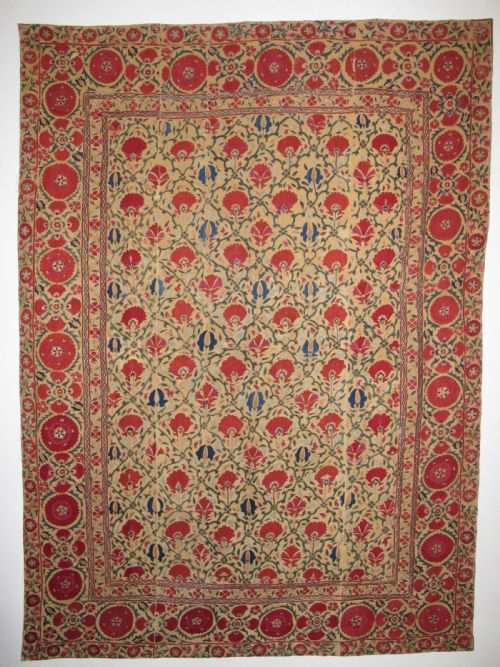


Antique Ethnic Tapestry
These antique ethnic tapestry pieces bring vibrant nomadic textile traditions into modern interiors through bold tribal designs and rich natural dyes.
Antique Ethnic Tapestry
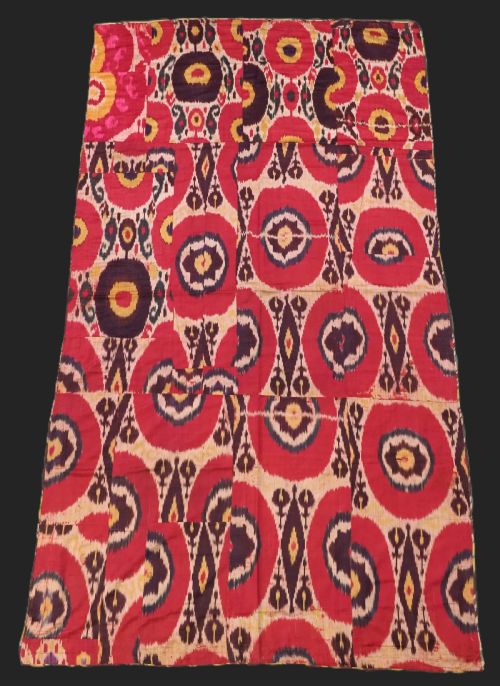
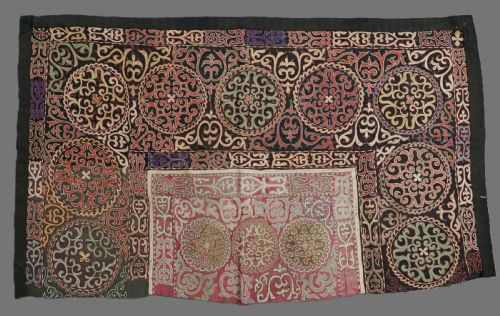
When you search for antique ethnic tapestry, you encounter textiles created across Central Asia, Anatolia, the Balkans, and the Indonesian Archipelago during the nineteenth and early twentieth centuries. These works include Uzbek suzanis, Central Asian kilim panels, horse blankets, yurt wall hangings, and ikat fabric panels.
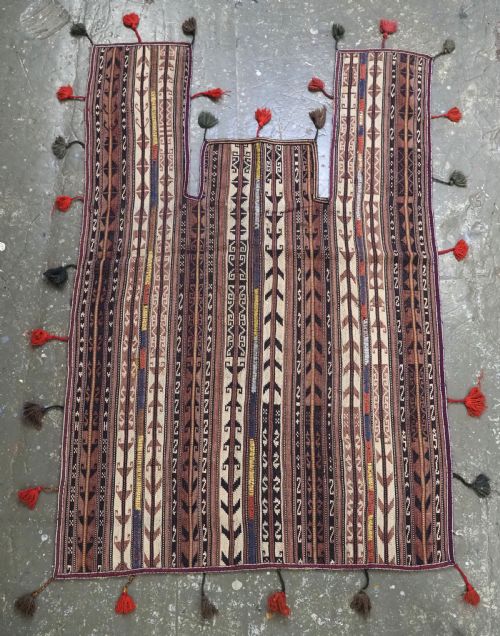
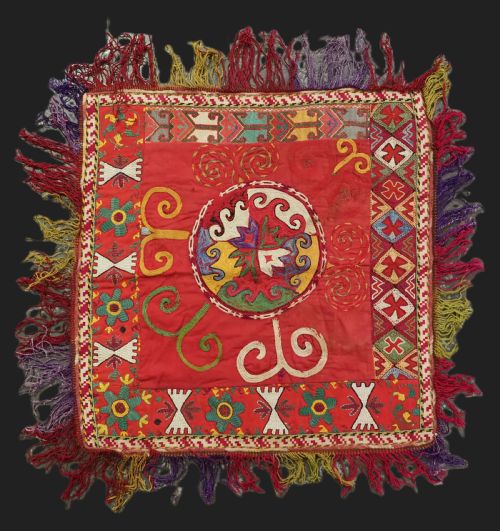
The version you are most likely to meet on this page is the Uzbek suzani or Central Asian tribal panel from around 1900, worked in silk on a cotton ground. Other frequent examples comprise Balkan kilims from Pirot or Sarkoy, and ceremonial horse covers from nomadic groups.
These items served primarily as dowry elements, yurt furnishings, ceremonial coverings, and domestic wall hangings within traditional societies. Their survival demonstrates the enduring utility of skilled handwork executed for daily community life and ritual celebration.
What varies in quality
Quality rests upon the fineness of the needlework or weave and the vibrancy and stability of the dyestuffs utilised. Dense silk embroidery work on suzanis and crisp graphic lines in kilims distinguish superior examples from simpler productions.
The handling of colour harmony across the entire surface separates standard workshop pieces from masterworks. Strong visual balance, complete borders, and intact foundations elevate specific panels within their respective textile traditions.
Antique Ethnic Tapestry Retail Price Guide 2026
Typical asking prices for ethnic tapestry among the pieces listed under this phrase on Sellingantiques today, from the lower quarter to the upper quarter. They describe what is for sale here now, not the wider market.
Turkoman yurt bands stretch across fifty feet of continuous woven history, proving that some nomadic decorators simply refused to work in miniature.
The Antique Ethnic Tapestry Glossary
- Suzani
- An embroidered wall hanging or textile panel originating from Central Asia, traditionally worked in silk thread on a cotton or linen ground as part of a bride's dowry.
- Kilim
- A flatwoven carpet or tapestry lacking a pile, produced across Anatolia, the Balkans, and parts of Central Asia with geometric slit-weave patterns.
- Ikat
- A dyeing technique where yarn is resist-dyed before weaving to create characteristic hazy patterns along the edges of the motifs.
- Tush kyiz
- An elaborately embroidered large wall hanging made by Kyrgyz women to commemorate the marriage of a son or daughter.
- Lakai
- A nomadic Uzbek tribal group known for distinctive, energetic embroidered saddle covers, hanging panels, and dowry items utilising bold graphic forms.
- Yurt
- A portable, round tent covered with skins or felt, used by nomads in the steppes of Central Asia and decorated inside with large woven bands and panels.
Antique Ethnic Tapestry: Frequently Asked Questions
How were these antique textiles used originally?
Nomadic and village communities utilised these pieces inside tents and houses as wall hangings, floor coverings, and domestic divisions. Many functioned as vital components of a bride's dowry, marking status and family heritage.
Ceremonial examples also served specific ritual purposes, such as horse blankets for weddings or protective covers within the yurt. Their construction combined practical insulation with symbolic cultural decoration.
How do I hang a textile on the wall?
Mounting requires weight distribution across the entire top edge to prevent distortion of the fabric or embroidery. Conservation-grade Velcro stitching or a custom sleeve sewn to the reverse works effectively.
Avoid direct nails or pins through the textile itself, as this damages the historical fibres. Professional framing behind UV-filtered glass suits smaller panels and delicate silk suzanis.
How do I tell an Uzbek suzani from a kilim?
Suzanis are surface embroideries where silk or wool threads are stitched onto a woven cotton or linen ground, usually featuring bold floral or medallion layouts. They rely on needlework rather than the structure of the loom for their design.
Kilims are flatwoven textiles where the pattern is created during the weaving process by interlocking or leaving slits between the coloured weft threads. They present a completely different surface texture without raised embroidery stitches.
How do I care for antique wool and silk?
Protect the textiles from direct sunlight to prevent fading of natural dyes over time. Gentle vacuuming through a mesh screen on low suction removes surface dust safely.
Professional textile conservators should handle any necessary cleaning or structural repairs. Avoid chemical spot treatments or washing these historical materials at home.